
Baking Soda for Dogs Smell Safe Ways to Freshen Up
Baking soda can help freshen mild dog odors on dry, washable surfaces when used lightly and vacuumed well. It will not remove deep smells from urine, skin issues, or dirty bedding, so cleaning the source still matters.
If you are dealing with lingering pet odor, baking soda for dogs smell can be a simple home freshening option when used correctly. It works best on dry, washable, or vacuumable surfaces, and it should be paired with real cleaning when the odor has a source that needs removal.
- Best use: Lightly freshen carpets, rugs, crates, and washable bedding.
- Main limit: It reduces odor but does not remove deep contamination.
- Safety point: Avoid heavy dust, ingestion, and contact with eyes or irritated skin.
- Better fix for accidents: Use washing or an enzyme cleaner for urine and organic messes.
- Health clue: Persistent dog smell can signal a skin, ear, or dental problem.
Why Baking Soda Is Used for Dog Odor Control
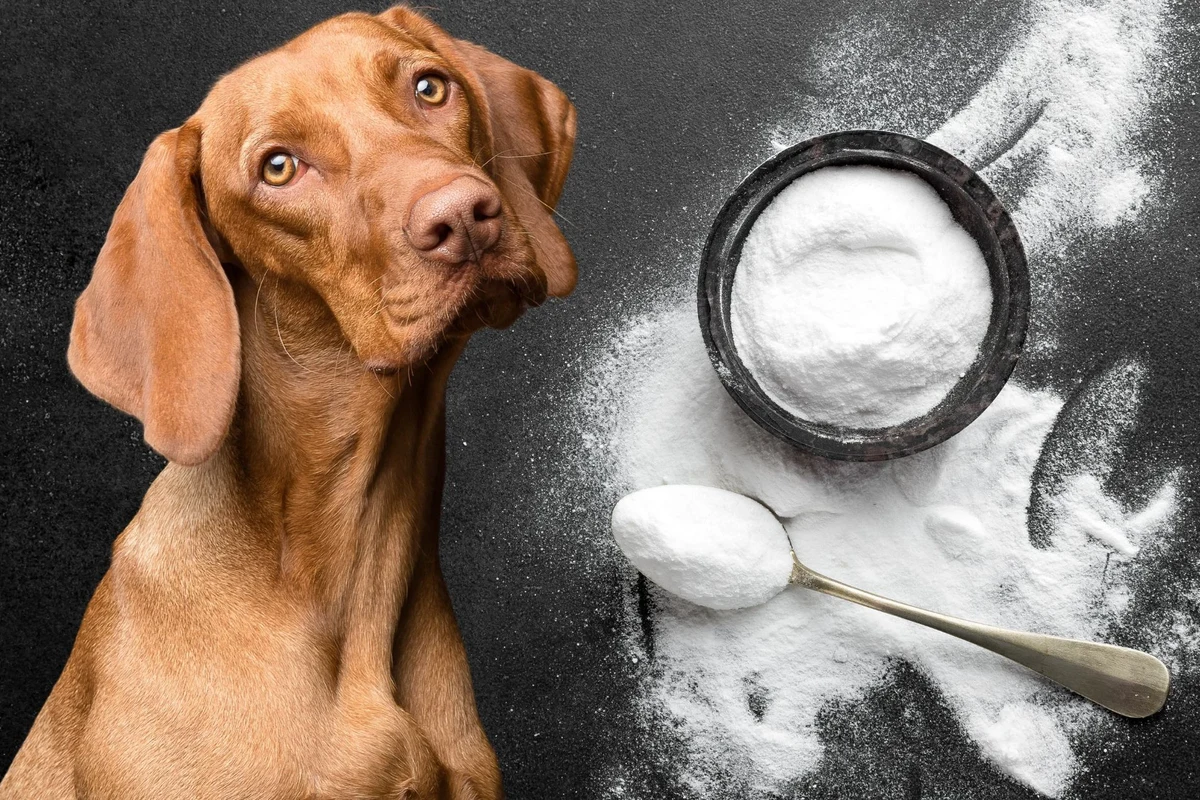
Baking soda is popular for pet odor because it can help reduce smell without adding a strong fragrance of its own. In a baking context, we think of it as a simple ingredient that changes the environment around it; at home, that means it can help manage moisture and odor on certain surfaces rather than “covering up” the problem.
How baking soda absorbs moisture and neutralizes smells
Baking soda is mildly alkaline, so it can help shift the surface conditions of some odor-causing compounds. It also absorbs some moisture, which matters because damp fabric, carpet padding, and bedding tend to hold smells longer.
That is why it can be useful for a musty pet bed or a carpet that smells a little stale after a dog has been lounging there. It is not a magic deodorizer, though, and it cannot fully fix an odor that is coming from urine, skin oil buildup, or an unwashed blanket.
Common pet odor sources in carpets, bedding, crates, and upholstery
Dog smell often builds up where hair, dander, saliva, and moisture collect. Common trouble spots include carpet fibers, throw rugs, pet beds, crate mats, couch cushions, and car upholstery.
Soft materials trap odor more easily than hard surfaces because they hold onto tiny particles and moisture. If the smell returns quickly after vacuuming or sprinkling, that usually means the source is still present and needs washing or a deeper clean.
Odor often clings most strongly to porous materials because fibers and padding trap moisture, oils, and residue below the surface.
Is Baking Soda Safe for Dogs and Dog-Friendly Spaces?
Dry baking soda is generally considered safe around pets when it is used lightly and kept out of reach. The main concerns are not the odor itself, but accidental ingestion, dust, and contact with sensitive skin, eyes, or airways.
When dry baking soda is generally considered safe around pets
Used in a thin layer on a rug, bed, or upholstered area, baking soda is usually fine as long as it is vacuumed up thoroughly afterward. It is best treated like a temporary freshening aid, not something to leave sitting around for long periods.
If your dog does not chew the surface and you remove the powder fully, the risk is lower. That said, every home is different, and curious pets may dig, lick, or roll in fresh powder.
Situations to avoid: ingestion, irritated skin, eyes, and respiratory sensitivity
Avoid letting dogs eat baking soda or breathe in clouds of powder. Ingestion can upset the stomach, and dust can irritate the nose, eyes, or lungs, especially in puppies, older dogs, or dogs with breathing issues.
It is also wise to avoid applying it to broken skin, wet fur, or areas your dog licks often. If you use any deodorizing product, check the label and keep the room ventilated while you work.
Signs your dog may be reacting to a deodorizing product
Watch for sneezing, coughing, watery eyes, pawing at the face, skin redness, or unusual licking after treatment. If your dog seems restless or avoids the treated area, that is a sign to stop using the product and clean the surface again.
For any serious reaction, contact a veterinarian promptly. If a product is not meant for pets, or if your dog swallowed a noticeable amount, do not wait to see whether it passes on its own.
Do not use baking soda as a substitute for veterinary care when odor is tied to skin infection, ear problems, dental disease, or frequent accidents. Persistent smells can point to a health issue that needs diagnosis.
Best Ways to Use Baking Soda for Dogs Smell at Home
The safest approach is to use a small amount on dry surfaces, allow it to sit briefly, and then remove it completely. Think of it as a finishing step after cleaning, similar to how a baker uses a final dusting only where it improves the result.
Sprinkling on carpets, rugs, and pet beds before vacuuming
For carpets and rugs, sprinkle a light, even layer over the area and let it sit for a short period before vacuuming. A thin coating is usually enough; piling it on thicker does not improve odor control and makes cleanup harder.
On pet beds, make sure the fabric is dry before application. If the bed has a removable cover, it is often better to wash the cover first and use baking soda only as a helper between washes.
Using it in crates, litter-adjacent areas, and washable bedding routines
In crates or carriers, use baking soda only on dry, removable pads or mats, then vacuum carefully. For areas near litter boxes or other pet zones, keep the powder away from places where a dog may track it onto paws or lick it from surfaces.
For washable bedding, some people use baking soda as a pre-treatment on the fabric before laundering. That can help with stale odor, but it works best when the item is then washed with detergent and fully dried.
How much to use without leaving residue or dust buildup
Less is usually better. A light dusting is easier to remove, reduces airborne powder, and lowers the chance of a gritty residue left behind in carpet fibers.
If you can see a white layer after vacuuming, you likely used too much or did not vacuum thoroughly enough. In homes with pets, repeated heavy use can also build up in seams, corners, and under furniture.
Where Baking Soda Works Best and Where It Falls Short
Baking soda is strongest as a surface freshener. It is much less effective when odor is coming from a hidden source, such as urine soaked into padding or a dog with an untreated skin condition.
Freshening surfaces versus removing the source of the odor
If a room smells a little stale, baking soda can help make soft surfaces smell cleaner after vacuuming. But if the smell returns quickly, the odor source is still there.
That is the key limit: freshening is not the same as cleaning. A baking soda treatment may make the room more pleasant for a while, but it does not replace washing, disinfecting when appropriate, or removing contaminated material.
Why it may not solve wet-dog smell, urine, or skin-related odors
Wet-dog smell comes from moisture, oils, and microbes on the coat. Baking soda may help nearby fabrics, but it will not dry and clean the dog itself.
Urine odor usually needs a cleaner that reaches the source, often an enzyme cleaner made for pet accidents. Skin-related odors, especially if they are strong, greasy, or sour, can point to infection or another health issue that baking soda cannot fix.
Examples of situations that need washing, enzyme cleaners, or vet attention
If a blanket smells after one use, washing is the right first step. If a carpet smells after an accident, an enzyme cleaner is often more useful because it targets the residue that keeps producing odor.
If your dog has persistent odor even after a bath, or if the smell is coming from ears, mouth, or skin folds, a veterinarian should check for infection, dental disease, or other causes.
- Easy to use on dry fabrics and carpets
- Low-cost household option
- Can reduce mild stale odors
- Does not remove deep odor sources
- Can irritate pets if overused
- Needs thorough vacuuming or washing
Step-by-Step Safe Freshening Methods for Common Dog Areas
Use these methods only on dry, appropriate surfaces. If the area is wet, heavily soiled, or smells like urine, start with cleaning rather than deodorizing.
Carpets and rugs: application time, vacuuming, and repeat frequency
Remove loose hair, dirt, and dander so the baking soda can contact the fibers more evenly.
Sprinkle a thin, even coating over the odor-prone area. Avoid thick piles, especially near edges and seams.
Give it time to work on dry odor and moisture, then vacuum thoroughly so no powder remains in the pile.
Use it occasionally, not constantly. If odor returns fast, clean the source instead of adding more powder.
Dog beds and blankets: pre-treatment before laundering
For washable bedding, shake out loose hair first. Then apply a light dusting to the dry fabric if the item has a stale smell, let it sit briefly, and launder according to the care label.
Once washed, dry the item completely. Damp bedding can smell worse than before, especially in humid weather or when thick stuffing holds moisture inside.
Crates, carriers, and car interiors: minimizing dust and mess
Use baking soda sparingly in crates and carriers because pets spend close contact time there. A small amount on a removable mat is usually safer than sprinkling powder into corners where it can collect.
In car interiors, vacuum first and keep the application light so powder does not blow around the cabin. Wipe hard surfaces after vacuuming to remove any residue that settles on plastic or trim.
When you use any powder around pets, keep the area ventilated and vacuum slowly so dust does not puff into the air. This is especially important in small rooms, crates, and vehicles.
Common Mistakes People Make When Using Baking Soda Around Dogs
Most problems come from using too much product or using it as a shortcut for cleaning. A careful, light application is usually enough for mild odor control.
Overapplying powder and leaving it in thick layers
Thick layers are harder to remove and can work their way deep into carpet fibers and seams. They may also leave a chalky feel on surfaces your dog touches.
If you can see obvious buildup, vacuum again or use a soft brush to loosen the powder before cleaning. Repeating the process with less product is better than trying to fix an overapplication with more powder.
Mixing baking soda with the wrong cleaners
Do not mix baking soda with random household products unless the label specifically says it is safe. Some combinations can reduce cleaning performance, create extra residue, or make cleanup harder.
For pet areas, it is usually smarter to use one product at a time and follow the directions carefully. If you are unsure, check the manufacturer’s label or choose a simple soap-and-water clean first.
Masking odor instead of cleaning the source
Odor control works best when the source is removed. If a room smells like dog because of dirty bedding, old accidents, or a damp rug pad, baking soda alone will only buy you time.
That is a common mistake in pet care and in the kitchen alike: a fragrance or powder can make a space seem cleaner than it is. Real cleaning is what prevents the smell from coming back.
Ignoring persistent smells that signal infection or hygiene issues
If your dog’s smell is strong, sudden, or unusual, do not assume it is just a housekeeping issue. Ear infections, dental problems, skin folds, anal gland issues, and untreated accidents can all cause lingering odor.
When a smell keeps returning after washing bedding and cleaning the area, it is worth asking a veterinarian whether there is a medical cause. That is the safest next step when home deodorizing is not enough.
Better Odor-Control Habits to Pair with Baking Soda
Baking soda works best as part of a routine, not a one-time fix. A few regular habits can make dog areas smell cleaner and reduce how often you need deodorizing.
Regular washing schedules for bedding and soft furnishings
Wash dog blankets, removable bed covers, and crate pads on a steady schedule based on use. Items that are used daily usually need more frequent laundering than occasional guest bedding.
Choose the care label, fabric type, and washer capacity as your guide. Some thick pet beds hold moisture in the fill, so they need extra drying time even after the surface looks clean.
Brushing, bathing, and drying routines that reduce dog odor
Regular brushing removes loose hair and dander before they spread to furniture and floors. Bathing can help too, but overbathing may dry the skin, so the right schedule depends on your dog, coat type, and veterinarian guidance.
Drying matters just as much as washing. A dog that stays damp after a bath or rainy walk can transfer that wet smell to bedding and upholstery.
Ventilation, vacuuming, and moisture control in pet areas
Open windows when weather allows, run fans safely, and vacuum often to keep fur and dander from building up. Good airflow helps prevent stale smells from settling into soft surfaces.
Moisture control is just as important. If a room stays humid or a bed stays damp, odor will linger no matter how often you use baking soda.
If you are comparing odor-control products, choose ones made for the exact surface you are treating. A cleaner designed for carpets may not be right for upholstery, and pet-safe labels still need careful reading.
Final Verdict: When Baking Soda Is a Smart Choice for Dog Smell
Baking soda is a smart choice when you want a simple way to freshen dry carpets, rugs, bedding, crates, or other soft surfaces. It is most useful for mild odor, short-term freshening, and maintenance between deeper cleanings.
Best-use recap for safe, practical home deodorizing
Use a light layer, keep it away from your dog’s face, and vacuum it up completely. Pair it with washing, brushing, and ventilation so the odor does not keep returning.
When to choose another cleaner or call a veterinarian
Choose an enzyme cleaner for urine or other organic messes that need source removal. Call a veterinarian if the smell is persistent, sudden, or tied to skin, ears, teeth, or any other possible health issue.
For everyday baking soda for dogs smell cleanup, the safest rule is simple: use it lightly, use it dry, and use it as a helper rather than the whole solution.
Frequently Asked Questions
It is better to use a shorter application time and vacuum thoroughly. Leaving it on too long can add dust and residue without much extra odor benefit.
Yes, when it is used lightly on dry bedding and removed well afterward. If the bed is washable, laundering is still the best way to remove the odor source.
It may reduce some surface odor, but urine usually needs a pet-safe enzyme cleaner. Deep odor in padding or carpet backing often needs source removal.
Use a thin, even layer rather than a thick coating. Less powder is easier to vacuum and lowers the chance of dust irritation.
The odor may be coming from your dog, not the bedding. Check for skin, ear, dental, or hygiene issues if the smell keeps returning.
Stop using the product, ventilate the area, and clean the surface again. Contact a veterinarian if your dog has coughing, eye irritation, vomiting, or any concerning symptoms.

