
Sugar Ants Baking Soda How to Stop Them Fast and Easy
Baking soda can help manage sugar ants when you place it near trails and clean up the food source first. It works best for small kitchen problems, not for large hidden infestations.
Sugar ants in a baking kitchen usually mean there is food, moisture, or both. Baking soda can help with small ant problems, but it works best when you clean up the source and block the entry points too.
- Target the source: Sugar ants come for crumbs, sweets, and moisture in baking areas.
- Use baking soda selectively: Place it near trails, cracks, and sink edges, not everywhere.
- Clean first: Removing residue and drying surfaces improves results.
- Watch the limits: Large infestations usually need stronger treatment or professional help.
Why Sugar Ants Target Baking Areas and Pantries
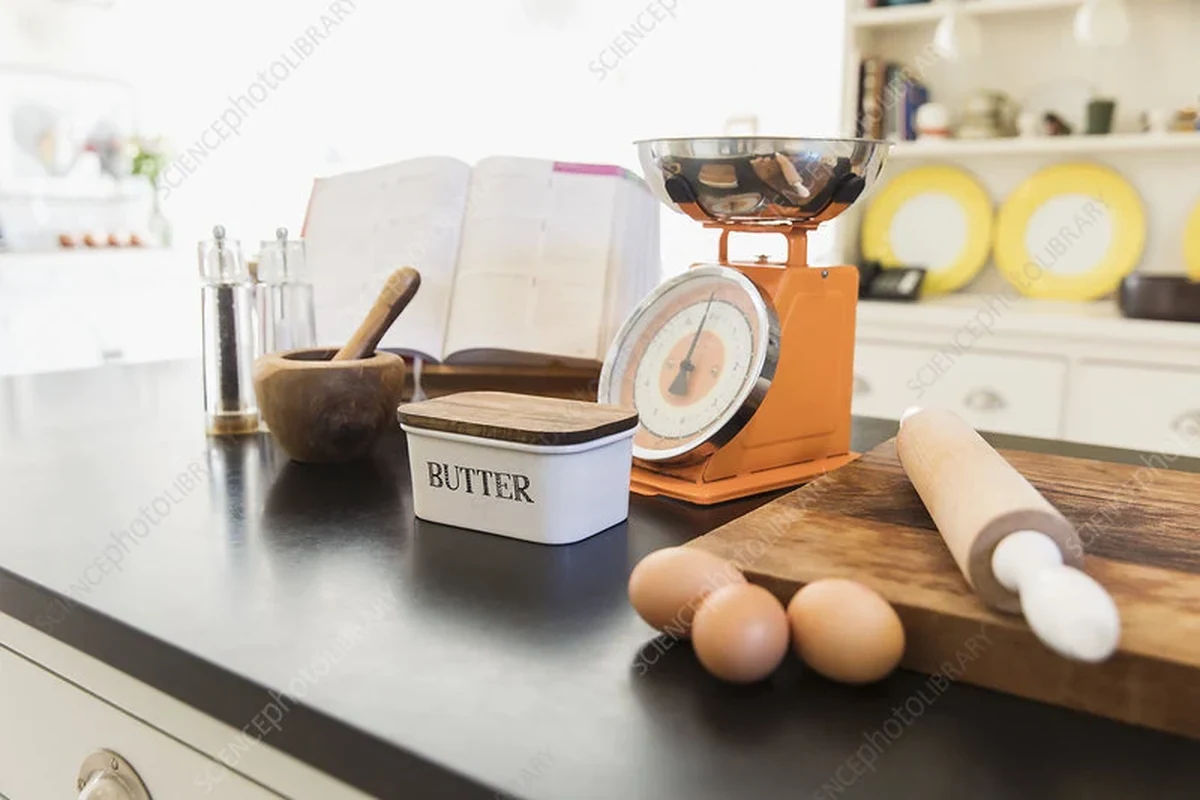
Sugar ants are drawn to kitchens because baking spaces often hold the exact foods they want. Flour dust, sugar spills, syrup drips, frosting residue, and even a few crumbs on a shelf can be enough to keep them coming back.
Pantries and baking stations are especially vulnerable because dry ingredients are often stored in bags, boxes, or containers that are opened and closed often. If packaging is loose, if a scoop leaves residue on the rim, or if a shelf has sticky spots, ants can follow the scent trail quickly.
What attracts sugar ants to flour, sugar, syrup, and crumbs
Despite the name, sugar ants are not only after sugar. They are also attracted to starches and other food residues, which is why flour, cereal, cookie crumbs, and jam can all become a problem in a baking area.
Sticky ingredients are especially appealing because they cling to surfaces and leave a stronger trail. A tiny syrup drip on a jar lid or a little frosting on the counter can be enough to guide more ants into the kitchen.
How kitchen moisture, spills, and packaging gaps make infestations worse
Moisture matters because ants need water as well as food. Sink edges, damp dish towels, leaking pipes, and condensation around appliances can make a pantry or prep area more attractive.
Packaging gaps also make a difference. Torn flour bags, unsealed sugar containers, and cardboard boxes with crumbs inside can all create easy access, especially if the ants have already found a trail indoors.
In a baking kitchen, think like an ant: follow the smell, the moisture, and the easiest path. If you remove those three things at once, control is much faster than treating the ants alone.
How Baking Soda Works Against Sugar Ants
Baking soda is a low-toxicity option that people often try first because it is common, inexpensive, and easy to place in problem areas. It is not a magic fix, but it can help disrupt ant activity in spots where they travel and gather.
The science behind baking soda as a low-toxicity ant control option
Baking soda can interfere with ants when it is used in the right way and in the right place. The main idea is that ants may pick it up while moving through bait or treated areas, but the effect is limited compared with targeted pest control methods.
Because sugar ants travel in organized trails, even a small amount placed near an entry point can sometimes reduce activity around a counter or cabinet seam. The key is that baking soda works best as part of a cleanup-and-control routine, not as a stand-alone solution.
Where baking soda helps most: trails, entry points, and problem zones
Baking soda is most useful near visible trails, along baseboards, under appliances, beside sink cabinets, and near pantry corners. These are the places where ants often pause, turn, or enter from hidden gaps.
It can also help in areas where you have seen repeated activity after a spill or after opening a sweet ingredient. If the ants are concentrated in one route, that is usually a better target than scattering baking soda everywhere.
What baking soda cannot do alone in a larger infestation
If ants are nesting inside walls, under flooring, or outside near the foundation, baking soda alone will not solve the problem. It may reduce visible traffic, but it usually will not eliminate the colony.
That is why it is important to treat baking soda as a short-term helper. For larger infestations, you usually need sanitation, sealing, and sometimes a targeted ant treatment or professional help.
Ant trails are often pheromone paths, which means the first few ants can guide many more to the same food source. Cleaning the trail can matter just as much as removing the ants themselves.
Fast Baking Soda Methods to Stop Sugar Ants
For quick action, use baking soda where ants already travel. The goal is to interrupt activity without spreading food odors or making the trail stronger.
Dry baking soda placement near trails and corners
A light dusting of dry baking soda can be placed near corners, along baseboards, and beside entry cracks. Use only a thin layer so it stays in place and does not blow around food-prep surfaces.
This method is best for dry zones such as pantry shelves, cabinet toe-kicks, and the floor edge behind appliances. It is less useful in damp areas, where the powder can clump and lose effectiveness.
Baking soda and sugar bait: when to use it and when to avoid it
Some people mix baking soda with sugar to create a bait, hoping the ants will carry it back. This can make sense when ants are actively feeding on sweets and you want to attract them to one controlled spot.
However, bait can also backfire if it is placed too close to open food, if children or pets can reach it, or if the ants are not actually feeding on it. If the trail is heavy, start with cleanup and placement in a hidden area rather than spreading bait widely.
Do not place any bait or powder directly on food-prep surfaces, inside open containers, or where it could contaminate flour, sugar, or baked goods. If you are unsure about food safety, follow USDA or FDA guidance for safe kitchen sanitation and storage.
Baking soda paste for cracks, crevices, and sink edges
A thicker baking soda paste can be useful in cracks, around sink edges, and at seams where ants enter. The paste stays put better than dry powder in slightly damp spots.
Use a small amount and keep it away from drains, dishwashers, and places that get splashed often. If the area stays wet, the paste will need to be removed and reapplied after cleaning and drying.
Practical examples for kitchens, pantries, and baking stations
In a pantry, a dry line near the back corner of a shelf may help if ants are coming from a gap behind the wall. In a baking station, a small treated zone under the mixer shelf can be more useful than treating the entire counter.
Near a sink, a paste may work better because moisture is common there. Around a mixer stand, flour dust and sugar residue should be cleaned first so the ants do not keep returning to the same spot.
Step-by-Step Cleanup Before and After Treatment
Cleanup is what makes baking soda more effective. If you leave sugar, crumbs, or moisture behind, ants often rebuild the trail even after you treat the area.
Removing food sources without spreading the trail
Start by moving food carefully so you do not brush ants into new areas. Seal open ingredients first, then remove crumbs with a dry cloth or vacuum before wiping the surface.
If you see a trail, avoid smearing it broadly with a wet sponge at first. A quick dry pickup helps reduce the scent path before you do a deeper clean.
Cleaning counters, floors, cabinets, and appliance seams safely
Wipe counters with a mild cleaner and dry them well, especially near mixers, toasters, and storage shelves. Pay attention to seams where sugar dust can settle, such as under cabinet lips and along appliance edges.
Floors should be cleaned at the baseboards and under movable appliances if possible. In baking areas, even a small amount of flour dust can collect in corners and become part of the trail.
Sealing crumbs, spills, and moisture leaks that keep ants coming back
After cleaning, check for the small problems that keep attracting ants. Loose container lids, cracked caulk, leaking sink pipes, and damp dish mats can all undermine your treatment.
If you can, transfer dry ingredients into airtight containers and keep sticky ingredients wiped clean after use. That simple habit often does more to stop repeat visits than any single powder treatment.
- Remove open food and seal ingredients
- Dry the area before placing baking soda
- Find the trail and the likely entry point
- Keep children and pets away from treatment spots
Common Mistakes That Make Sugar Ant Problems Last Longer
Most long-lasting ant problems are made worse by small treatment errors. In kitchens, those errors often come from using too much product or cleaning in a way that spreads the trail.
Using too much bait or placing it in the wrong spot
More bait is not always better. If you place it in the middle of a busy prep area, ants may avoid it, or you may create a contamination risk without solving the source.
It is usually better to place a small amount near the route they already use. If the ants are not taking the bait, the placement may be wrong or the colony may be feeding elsewhere.
Mixing baking soda with harsh cleaners or sprays
Do not mix baking soda with strong chemical sprays unless the product label specifically says it is safe to do so. Some combinations can create fumes, reduce effectiveness, or leave residues you do not want near food.
For food-prep spaces, simple and separate steps work better: remove food, clean the surface, dry it, then apply the ant-control method. That approach is safer and easier to repeat.
Never leave loose powders where they can fall into dough, batter, or ingredient bins. In a baking kitchen, contamination control matters as much as pest control.
Ignoring hidden nests, wall voids, and outdoor entry routes
If ants keep returning, they may be entering from outside or nesting in hidden spaces. Wall voids, pipe chases, window frames, and foundation cracks are common travel routes.
That is why indoor cleanup should be paired with exterior inspection. If you only treat the visible trail, the ants may simply reroute and reappear later.
Safety, Surface Care, and Pantry Protection
Baking soda is often considered a gentle option, but gentle does not mean risk-free. Safe use still depends on where you place it and what surfaces you use it on.
Using baking soda around food prep areas without contamination
Keep baking soda away from open bowls, cooling racks, ingredient bins, and utensils. If you treat near a pantry, close and move food first, then clean the area before you apply anything.
After treatment, wash your hands and inspect nearby surfaces for stray powder. This is especially important in areas where you knead dough, measure sugar, or portion delicate ingredients.
What to avoid on delicate countertops, finishes, and appliances
Some countertops and appliance finishes can scratch if rubbed with gritty residue. Test any cleaning method on a small hidden area first if you are unsure about the surface.
A soft cloth and mild cleaner are usually safer than abrasive scrubbing. If you have stone, specialty laminate, or coated finishes, follow the manufacturer’s care instructions.
Keeping children and pets safe during treatment
Keep treatment spots out of reach, especially if you use bait-style placement. Pets may sniff or lick residue, and children can touch surfaces before they are fully cleaned.
If you need to treat a low cabinet, pantry floor, or baseboard, block access until the area is dry and you have removed any excess product. When in doubt, use the least amount needed and place it where traffic is lowest.
- Easy to find in most kitchens
- Low-toxicity compared with stronger pesticides
- Useful for small, localized ant trails
- Not a complete fix for large infestations
- Can contaminate food if misplaced
- Works best only when cleanup is done first
When Baking Soda Is Not Enough and What to Do Next
If ants keep appearing after several rounds of cleaning and treatment, the problem is usually bigger than a single trail. At that point, the goal shifts from quick control to finding the source and stopping repeat access.
Signs the infestation needs stronger control methods
Repeated trails in different rooms, ants appearing in sealed-looking cabinets, or constant activity around sinks and windows can signal a larger infestation. Another sign is when the ants return quickly after you clean and dry the area.
If you see them day after day, especially in warm weather or after rain, the colony may be active outdoors or in a hidden indoor space. That is when a bigger plan is needed.
When to switch to professional pest help or targeted ant treatment
Professional pest help is worth considering when the ants are widespread, the entry point is unclear, or food safety is becoming hard to maintain. A targeted treatment plan can be more effective than repeated spot fixes.
If you choose a store-bought product, follow the label carefully and verify it is appropriate for indoor kitchen use. For anything near food prep, manufacturer instructions matter as much as the active ingredient.
How to prevent a repeat infestation in a baking-focused kitchen
Prevention starts with storage. Use airtight containers for sugar, flour, and other dry ingredients, and wipe lids, rims, and measuring tools after use.
Then build a simple routine: clean spills right away, empty crumbs from corners, dry sink areas, and inspect pantry shelves weekly. A baking kitchen stays ant-resistant when it stays dry, sealed, and crumb-free.
Final Recap: The Fastest Way to Use Baking Soda Against Sugar Ants
The fastest way to handle sugar ants baking soda problems is to clean first, then place a small amount where ants already travel. Use dry powder for dry trails, paste for seams and damp edges, and bait only when you can keep it controlled and away from food.
For a baking pantry or prep area, the best long-term result comes from sealing ingredients, removing moisture, and closing entry gaps. If the ants keep returning, baking soda is still useful, but it should be part of a larger pest-control plan rather than the whole solution.
If you want to keep a baking space ant-free, make weekly pantry checks part of your routine. That small habit is often the difference between a one-time cleanup and a repeat infestation.
For readers comparing kitchen safety topics, it can also help to review related appliance guidance such as are air fryers dangerous, air fryer liners safe, and do air fryers need to preheat when thinking about safe food-prep habits and cleanup routines.
Frequently Asked Questions
It can help reduce activity in small, localized problems, but it is not a fast guaranteed kill method. Cleanup and correct placement matter more than the powder alone.
A sugar bait can attract ants to a controlled spot, but it also increases contamination risk in food areas. Use caution and keep it away from open ingredients, children, and pets.
Place it near visible trails, corners, baseboards, sink edges, and entry cracks. It works best where ants already travel, not in the middle of food prep surfaces.
It can be used carefully in a pantry if all food is sealed and the area is cleaned first. Keep it away from open containers and remove any loose powder after treatment.
They may still be finding food, moisture, or a hidden entry route. Check for leaks, crumbs, sticky residue, and gaps around cabinets or walls.
Call for help if the ants keep returning, spread to multiple rooms, or seem to be nesting inside walls or outside the home. A larger infestation usually needs targeted treatment beyond baking soda.

