
Rust Remover Baking Soda Easy Ways to Clean Rust Fast
Baking soda can remove light surface rust from sturdy metal when mixed into a thick paste and scrubbed gently. It is not strong enough for deep corrosion, so dry the item well and use a stronger remover if rust remains.
Rust remover baking soda is one of the simplest ways to tackle light rust on common kitchen and workshop items. It works best on surface rust, where a gentle paste and patient scrubbing can lift discoloration without harsh chemicals.
- Best use: Light rust on tools, racks, sinks, and other sturdy metal surfaces.
- Mixing tip: Start with a thick paste so it clings instead of running.
- Main limit: Deep pitting and damaged finishes usually need a stronger fix.
- Safety step: Test hidden spots, then rinse and dry completely after cleaning.
What Rust Remover Baking Soda Can and Cannot Do on Different Surfaces
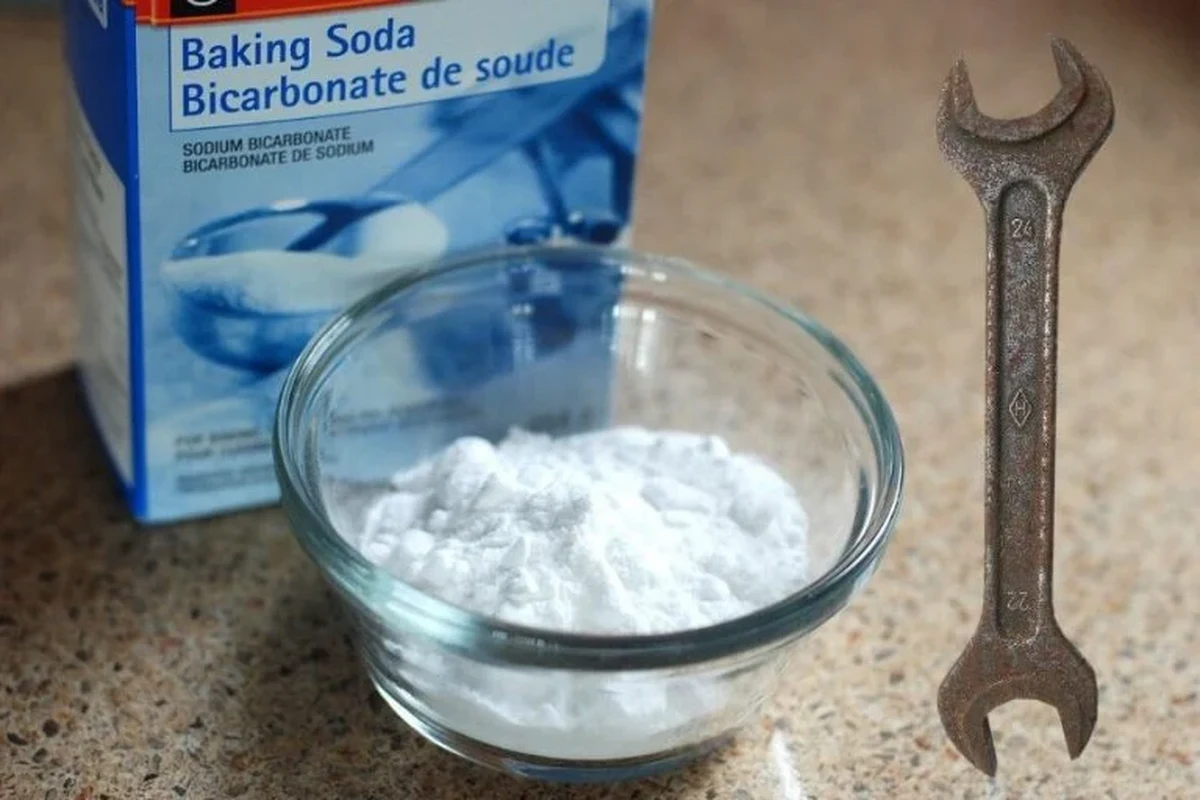
Baking soda helps loosen rust because it is mildly abrasive and can be turned into a spreadable paste. That makes it useful when rust sits on top of a surface rather than eating deep into the metal.
Why baking soda works as a mild abrasive and paste cleaner
When mixed with a small amount of water, baking soda forms a gritty paste that can rub away oxidation and grime. It is not a chemical rust converter, but it can help break the bond between light rust and the surface underneath.
Baking soda is often useful on rust because it cleans mechanically first, then helps you wipe away loosened residue with less scratching than many harsher scouring powders.
Best surfaces for rust removal: metal tools, sinks, grates, and hardware
Rust remover baking soda is most practical on sturdy metal items such as hand tools, oven racks, sink stains, grill grates, and screws or brackets. These surfaces can usually handle a paste, light scrubbing, and a thorough rinse.
If you are cleaning kitchen equipment, make sure the item is cool and disconnected from heat or power before you start. For appliances and cookware, always follow the manufacturer’s cleaning directions when they are more specific than general home cleaning advice.
When baking soda is not enough: deep corrosion, painted finishes, and delicate materials
Once rust has pitted the metal, baking soda usually cannot restore the missing material. It may improve the look, but deep corrosion often needs a stronger remover, sanding, refinishing, or replacement.
Use extra caution on painted finishes, plated hardware, aluminum, chrome, and decorative coatings. A paste that is safe on plain steel can dull or scratch a finish that is thin or fragile.
Do not use baking soda aggressively on delicate coatings, nonstick surfaces, or items with unknown finishes. If you are unsure about compatibility, test a hidden spot first and stop if the surface changes color, turns cloudy, or feels rough.
How to Mix Rust Remover Baking Soda Paste for Fast Results
The best paste is thick enough to stay in place but not so dry that it crumbles. A good starting point is a small bowl of baking soda with just enough water to make a spreadable texture.
Ideal baking soda-to-water ratio for thick, spreadable paste
There is no single exact ratio that works for every job, because brand, humidity, and how much rust you are treating all matter. Start with about three parts baking soda to one part water, then adjust slowly until the paste holds together like soft frosting.
If the paste runs, it will not stay on vertical areas. If it is too dry, it will not cling well and may fall off before it has time to work.
Optional boosters: vinegar, lemon juice, salt, or dish soap and when to avoid them
Some people add vinegar or lemon juice for extra cleaning power, and that can help with grime. But acids can also react with metal, so use them carefully and only for short contact times, especially on sensitive surfaces.
Salt can increase scrubbing action, but it can also be more abrasive and may leave residue if not fully rinsed. A few drops of dish soap can help cut grease on dirty tools or racks, but too much soap makes the paste slippery and harder to control.
If rust is light and the item is already clean, plain baking soda and water are often the safest first choice. Boosters are better reserved for stubborn buildup, and even then, only after a spot test.
Choosing the right consistency for vertical, flat, and small-item cleaning
For vertical surfaces, use a thicker paste so it clings without dripping. For flat items like pans or racks, a medium paste spreads more evenly and is easier to scrub in circles.
For small hardware, make a paste that is just wet enough to coat the item without turning into a slurry. Small parts are easy to over-soak, which can leave moisture trapped in threads and seams.
Step-by-Step Method for Cleaning Rust with Baking Soda
A careful process gives better results than heavy scrubbing alone. The goal is to remove loose rust, let the paste sit long enough to soften the stain, and then dry the item fully so the problem does not return quickly.
Pre-cleaning: removing grease, dust, and loose rust before treatment
Wipe the surface first so oil and dust do not block the paste from touching the rust. If the item has loose flakes, brush them away gently before applying anything wet.
This matters because rust remover baking soda works better on exposed oxidation than on a greasy film. If the surface is dirty, you may end up rubbing grime around instead of lifting the rust.
- Remove loose debris with a dry brush or cloth
- Make sure the item is cool and unplugged if applicable
- Test a hidden spot on coated or plated surfaces
- Keep a dry towel nearby for immediate drying
Application time, scrubbing pressure, and dwell time for light versus stubborn rust
Spread the paste over the rusted area and let it sit for several minutes before scrubbing. For light rust, a short dwell time may be enough; for stubborn spots, you may need to reapply and repeat rather than pressing harder.
Use light to moderate pressure with a non-scratch sponge, cloth, or soft brush. If the rust does not budge, increase the soaking time first, not the force, because harder scrubbing can scratch the base material.
Combine baking soda and a little water until you get a thick, spreadable texture.
Apply an even layer over the stained area and let it sit briefly.
Work in small circles with a soft sponge or toothbrush until the rust starts to lift.
For stubborn rust, reapply the paste instead of using heavier pressure.
Rinsing, drying, and protecting the cleaned surface to slow rust return
Once the rust is loosened, rinse away all paste residue with clean water. Any leftover baking soda can collect in seams and edges, so pay attention to corners, screw heads, and folds.
Dry the item completely right away. On bare metal, a thin protective layer such as food-safe oil for cookware or the appropriate manufacturer-recommended protectant for tools can help slow rust from coming back.
Never leave wet metal to air-dry if rust is your main concern. Moisture is the trigger, so towel-dry first and finish with good airflow before storing the item.
Common Rust Removal Mistakes That Make the Problem Worse
Most rust-cleaning mistakes come from rushing. Too much water, too much force, or too little cleanup can turn a small rust spot into a larger maintenance problem.
Using too much water and creating more corrosion
Baking soda paste should be damp, not soupy. Excess water can spread rust, seep into joints, and leave the metal wet long enough for more oxidation to form.
This is especially important for tools, grates, and hardware with seams or moving parts. Use the smallest amount of moisture that still lets the paste spread smoothly.
Scrubbing with overly harsh tools that scratch or strip finishes
Steel wool, razor blades, and rough pads can remove rust, but they can also remove the finish underneath. Once the protective layer is damaged, the surface may rust again faster than before.
For most home jobs, start with a sponge, microfiber cloth, nylon brush, or old toothbrush. If a stronger tool seems necessary, stop and reconsider whether the item needs a different treatment.
The rust is lighter, but the surface now looks scratched or cloudy.
The cleaning tool was likely too aggressive for the finish. Switch to a softer scrubber next time and use less pressure, especially on chrome, plated hardware, and polished metal.
Leaving residue behind on seams, edges, and hidden corners
Paste residue left in seams can trap moisture and continue to irritate the surface. That is one reason rust sometimes returns near hinges, screw holes, and folded edges after a cleaning that looked successful at first.
Use a damp cloth to wipe the area clean, then follow with a dry cloth. For textured or detailed pieces, a toothbrush helps reach small corners without over-wetting the item.
Best Use Cases for Rust Remover Baking Soda in the Home and Kitchen
Rust remover baking soda is most useful when you need a simple, low-cost first step. It is especially handy for items that are not deeply corroded and can be dried thoroughly after cleaning.
Cast iron care, oven racks, sink stains, and small hand tools
Cast iron, oven racks, stainless sinks, and hand tools are common candidates because they are sturdy and easy to rinse. For cast iron, be careful not to overdo wet scrubbing, since seasoning and moisture control matter as much as rust removal.
For oven racks and sink stains, the paste can help remove orange discoloration and surface grime. If you also want broader maintenance guidance for heat-based appliances, our article on whether air fryers need to preheat covers another common kitchen care question where surface condition and cleaning habits matter.
Cleaning frequency for items exposed to moisture, heat, or salt
Items that sit near sinks, dishwashers, steam, or salty food residue may need more frequent attention. The more often metal is exposed to moisture, the more important it is to dry and store it properly after use.
There is no universal cleaning schedule, because climate, storage, and how often the item is used all change the risk. In humid kitchens or garages, a quick inspection after each use can prevent a larger rust job later.
Examples of where a stronger rust remover is a better choice
If the rust is thick, flaky, pitted, or spreading under paint, baking soda is usually too mild. Commercial rust removers, sanding, or professional refinishing may be more effective depending on the material and the item’s value.
This is also true when the item has moving parts that seize up, or when the finish is already compromised. In those cases, a stronger product or replacement may save time and reduce the chance of further damage.
- Gentle on many sturdy metal surfaces
- Low-cost and easy to mix at home
- Good first step for light surface rust
- Not strong enough for deep corrosion
- Can scratch delicate finishes if used roughly
- Needs careful drying to prevent rust return
Safety Tips, Material Compatibility, and Surface Testing Before You Start
Before using rust remover baking soda, think about the material, the finish, and whether the item comes into contact with food. A quick test can prevent a cleaning shortcut from becoming permanent damage.
Patch testing on stainless steel, aluminum, chrome, and coated surfaces
Stainless steel usually handles gentle cleaning well, but even stainless can show dulling if scrubbed too hard. Aluminum, chrome, and coated surfaces are more sensitive, so test a hidden spot first and wait for any change in color or sheen.
If the item is valuable, decorative, or antique, use extra caution. A small test area is much safer than cleaning the entire surface and discovering the finish has changed.
Food-contact safety considerations for cookware and utensils
For cookware and utensils, rinse thoroughly after cleaning so no paste remains in cracks or rivets. Baking soda itself is common in kitchens, but residue, loosened rust, and any booster ingredients should all be washed away before the item is used again.
For food-contact items, follow recognized food-safety guidance from official sources such as USDA or FDA when you are unsure about cleaning a damaged surface. If a pan or utensil is badly pitted, replacement may be safer than repeated restoration attempts.
Gloves, ventilation, and safe handling when combining cleaning ingredients
Wear gloves if your skin is sensitive or if you are cleaning for a long time. Even mild cleaners can dry hands out, and rust residue can be messy.
If you combine baking soda with vinegar or lemon juice, expect fizzing and keep the area ventilated. Do not mix random cleaning products together, especially anything containing bleach or ammonia, because that can create unsafe fumes.
- Test a hidden area first
- Use soft scrubbers and light pressure
- Rinse and dry immediately after cleaning
- Soaking metal longer than necessary
- Using abrasive pads on polished finishes
- Leaving residue in seams or threads
How to Prevent Rust from Coming Back After Cleaning
Rust prevention is mostly about moisture control. Once the surface is clean, your next step is to keep water, humidity, and salt away from the metal as much as possible.
Drying methods, oiling, and storage habits for metal items
Dry items immediately with a towel, then let them air-dry fully before storage. For tools and cast iron, a light protective oiling may help, but use only products that are appropriate for the item and its intended use.
Store metal in a dry cabinet, drawer, or rack instead of a damp sink area. If an item must live near moisture, inspect it regularly so small spots do not spread.
Humidity control and routine maintenance for kitchens, garages, and workshops
In kitchens, run ventilation when cooking and avoid leaving wet pans in the sink. In garages and workshops, keep metal off concrete floors when possible, because cool surfaces can hold condensation.
If your climate is humid, a dehumidifier or better airflow can make a noticeable difference. Even simple habits, like wiping down tools after use, can reduce the need for repeated rust cleanup.
Practical examples of long-term rust prevention after baking soda cleaning
After cleaning oven racks, dry them completely before putting them back in a warm oven or storage area. After cleaning hand tools, wipe them dry and store them in a toolbox with low moisture instead of leaving them on a bench.
For cast iron, the best follow-up is usually complete drying and proper seasoning care. For sink hardware, check around screws and edges where water tends to collect first.
Final Verdict: When Rust Remover Baking Soda Is the Right Fix
Rust remover baking soda is the right fix when the rust is light, the surface is sturdy, and you want a simple first attempt before moving to stronger products. It is fast enough for surface rust, but it will not reverse deep corrosion or restore damaged finishes.
Recap of the fastest situations, the limitations, and the best next step if rust remains
Use baking soda for small rust spots on tools, racks, sinks, and similar metal items that can be cleaned, rinsed, and dried well. If the rust stays after a few careful rounds, the next step is usually a commercial rust remover, sanding, refinishing, or replacement depending on the item.
Decision guide for choosing baking soda, a commercial rust remover, or replacement
Choose baking soda when the rust is light and you want a gentler option. Choose a commercial rust remover when the corrosion is deeper or the cleanup needs more power. Choose replacement when the metal is pitted, structurally weak, or part of a finish that has already failed.
For home cooks and DIY beginners, the safest approach is to start mild, test first, and dry thoroughly. That method gives rust remover baking soda the best chance to work fast without creating a bigger repair later.
Rust remover baking soda is best for light surface rust on sturdy metal, especially when you need a simple and affordable first step. If the rust is deep, the finish is delicate, or the item is valuable, move to a stronger remover or professional repair instead.
Frequently Asked Questions
A thick paste usually works best, often around three parts baking soda to one part water. Adjust as needed so it spreads easily without running off the surface.
It can help with light surface rust on stainless steel if you scrub gently. Test a hidden spot first, because too much pressure can dull the finish.
You can, but use it carefully because vinegar is acidic and can affect some finishes. For many light rust jobs, plain baking soda and water are the safer first choice.
Let it sit long enough to soften the rust, then scrub gently and check the result. If the rust is stubborn, repeat the process instead of using more force.
It can be used carefully on cast iron for light rust, but avoid soaking the pan or leaving it wet. Dry it fully and re-season or oil it as appropriate.
Use a stronger product when rust is deep, flaky, or pitted, or when baking soda does not improve it after repeated gentle cleaning. Delicate or valuable items may also need a different approach.

