No, baking soda is not a reliable way to kill rats. It is safer and more effective to focus on sanitation, sealing entry points, and proven pest-control methods.
Does baking soda kill rats? The short answer is that it is not a reliable or recommended rat control method. It may be discussed online as a DIY trick, but real-world results are inconsistent, and the safety risks around food, pets, and indoor spaces are easy to underestimate.
- Reliability: Baking soda is not a dependable rat-killing method.
- Safety: Homemade bait can create risks for pets, children, and food areas.
- Best first step: Remove food sources and inspect for entry points.
- Better options: Use traps or licensed pest control for active infestations.
Does Baking Soda Kill Rats: What the Evidence Actually Says
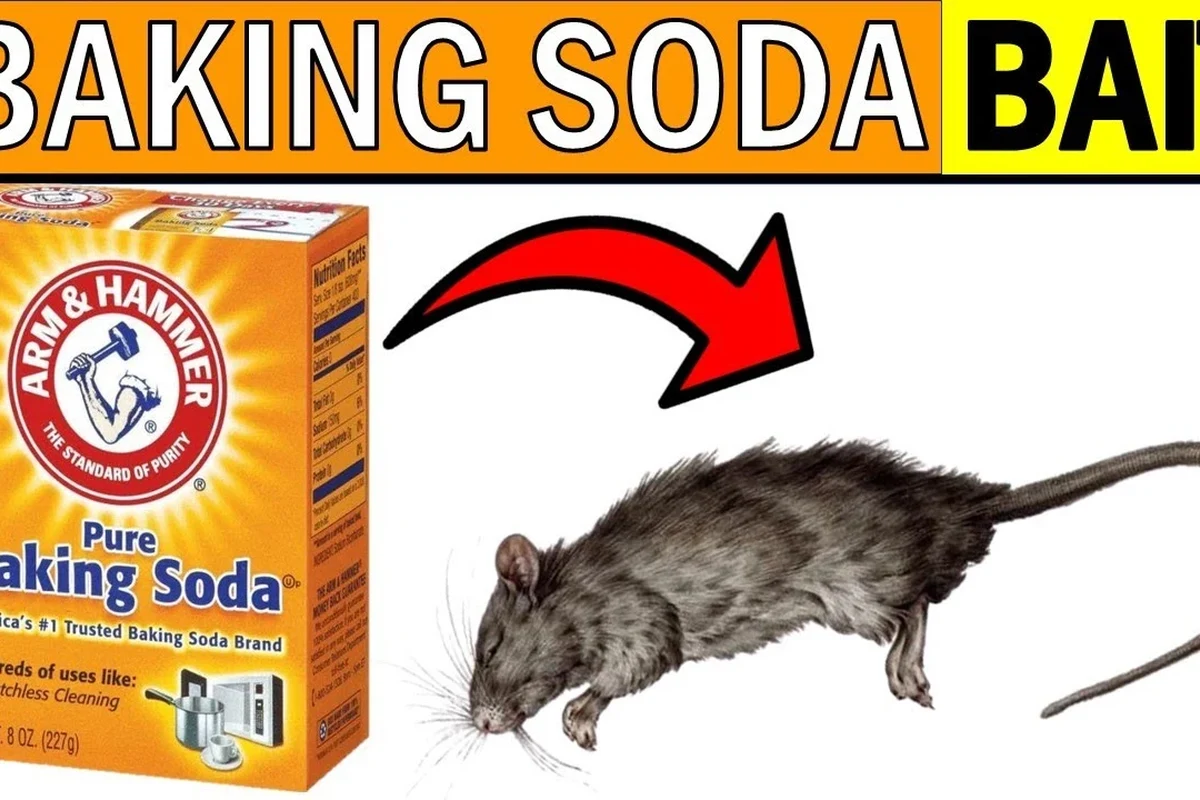
The idea behind this claim is simple: baking soda can release gas in a stomach environment, and some people assume that will be enough to kill a rat. In practice, that theory is much weaker than the internet makes it sound, especially because rats are selective, cautious feeders and do not always eat enough of a homemade mixture for any effect to matter.
This is similar to other home-remedy claims that spread because they sound clever and inexpensive. If you want a broader look at why some pantry-based hacks get repeated so often, our article on a baking soda trick that actually works fast and easy explains how baking soda is often used in completely different kitchen contexts.
Why this claim keeps circulating online
DIY pest-control tips spread quickly because they promise a low-cost fix that uses something already in the kitchen. That is appealing when someone sees droppings, hears scratching in a wall, or finds chewed packaging and wants a fast answer.
The problem is that “popular online” and “dependable in real life” are not the same thing. Rat control depends on behavior, access, sanitation, and exclusion, not just on whether a substance sounds harsh in theory.
What baking soda does chemically in the body
Baking soda is sodium bicarbonate. In an acidic environment, it can react and produce carbon dioxide gas, which is why it is useful in baking and some cleaning tasks.
That chemical reaction does not automatically mean a rat will be harmed in a predictable way. A living animal may eat too little, may metabolize the material differently than people assume, or may simply avoid the bait altogether.
Why the method is often overstated or misunderstood
Many posts leave out the biggest practical issue: a rat must actually consume enough of the mixture for the idea to matter. Even then, the result is not guaranteed, and the method is not a standard pest-control recommendation.
In baking terms, this is a lot like assuming one ingredient will control the final outcome no matter what else is happening in the recipe. In reality, the whole system matters: the bait texture, competing odors, food availability, and the animal’s feeding habits all affect results.
For persistent rat problems, it is better to think in terms of exclusion, sanitation, and verified control methods rather than a single homemade mixture.
How Rats Behave Around Food, Baits, and Strong Odors
Rats are cautious feeders. They often sample new food in small amounts, especially if the smell, texture, or location feels unfamiliar.
That makes DIY baiting difficult. A mixture that sounds logical on paper can fail because the rat never eats enough of it, or because a better food source is available nearby.
Feeding habits that make DIY control difficult
Rats prefer easy, calorie-dense food and often travel along familiar paths. If your kitchen, pantry, or garage has crumbs, open containers, pet food, or spilled grain, those options may be more attractive than a homemade bait.
They also tend to avoid sudden changes in their environment. A new dish, unusual smell, or visible human activity can make them suspicious.
Why rats may avoid homemade mixtures
Homemade mixtures can have strong odors, odd textures, or inconsistent ingredient ratios. That matters because rats do not approach food the way people imagine they would; they are not trying to “test” a theory.
If the bait smells too much like cleaning product, has a dry crumbly texture, or sits in an exposed spot, the rat may ignore it. Even a small difference in ingredients or moisture can change whether a bait looks edible.
Examples of why a bait that works in theory can fail in practice
A bait may fail if there is too much competing food nearby, if the rat is feeding in a hidden area, or if the placement is wrong. In a kitchen, for example, a rat may keep returning to a cabinet gap or wall void instead of open floor space.
In a garage or basement, clutter can create safe routes and nesting spots that make baiting less effective. That is why pest control is usually a process, not a single ingredient.
Rats are neophobic, which means they can be wary of new foods or changes in their surroundings. That caution is one reason many DIY bait ideas underperform.
Safety Concerns for People, Pets, and Indoor Spaces
Any homemade bait placed around the home deserves caution. Even if the goal is to target rats, the real exposure risk often belongs to children, pets, or anyone cleaning the area later.
Food areas also create contamination concerns. A bait that spills, attracts insects, or gets tracked onto shelves can become a bigger nuisance than the original pest issue.
Risks of placing homemade bait where children or pets can reach it
Children and pets do not understand bait placement or intent. A bowl, sachet, or hidden corner can still be reached, knocked over, or investigated.
That is why it is important not to treat a kitchen remedy like a harmless pantry shortcut. If you would not leave it out near food prep surfaces, it should not be used casually as a pest-control experiment.
Do not place homemade bait where pets, children, or food-contact surfaces can reach it. If there is any chance of accidental contact or ingestion, choose a safer, verified control method instead.
Mess, contamination, and cleanup problems in kitchens and pantries
Loose powders and crumbly mixtures can spread easily across shelves, floors, and baseboards. In a pantry, that means cleanup may involve more than sweeping; it may also require checking nearby dry goods for contamination.
When a bait is placed near food storage, the line between pest control and food safety gets blurry quickly. That is especially true if the area already has droppings, gnaw marks, or nesting material.
When a DIY approach creates more risk than benefit
If the home has signs of an active infestation, a DIY mixture can delay real control steps. The longer rats have access to food and shelter, the more likely they are to multiply and spread contamination.
In that situation, the cost of waiting usually outweighs the cost of using proper traps, sealing entry points, or calling a licensed professional.
If you find droppings in cabinets or along baseboards, clean carefully and avoid dry sweeping that can stir dust. Follow recognized public-health guidance for rodent cleanup and ventilation.
Common Misconceptions About Baking Soda Rat Control
One reason this topic causes confusion is that people mix up “possible in theory” with “reliable in a home setting.” Those are very different standards.
Another issue is that online advice often skips the practical details that determine success, such as where the bait goes, what else the rats can eat, and how quickly the source of the problem is addressed.
The myth that baking soda works like a guaranteed poison
Baking soda is not a guaranteed poison for rats, and it should not be treated like one. A claim may sound strong because it uses scientific language, but the real-world outcome is not consistent enough to depend on.
That matters because pest control should be based on predictable results, not wishful thinking. If the method cannot be counted on, it is not a good primary solution.
Confusion between repelling rats and killing rats
Some people talk about baking soda as if it repels rats, while others claim it kills them. Those are not the same thing, and neither claim is well supported as a dependable home remedy.
A substance that smells unpleasant to humans may still not stop a rat from entering a space if food and shelter are available. Repelling, reducing visits, and eliminating an infestation all require different strategies.
Why social media advice can skip the hard parts of pest control
Social posts often leave out the unglamorous work: finding entry points, removing food sources, and checking hidden nesting areas. That work is less exciting than a one-ingredient hack, but it is what actually changes the problem.
It is a bit like baking without measuring. A shortcut may look simple online, but if the fundamentals are off, the result is unreliable.
- Cheap and easy to find in most kitchens
- May seem convenient for a quick experiment
- Not a dependable rat-control method
- Can create cleanup and safety problems
- May delay more effective action
More Reliable Ways to Handle a Rat Problem
If you suspect rats, start with the basics that make the home less inviting. That usually means removing food access, reducing clutter, and blocking entry points.
These steps are not glamorous, but they are the foundation of effective control. They also align better with recognized public-health guidance than relying on a homemade bait.
Sanitation steps that remove food and nesting access
Store dry goods in sealed containers, clean up crumbs quickly, and do not leave pet food out overnight if you can avoid it. Empty trash regularly and check under appliances, behind bins, and inside pantry corners.
Rats are much harder to manage when the home offers steady food and shelter. A cleaner space does not guarantee the problem ends, but it removes the conditions that help it grow.
Sealing entry points and reducing shelter areas
Look for gaps around pipes, vents, doors, and utility openings. Rats can use surprisingly small access points, so even a gap that seems minor may matter.
Clutter also gives them hiding places. Reducing cardboard piles, stored fabric, and unused items in basements or garages can make the area less attractive and easier to inspect.
When traps, professional pest control, or licensed products make more sense
For an active infestation, traps and professional help are often more practical than a pantry remedy. Licensed products and pest-control services are designed for the job, but they still need to be used according to label directions and local rules.
If you are unsure which option fits your situation, a licensed pest professional can help assess the severity, locate access points, and recommend a plan that addresses the whole problem instead of one symptom.
Practical Scenarios: When Baking Soda Might Be Tried and Why It Often Falls Short
People usually reach for baking soda after a minor sighting, a late-night noise, or a single dropped piece of food that suggests rats may be nearby. That is understandable, but the scale of the problem matters.
A one-off sighting is different from a home with droppings, gnawing, and repeated activity. The more established the infestation, the less sense it makes to rely on a homemade mixture.
Minor sightings versus an active infestation
If you saw one suspicious sign, your first move should be inspection, not baiting. Check for droppings, chewed packaging, greasy rub marks, and nesting material before deciding what to do next.
If you see repeated signs in multiple rooms, the issue is probably bigger than a quick DIY fix. At that point, focusing on exclusion and professional guidance is more efficient.
Kitchen, garage, and basement situations
Kitchens are the highest-risk area because food is present and cleanup matters most. Garages and basements often have clutter, stored boxes, and hidden corners that make them easy to overlook.
In all three spaces, a homemade bait can be hard to place safely and hard to monitor. If you cannot track whether the bait is being touched, eaten, or spilled, you do not have much control over the outcome.
What results people expect versus what usually happens
People often expect quick disappearance of the rats and no further signs. In reality, even effective control takes time, and the first signs of improvement may simply be fewer droppings or less nighttime activity.
With baking soda, many people expect a neat, low-cost solution. What usually happens is either no clear result or a temporary distraction from the larger sanitation and exclusion work that still needs to be done.
What Baking Pastry Schools Recommends for Safe, Smart Decision-Making
Our editorial team recommends treating baking soda rat control as an unproven home idea, not a dependable solution. Before trying any remedy, ask whether it is actually safer, cleaner, and more effective than the alternatives.
That mindset matters in the kitchen, where food safety and pest control overlap. A method that seems simple can still create contamination or delay the steps that truly solve the issue.
How to think critically about home remedies before using them
Ask three questions: Will it work consistently? Is it safe around food, pets, and children? Does it solve the cause of the problem, or only mask it?
If the answer is weak on any of those points, the remedy probably does not belong in a serious pest-control plan. A careful, evidence-based approach is usually the smarter choice.
Signs that the issue needs professional help
Call for help sooner if you notice repeated droppings, gnawing on food packaging, wall noises, or signs that rats are nesting. You should also escalate quickly if the problem is in a food-prep area, rental property, or shared building.
If cleanup feels unsafe or the infestation seems larger than expected, do not keep experimenting. A licensed pest-control provider can help with assessment and treatment options, while public-health guidance can help you clean and disinfect safely.
Final recap: the safest, most effective next step
So, does baking soda kill rats? It is not a reliable answer, and it should not be your main plan. The safer and more effective path is to remove food sources, seal openings, and use proven control methods when needed.
If you want fewer surprises in the kitchen, focus on the basics that actually change rat behavior. That is the practical route, and it is the one most likely to protect your home, your food, and the people in it.
- Inspect for droppings, gnaw marks, and entry points
- Store food in sealed containers
- Use traps or licensed help when needed
- Relying on baking soda as a guaranteed fix
- Leaving homemade bait near children or pets
- Ignoring sanitation while waiting for results
Frequently Asked Questions
No, it is not a reliable rat control method. Results are inconsistent and depend on too many variables to trust as a main solution.
Not if it is left out as homemade bait where it can be reached. Any pest-control material should be kept away from children, pets, and food-contact surfaces.
Rats are cautious feeders and may avoid unfamiliar smells, textures, or locations. They may also choose easier food sources nearby.
Inspect for entry points, clean up food sources, and reduce clutter. If signs continue, use traps or contact a licensed pest professional.
Yes, loose powder or crumbly mixtures can spread onto shelves, floors, and stored food areas. That creates extra cleanup and possible contamination concerns.
Call sooner if you see repeated droppings, gnawing, nesting signs, or activity in a kitchen or pantry. A licensed pest professional can help assess the problem and recommend a safer plan.
