
Baking Soda Trick That Actually Works Fast and Easy

The baking soda trick works when you match it to the right task: baking, odor control, or light cleaning. It fails when you use too much, skip the acid in recipes, or expect it to solve problems it was never meant to fix.
The phrase “baking soda trick” can mean very different things depending on whether you want better baking, faster odor removal, or a quick cleaning paste. Used correctly, baking soda is a simple, low-cost ingredient that can work fast, but only when the method matches the job.
- Best use: Pair baking soda with acid in recipes for reliable lift.
- Fastest cleaning use: Mix a small paste for light kitchen residue.
- Odor control: Fresh, dry baking soda works best in enclosed spaces.
- Main risk: Too much baking soda can taste bitter and leave residue.
- Safety first: Test delicate surfaces before scrubbing with any paste.
What the “Baking Soda Trick” Actually Means in 2026
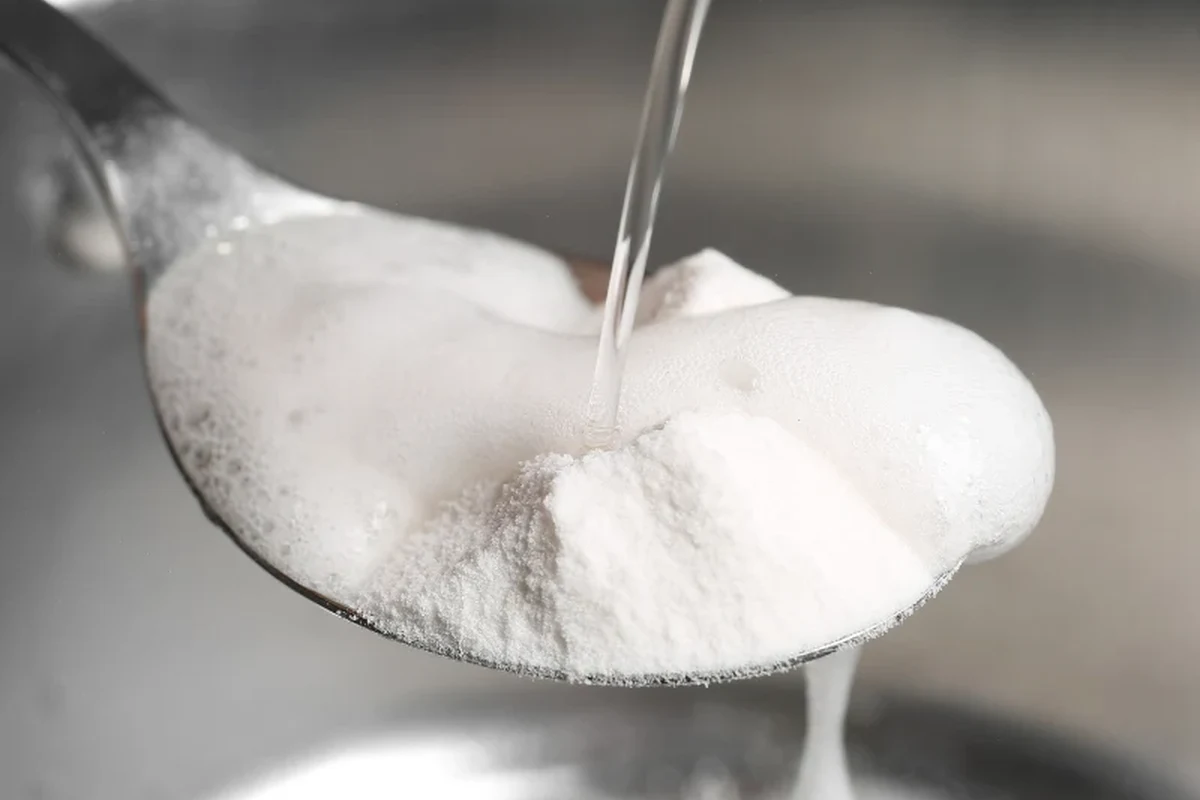
In 2026, this search term is still broad because people use it for almost any quick fix involving baking soda. Some are looking for a baking shortcut, while others want a cleaning hack or an odor solution that feels instant.
Why this search term is so broad and often misunderstood
Baking soda is not one trick with one result. It is a chemical leavener in baking, a mild deodorizer in storage spaces, and a gentle abrasive in cleaning paste, so the “trick” changes based on the goal.
That is why advice online can sound contradictory. A method that helps a cake rise may do nothing for a smelly shoe, and a cleaning paste that works on a sink may be too harsh for a delicate finish.
The most common baking soda shortcuts people are really looking for
Most people searching for a baking soda trick want one of three things: faster rise in baked goods, odor control in closed spaces, or a quick way to scrub kitchen residue. These are the most practical uses, and they are also the ones where the ingredient’s chemistry is easiest to explain.
If you are mainly interested in baking results, it helps to understand leavening and acidity first. If your goal is cleaning, the key is contact time and surface compatibility, not just how much powder you sprinkle.
How Baking Soda Works in Baking, Cleaning, and Odor Control
Baking soda works because it is alkaline and reacts with acids. In baking, that reaction releases carbon dioxide gas, which helps batters and doughs lift and spread in the oven.
The science behind alkalinity, acid reaction, and carbon dioxide release
When sodium bicarbonate meets an acid such as buttermilk, yogurt, lemon juice, vinegar, molasses, or natural cocoa, it starts producing gas. That gas creates bubbles in the batter, and heat from the oven helps set the structure around those bubbles.
In cleaning, the same mild alkalinity helps loosen greasy residue and neutralize some odors. For odor control, baking soda does not “cover up” smells; it can help absorb or reduce them in enclosed spaces when used in the right amount.
Why timing matters for fast results
Timing matters because the reaction starts as soon as baking soda meets moisture and acid. In baking, you want that gas to be trapped and baked quickly before it escapes.
For cleaning, timing matters in a different way. A paste or sprinkle needs enough contact time to loosen residue or reduce odor, but not so much that it dries into a stubborn film.
If you are using baking soda in a recipe, mix the batter and get it into the oven promptly. Delays can reduce the lift because the gas begins forming before the batter is set.
Fast Baking Soda Tricks That Actually Work
The best baking soda tricks are the ones that respect the ingredient’s limits. It is fast, but it is not magical, and it works best when the other ingredients and surfaces are chosen carefully.
Using baking soda to help baked goods rise when paired with the right acid
Baking soda can help muffins, quick breads, cookies, and cakes rise when the recipe includes enough acid to activate it. A classic example is a batter made with buttermilk or yogurt, where the acid and baking soda work together for immediate leavening.
In practical terms, you want a balanced formula. Too little acid and the soda may not fully react; too much and the batter can taste flat or overly tangy. For more on oven behavior that affects rise and browning, see our guide to air fryer preheating basics, since quick heating changes how fast structure sets.
Using baking soda to reduce odors in refrigerators, shoes, and storage containers
Baking soda can help reduce common household odors in a refrigerator, a pair of shoes, or a storage bin. The simplest method is to place a small open container of fresh baking soda in the space and replace it when it stops helping.
For shoes or containers, a light sprinkle or a breathable sachet is usually better than dumping in a large amount. Odor control depends on airflow, freshness, and the source of the smell, so baking soda works best on mild to moderate odors rather than strong contamination.
If the odor comes from spoiled food, mold, or a leak, baking soda is only a temporary helper. The source still needs to be cleaned or removed.
Using baking soda paste for quick surface cleaning in kitchens
A baking soda paste is one of the most common fast-cleaning tricks because it is simple to mix and easy to spread. Combine baking soda with just enough water to make a thick paste, then apply it to greasy spots, dried-on residue, or stained areas on compatible surfaces.
Let it sit briefly, then wipe with a damp cloth and rinse well. This is especially useful on sinks, stovetops, and some cookware exteriors, but it should be tested first on any finish that scratches easily.
Measurements, Ratios, and Method: Getting the Trick Right
Small measurement errors matter more with baking soda than many beginners expect. Because the ingredient is powerful relative to the amounts used, even a little too much can affect flavor, texture, and browning.
Common baking ratios for batters, doughs, and cleaning pastes
For baking, the exact ratio depends on the recipe’s acidity, flour amount, and desired texture, so there is no single universal formula. Most reliable recipes specify the baking soda amount because it must match the acid level and total batter volume.
For cleaning, a paste usually starts with baking soda plus a small amount of water until it becomes spreadable, not runny. For odor control, a dry open dish or breathable sachet is often more useful than a wet mixture because moisture can reduce the freshening effect.
Baking soda and baking powder are not interchangeable. Baking powder already contains acid, while baking soda needs an acidic ingredient in the recipe to work properly.
How much baking soda is too much
Too much baking soda can leave a soapy or bitter taste and can also darken baked goods more than intended. In cleaning, using too much can leave a chalky residue that takes extra rinsing to remove.
If a recipe tastes metallic or has an odd alkaline note, excess baking soda is a common cause. In that case, the issue is usually formula balance, not baking time.
Mixing, waiting, and applying at the right moment
For baking, mix only until the batter is combined, then bake promptly so the gas stays trapped in the structure. For cleaning, apply the paste, wait a short period, and then wipe before it dries hard.
For odor control, place fresh baking soda in a clean, dry container and give it time to work. If the space is extremely humid or the odor source is strong, results may be slower and less noticeable.
Measure accurately and match baking soda with an acid ingredient when the recipe requires it.
Get the batter into the oven quickly so the carbon dioxide helps the structure rise before it sets.
Let the baked item cool so the crumb firms up and the final texture becomes stable.
Common Mistakes That Make the Baking Soda Trick Fail
Most failures come from using baking soda as a shortcut without checking the recipe or surface. The ingredient is useful, but it is not forgiving when the method is off.
Using too much baking soda and leaving a bitter aftertaste
Overusing baking soda is one of the fastest ways to ruin flavor. The finished result may taste bitter, salty, or oddly chemical, especially in delicate cakes or cookies.
The fix is to measure carefully and follow a formula that already accounts for acidity. If you need more lift, the better answer is usually to adjust the recipe rather than simply add more soda.
Skipping the acid ingredient in baking applications
If a recipe uses baking soda without enough acid, the soda may not fully react. That can leave a flat taste, poor rise, or a coarse crumb.
This is why many recipes pair baking soda with buttermilk, brown sugar, yogurt, citrus, sour cream, or natural cocoa. When the acid is missing, baking powder may be the better choice, depending on the recipe structure.
Expecting baking soda to work after it has been stored poorly
Baking soda can lose usefulness if it absorbs odors or moisture from storage. A box kept open in a damp pantry may still look fine but perform less effectively.
If your results have become inconsistent, check the storage conditions before blaming the recipe. Fresh ingredient quality matters just as much as technique.
Baked goods rise unevenly or taste bitter.
Check the soda amount, verify that an acid ingredient is present, and confirm the soda is fresh and stored dry.
Safety, Surface Compatibility, and When Not to Use Baking Soda
Baking soda is generally considered a mild household ingredient, but that does not mean it is safe for every surface or recipe. A careful approach prevents scratches, residue, and food quality problems.
Materials and finishes that need caution, including delicate stone and coated surfaces
Use caution on delicate stone, polished finishes, and coated surfaces, because even a mild abrasive can leave dull spots or fine scratches. Always test a small hidden area first if you are unsure.
For cookware and appliances, follow the manufacturer’s care instructions. If a finish is nonstick, sealed, or specialty-coated, a gentler cleaner may be the better choice.
Do not scrub delicate stone, glossy coatings, or unknown finishes aggressively with baking soda. A gentle test spot is safer than trying to remove a stain quickly and damaging the surface.
Food safety concerns when using baking soda in recipes
In baking, the main concern is not poisoning but balance, freshness, and safe handling of other ingredients. Follow standard food safety practices for eggs, dairy, and raw flour, and keep work surfaces clean to reduce cross-contact.
If a recipe seems to rely on baking soda as a fix for spoilage, discard the food instead. Baking soda does not make unsafe ingredients safe.
When a different ingredient or cleaner is the better choice
Use baking powder when a recipe needs both acid and leavening in one ingredient. Use a dedicated cleaner when you need disinfecting, heavy degreasing, or mold removal, since baking soda is not a substitute for those jobs.
For stubborn appliance or surface questions, check official care guidance first. That is especially important for coated baskets, liners, and specialty kitchen tools, where the wrong cleaner can shorten the life of the item. If you are comparing kitchen tools, our article on air fryer liners safety covers why material compatibility matters.
Storage, Shelf Life, and Signs Baking Soda Has Lost Effectiveness
Storage affects how well baking soda works, especially if you use it for both food and cleaning. A fresh, dry box performs more reliably than one that has sat open near strong odors or steam.
How to store baking soda for baking versus cleaning use
For baking, keep baking soda sealed, dry, and away from pungent foods so it does not absorb stray odors. For cleaning, many people keep a separate box or container so the kitchen supply is not contaminated by sink residue or bathroom use.
This separation is practical and safer. It also helps you avoid putting a cleaning box into a recipe by mistake.
Simple freshness checks and replacement timing
A common freshness check is to combine a small amount of baking soda with vinegar or another acid and watch for fizzing. Strong fizzing suggests the soda is still active, though this is only a general check, not a lab test.
If the reaction is weak or the powder smells stale, replace it. For cooking, many home cooks replace baking soda regularly because the cost is low and the risk of weak performance is not worth it.
Final Verdict: When the Baking Soda Trick Is Worth Using
The baking soda trick is worth using when you want a fast, simple result and you understand the job it is meant to do. It shines in quick breads, odor control, and light kitchen cleaning, especially when you measure carefully and use it fresh.
Best use cases for quick, easy results
Use baking soda when a recipe has a clear acid partner, when you need a temporary odor reducer, or when a surface needs a mild cleaning paste. These are the situations where the ingredient is practical, affordable, and easy to control.
A good rule is to match the method to the problem. That is what makes the trick actually work instead of just sounding clever.
Situations where the trick is overhyped or not the right solution
Baking soda is overhyped when people expect it to replace a full cleaner, fix a badly balanced recipe, or erase a strong odor source on its own. It also is not the best choice for every finish, every stain, or every kitchen problem.
If you want a quick win, use it where chemistry supports the result and avoid stretching it beyond that. For readers who like practical kitchen comparisons, our guide to whether air fryer liners work shows a similar idea: the right tool helps, but only in the right use case.
The baking soda trick works fast when you pair it with the right acid in baking, use it fresh for odors, and apply it gently for cleaning. It is a smart basic tool, but it works best as part of the right method, not as a universal fix.
Frequently Asked Questions
It depends on the recipe’s acidity, flour amount, and desired texture. Follow the recipe closely because too much can cause bitterness and poor balance.
Not always. Baking soda needs an acidic ingredient to react, while baking powder already includes acid and is designed for different formulas.
Bitter flavor usually means there was too much baking soda or not enough acid to balance it. Measure carefully and use a recipe that is written for baking soda.
Yes, it can help reduce mild odors in enclosed spaces like refrigerators, shoes, and storage containers. It works best when the source of the odor has already been cleaned or removed.
No. Test it first on delicate stone, glossy coatings, and unknown finishes because even a mild abrasive can dull or scratch some surfaces.
Keep it sealed, dry, and away from strong odors or moisture. For best results, many people keep separate boxes for baking and cleaning.