
Chocolate Chips Cookies Without Baking Soda Easy Recipe
Chocolate chip cookies without baking soda can still bake up soft and delicious if you adjust the leavener, mixing, and chill time. The best results usually come from accurate measuring, gentle mixing, and watching for set edges instead of waiting for deep browning.
Chocolate chip cookies can be made without baking soda, and the result can still be soft, chewy, and satisfying. The key is to adjust the leavener, mixing method, and bake time so the cookies hold their shape and brown well.
- Leavener choice: Baking powder is the easiest substitute when baking soda is missing.
- Texture control: Chilling the dough helps prevent excess spread and improves thickness.
- Measuring matters: Weight measurements reduce flour errors and improve consistency.
- Doneness cue: Pull cookies when edges are set and centers still look slightly soft.
What “Chocolate Chips Cookies Without Baking Soda” Means in a 2026 Baking Search
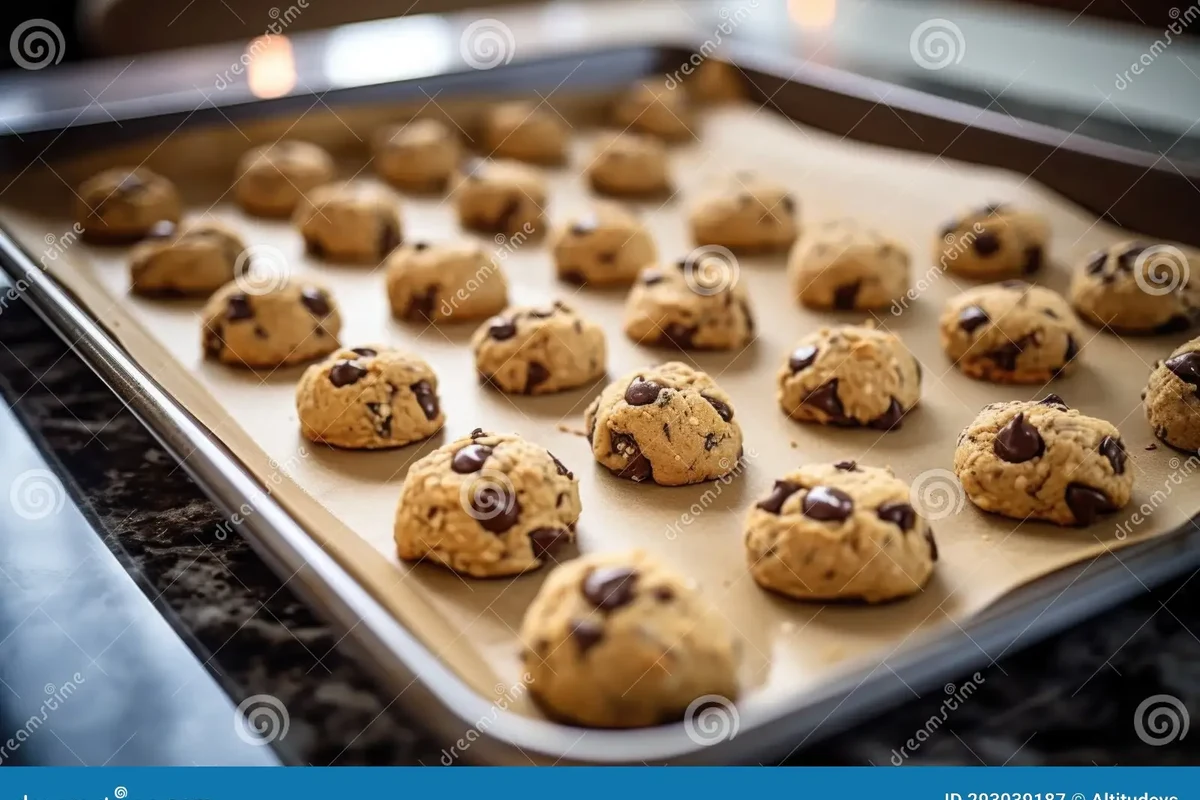
When home bakers search for chocolate chips cookies without baking soda, they are usually looking for a workable substitute or a recipe that uses no baking soda at all. In most cases, the goal is simple: avoid a missing ingredient, reduce a soapy aftertaste from overuse, or make cookies with a slightly different texture.
This topic also reflects a practical kitchen reality. Many bakers start a recipe, realize the pantry is short one item, and want to know whether the batch can still succeed. That is especially common in everyday baking, where small ingredient changes can have a noticeable effect on spread, lift, and browning.
Why home bakers look for baking soda substitutes
Baking soda is a base that reacts with acidic ingredients and helps cookies spread, brown, and rise. If it is missing, some bakers switch to baking powder, while others simply leave it out and accept a denser cookie.
People also look for substitutes when they want a milder flavor or when the recipe already contains enough lift from other ingredients. For a broader look at kitchen ingredient swaps and equipment questions, you may also find why preheating matters in baking appliances useful when comparing heat behavior in different setups.
How omitting baking soda changes spread, browning, and texture
Without baking soda, cookie dough usually spreads less and browns more slowly. The cookies can stay thicker, paler, and sometimes a little tighter in crumb, depending on the flour and sugar balance.
That does not automatically mean the cookies are worse. It simply means the final texture shifts toward a more compact, sometimes softer bite instead of the classic wide, crackly cookie many people expect.
Ingredient Roles That Matter More When Baking Soda Is Missing
When baking soda is removed, every other ingredient has a bigger job. The flour structure, butter softness, sugar type, egg moisture, and chocolate chip distribution all help decide whether the cookies turn out tender, cakey, or flat.
Flour, butter, sugar, eggs, and chocolate chips: what each one does
Flour provides structure through gluten and starch. Butter adds flavor and tenderness, while sugar helps with spread, browning, and moisture retention. Eggs bind the dough and add protein, which helps the cookies set in the oven.
Chocolate chips matter more than many beginners expect because they interrupt the dough and change how heat moves through each cookie. A dough with a high chip load may feel richer and thicker, but it can also be harder to judge by sight if the centers are still underdone.
Using baking powder, self-rising flour, or no leavener at all
Baking powder is the most common substitute because it already contains both an acid and a base. It gives gentler lift than baking soda and usually produces a softer, more cake-like cookie unless the formula is adjusted.
Self-rising flour can also work, but it already includes leavening and salt, so the rest of the recipe must be reduced carefully. If you use no leavener at all, expect a denser cookie with less rise and less spread, which can be a good choice for a thick, bakery-style result.
Ingredient brands vary. Butter water content, flour protein level, and the strength of baking powder can all change the final cookie more than many home bakers expect.
How ingredient temperature affects cookie structure
Softened butter creams more easily with sugar, trapping air that helps lift the dough. Cold butter limits that aeration and usually gives a thicker, less spread cookie, while melted butter can encourage more spread and a denser chew.
Eggs at room temperature blend more smoothly into the butter mixture, which helps the dough emulsify. If the dough looks curdled or greasy, the temperature difference between ingredients may be part of the problem.
Best Measuring and Mixing Approach for Reliable Results
Because baking soda is missing, accurate measuring becomes even more important. Small differences in flour or butter can change whether the cookies bake up thick and tender or flat and greasy.
Why weight measurements can outperform cup measurements
Weight measurements reduce variation, especially for flour. A cup of flour can be packed lightly or heavily, and that difference can make cookies dry, puffy, or overly dense.
If you are baking without baking soda, this matters even more because you have less chemical lift to correct an imbalanced dough. A scale gives you a more repeatable result from batch to batch.
How to cream butter and sugar for lift without baking soda
Cream the butter and sugar until the mixture looks lighter in color and a little fluffy. That step adds air, which helps the cookies rise even when baking soda is not present.
Do not rush it. Under-creamed butter can make the dough heavy, while over-creaming can add too much air and cause the cookies to collapse slightly as they bake.
When to stop mixing to avoid dense or greasy cookies
Once the flour goes in, mix only until the dry streaks disappear. Overmixing develops gluten and can make the cookies tough instead of tender.
If the dough looks shiny or oily, the butter may be too warm or the dough may have been mixed too long. In that case, chilling the dough before baking often helps restore structure.
- Measure flour by weight when possible
- Cream butter and sugar until light
- Stop mixing as soon as the flour is incorporated
- Adding extra flour to “fix” spread without checking the dough
- Using warm, greasy butter straight from a hot kitchen
- Beating the dough after the flour is already blended
Method Variations for Chocolate Chip Cookies Without Baking Soda
There is no single best version. The right method depends on whether you want chewiness, thickness, softness, or a more neutral flavor.
Best when you want a familiar cookie with moderate lift, softer edges, and a balanced crumb.
Best when you want less spread, a taller profile, and a more bakery-style center.
Classic chewy version with baking powder
This version replaces baking soda with baking powder, usually in a smaller amount than you might think because baking powder is already complete leavening. The result is often slightly puffier and softer than a classic soda cookie.
For best results, bake until the edges are set and the centers still look a little underdone. They will continue to firm up as they cool.
Thicker, softer version with chilled dough
Chilling the dough firms the butter and slows spread in the oven. This is one of the easiest ways to keep cookies thick when there is no baking soda helping the dough expand quickly.
This version works well if you like a soft center and a more compact bite. It is also helpful when your kitchen is warm or your baking sheet is dark and tends to brown bottoms quickly.
Egg-free or reduced-sugar adjustments and their tradeoffs
Egg-free cookies can be made, but the dough may need another binder and the texture may become more fragile or sandy. Reduced-sugar cookies are also possible, yet sugar does more than sweeten; it helps with tenderness, spread, and browning.
These variations are useful for specific preferences, but they change the cookie structure in noticeable ways. If you make them, expect to adjust chilling time, bake time, and possibly the amount of liquid in the dough.
If you use raw eggs or raw flour in cookie dough, follow recognized food safety guidance from official sources such as USDA or FDA. Raw flour and raw eggs can carry harmful bacteria, so do not taste uncooked dough unless the recipe is designed for safe consumption.
How to Judge Doneness, Texture, and Color Without Overbaking
Cookies without baking soda can look paler than expected, so color alone is not always enough. Use the edges, center, and surface texture together to judge when they are ready.
Mix the dough gently, then chill if you want less spread and a thicker cookie.
Watch for set edges and a slightly soft center; the exact time depends on oven calibration, pan material, and cookie size.
Let cookies rest on the pan briefly before moving them to a rack so they finish setting without drying out.
Visual cues for soft centers and set edges
The edges should look set and lightly golden, while the center should still appear a little soft or underbaked. If the whole cookie looks dry and fully firm in the oven, it may end up overbaked once cooled.
For chewy cookies, pull them when the middle still has a slight sheen. For firmer cookies, wait until the center is just barely set.
How baking time changes with pan type and cookie size
Dark pans absorb more heat and can brown the bottoms faster. Light-colored pans reflect more heat, which may give you a paler cookie and a slightly longer bake.
Larger cookies need more time, while smaller ones can overbake quickly. Oven rack position also matters, since the top and bottom heating pattern can vary by appliance model.
Common signs the cookies were underbaked or baked too long
Underbaked cookies may fall apart when moved too soon and can taste raw in the middle. Overbaked cookies usually feel dry, crumbly, or hard at the edges once cooled.
If the cookies spread too little and stay pale, the dough may have been too cold, the oven too cool, or the leavener too weak. If they dry out, the bake time was likely too long or the flour amount too high.
Cookies spread too much or stay too pale.
Chill the dough, confirm the oven temperature with an oven thermometer if possible, and check that your baking powder is fresh. Too-soft butter or too much sugar can also cause excess spread.
Common Mistakes Bakers Make When Skipping Baking Soda
Most problems come from trying to replace baking soda without adjusting the rest of the recipe. A cookie formula is a system, and one missing ingredient can shift the whole result.
Cookies that spread too much or stay too pale
Too much spread often means the dough was warm, the butter was overly soft, or the flour ratio was too low. Pale cookies can happen when there is not enough browning sugar in the dough or when the oven runs cool.
Chilling the dough, using a proper amount of flour, and making sure the oven is fully preheated usually help. If you want a different appliance perspective, the same heat-control principles discussed in our air fryer electricity guide also explain why stable heat matters in baking.
Flat, cakey, or dry texture from imbalanced leavening
Too much baking powder can make cookies taste a little bitter or give them a cakey texture. Too little can leave them dense and heavy, especially if the dough is also low in moisture.
Dry cookies usually point to too much flour, too long a bake, or a batter that was mixed too aggressively. In cookie baking, a small change in balance often matters more than a big change in technique.
Problems caused by expired baking powder or incorrect oven temperature
Baking powder loses strength over time, especially if it is stored in a warm or humid cabinet. If a recipe depends on it as the main leavener, expired powder can leave the cookies flat and disappointing.
Incorrect oven temperature is another common issue. An oven that runs hot can overbrown the edges before the center sets, while an oven that runs cool can leave the cookies pale and underdone.
Use caution when handling hot pans and melted butter. Let baking sheets cool between batches if they are warping or becoming too hot, and keep oven mitts dry for a secure grip.
Storage, Freshness, and Food Safety for Homemade Cookie Batches
Once the cookies are baked, proper cooling and storage help protect texture and freshness. If the dough includes eggs or dairy, safe handling matters before and after baking.
Cooling, storing, and freezing baked cookies
Cool cookies on the baking sheet for a few minutes, then move them to a rack so steam can escape. If you store them while still warm, trapped moisture can make the bottoms soft.
Keep baked cookies in an airtight container once fully cool. For longer storage, freeze them in a sealed bag or container and thaw at room temperature when needed.
How to refrigerate or freeze dough for later baking
Cookie dough often benefits from refrigeration because the flour hydrates and the butter firms up. This can improve flavor and help control spread, especially in recipes without baking soda.
You can also freeze portioned dough balls for later baking. Bake from chilled or frozen as needed, but expect the timing to change slightly based on dough temperature and oven performance.
Safe handling tips for eggs, butter, and leftover dough
Use clean tools and keep raw dough away from ready-to-eat foods to avoid cross-contact. If the recipe contains eggs, refrigerate the dough promptly and do not leave it at room temperature for long periods.
For raw flour and egg safety, follow current USDA and FDA guidance. If you need a more detailed appliance safety perspective for high-heat countertop cooking, see our article on whether air fryers are dangerous for general kitchen risk awareness.
Final Recap: When a Baking-Soda-Free Chocolate Chip Cookie Recipe Is the Right Choice
Chocolate chip cookies without baking soda are a smart choice when you want a thicker cookie, a milder flavor, or a recipe that works with what you already have in the pantry. They are also useful when you want to control spread more tightly through chilling and careful mixing.
Best use cases for this recipe style in home baking
This style works well for soft, compact cookies, small batch baking, and situations where baking powder is the only available leavener. It is also a good option when you want a less dramatic rise and a more controlled shape.
What to expect in flavor and texture compared with traditional cookies
Compared with traditional baking-soda cookies, these cookies are often a little less browned, a little less spread out, and sometimes more tender or cakey depending on the substitute. The flavor stays familiar, but the texture is usually more restrained.
Practical decision guide for choosing the right variation
If you want the closest match to a classic cookie, use baking powder and keep the dough well chilled. If you want a thicker, softer result, reduce spread by chilling longer and handling the dough gently. If you want the simplest structure, leave out the leavener entirely and accept a denser cookie with a more compact bite.
For most home bakers, chocolate chips cookies without baking soda are best when you want dependable thickness and a softer, less spread-out texture. Start with accurate measuring, fresh leavener if you use one, and careful bake-time control, then adjust the next batch based on how your oven and pan behave.
Butter temperature can change cookie spread as much as the leavener does. Slightly cooler butter usually gives a thicker cookie, while very soft butter encourages more spread.
Frequently Asked Questions
Yes. Baking powder, chilled dough, and careful mixing can still produce soft, chewy cookies with good structure.
Baking powder is the most common substitute. Self-rising flour can also work, but you must reduce other ingredients because it already contains leavening and salt.
Baking soda helps cookies spread and brown faster. Without it, the dough usually holds its shape more and bakes into a thicker cookie.
Look for set edges and a center that still looks slightly soft. The cookies should finish setting as they cool on the pan and rack.
Yes. Chilling the dough often improves control over spread and can make the cookies thicker and softer.
Raw flour and raw eggs can carry food safety risks, so uncooked dough should not be eaten unless the recipe is specifically designed to be safe.

