Baking soda can freshen light dishwasher loads and help with mild residue, but it is not a full replacement for modern dishwasher detergent. For best results, use it sparingly and follow your dishwasher manual.
Baking soda dishwasher detergent can be a helpful backup or booster, but it is not a full replacement for modern dishwasher detergent in most homes. Used the right way, it can freshen loads, reduce odors, and help with light cleaning without adding harsh fragrance or heavy residue.
- Best use: Baking soda is most useful for odors, light soil, and occasional boosting.
- Main limit: It cannot match the enzymes and surfactants in a true dishwasher detergent.
- Safety first: Too much powder can leave film, clog filters, or dull glassware.
- Water matters: Hard water often needs rinse aid or a detergent made for mineral control.
- Most practical approach: Use baking soda as a helper, not the only cleaner.
What Baking Soda Dishwasher Detergent Is and Why People Still Use It in 2026
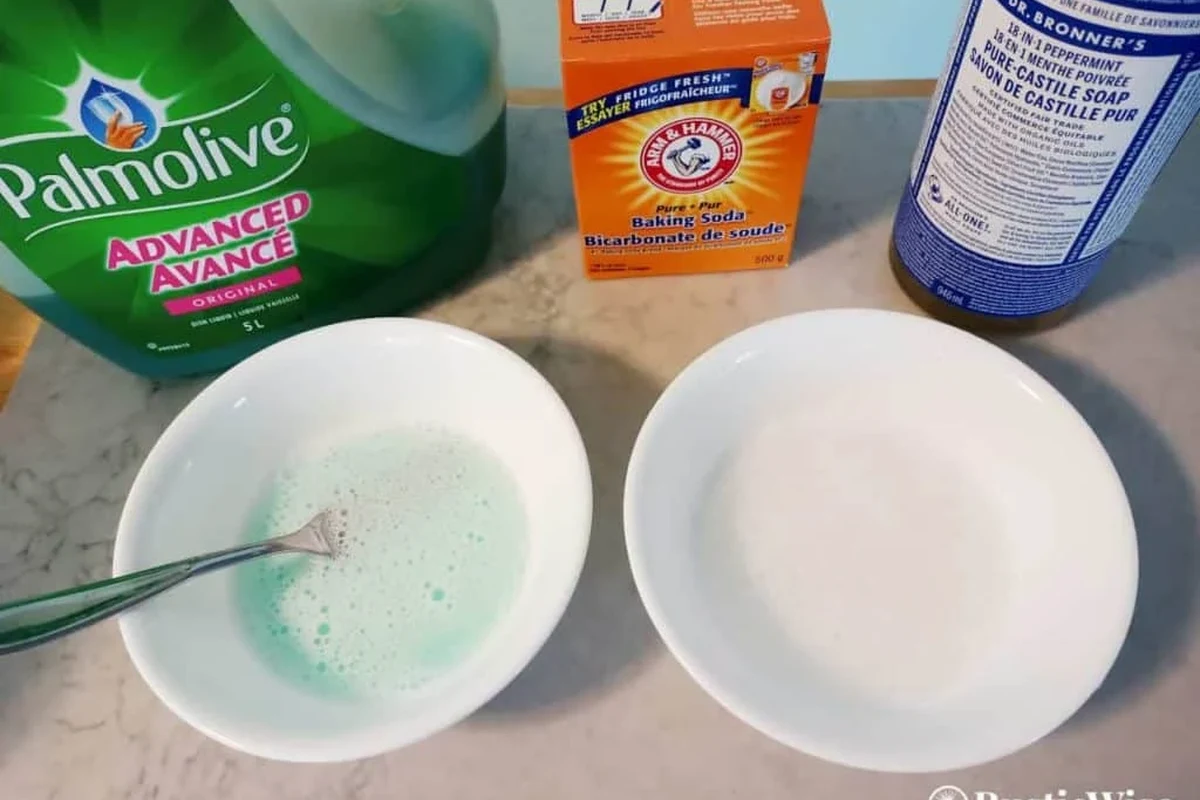
Baking soda dishwasher detergent usually means using sodium bicarbonate by itself or alongside a standard dishwasher detergent. People still use it in 2026 because it is inexpensive, familiar, and easy to keep on hand for quick cleaning jobs. It also fits well into a low-fragrance or more minimalist kitchen routine.
That said, baking soda works differently from a true dishwasher detergent. It is best understood as a helper ingredient, not a complete cleaning system for every load.
How baking soda works in dishwashing: deodorizing, mild abrasion, and pH support
Baking soda helps by neutralizing some odors rather than masking them. In the dishwasher, that can matter when the machine smells stale or when a few dishes were left waiting after a meal.
It also has a mild abrasive quality, which can help loosen soft film on dishes and glassware. Because it is mildly alkaline, it can support cleaning by helping break down some greasy residue, though that effect is much gentler than what a formulated detergent provides.
Baking soda is often used in kitchens because it is gentle enough for many surfaces, but that same gentleness is also why it cannot do all the work of a modern dishwasher detergent.
What it can and cannot replace compared with modern dishwasher detergent
Baking soda can help with odors, light soil, and some surface residue. It cannot reliably replace enzymes, surfactants, and water-softening agents found in many commercial dishwasher detergents.
If you want clean plates after a greasy dinner, a casserole dish with baked-on sauce, or glasses with mineral film, a formulated detergent is usually the better primary cleaner. Baking soda is more useful as a supplement or occasional alternative for lighter loads.
- Low cost and widely available
- Helps reduce odors
- Can support light cleaning and freshening
- Not a complete detergent replacement
- Weak on baked-on grease and protein stains
- May leave film if overused
Best Use Cases for Baking Soda in the Dishwasher
The best time to use baking soda is when the load is not heavily soiled and your goal is freshness, not deep cleaning. It can also be useful when you are trying to stretch supplies or keep the dishwasher smelling cleaner between full cycles.
Freshening lightly soiled loads and reducing odors between full washes
If dishes are only lightly dirty, baking soda can help reduce lingering smells from eggs, fish, coffee, or stored containers. It is especially useful when a load has been sitting in the dishwasher and you want a cleaner smell before running it.
This is one reason some households keep baking soda near the dishwasher, much like they keep it near the sink for quick cleanup. For related appliance-cleaning questions, it can help to read guidance on whether air fryer baskets are dishwasher safe, because similar material and coating concerns apply when choosing cleaning methods.
Boosting cleaning performance in hard-water or greasy dish loads
Baking soda may give a small boost when water is hard or when dishes have a thin greasy coating. In those cases, it can help loosen some residue and reduce sour odors left behind by food particles.
Still, hard water often needs a different solution, such as a detergent made for mineral control, a rinse aid, or a dishwasher cleaner designed for scale. If the water is very hard, baking soda alone will not usually stop spotting or cloudy glass.
Hard water problems are often caused by dissolved minerals, not by food soil alone. That means a cleaning method that works in one home may perform very differently in another.
When it makes sense for eco-conscious or budget-minded households
Baking soda appeals to people who want a simple ingredient with few added fragrances or dyes. It can also make sense when budget is tight and you need a low-cost option for occasional use.
Even then, it is wise to think of it as a partial solution. A small amount of baking soda may be enough for a freshening cycle, but a full sink of greasy dinnerware usually needs a stronger detergent for reliable results.
How to Use Baking Soda Safely in a Dishwasher
Using baking soda in a dishwasher is straightforward, but too much can create residue or reduce cleaning performance. The goal is to use just enough to help, not enough to coat the machine or dishes.
Recommended amounts and placement in the dishwasher cycle
For most home dishwashers, a small amount is the safest place to start, such as a light sprinkle in the detergent cup or on the bottom of the tub, depending on your machine’s manual. Because models differ, check the manufacturer instructions before adding anything outside the normal detergent compartment.
If you are using baking soda as a booster, pair it with the detergent your machine is designed for. That approach gives you the cleaning chemistry you need while still getting the deodorizing benefit of baking soda.
Do not pour large amounts of baking soda into the dishwasher at once. Excess powder can cling to dishes, clog filters, or leave a dull haze on glassware.
Best pairing methods with detergent, rinse aid, or vinegar alternatives
The most dependable method is to use baking soda with a standard dishwasher detergent, not instead of it. If your machine and detergent brand support rinse aid, that can help reduce spotting and improve drying.
Some people use vinegar in dishwashing routines, but appliance makers often caution against routine vinegar use because it may affect rubber seals or certain parts over time. Always follow the dishwasher manual first, and if you want a vinegar alternative, a rinse aid designed for dishwashers is usually the safer choice.
If you are trying baking soda for the first time, use it on a lightly soiled load and watch the result on glassware and flatware before making it part of your regular routine.
Common mistakes that can leave residue, dull glassware, or poor cleaning results
The biggest mistake is using baking soda as the only cleaner for heavily soiled dishes. Another common issue is overfilling the machine, which blocks water spray and makes any cleaner seem weaker than it really is.
Using too much powder can also leave a chalky feel on cups or make glass look cloudy. If that happens, reduce the amount, switch back to detergent for the main wash, and run a cleaning cycle if the dishwasher itself has buildup.
- Use a small amount with regular detergent when needed
- Check your dishwasher manual before changing routines
- Rinse off heavy food scraps before loading
- Replacing detergent completely for greasy loads
- Using extra powder to “make it stronger”
- Ignoring cloudy film or drainage problems
Compatibility: Dishwasher Types, Materials, and Water Conditions
Baking soda is generally gentle, but dishwasher results still depend on the appliance, the materials inside it, and the water coming into the machine. A method that looks fine in one kitchen can be less effective in another.
How baking soda performs in standard, compact, and high-efficiency dishwashers
In a standard dishwasher, baking soda may help freshen the tub and support light cleaning. In a compact model, the smaller wash chamber can make powder buildup more noticeable if you use too much.
High-efficiency dishwashers often rely on controlled water use and carefully balanced detergent formulas. In those machines, a small amount of baking soda may still be fine, but the detergent compartment and cycle design matter more than an extra scoop of powder.
Effects on stainless steel, glass, ceramic, plastic, and coated cookware
Baking soda is usually safe on stainless steel, glass, and most ceramic dishes when used sparingly. It is also generally gentle on many plastics, though plastics can hold odors and films more easily than other materials.
Coated cookware needs more caution. Nonstick and specialty coatings can be sensitive to abrasion, so it is better to follow the cookware maker’s guidance rather than assume baking soda is always safe in the dishwasher.
If you are checking other dishwasher-safe items, similar caution applies to products like air fryer accessories; see the guide on whether air fryer baskets are dishwasher safe for the kind of material checks that matter before washing coated tools.
Hard water, soft water, and mineral buildup considerations
In hard water, baking soda may help a little with odor and light residue, but it does not remove mineral content from the water itself. That is why spotting, film, and dull glass can still happen even when the dishes look clean.
In soft water, cleaning can be more efficient, but too much cleaning product may leave residue more easily. If your water is soft, use even less baking soda and rely on the detergent amount recommended by the machine or detergent label.
Cleaning Power vs. Limitations: What to Expect from Baking Soda Alone
The honest answer is that baking soda alone works best on light soil and odors. It is not the best choice for tough kitchen messes that need enzymes, surfactants, and stronger grease-cutting action.
Stuck-on food, baked-on grease, and protein stains
Baked-on cheese, dried egg, and greasy casserole residue are hard for baking soda to handle by itself. These foods cling because heat changes their structure, so they often need a detergent built to break down proteins and fats.
If you have a pan or bowl with stubborn residue, scrape first and choose a stronger wash cycle. For especially heavy buildup, a pre-rinse or soak is often more effective than adding extra baking soda.
Cloudy glass, film, and spots on dishes
Cloudy glass is often linked to mineral deposits, etching, or leftover detergent film. Baking soda may reduce odor and light haze, but it will not always solve the root cause.
If glassware stays dull after several washes, check water hardness, detergent amount, rinse aid use, and whether the dishwasher filter needs cleaning. Sometimes the problem is not the cleaner at all, but water temperature, spray coverage, or a blocked filter.
Glasses come out with a white film or chalky look after using baking soda.
Use less baking soda, return to a proper dishwasher detergent, and check for hard-water buildup or an overdue filter cleaning.
Situations where a commercial detergent or machine cleaner works better
A commercial dishwasher detergent is usually the better choice for full loads, greasy cookware, and mixed dishware with different soil levels. Machine cleaners are also more effective when the dishwasher itself has trapped grease or mineral buildup.
If the machine smells bad even after cleaning, the issue may be in the filter, spray arms, drain line, or gasket area. In that case, a cleaner made for dishwashers is more useful than extra baking soda.
Safety, Storage, and Maintenance Tips for Long-Term Use
Like any kitchen ingredient, baking soda works best when stored well and used with a little care. Good storage also helps prevent clumping and contamination.
Keeping baking soda dry and contamination-free in the kitchen
Store baking soda in a sealed container away from steam, sink splashes, and strong odors. Once it absorbs moisture, it can clump and measure unevenly.
Do not scoop with a wet spoon or use a container that has been touched by dirty dishwater. A clean, dry measuring spoon keeps the powder usable and helps you avoid transferring grease back into the box.
Protecting dishwasher seals, filters, and spray arms from buildup
Even gentle powders can create problems if they are overused. The filter can collect powder and food particles, and spray arms can lose efficiency if their holes become partially blocked.
Check the filter regularly and rinse it according to the dishwasher manual. If you notice reduced spray, lingering grit, or poor drainage, stop experimenting and clean the machine before trying more baking soda.
Always follow your dishwasher manufacturer’s cleaning instructions first. If the manual warns against certain additives, that guidance should override general internet advice.
When to stop using baking soda and check for appliance issues
If dishes keep coming out dirty, cloudy, or gritty, the issue may be mechanical rather than chemical. Common causes include a clogged filter, blocked spray arm, low water temperature, or weak water pressure.
When those signs show up, it is better to inspect the dishwasher than to keep adding more powder. At that point, a proper machine cleaning and a check of the appliance manual will usually help more than another batch of baking soda.
Final Verdict: Is Baking Soda Dishwasher Detergent Worth Trying?
Baking soda dishwasher detergent can be worth trying when you want a low-cost, low-fragrance way to freshen lightly soiled loads or support your regular detergent. It is also useful for households that like simple pantry solutions and do not expect heavy-duty cleaning every time.
Who benefits most from this method and who should skip it
It works best for lightly used dishes, odor control, and occasional booster use. People with heavily soiled cookware, frequent greasy meals, or persistent hard-water problems should usually skip baking soda as a stand-alone cleaner.
If you want a broader kitchen-safety perspective on appliance care, you may also find it helpful to read about appliance fire concerns in the kitchen, since proper maintenance and manufacturer guidance matter across all countertop and built-in equipment.
Practical decision guide for everyday households in 2026
If your dishes are lightly dirty and you want a fresher-smelling load, baking soda can be a useful add-on. If you need reliable cleaning for everyday family meals, use a proper dishwasher detergent and treat baking soda as a helper, not the main product.
That is the most practical rule for 2026: use baking soda for support, not as a full replacement, and let your dishwasher manual and water conditions guide the final choice.
Baking soda is a smart backup for light cleaning and odor control, but most households will still need a true dishwasher detergent for consistent results. Use it sparingly, pair it with the right cleaner, and check your machine’s manual before making it part of your routine.
Frequently Asked Questions
Usually no. Baking soda can help with odors and light soil, but it does not replace the full cleaning action of a formulated dishwasher detergent.
Start with a small amount and follow your dishwasher manual. Too much can leave residue or reduce cleaning performance.
Sometimes it may help with light film, but cloudy glass is often caused by hard water or etching. A rinse aid, proper detergent, and water-hardness control usually work better.
It is generally gentle on stainless steel, glass, and ceramic, but coated cookware and specialty items should follow the manufacturer’s care instructions.
Only if your dishwasher manual allows it, and usually not as a routine habit. Vinegar can be harsh on some parts over time, so a dishwasher-safe rinse aid is often a better choice.
Switch back to a proper dishwasher detergent and check for loading problems, clogged filters, blocked spray arms, or hard-water buildup.
