
Baking Soda Dishwasher Soap for Sparkling Clean Dishes
Baking soda can freshen a dishwasher and help with light cleaning, but it should not replace detergent for greasy or heavily soiled dishes. Use it as a support tool, and rely on proper maintenance, rinse aid, and descaling when needed.
Baking soda dishwasher soap is a simple, low-cost cleaning helper that many home cooks still reach for in 2026. It can freshen a dishwasher, reduce odors, and support a regular cleaning routine, but it is not a full replacement for modern detergent on tough loads.
- Best role: Baking soda helps with odor control and light freshening.
- Main limit: It is not a full substitute for dishwasher detergent.
- Safe use: Use small amounts and avoid overfilling the dispenser.
- Better results: Clean filters, check spray arms, and use rinse aid if needed.
- Smart choice: Switch to descaler or detergent for hard water and greasy loads.
What Baking Soda Dishwasher Soap Is and Why Home Cooks Still Use It in 2026
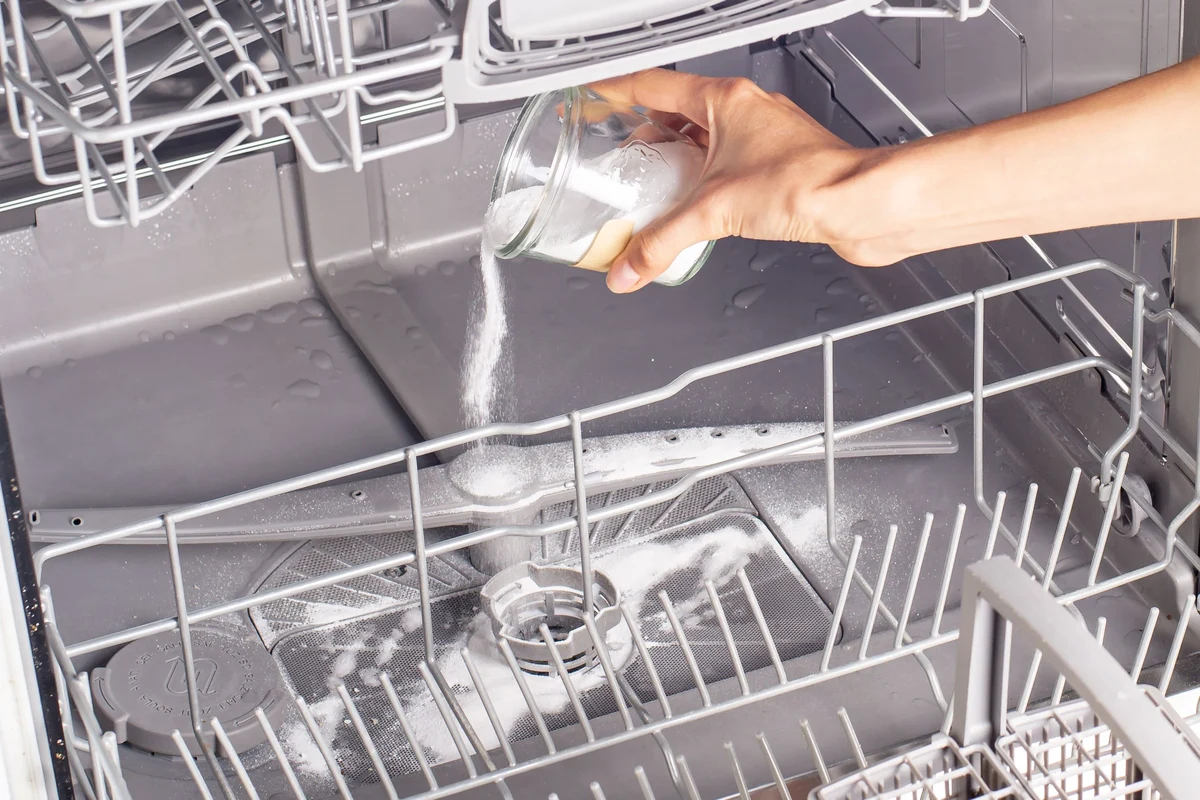
When people say baking soda dishwasher soap, they usually mean plain baking soda used in the dishwasher as a cleaning aid. It is not a true detergent, but it can be useful because it is mild, widely available, and easy to use.
Many kitchens keep it on hand for more than one job, from deodorizing the fridge to helping with dish cleanup. If you also use it for baking, it is worth understanding how it behaves in an appliance, especially if you are comparing it with other cleaning habits like those discussed in our guide to dishwasher-safe air fryer baskets.
How baking soda works as a mild abrasive and odor neutralizer
Baking soda is sodium bicarbonate. In the dishwasher, it helps in two main ways: it can gently loosen some soft residue, and it can reduce lingering smells by balancing acids and absorbing odors.
That mild action is useful on film, light food traces, and stale smells, but it is gentle by design. It does not have the same grease-cutting surfactants and enzymes found in most dishwasher detergents.
Baking soda is alkaline, which is part of why it can help neutralize acidic odors and make some light residue easier to rinse away.
What it can and cannot do compared with modern dishwasher detergents
Baking soda can help with freshness and light cleaning, but it has limits. Modern detergents are formulated to break down grease, protein, starch, and baked-on food far better than baking soda alone.
For everyday dirty dishes, detergent still does the heavy lifting. Baking soda is better thought of as a support product, not the main cleaner, especially when you want reliable results in a modern machine.
- Helps reduce odors
- Can freshen lightly soiled loads
- Inexpensive and easy to find
- Weak on grease and baked-on food
- May leave residue if overused
- Not a full detergent substitute
Best Use Cases for Baking Soda in the Dishwasher
The best results usually come when baking soda is used for maintenance, odor control, or light cleanup. It is less useful on a casserole dish with dried cheese or a pan with roasted oil.
Freshening lightly soiled loads and removing lingering odors
If a load has glasses, plates, and utensils with only a light film, baking soda can help the dishwasher smell cleaner. This is especially handy when the machine sits closed for a day or two and develops a stale odor.
It can also help after washing foods with strong smells, such as fish, garlic, or eggs. The point is not to “deep clean” the dishes by itself, but to make the machine and load smell more neutral.
Boosting cleaning in hard-water homes and between deep-clean cycles
In homes with hard water, mineral buildup can make dishes look dull or leave a chalky film. Baking soda may help a little with surface freshness, but it does not remove heavy limescale the way a dishwasher descaler can.
Used between deeper maintenance cycles, it can support a cleaner-feeling wash. If your machine also struggles with buildup in the spray arms or filter, baking soda alone will not solve that problem.
When it makes sense for glassware, bakeware, and everyday dishes
Glassware and everyday dishes are the most realistic use cases. Baking soda can be a reasonable add-on when you want a low-drama cleaner for routine loads that are not heavily greasy.
For bakeware, the result depends on what was cooked in it. A lightly used sheet pan may benefit, while a pan with caramelized sugar or roasted fat usually needs proper detergent and sometimes a pre-soak.
Results vary by dishwasher model, water hardness, detergent brand, and how dirty the load is. What works for a lightly soiled breakfast load may not work for a dinner load with baked-on sauce.
How to Use Baking Soda Safely in a Dishwasher
Using baking soda in the dishwasher is simple, but the amount and placement matter. Too much can leave powdery residue or interfere with normal washing action.
Typical measurement ranges and where to place it in the machine
A small amount is usually enough. Many home cooks start with a few tablespoons in the bottom of the tub or in the detergent compartment, but the right amount depends on the machine and the load size.
Do not pack it tightly into the dispenser. Baking soda should stay loose enough to dissolve and move with the wash water.
- Scrape off large food scraps first
- Check your dishwasher manual for cleaner guidance
- Make sure the filter is clean
- Use dry, free-flowing baking soda
Using it alone versus combining it with detergent
For most loads, the best approach is to use baking soda with detergent, not instead of it. Detergent handles grease and food particles, while baking soda can help with odor control and a cleaner-smelling finish.
Using baking soda alone may be acceptable for very light loads, but it is rarely the best choice for real-world family dishes. If you want reliable cleaning, detergent should remain the main product.
Never mix cleaning products unless the label or manufacturer instructions clearly allow it. Avoid combining baking soda with bleach-based cleaners or other chemicals in a closed appliance unless the product directions specifically say it is safe.
Cycle selection, water temperature, and rinse-aid considerations
Choose a normal or light cycle for lightly soiled dishes, and use a heavier cycle for food that is stuck on. Water temperature matters because warmer water helps dissolve soil and move cleaning agents through the machine.
Rinse aid is still useful if your dishes come out spotted or dull. Baking soda does not replace rinse aid, especially in hard-water homes where mineral spots are common.
Materials, Dishwasher Types, and Compatibility Concerns
Most dishwasher-safe materials can handle baking soda in normal amounts, but there are exceptions. The main concern is not the soda itself as much as the overall wash environment, including water hardness, heat, and the item’s finish.
Stainless steel, plastic, glass, and nonstick items
Stainless steel, glass, and many dishwasher-safe plastics usually tolerate baking soda well. The issue is more likely to be residue than damage, especially if too much powder is used.
Nonstick items need extra caution. Even if they are labeled dishwasher-safe, repeated harsh washing can shorten the life of the coating, so always follow the cookware maker’s instructions.
If a pan, bottle, or container is not labeled dishwasher-safe, hand-wash it instead. Dishwasher heat and detergent action can warp plastics, dull finishes, or damage coatings even if baking soda seems mild.
High-efficiency dishwashers, compact models, and older machines
High-efficiency and compact dishwashers use less water, so powder that does not dissolve well can be more noticeable. In those machines, a smaller amount is usually safer than a heavy scoop.
Older machines may tolerate a wider range of cleaning habits, but they can also have weaker filtration or worn spray arms. If your machine is older, good maintenance matters as much as the cleaning powder you choose.
Situations where baking soda may leave residue or underperform
If you use too much, wash in cool water, or overload the racks, baking soda can leave a white film. That is more likely on dark plastic, glassware, and items with textured surfaces.
It can also underperform on greasy cookware, dried-on starch, and long-cooked sauces. In those cases, a proper dishwasher detergent or a pre-soak is the better choice.
Dishes come out cloudy or powdery.
Use less baking soda, improve water temperature, and check whether the filter or spray arms need cleaning. Cloudiness can also point to hard water rather than the powder itself.
Common Mistakes That Lead to Poor Cleaning Results
Most bad results come from overusing baking soda or expecting it to do the full job of detergent. A dishwasher is a system, so cleaning performance depends on water flow, filtration, and the chemistry of the wash.
Using too much baking soda and creating cloudy residue
More is not better here. A heavy layer of baking soda can settle on dishes, especially if the cycle uses less water or the load is crowded.
If the machine finishes with a chalky look, reduce the amount next time and make sure the dispenser is not blocked. A cleaner result usually comes from less powder, not more.
Expecting it to replace grease-cutting detergent on heavily soiled loads
Baking soda does not match the grease-cutting power of dishwasher detergent. It can help freshen, but it cannot reliably break down a baked-on lasagna pan or a greasy roasting dish.
For those loads, detergent is the practical choice. If you want a broader comparison of how appliance-safe cleaning habits matter, our article on dishwasher-safe baskets shows why manufacturer instructions matter so much with coated kitchen tools.
Ignoring filter cleaning, spray-arm buildup, and water hardness
A dirty filter can make even a good wash look weak. If food particles are trapped in the filter or spray arms, the water cannot circulate well, and baking soda will not fix that.
Water hardness also changes the outcome. In mineral-heavy water, you may need a descaler, rinse aid, or a dishwasher cleaner designed for scale removal.
- Clean the filter regularly
- Use baking soda as a helper, not the main detergent
- Follow the dishwasher manual
- Dumping in large scoops of powder
- Washing greasy pans with baking soda alone
- Skipping water-hardness treatment when needed
Cleaning the Dishwasher Itself with Baking Soda
Baking soda is often more useful for cleaning the machine than for washing dishes. It can help deodorize the tub and freshen areas that collect residue.
Deodorizing the tub, door seals, and filter area
The inside of the dishwasher can hold odors from old food particles, damp seals, and trapped moisture. Baking soda can help reduce that stale smell, especially when used as part of a routine cleaning cycle.
Pay attention to the door gasket and filter area, where residue often hides. These spots are small, but they make a big difference in how the machine smells and performs.
Step-by-step maintenance routine for monthly upkeep
Start with an empty dishwasher. Remove and rinse the filter if your model has one, then wipe visible grime from the door seal and lower edges.
Next, place a small amount of baking soda in the tub and run a normal cycle, or use the method recommended by your dishwasher manufacturer. Finish by leaving the door slightly open so moisture can escape.
Remove trapped food and rinse the filter according to the manual.
Clean the door seal, edges, and detergent area with a damp cloth.
Use a small amount of baking soda or the cleaning method approved by the manufacturer.
How this differs from cleaning dishes inside the machine
Cleaning the dishwasher itself is about maintenance, not dish performance. The goal is to remove buildup and odor so the machine can do its job better next time.
That is different from trying to wash a full load of dishes. A maintenance cycle can be useful even if you would never rely on baking soda alone for a greasy dinner load.
If your dishwasher smells musty, clean the filter first before adding more powder. Odors often come from trapped food and standing moisture, not from the wash detergent itself.
Safety, Storage, and When to Choose a Different Cleaning Method
Baking soda is generally a household-safe ingredient, but safe use still matters. Good storage and product choice help prevent clumping, residue, and unnecessary appliance problems.
Food-safety and chemical-mixing cautions for households
Keep cleaning products away from food prep surfaces and clearly labeled. If anyone in the home has strong sensitivities or allergies, read product labels carefully and follow official safety guidance from recognized sources such as the FDA or USDA when food-contact questions come up.
Also avoid mixing cleaners unless the label says it is safe. Some combinations can create irritating fumes or damage the appliance.
Storage in a dry container and keeping powder free-flowing
Baking soda absorbs moisture from the air, which can cause clumping. Store it in a dry, sealed container so it stays free-flowing and easy to measure.
If the powder smells stale or has absorbed strong odors, replace it. Fresh powder works more predictably than a box that has sat open in a humid kitchen.
When to switch to commercial detergent, rinse aid, or a descaler
Switch to commercial dishwasher detergent when the load is greasy, heavily soiled, or includes baked-on food. Use rinse aid if you see spots, filming, or poor drying.
If hard water is the main issue, choose a descaler or a dishwasher cleaner designed for mineral buildup. Baking soda can support the routine, but it is not the best tool for every problem.
When Baking Soda Makes Sense
Use baking soda for odor control, light freshening, and simple maintenance. Use detergent and specialty cleaners when you need stronger grease removal or scale control.
Final Verdict: Is Baking Soda Dishwasher Soap Worth Using?
Baking soda dishwasher soap is worth using when your goal is freshness, light maintenance, and a low-cost helper for routine dishwashing. It is not the best choice when you need real cleaning power for greasy or heavily soiled dishes.
Practical decision guide for budget, odor control, and maintenance goals
If you want a simple way to reduce odors between deep cleans, baking soda is a practical option. If your dishes are coming out dull, cloudy, or greasy, focus first on detergent quality, filter cleaning, water hardness, and rinse aid.
Best balanced approach for sparkling dishes in a modern kitchen
The most reliable setup is usually a combination of good dishwasher maintenance, proper detergent, and a small amount of baking soda only when it fits the job. That balanced approach gives you the best chance at sparkling clean dishes without expecting one powder to do everything.
Baking soda is a useful helper, not a full dishwasher soap replacement. Use it for odor control and light freshening, but rely on proper detergent and maintenance for consistently clean dishes.
Frequently Asked Questions
Usually, no. Baking soda can help with odor and light freshening, but it does not match the grease-cutting power of proper dishwasher detergent.
Start with a small amount, such as a few tablespoons, and adjust only if needed. The right amount depends on your dishwasher model, water hardness, and how dirty the load is.
It can if you use too much or wash in cool water. Residue is also more likely in hard-water homes or when the dishwasher filter needs cleaning.
In normal amounts, it is usually fine for dishwasher-safe glass and many plastics. Always follow the item’s care label, especially for coated or delicate pieces.
Yes, it can help deodorize the tub and freshen the machine. For best results, clean the filter and follow your dishwasher manufacturer’s maintenance instructions.
Check the filter, spray arms, rinse aid, and water hardness first. If mineral buildup is the issue, a dishwasher descaler may work better than baking soda.