
How to Clean Strawberries with Baking Soda for Freshness

Baking soda can help loosen dirt and surface residue from strawberries, but it does not disinfect fruit or fix spoiled berries. The best method is a short soak, a thorough rinse, and complete drying before storage or serving.
Cleaning strawberries with baking soda is a simple kitchen habit that can help remove dirt, debris, and some surface residue before you eat or bake with them. The method is easy to do, but it works best when you understand what it can and cannot clean.
- Best ratio: Use a mild baking soda solution, not a heavy paste.
- Best timing: Soak briefly, then rinse and dry right away.
- Freshness tip: Wash close to use time to avoid extra moisture in storage.
- Safety limit: Discard moldy, slimy, or sour-smelling berries.
Why Baking Soda Is Used to Clean Strawberries and What It Actually Does
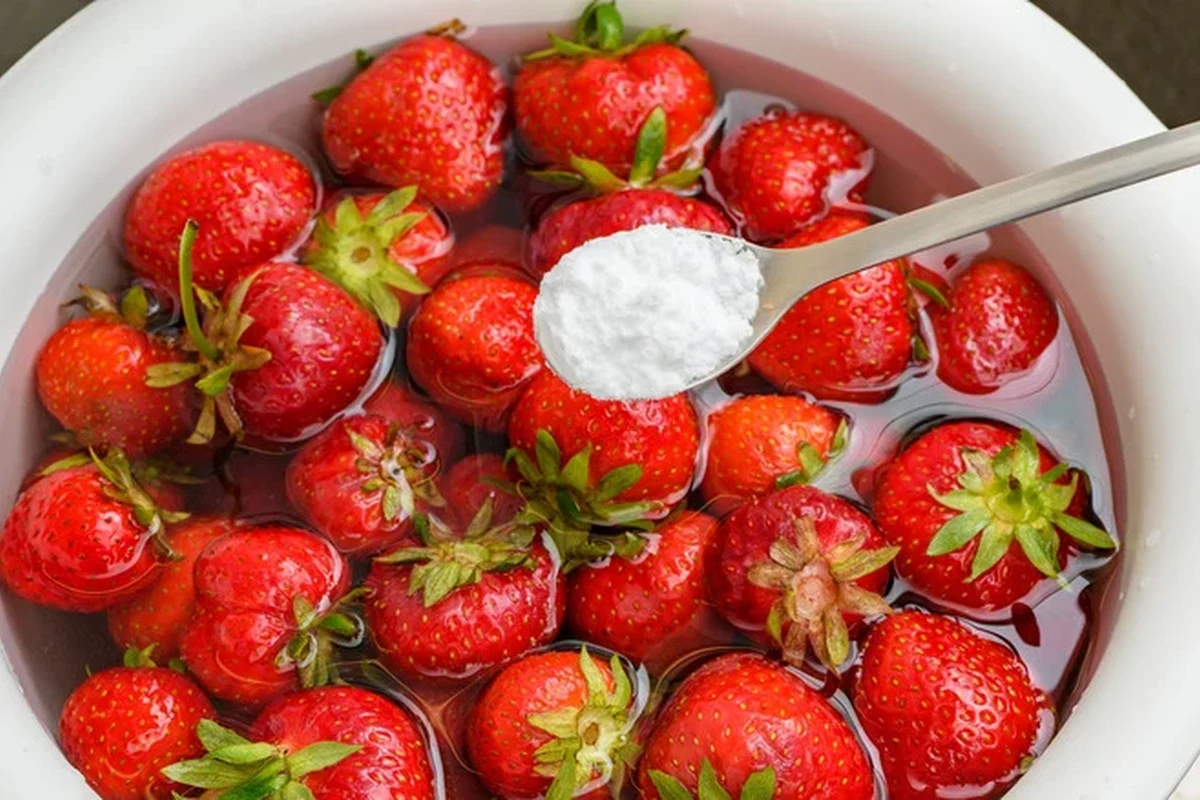
Baking soda is popular for cleaning strawberries because it is mild, inexpensive, and easy to rinse away. In a bowl of water, it can help loosen grit and some sticky surface matter that clings to the berry skin and tiny seeds.
If you want a broader look at how this pantry staple works in cleaning, our guide to baking soda reaction basics explains why it is often used in home kitchen cleanup. For strawberries, though, the goal is not a dramatic reaction. It is a gentle soak that helps lift away what plain rinsing may miss.
How baking soda helps loosen dirt, wax, and some surface residues
Strawberries have a textured surface, so small particles can hide in the tiny dimples around the seeds. A baking soda wash can help dislodge loose dirt and reduce the feel of residue on the skin.
Some shoppers also wonder about wax. Strawberries are not usually waxed the same way some other produce is, but they may still carry handling residue from picking, packing, or transport. Baking soda may help with that surface film, though it is not a magic remover for every contaminant.
What it does not do: limits for bacteria, mold, and pesticide removal
Baking soda is not a disinfectant. It does not reliably kill bacteria, remove mold that has already formed inside damaged berries, or guarantee full pesticide removal.
That is why food safety guidance from recognized sources such as the USDA and FDA matters here: washing produce reduces surface soil, but it does not make spoiled fruit safe. If a berry is soft, leaking, fuzzy, or smells fermented, washing will not fix it.
Do not rely on baking soda to rescue moldy, bruised, or rotten strawberries. Discard berries with visible mold, strong off-odors, or a slimy texture.
How to Clean Strawberries with Baking Soda Step by Step
The safest approach is a short soak, a gentle rinse, and careful drying. You want the berries clean without leaving them waterlogged, because excess moisture shortens freshness.
Recommended ratio: baking soda to water for a safe soak
A common home-kitchen ratio is about 1 teaspoon of baking soda per 2 cups of cool water. That creates a mild solution that is strong enough for cleaning but not so concentrated that it leaves a gritty taste.
If you are washing a larger batch, keep the mixture diluted rather than making it heavy with powder. Too much baking soda can cling to the fruit and affect flavor if it is not rinsed well.
Soaking time, gentle agitation, and when to rinse
Place the strawberries in the baking soda water and let them soak briefly, usually about 5 minutes. Swish them gently with your hand once or twice so the water reaches the surface and loosens debris.
After the soak, pour the berries into a colander and rinse them under cool running water. This final rinse matters because it removes loosened residue and any leftover baking soda from the surface.
Remove any berries that are moldy, crushed, or overly soft before they touch water.
Use cool water and a small amount of baking soda, then stir until it dissolves.
Let the strawberries sit for a short time and gently move them through the water.
Rinse well, then dry completely before storing or serving.
Drying strawberries properly to protect texture and freshness
Drying is just as important as washing. Moisture left on the berries can soften the skin, make them spoil faster, and leave them less appealing for baking or snacking.
Spread them in a single layer on a clean towel or paper towels and blot gently. Do not rub hard, because strawberries bruise easily and the skin can tear.
Strawberries are very porous around damaged spots, so once the flesh is bruised, it can absorb water quickly and lose texture faster.
Choosing the Right Strawberries Before Washing
Good washing starts with good sorting. If you clean bad berries along with good ones, the moisture and handling can spread spoilage faster.
Signs of fresh berries versus berries that should be discarded
Fresh strawberries should look bright, smell sweet, and feel firm but not hard. The caps should look green and fresh, and the berries should have a dry surface before washing.
Discard berries that are moldy, leaking juice, deeply wrinkled, or unusually soft. A small bruise is not always a reason to throw out a berry, but any sign of fuzz, sour smell, or sticky breakdown is a clear stop sign.
Why sorting by ripeness and bruising matters before cleaning
Very ripe berries are more delicate, so they need shorter handling and faster drying. Less ripe berries can be cleaned too, but they may not taste as sweet or work as well in desserts that depend on full flavor.
Separating the berries by condition also helps you use them well. The prettiest ones can go on top of a tart or cake, while the softer ones can be sliced for compote, filling, or a quick snack.
Common Mistakes That Can Make Strawberries Spoil Faster
Most strawberry problems after washing come from too much water, too much handling, or washing too early. A careful process keeps the fruit fresh longer and preserves the best texture.
Soaking too long and making the fruit waterlogged
A long soak can make strawberries absorb water and lose their firm bite. The skin may look dull, and the flesh can become mushy sooner than expected.
Keep the soak brief. For delicate berries, even a few extra minutes in water can make a noticeable difference in texture.
Using too much baking soda or skipping the final rinse
More baking soda does not mean cleaner berries. It can leave a chalky residue or a slightly soapy taste if the fruit is not rinsed thoroughly.
Skipping the rinse is one of the most common mistakes. The rinse is what removes the loosened dirt and the leftover cleaning solution, so it should always be part of the process.
Use clean hands, a clean bowl, and a clean towel. Cross-contamination from dirty prep tools can undo the benefit of washing the fruit.
Washing strawberries too early before storage
If you wash strawberries days before you plan to use them, the extra moisture can shorten their shelf life. Even well-dried berries can soften faster once they have been washed.
For best freshness, wash close to serving time when possible. If you need to prep ahead, dry them very well and store them in a breathable container lined with paper towels.
Food Safety, Storage, and Freshness After Cleaning
Cleaned strawberries need cool storage and gentle handling. The goal is to keep them dry enough to stay fresh while still chilled enough to slow spoilage.
How to store cleaned strawberries in the refrigerator
After drying, place strawberries in a shallow container lined with paper towels. Leave the lid slightly vented if the container design allows, because trapped moisture can speed up softening.
Check the berries after a day or two and remove any that are starting to break down. One spoiled berry can affect the others quickly in a closed container.
If you are prepping berries for a dessert, slicing them too early can release juice and soften the fruit. Whole berries usually hold up better than cut berries in the refrigerator.
When to wash before serving versus before storing
For the longest freshness, wash strawberries just before eating or using them in a recipe. That is the simplest way to reduce extra moisture in storage.
If you are cleaning berries for a party platter or baking project, wash them only when you are ready to dry and use them. This is especially helpful for berries you plan to slice, since cut fruit deteriorates faster than whole fruit.
Signs cleaned strawberries are no longer safe to eat
Throw out strawberries that develop mold, feel slimy, or smell sour or fermented. If the berries have been sitting in liquid or have become very soft and collapsed, they are past their best quality.
When in doubt, use your senses carefully and discard questionable fruit. Food safety is more important than trying to save a few berries.
Baking Soda vs. Other Strawberry Cleaning Methods
Different cleaning methods have different strengths. The best choice depends on whether your priority is convenience, residue removal, or a more thorough wash for produce you will serve fresh.
Plain water rinse compared with baking soda washing
A plain water rinse is often enough for strawberries that look clean and are being used right away. It is quick, gentle, and less likely to affect texture.
Baking soda adds a little more cleaning power for visible grit or surface residue. It is still a mild method, so it fits well in everyday home kitchens where you want a simple step beyond water alone.
Vinegar wash, produce wash, and their practical tradeoffs
Vinegar washes are popular for produce, but they can leave a flavor or aroma if not diluted and rinsed well. Commercial produce washes are another option, yet they are not always necessary for routine home use.
If you are comparing pantry methods, it can help to understand the difference between cleaning chemistry and food prep chemistry. For example, our article on using baking soda safely in the kitchen explains why baking soda is useful in some tasks but not a universal substitute for everything.
- Easy to mix with ingredients already in most kitchens
- Can help loosen light dirt and surface residue
- Simple to rinse away when used in a mild solution
- Does not disinfect fruit or remove all contaminants
- Can leave residue if overused or under-rinsed
- Too much soaking can soften strawberries
Which method fits everyday home baking and snacking needs
For most home bakers, a quick baking soda wash is a practical middle ground. It is more involved than a water rinse but easier than using specialty products.
If the strawberries are very clean and you are serving them immediately, plain water may be enough. If they look dusty, have been handled a lot, or will be used in a dessert where a clean finish matters, baking soda can be a sensible choice.
Best Uses for Cleaned Strawberries in Baking and Everyday Prep
Clean, dry strawberries perform better in both baking and fresh desserts. Less surface moisture means better texture, cleaner slicing, and less extra liquid in your recipe.
How clean, dry berries perform better in cakes, tarts, and toppings
When strawberries are dry, they are less likely to bleed into whipped cream, glaze, or frosting. That helps cakes and tarts hold their shape and look neat longer.
Dry berries also roast, macerate, and slice more predictably. In pastry work, predictability matters because extra water can thin fillings or make crusts soggy.
Practical examples for slicing, macerating, and decorating
For slicing on top of cheesecake, dry berries keep the surface cleaner and more polished. For macerating with sugar, a clean berry gives you a fresher flavor without grit or debris.
For decorating, choose the firmest cleaned berries and leave them whole until the last minute. That keeps the shine and shape better than cutting them too early.
Clean, dry strawberries sit neatly on buttercream, whipped cream, or glaze without weeping as quickly.
Sliced berries work well in shortcake, tarts, and layered desserts when excess moisture has been removed first.
Final Recommendation: When Baking Soda Washing Is Worth It
For most kitchens, learning how to clean strawberries with baking soda is worth it when the berries look a little dusty, have been heavily handled, or are going straight into a dessert where a clean finish matters. The method is gentle, affordable, and easy to fit into everyday baking prep.
Use a plain rinse when the berries are already clean and you want the simplest option. Choose another method only if you have a specific need, such as a different produce-cleaning preference or a situation where food safety guidance points you to discard damaged fruit instead of trying to wash it.
The best rule is simple: wash briefly, rinse well, dry completely, and store cold. That approach protects both freshness and flavor, which is exactly what strawberries need before they reach the mixing bowl or the serving plate.
Frequently Asked Questions
A mild mix of about 1 teaspoon of baking soda per 2 cups of cool water is a common home-kitchen ratio. Keep the solution diluted so it rinses away easily.
A short soak of about 5 minutes is usually enough. Longer soaking can make the berries waterlogged and softer.
Yes, always rinse them under cool running water after soaking. The rinse removes loosened dirt and any leftover baking soda.
It may help reduce some surface residue, but it does not guarantee full pesticide removal. For food safety, wash produce properly and discard berries that are moldy or spoiled.
For best freshness, wash strawberries right before serving or using them when possible. Washing too early can add moisture and shorten storage life.
Throw them out if they smell sour, feel slimy, or show mold or heavy breakdown. Washing cannot make spoiled strawberries safe.