Baking soda can kill or weaken very small weeds on hard surfaces, but it is not a dependable solution for deep-rooted or established weeds. It works best as a short-term spot treatment, not as a full weed-control method.
Does baking soda kill weeds? Sometimes, yes, but only in limited situations. It can help with small weeds on hard surfaces, yet it is not a reliable all-purpose weed killer for lawns, beds, or deep-rooted plants.
- Best use: Tiny weeds in cracks, seams, and other hard-surface spots.
- Main limit: It often damages leaves more than roots, so regrowth is common.
- Garden warning: Avoid using it in lawns, beds, or edible plant areas.
- Safety note: Keep it away from desirable plants, pets, and runoff zones.
- Better plan: Use hand-pulling, mulch, or another targeted method for tougher weeds.
Does Baking Soda Kill Weeds? What It Can and Cannot Do
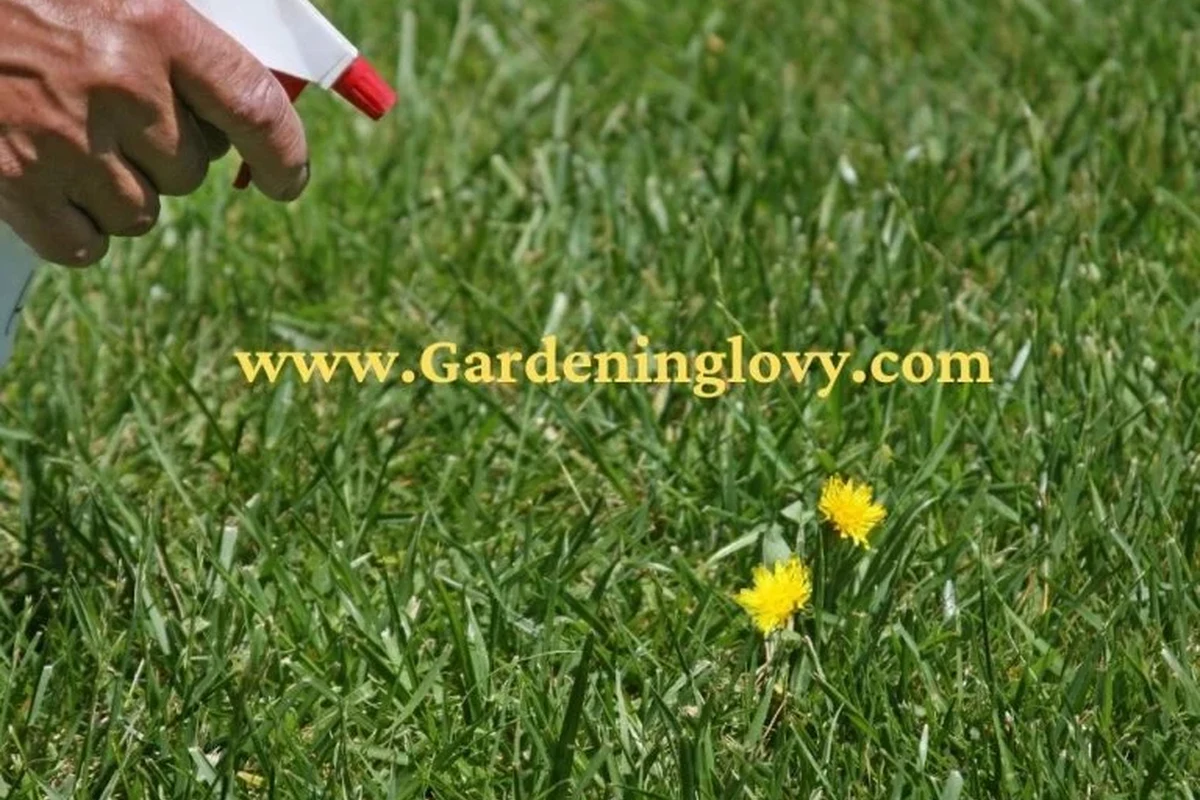
Baking soda can damage some weeds by stressing the plant surface and changing the area around the leaves and soil. That said, it is better understood as a spot-treatment aid than a full weed-control solution.
For readers who like simple household fixes, this topic comes up for the same reason people ask about other baking soda uses: it is cheap, familiar, and easy to find. If you want a broader look at how it behaves in cleanup and reaction-based uses, our guide to baking soda and vinegar reaction explained simply may be helpful.
Why this question matters for homeowners and gardeners in 2026
Many homeowners want a low-cost way to manage weeds without spraying large areas with chemicals. In 2026, that concern is even more common because people are trying to balance convenience, safety, and environmental impact.
The problem is that a product can be useful and still not be the right answer for every surface. Baking soda may fit a narrow job, but it is not a substitute for proper weed removal when roots are established.
The difference between weed control, weed suppression, and full weed removal
Weed control means reducing weed growth. Weed suppression means slowing weeds down or making them less noticeable. Full weed removal means eliminating the plant, including the roots when possible.
Baking soda may help with control or short-term suppression, but it often does not achieve full removal. If a weed already has a strong root system, the top growth may weaken briefly while the plant returns later.
- Cheap and easy to buy
- Useful for very small spot treatments
- Works best on hard surfaces where cleanup is simple
- Can harm nearby plants and soil
- Often weak against mature weeds
- May require repeated cleanup and reapplication
How Baking Soda Works on Weeds and Why Results Vary
Baking soda is sodium bicarbonate. On weeds, it can dry out tender tissue and create stressful surface conditions, especially when applied directly and in the right spot.
Results vary because weeds are not all the same. A tiny seedling in a crack behaves very differently from a broadleaf weed with a deep taproot.
The role of sodium bicarbonate on plant tissues and soil surface
When baking soda sits on leaves or in a small crack, it can interfere with normal moisture balance. That can cause leaf burn, browning, or a wilted look in the parts it touches.
It may also affect the thin layer of soil or debris around the weed. But once the roots are protected deeper below the surface, the plant may recover after the visible damage passes.
Baking soda is more likely to affect tender new growth than a mature weed with established roots, because young tissue is easier to stress and dry out.
Why young weeds and small cracks in pavement respond better than established roots
Small weeds in pavement cracks often have limited root space and less stored energy. That makes them easier to weaken with a surface treatment.
By contrast, perennial weeds can regrow from deep roots, rhizomes, or crowns even after the top leaves look damaged. In those cases, baking soda may give the appearance of success without solving the problem.
Weather, moisture, and application timing that affect outcomes
Dry weather usually makes surface treatments more effective because the product stays where you put it. Rain, dew, and heavy watering can wash it away or dilute the effect.
Timing matters too. Applying it when weeds are small and actively growing may improve the result, but there is still no guarantee. Windy conditions can also scatter fine powder onto nearby plants.
Where Baking Soda May Help: Sidewalks, Driveways, and Other Non-Garden Areas
The best place to consider baking soda is on hard surfaces where you do not want anything growing in the first place. Think of it as a narrow spot tool, not a landscape treatment.
If you are dealing with residue or cleanup around the house, you may also find our article on baking soda vinegar cleaning ovens useful for understanding where baking soda is more predictable as a cleaner than as a weed killer.
Best use cases for spot treatment on hard surfaces
Baking soda may be most useful on a few weeds in sidewalk joints, driveway seams, or the narrow edge between pavers. These are places where soil is shallow and pulling weeds by hand can be awkward.
It is also easier to control the application in these areas. You can target the weed directly and limit contact with plants you want to keep.
Examples of weeds in cracks, along edging, and between pavers
Common problem spots include cracks in concrete, gaps between bricks, and thin strips along edging. In those places, weeds often have little room to spread, so a surface stressor can sometimes help.
Even then, the result is usually temporary unless you remove the dead growth and seal the gap or block new seed from settling in.
Why it is usually a poor choice for lawns, vegetable beds, and flower borders
Baking soda is a poor choice anywhere you want healthy plant growth. Lawns, vegetable beds, and flower borders depend on balanced soil conditions, and sodium buildup can create new problems.
It can also drift, splash, or wash into nearby root zones. That makes it risky in mixed planting areas where one mistake can affect more than the weed you wanted to target.
Do not treat baking soda as a safe blanket spray for gardens. It can harm desirable plants and may leave sodium behind in the soil, especially with repeated use.
How to Use Baking Soda Safely for Weed Spot Treatment
If you decide to try it, keep the treatment small and controlled. The goal is to target a single weed or a tiny patch, not to cover a large area.
For kitchen-style ingredient guidance, it helps to remember that baking soda behaves differently depending on brand, moisture, and how densely you apply it. Our article on does baking soda expire and when to replace it explains why freshness and storage matter in general use.
Small scoop or spoon
Gloves
Broom or hand brush
Water source for cleanup
Dry application vs. paste or solution methods
A dry application is the simplest method. You sprinkle a small amount directly onto the weed and the crack or gap where it grows.
A paste or solution can be more aggressive, but it is also messier and easier to spread beyond the target. In most cases, controlled dry spot treatment is the safer starting point.
Pull away loose debris, dirt, and dead plant matter so the baking soda reaches the weed instead of sitting on top of dust.
Use just enough to lightly cover the weed or crack. More is not automatically better and can increase runoff and residue.
Work carefully around lawns, flower beds, and edible plants so you do not damage roots or leaves you want to keep.
Remove dead growth and watch for regrowth. If the weed returns, a different method may be needed.
How much to use on a small problem area without overdoing it
There is no universal amount that works for every weed or surface. Start with the smallest practical amount, because excess baking soda can spread with rain or foot traffic.
If the area is large enough that you are tempted to pour generously, that is usually a sign to switch methods instead. A targeted tool works best when the problem is small.
Protecting nearby plants, soil, pets, and runoff areas
Keep pets and children away from the treated spot until the area is clean and dry. Even though baking soda is a common household ingredient, concentrated use on outdoor surfaces is different from normal kitchen use.
Be careful near drains, mulch beds, and low spots where runoff can collect. If you are unsure whether a treatment might reach edible plants or sensitive soil, it is safer not to use it there.
Wear gloves if you have sensitive skin, and avoid breathing in fine powder while applying it. Keep all household chemicals separate unless you fully understand the reaction and the safety risks.
Common Mistakes That Make Baking Soda Weed Control Fail
Most failures happen because the method is used like a full herbicide when it is really a limited spot treatment. The weed may look damaged at first, but the root system can still survive.
Using too little or applying it only once
One light application may not be enough to do much. If the weed is sturdy or the weather turns damp, the effect can fade quickly.
That said, repeating the treatment over and over can create buildup and still may not solve the root problem. More frequent is not always better.
Expecting it to kill deep roots or mature perennial weeds
Established weeds often survive because the visible leaves are only part of the plant. The real engine is underground, where baking soda usually has limited reach.
If the weed returns from the same spot, the root system is probably still active. At that point, physical removal or another method is usually more effective.
Mixing it with other household products without understanding the risks
Some people combine baking soda with vinegar, dish soap, or bleach in hopes of making a stronger weed killer. That can create unpredictable results and, in some cases, safety hazards.
Never mix household products casually. If you are curious about the chemistry, read a reliable explanation first, such as the basics in our baking soda and vinegar reaction article.
Ignoring cleanup, regrowth, and follow-up removal
Dead weeds still need to be removed. If you leave them in place, seeds, debris, and roots can remain in the crack or edge and invite new growth.
Follow-up matters just as much as the first treatment. A quick sweep, pull, or scrape often makes the difference between a temporary fix and lasting control.
The weed looks browned after treatment, but it grows back in a week or two.
The roots likely survived. Remove the plant physically, improve crack cleanup, and use a method better suited to the weed type.
Better Alternatives and When to Choose Them Instead
Baking soda is not the only option, and it is often not the best one. The right method depends on where the weed is growing, how large it is, and how much safety matters in the area.
Hand-pulling, mulching, and boiling water for small infestations
Hand-pulling is often the simplest answer for a few weeds in loose soil. Mulching helps prevent new weeds by blocking light and reducing seed germination.
Boiling water can work on cracks and other non-plant areas, but it must be handled carefully to avoid burns. Keep it away from desirable plants, pets, and children.
Vinegar, flame weeding, and commercial herbicides compared with baking soda
Vinegar can burn top growth, but it also has limits and can damage nearby plants. Flame weeding can be effective on hard surfaces, but it brings fire risk and requires attention to local rules and dry conditions.
Commercial herbicides may be more effective for certain weeds, especially perennial ones, but they should be chosen and used according to the label. For any product, follow the manufacturer instructions and local guidance carefully.
Best for small weeds in loose soil, especially when you can remove the root cleanly.
Best for tiny weeds in cracks or seams where you want a low-cost, narrow fix.
Best for hard surfaces and very small infestations, with careful burn prevention.
Best for tougher or repeated weed problems when label directions and safety needs are understood.
Choosing the right method based on location, weed type, and safety concerns
If the weed is in a sidewalk crack, a simple spot treatment may be enough. If it is in a vegetable bed, the safer answer is usually hand removal or mulch, not baking soda.
Think first about what you are protecting. The best weed solution is the one that handles the weed without creating a bigger problem for soil, plants, people, or pets.
Baking Soda Weed Control in Real Life: Cost, Cleanup, and Environmental Considerations
Baking soda is inexpensive, which is part of its appeal. But low cost does not always mean low effort, especially if the same area keeps growing weeds back.
How inexpensive baking soda compares with other control methods
At first glance, baking soda can seem like the cheapest option because many households already have it on hand. That can make it attractive for quick cleanup on a small patch.
However, if you need repeated applications or extra cleanup, the practical cost rises. A slightly more effective method may save time even if it costs a bit more up front.
Usually low for baking soda, but verify whether the area is small enough to justify it
Can be moderate to high if weeds regrow or residue needs cleanup
Better for occasional spot use than recurring weed problems
Soil buildup, surface residue, and long-term use concerns
Repeated use can leave residue on hard surfaces and may contribute sodium to the soil. Over time, that is not ideal for plant health, especially in small or enclosed growing spaces.
If you notice white film, crusting, or repeated patchy damage to nearby plants, that is a sign to stop and reassess the method. A simple fix should not create a new maintenance issue.
When a simple household fix becomes a recurring maintenance problem
If you are treating the same cracks every week, baking soda is probably not solving the root cause. The real issue may be open joints, poor edging, or windblown seed settling into the same spot.
In that case, sealing cracks, improving drainage, or changing the surface barrier can matter more than any one treatment. Prevention usually works better than repeated rescue work.
Final Verdict: Is Baking Soda Worth Using for Weeds?
Baking soda can be worth trying when the goal is to knock back a very small weed in a crack, seam, or other hard-surface spot. It is simple, cheap, and easy to apply carefully.
Still, it is not a strong all-purpose weed killer, and it is a poor choice for gardens, lawns, and any area where you want healthy soil and plants.
Best situations where it may be a useful short-term fix
Use it when you have a tiny weed problem on concrete, pavers, or driveway edges and you want a quick, low-cost experiment. It is most useful when the weed is young and the area is easy to monitor.
Cases where it is not the right solution at all
Skip it for deep-rooted weeds, large infestations, vegetable beds, flower borders, and lawns. Those situations call for methods that actually address roots, spread, and soil health.
Practical recommendation for readers deciding what to try next
If you want the simplest answer, start with manual removal for small weeds and reserve baking soda for tiny crack-level problems only. If the weed comes back, move to a better-matched method instead of repeating the same one endlessly.
In short, baking soda can help in a narrow role, but it should be treated as a temporary spot tool, not a complete weed-control plan.
Baking soda is worth using only for small, isolated weeds on hard surfaces where you want a quick, low-cost spot treatment. For lawns, beds, and deep-rooted weeds, choose a stronger and more targeted method instead.
Frequently Asked Questions
Usually not. It may damage the top growth, but many weeds can regrow from surviving roots or seeds.
Not always. It can harm nearby plants and may affect soil if it is used repeatedly or in large amounts.
It is usually not a good choice in vegetable beds. Hand-pulling, mulching, or another targeted method is safer for edible growing areas.
A small dry spot application is usually the simplest approach for cracks and seams. Keep it away from desirable plants and avoid overapplying.
The roots may have survived underground. Baking soda often affects the visible leaves more than the full root system.
Not casually. The reaction can be unpredictable, and the mixture is not a guaranteed better weed killer.
