No, baking soda is not a safe or reliable way to kill mice. The better approach is sealing entry points, removing food, and using proven traps or a pest-control professional.
If you are wondering does baking soda kill mice, the short answer is that it is not a safe, reliable, or recommended way to handle rodents in the home. The idea keeps spreading online, but real mouse control usually depends on sealing entry points, removing food, and using proven traps or professional help.
- Reliability: Baking soda is not a dependable mouse-control method.
- Safety: Homemade bait can create risks for pets and children.
- Best practice: Use exclusion, sanitation, and targeted traps instead.
- Problem signs: Droppings, gnaw marks, and nesting material mean you need action.
- Next step: Repeated activity usually calls for licensed pest-control help.
What People Mean When They Ask if Baking Soda Can Kill Mice
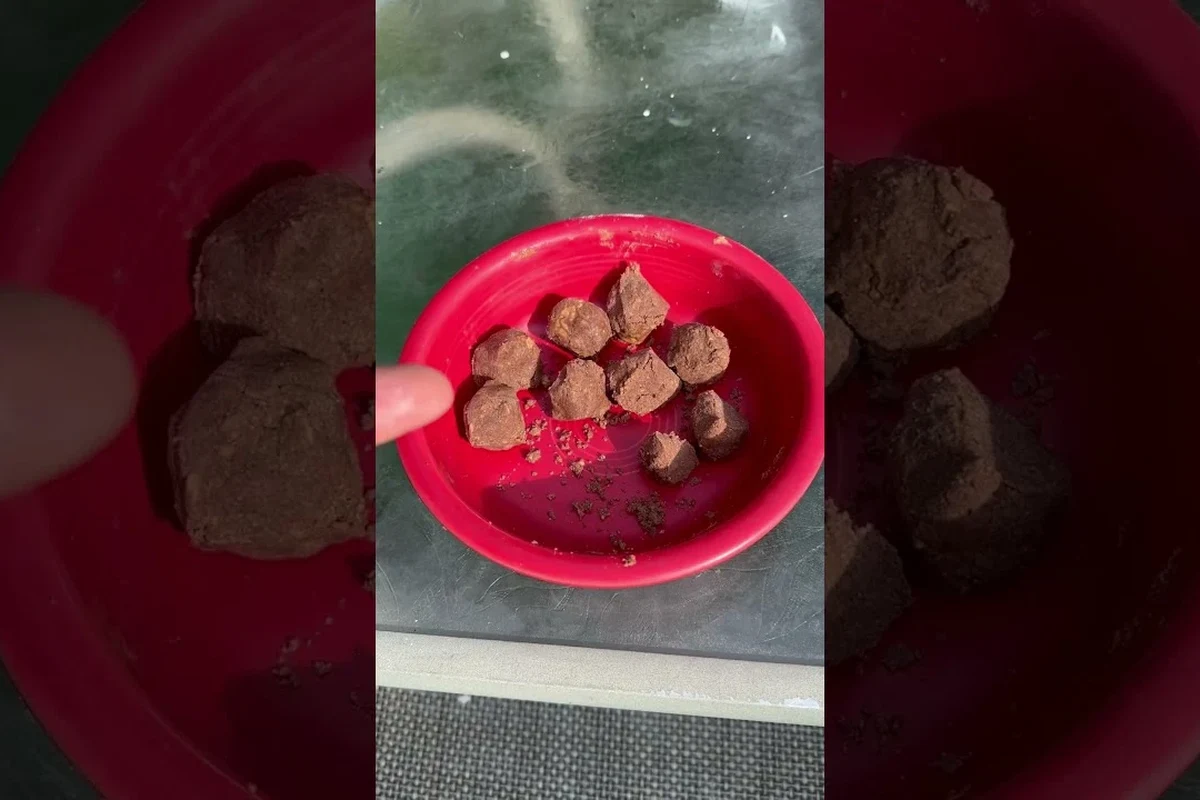
Most people asking this are not looking for kitchen science. They are dealing with droppings, chewed packaging, scratching sounds in walls, or a mouse sighting in the pantry and want a fast fix.
The question also reflects the appeal of a “natural” remedy. Just as readers sometimes ask whether the baking soda and vinegar reaction can solve a cleaning problem, mouse-control advice online often turns a common pantry ingredient into a supposed miracle solution.
The viral claim and why it keeps spreading in 2026
The claim spreads because it sounds simple, cheap, and low-risk. In a year when home-remedy content moves quickly across short videos and reposted tips, a one-ingredient answer can look more convincing than a detailed pest-control plan.
It also survives because people share stories that sound successful without showing the full situation. A mouse may disappear after bait is set, but that does not prove the baking soda caused it, especially if the home already had traps, cleaner storage, or fewer food sources.
What the search intent really is: pest control, safety, and home remedies
When someone searches this phrase, they usually want three things: whether it works, whether it is safe around children or pets, and what to do instead. That is a practical question, not just a myth-busting one.
For that reason, the best answer should cover both effectiveness and household risk. A remedy that is weak on results and unclear on safety is usually not worth relying on.
Does Baking Soda Kill Mice Safely or Reliably?
Baking soda does not have a strong evidence base as a rodent-control tool. It may be discussed in forums and home-remedy posts, but it is not a standard recommendation from professional pest-control practice.
What science and pest-control professionals say about the myth
The main issue is that a mouse is small, but it is not fragile in the way the internet claim suggests. A method that sounds plausible in theory still has to work in the real world, where rodents eat varied foods, avoid unfamiliar bait, and move through hidden routes.
Official household pest guidance generally focuses on exclusion, sanitation, and trapping rather than pantry experiments. That is because control methods need to be repeatable, not just possible in a narrow set of conditions.
Why baking soda is not a dependable rodent-control method
Even if a mouse eats a bait mix containing baking soda, the result is uncertain. The amount consumed may be too small, the mouse may avoid the bait, or the bait may spoil before it is ever eaten.
There is also a practical problem: mice do not always eat a single food in a predictable way. If the bait is not attractive, they may take the food and leave the ingredient behind, which means the setup fails before it starts.
Situations where people mistake coincidence for effectiveness
Sometimes a mouse is no longer seen because the season changes, a nest moves, or a trap elsewhere catches the animal. That can create the impression that the baking soda worked when the timing was just coincidental.
Another common mix-up happens when a home is cleaned and food is sealed at the same time. The environment becomes less inviting, so the mouse activity drops for reasons unrelated to the DIY bait.
Do not treat a home remedy as proof of pest control. If you have repeated sightings, droppings, or gnaw marks, use a proven method and follow recognized safety guidance for cleaning contaminated areas.
How Baking Soda Is Supposed to Work in the Theory
The internet explanation usually sounds neat: mice eat baking soda, it reacts inside the stomach, gas builds up, and the mouse dies. The problem is that a neat explanation is not the same as a dependable one.
The gas-expansion explanation people repeat online
The theory depends on the idea that baking soda will create enough gas in the digestive system to cause fatal bloating. That is the same general chemistry people think about when mixing acids and bases, but the body is not a jar or a bottle.
In a living animal, digestion, hydration, gut movement, and the amount eaten all change the outcome. A chemistry idea may be real in a beaker and still fail in a stomach.
Why a mouse’s biology makes this theory weak
Mice eat small amounts frequently, and their digestive systems process food quickly. That makes it hard to know whether enough baking soda would be consumed to create the effect the myth promises.
Even more important, the bait has to be eaten willingly. A mouse is cautious, and if the smell, texture, or taste seems off, it may simply avoid the mixture.
Baking soda is sodium bicarbonate, a leavening ingredient in baking. In the kitchen, it works best when paired with the right acidity and measured carefully; in pest control, that same chemistry does not make it a reliable solution.
Common misunderstandings about digestion, bloating, and toxicity
People often assume that “natural” means harmless and “chemical” means effective, but both ideas are too broad to be useful. Baking soda can be helpful in baking or cleaning when used correctly, yet that does not make it a safe rodent poison.
If you are interested in how baking soda behaves in other household uses, it helps to compare it with known applications such as baking soda in laundry or oven cleaning with baking soda and vinegar. Those uses depend on surface cleaning or odor control, not on trying to kill an animal.
Risks of Using Baking Soda Around Mice, Pets, and Children
Any bait placed in a home should be treated carefully. The more a DIY method looks like food, the more likely it is to be touched by the wrong person or pet.
Accidental ingestion hazards in kitchens, pantries, and garages
Kitchen counters, pantry floors, and garage shelves are easy places for accidental contact. A child may mistake a bait mix for a snack, or a pet may investigate it because it smells like food.
That risk is one reason to avoid homemade rodent baits. If something is meant to attract a mouse, it may also attract a curious pet or a distracted family member.
Why homemade bait mixes can create sanitation problems
Food-based bait can spoil, attract insects, and leave residue on surfaces. If the mixture is placed in open areas, it may create a mess that is harder to clean than the original rodent problem.
It can also make it harder to tell whether the mouse problem is improving. A scattered bait trail does not tell you where the mouse is traveling, and it may leave you with extra cleanup instead of better control.
When a “natural” remedy becomes a safety issue
“Natural” is not the same as safe, especially in a home with children, pets, or food preparation areas. A remedy that is not clearly effective can still add risk by encouraging people to delay better action.
If you are already seeing signs of rodents, it is better to focus on containment and removal than on a bait that may not work. That is especially true in homes where sanitation and food safety matter every day.
Store all food in sealed containers, wipe crumbs quickly, and keep any pest-control products away from prep surfaces. If droppings are present, clean with care and follow official safety guidance for rodent cleanup.
Better Ways to Handle a Mouse Problem in the Home
The most effective mouse control is usually a combination of prevention and removal. That means blocking access, removing food and water sources, and using a method that fits the size of the problem.
Sealing entry points and removing food sources
Start by looking for gaps around pipes, vents, baseboards, doors, and utility lines. Mice can enter through surprisingly small openings, so the goal is to close the routes they use rather than chase them after they are inside.
Then reduce what attracts them. Keep counters clean, store dry goods in sealed containers, empty trash regularly, and avoid leaving pet food out overnight.
- Inspect the kitchen, pantry, basement, and attic for droppings or gnaw marks
- Seal visible gaps with appropriate materials for rodent exclusion
- Remove accessible food, crumbs, and standing water
- Choose a trap or service plan based on how active the problem is
Snap traps, enclosed traps, and when each makes sense
Snap traps are often used when a quick, targeted response is needed and the placement can be controlled. Enclosed traps can be a better choice in homes where extra protection from children or pets matters.
The key is placement. Traps work best along travel paths, such as walls, behind appliances, and near signs of activity, not in random open spaces.
When to call a licensed pest-control professional
If you keep seeing mice after cleanup and trapping, or if the signs suggest more than one animal, professional help is often the practical next step. A licensed technician can identify entry points, assess nesting areas, and build a treatment plan that fits the home.
This is especially useful in older homes, multi-unit buildings, and spaces with repeated attic or wall activity. In those settings, the source of the problem is often structural, not just food-related.
For persistent rodent issues, the most useful fix is usually not a stronger bait. It is a better control plan that combines exclusion, sanitation, and targeted removal.
Common Mistakes People Make With DIY Mouse Remedies
DIY rodent fixes often fail for the same reasons baking mistakes fail: the method is incomplete, the placement is off, or the ingredients are not used in the right way.
Relying on one method instead of a control plan
One product rarely solves a pest problem by itself. If you only place bait and do nothing else, you leave the entry point, food source, and nesting area untouched.
That is similar to trying to fix a baking problem with one small adjustment while ignoring the oven temperature, pan size, and ingredient balance. The whole system matters.
Using bait where mice are not actually traveling
Mice tend to follow edges and protected routes. If bait is placed in the middle of a room or in a spot they do not use, it may never be touched.
Watching for droppings, rub marks, and chewed packaging gives you better clues than guessing. Placement based on evidence is always more useful than placement based on hope.
Ignoring droppings, nesting signs, and repeat entry points
Droppings, shredded nesting material, and recurring gnaw marks tell you the problem is active. If those signs keep appearing, the issue is not solved just because one mouse was seen less often.
Repeat entry points are especially important. If you do not close the gap, new mice can replace the old ones, and the cycle continues.
- Low cost and easy to find in most kitchens
- Useful for baking and cleaning when used correctly
- Simple ingredient with familiar handling
- Not a dependable mouse-control method
- Can create safety and sanitation risks in the home
- May delay more effective pest-control steps
Practical Home Scenarios: When to Act, What to Avoid, and What Works
The right response depends on how much activity you are seeing. A single mouse sighting is not the same as a full infestation, and your next step should match the severity.
Single-mouse sightings versus an active infestation
If you saw one mouse once, start with inspection, cleaning, and trap placement. That may be enough if the animal was a one-time visitor from outside.
If you see droppings in more than one room, hear repeated scratching, or keep finding new damage, treat it as an active problem. At that point, a one-off DIY trick is usually too small to matter.
Kitchen, basement, and attic examples
In a kitchen, the priority is food storage and sanitation. In a basement, look for foundation gaps, clutter, and hidden nesting spots. In an attic, insulation damage and wall voids may point to a larger issue that needs professional inspection.
Each space has different conditions, so the fix changes too. A pantry problem is not handled the same way as a crawlspace problem.
How to choose a realistic next step based on severity
If the problem is small, start with sealing and traps. If the problem keeps returning, move quickly to professional assessment rather than repeating the same DIY bait experiment.
For readers who like understanding ingredient behavior, it may help to remember that not every pantry ingredient is interchangeable. Just as you would not use baking soda instead of baking powder without checking the recipe, you should not assume a kitchen ingredient can replace a proven pest-control method.
Final Verdict: Safe Facts, Myths, and the Best Decision for 2026
Baking soda is not a safe, reliable, or recommended way to kill mice. The theory sounds simple, but real-world mouse control depends on exclusion, sanitation, and targeted removal, not on a pantry myth.
Recap of what baking soda can and cannot do
Baking soda can be useful in baking, cleaning, and odor control when used properly. It cannot be trusted as a stand-alone rodent solution, and it may create avoidable risk if used as bait in homes with children or pets.
Best-use recommendation for homeowners seeking a humane, effective approach
If you want the most practical result, skip the baking soda bait and focus on sealing openings, removing food sources, and using enclosed traps or licensed pest-control help when needed. That approach is more humane, more predictable, and far safer for the household.
In short, the best decision for 2026 is to treat the claim as a myth, not a method. For a home that stays clean and rodent-free, proven control beats viral advice every time.
Baking soda should be treated as a household ingredient, not a mouse killer. If you have a rodent problem, use exclusion, sanitation, traps, or professional service for a safer and more effective result.
Frequently Asked Questions
No, baking soda is not a dependable way to kill mice quickly. Results are unpredictable, and the method is not recommended as a primary pest-control solution.
It is not a good idea to use homemade bait mixes in homes with children or pets. Any food-like bait can be accidentally eaten or create sanitation problems.
Sealing entry points, removing food sources, and using snap traps or enclosed traps are more effective. For ongoing activity, a licensed pest-control professional is often the best next step.
The myth comes from a theory that baking soda creates gas in the stomach. That idea sounds simple online, but it is not a reliable real-world control method.
Baking soda is not a substitute for proper cleanup. Follow safe rodent-cleanup guidance and avoid dry sweeping or actions that can spread contamination.
Call a licensed pest-control professional if sightings keep happening, droppings appear in multiple rooms, or you suspect nesting in walls, attics, or basements. Repeated activity usually means the problem needs a full control plan.
