
How to Tenderize Steak with Baking Soda for Juicy Results
Baking soda can tenderize steak by changing the meat’s surface chemistry, which helps thin cuts stay softer during fast cooking. Use only a light coating, keep the rest short and chilled, then rinse, dry, and cook over high heat.
Learning how to tenderize steak with baking soda can be a simple way to improve texture, especially for quick-cooking dishes. Used correctly, it helps steak stay softer and juicier without turning it into a full marinade project.
- Best use: Thin, sliced, or quick-cook steak benefits most from baking soda.
- Use lightly: Too much baking soda can leave a soapy taste and soft texture.
- Timing matters: Keep the treatment short and refrigerated, then dry the meat well.
- Cook hot and fast: Pan-sear, grill, broil, or stir-fry for the best crust and juiciness.
- Know the limits: Thick, premium steaks often do better with salt or another method.
What Baking Soda Actually Does to Steak Texture
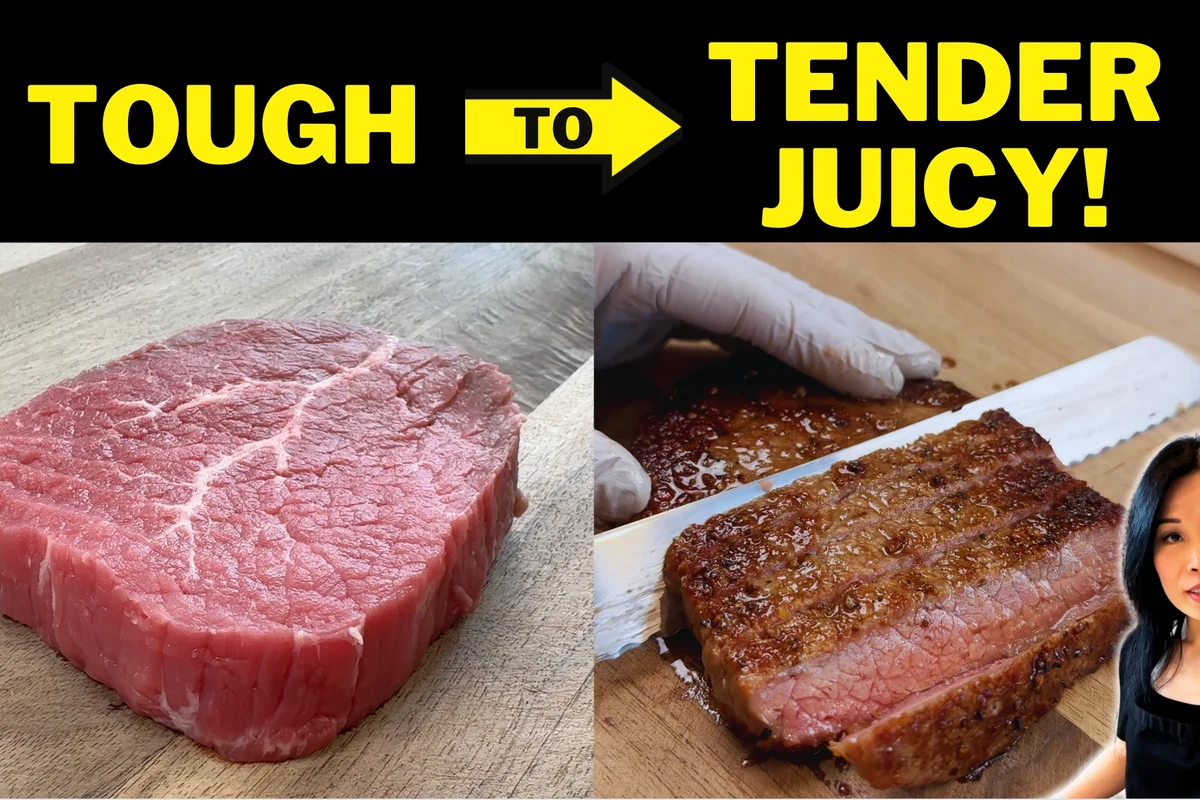
Baking soda is alkaline, which means it raises the pH on the surface of the meat. That small shift changes how muscle proteins behave during cooking, so they tighten less aggressively and hold onto more moisture.
This is not the same as “breaking down” steak in the way an acidic marinade does. Instead, it changes the outer layer enough to make thin or sliced steak feel more tender after a fast cook.
The science of raising surface pH and changing protein behavior
When meat heats up, proteins contract and push out moisture. A baking soda treatment reduces that strong tightening effect on the surface, which is why the steak can seem softer and less dry after searing or stir-frying.
The effect is strongest where the baking soda touches the meat directly. That is also why even coverage matters more than using a large amount.
Baking soda works by changing the meat’s surface chemistry, not by adding flavor. If too much remains on the steak, though, it can leave a soapy or metallic taste.
Why this method works best on sliced, stir-fry, or fast-cook cuts
This method is most useful for thin strips, shaved steak, flank steak pieces, skirt steak slices, or bite-size cubes going into a hot pan. Those cuts cook quickly, so the surface treatment has a chance to help before the meat overcooks.
It is less useful for thick steaks that need a long, even cook. In those cases, salt, proper resting, or a different tenderizing method often gives better results.
If you want a deeper science explanation of why baking soda reacts the way it does in the kitchen, the same chemistry behind the baking soda reaction explained simply article also helps make sense of this technique.
How Much Baking Soda to Use for Safe, Effective Tenderizing
Use less than you think you need. A light coating is usually enough, because the goal is to treat the surface, not season the steak heavily with baking soda.
Typical measurements by steak weight and thickness
For thinly sliced steak, a small amount sprinkled over the meat is usually enough to make a visible difference. For a whole steak or thicker pieces, you generally want only a light dusting on the surface, not a thick layer.
A practical home-cook rule is to start with about 1/4 teaspoon of baking soda per pound of steak for sliced or cubed meat, then adjust based on thickness and how evenly you can coat it. Because brands and measuring spoons vary, keep the layer thin and even rather than chasing an exact number.
There is no benefit to piling on extra baking soda. Too much can damage flavor and texture, and it may be harder to rinse away evenly before cooking.
When a light dusting is enough versus when a slurry makes sense
A dry dusting works well when the steak is already cut into strips or bite-size pieces. A slurry, made with a small splash of water, can help when you need more even coverage on a slightly larger surface.
If you use a slurry, keep it loose and thin. You want a light film, not a paste that clings in patches and creates uneven flavor.
Step-by-Step Method for Tenderizing Steak with Baking Soda
The process is simple, but timing and cleanup matter. The biggest mistake is treating the steak and then cooking it as if nothing changed.
Dry-coating versus wet slurry application
Pat the steak dry and slice it if the recipe calls for strips or smaller pieces. Dry surfaces help the baking soda cling more evenly.
For dry coating, sprinkle a small amount over the meat and toss or rub it lightly. For a slurry, mix baking soda with just enough water to make a thin coating, then spread it evenly.
Let the steak sit chilled so the surface treatment can work without warm-temperature risk. Short resting is usually enough for thin pieces.
If you are also comparing baking soda to other pantry techniques, it helps to know that it is not interchangeable with baking powder. The chemistry is different, which is why our guide on using baking soda instead of baking powder safely explains why substitutions must be handled carefully in the kitchen.
Resting times, refrigeration, and how long is too long
For thin slices, a short rest is often enough. For thicker strips or small cubes, a little more time may help, but leaving baking soda on too long can make the exterior soft in an unpleasant way.
As a general home-cooking guideline, keep the treatment brief and refrigerated, and avoid long holds that stretch into many hours unless a recipe specifically calls for it. If the meat starts to look overly pale, slick, or slightly mushy, it has likely sat too long.
Rinsing, patting dry, and resetting the surface before cooking
After the rest, rinse the steak lightly under cold water if needed, especially if you used a slurry or a visible coating. Then pat it very dry with paper towels so the surface can brown properly.
This drying step matters. Wet meat steams before it sears, and that can erase the texture benefit you were trying to create.
Handle raw steak on a clean board, wash your hands after touching it, and keep juices away from ready-to-eat foods. Follow USDA food safety guidance for refrigeration and raw meat handling.
Cooking the Tenderized Steak for Juicy Results
Once the steak is treated and dried, cook it quickly and confidently. The goal is browning on the outside and a juicy center, not a long cook that dries out the surface again.
Best cooking methods: pan-searing, grilling, stir-frying, and broiling
Pan-searing works well because it gives strong heat and fast browning. Grilling and broiling also suit this method, especially for thinner cuts that benefit from direct, high heat.
Stir-frying is one of the best uses for baking soda-treated beef because the meat is usually sliced thin and cooked in a very short window. If you want a broader overview of how kitchen heat sources affect results, the same site’s air-cooking articles can be useful context, such as this guide on why preheating matters in fast cooking.
How to avoid overbrowning, mushy texture, or a soapy taste
Do not crowd the pan. Crowding drops the heat, which leads to steaming and weak browning instead of a clean sear.
Also avoid using too much baking soda or skipping the rinse. Those are the two most common reasons for an off taste. If the steak smells clean but tastes strangely alkaline, the surface likely still had excess baking soda on it.
- Helps thin steak stay tender during quick cooking
- Uses a low-cost pantry ingredient
- Can improve texture without a long marinade
- Can taste soapy if overused
- Works poorly on thick steaks that cook slowly
- Requires careful rinsing and drying before searing
Doneness cues and carryover cooking after a baking-soda treatment
Use the same doneness cues you would normally use: color, firmness, and a thermometer if you cook steak often. Because the surface may brown a little faster after treatment, watch the crust closely so it does not overdarken before the center is done.
Carryover cooking still matters after the steak comes off the heat. A small steak can climb a few degrees while resting, so pull it before it looks fully finished in the pan or on the grill.
When Baking Soda Works Best and When It Does Not
This technique is useful, but it is not a universal steak fix. Knowing when to use it saves time and protects texture.
Ideal cuts and recipes for this technique
Use baking soda for recipes where steak is sliced thin and cooked fast, such as stir-fry, fajita-style strips, pepper steak, or quick skillet beef. It can also help with budget-friendly cuts that naturally have more chew.
Thin strips cook fast, so the surface treatment has time to improve tenderness before the meat dries out.
Short, high-heat cooking benefits from a softer exterior and better moisture retention.
Why thick ribeye, filet, or dry-aged steak may need a different approach
Thick ribeye and filet already have tenderness advantages, so baking soda is often unnecessary. Dry-aged steak has a different flavor and texture profile, and adding baking soda can cover up what makes it special.
For thick steaks, dry brining with salt, careful temperature control, and proper resting usually matter more than an alkaline treatment. If you want a more even result, mechanical tenderizing or a controlled marinade may be a better fit.
Comparing baking soda with salt, marinades, and mechanical tenderizing
Salt works mainly by seasoning and helping the meat hold water over time. Marinades can add flavor and some surface softening, but they usually depend on acid, enzymes, or both.
Mechanical tenderizing physically breaks muscle fibers, which can help but also changes the steak’s texture in a different way. Baking soda sits in the middle: it is fast, inexpensive, and effective for the right cut, but only when used lightly.
Common Mistakes That Ruin the Texture or Flavor
Most problems come from overdoing the treatment or using the wrong cooking style afterward. A careful hand makes this method much more reliable.
Using too much baking soda or leaving it on too long
Too much baking soda can leave a chalky coating and a metallic taste. Leaving it on too long can also make the surface feel soft in a way that reads as mushy rather than tender.
The steak tastes slightly soapy or has a strange aftertaste.
Use less baking soda next time, shorten the rest, and rinse more thoroughly before cooking.
Skipping the rinse or drying step before high-heat cooking
If you skip drying, the steak will steam and brown poorly. That means less flavor from the crust and a softer, less appealing exterior.
Even a small amount of surface moisture can slow searing. Pat the steak dry until it feels tacky rather than wet before it hits the pan.
Applying the method to the wrong cut or cooking it too slowly
This technique is not a rescue plan for every tough steak. Very thick steaks, heavily marbled cuts, or slow braises usually benefit more from different methods.
If you cook baking-soda-treated steak slowly, you may lose the texture advantage and end up with a less interesting surface. Fast heat is the point.
- Use a light coating
- Keep the rest short and refrigerated
- Rinse and dry before high heat
- Leaving a thick layer on the meat
- Using it for long, slow cooking
- Ignoring a soapy smell or taste
Food Safety, Storage, and Leftover Handling After Tenderizing
Because this is a raw meat treatment, food safety matters as much as texture. Keep the steak cold, clean, and separate from other foods.
Refrigeration timing before and after treatment
Treat the steak in the refrigerator whenever possible and cook it soon after the resting period. Do not leave raw steak sitting at room temperature while the baking soda works.
If you need to hold it longer, keep it chilled and covered. Exact safe timing can depend on your refrigerator temperature and the freshness of the meat, so follow official food safety guidance when in doubt.
Safe storage for raw steak treated with baking soda
Store the treated steak in a sealed container or covered dish to prevent drips and odor transfer. Keep it on a lower shelf so it cannot leak onto other foods.
If you are using a marinade container or a reusable bag, wash it thoroughly after use. Raw meat residue can spread bacteria if cleanup is rushed.
Reheating leftovers without turning the meat rubbery
Reheat leftover steak gently so the tenderized texture stays pleasant. A quick warm-up in a covered skillet over low heat, or brief reheating in a sauce, is usually better than blasting it dry in a hot pan.
For leftovers, stop reheating as soon as the meat is warmed through. Overheating will undo the juiciness you worked to preserve.
Final Verdict: Is Baking Soda a Good Steak Tenderizer in 2026?
Yes, baking soda is still a useful steak tenderizer in 2026 when you use it for the right kind of meal. It is especially practical for weeknight cooking, sliced beef, and quick recipes where tenderness matters more than a long marinating process.
Best-use scenarios for home cooks and weeknight meals
Use it when you want a fast improvement in texture for stir-fry, fajitas, or thin pan-seared steak. It is a smart pantry trick when you need results without extra ingredients or long waiting time.
If you are curious about other pantry uses, our site also covers baking soda in everyday kitchen cleanup, but for steak, the key is restraint and timing. The method works because it is subtle.
Practical recap for choosing the right tenderizing method
Choose baking soda if the steak is thin, sliced, or meant for a fast cook. Choose salt, marinade, or another tenderizing method if the cut is thick, the cooking time is longer, or you want a more traditional steak flavor.
In short, how to tenderize steak with baking soda comes down to a light coating, a short chill, a rinse if needed, and a hot quick cook. Handle it carefully, and you can get juicy results without sacrificing flavor.
Baking soda is a strong weeknight shortcut for tenderizing thin steak and quick-cook beef dishes, but it is not the best choice for every cut. Use it lightly, keep the timing short, and pair it with high heat for the best texture.
Frequently Asked Questions
Use a light coating, not a thick layer. A practical starting point for sliced steak is about 1/4 teaspoon per pound, but the surface should look evenly dusted rather than heavily covered.
Rinsing is often a good idea, especially if you used a slurry or can see a visible coating. Pat the steak very dry afterward so it browns well.
Keep the rest short and refrigerated, especially for thin slices. Leaving it on too long can make the surface mushy or give the meat an off taste.
Thin, sliced, or quick-cook cuts work best, including stir-fry strips and fajita-style beef. Thick steaks usually do better with salt, careful cooking, or another tenderizing method.
Yes, if you use too much or leave it on too long. A light coating, short rest, and thorough drying help prevent that flavor.
Yes, if you keep the meat refrigerated and handle it like any other raw steak. Store it covered, separate from ready-to-eat foods, and follow USDA food safety guidance.
