
Is Baking Soda Acidic or Alkaline What You Need to Know
Baking soda is alkaline, not acidic. In baking, it reacts with acids to create lift, improve browning, and affect texture.
Baking soda is not acidic. In baking, it behaves as an alkaline ingredient that needs acid to do its best work, and that balance affects rise, flavor, and browning.
- Chemistry: Baking soda is sodium bicarbonate, a base that needs acid to work best.
- Flavor: Too much soda can leave a soapy, bitter, or metallic taste.
- Texture: It can improve spread, tenderness, rise, and browning in the right recipe.
- Measurement: Small errors matter, so level measuring or weighing is safer.
- Choice: Use baking powder when a recipe does not have enough acid for baking soda.
What Baking Soda Actually Is and Why Its pH Matters in Baking
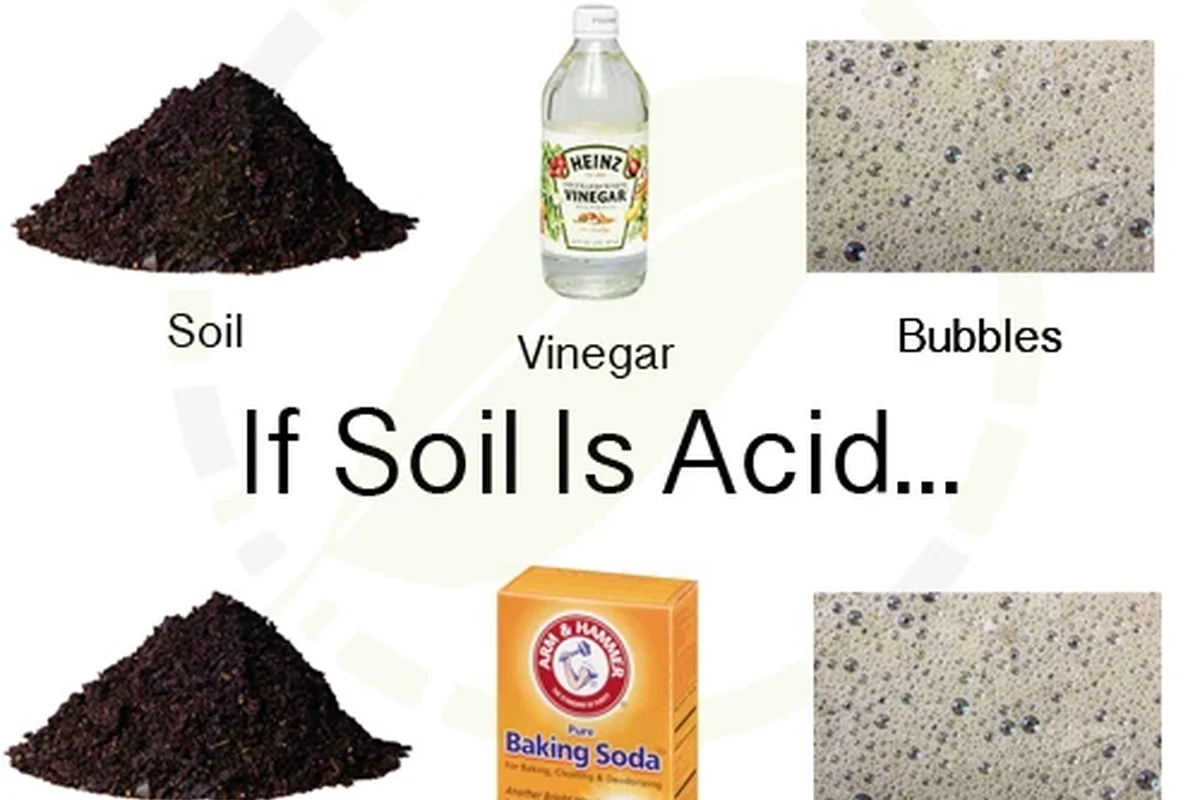
Baking soda is sodium bicarbonate, a mineral salt used in kitchens as a chemical leavener. When it meets moisture and heat, and especially when it meets acid, it helps create carbon dioxide gas that lifts batter and dough.
For bakers, pH matters because it changes how fast reactions happen and how the final product tastes and looks. A batter that is too alkaline can brown quickly, taste soapy, or develop an odd aftertaste.
How sodium bicarbonate behaves as a base in the kitchen
Sodium bicarbonate is a base, which means it can neutralize acid. In practical baking terms, that means it is useful in recipes that already contain acidic ingredients such as buttermilk, yogurt, sour cream, molasses, natural cocoa, or fruit juice.
When the acid and base combine, gas forms and the batter can expand. That reaction is one reason quick breads and some cookies rise without yeast.
Why “alkaline” is the more accurate term than “acidic”
The word “acidic” does not fit baking soda because its pH is above neutral. Alkaline is the better description, and that is the term bakers should remember when reading formulas or troubleshooting results.
If you are comparing ingredient behavior, it also helps to understand the difference between baking soda and baking powder. For a deeper side-by-side explanation, see is baking soda and baking powder the same.
Baking soda can also affect color. In many baked goods, a slightly more alkaline batter browns faster because it encourages Maillard browning.
Is Baking Soda Acidic? The Science Behind the Label
The short answer is no: baking soda is not acidic. It is mildly alkaline, and that is why it is often paired with acidic ingredients in baking formulas.
Understanding that basic chemistry makes recipe reading much easier. It also helps explain why one recipe needs baking soda while another needs baking powder instead.
Understanding pH, alkalinity, and neutral substances
pH is a scale used to describe how acidic or alkaline something is. Neutral substances sit around the middle of the scale, acids are below neutral, and bases are above it.
In the kitchen, you do not need to memorize the full scale to bake well. You only need the practical rule: baking soda is alkaline, so it usually needs an acid source in the recipe to avoid leftover soda flavor.
How baking soda reacts with acids like buttermilk, yogurt, lemon juice, and brown sugar
Acidic ingredients trigger baking soda’s leavening action. Buttermilk, yogurt, lemon juice, vinegar, brown sugar, natural cocoa, and even some fruits can all help create the reaction that releases gas.
The amount of acid matters. If a recipe has enough acid, the soda is more likely to neutralize cleanly and support a balanced flavor and texture.
Brown sugar is not as strongly acidic as lemon juice, but it can still contribute enough acidity in some formulas to help baking soda work well. Recipe balance depends on the full ingredient list, not one ingredient alone.
What happens when baking soda is used without enough acid
When baking soda is added without enough acid, some of it may remain unneutralized. That can leave a soapy, bitter, or metallic taste and may also push the batter too alkaline.
In some recipes, the result is a darker color than expected or a coarse crumb. If you are unsure whether a formula is built correctly, it can help to review a guide on using baking soda instead of baking powder safely before making substitutions.
How Baking Soda Affects Texture, Rise, and Browning in Baked Goods
Baking soda does more than make batter rise. It also changes spread, tenderness, and surface color, which is why it shows up in so many cookie, muffin, and quick bread formulas.
Its effect is strongest when the recipe is balanced and the batter is mixed correctly. Too much agitation or poor ingredient balance can change the outcome quickly.
Leavening action in cakes, cookies, quick breads, and muffins
In cakes and muffins, baking soda can help create lift and a lighter crumb when it has enough acid to react with. In cookies, it often helps with spread and can contribute to a thinner, crisper edge.
Quick breads rely on this fast reaction because they are mixed and baked without long fermentation. The gas starts forming soon after mixing, so the batter should usually move into the oven without delay unless the formula says otherwise.
The role of baking soda in spread, tenderness, and color
Baking soda can weaken some protein bonds and change how dough spreads in the oven. That is one reason it can make cookies feel more tender and give them a wider shape.
It also raises pH, which supports browning. That can be helpful in chocolate cookies, gingerbread, and banana bread, where a deeper color is often part of the expected finish.
If a recipe already has acidic ingredients, do not assume more baking soda means more rise. Too much can damage flavor and texture even if the batter looks active at first.
Practical examples of when baking soda improves results
Baking soda is often a smart choice in recipes with buttermilk pancakes, yogurt muffins, chocolate cakes made with natural cocoa, and molasses cookies. It is also useful when a recipe needs a quick, strong burst of leavening rather than a slower, steadier rise.
If you want to compare practical uses across kitchen tasks, this related article on baking soda and vinegar reaction explained simply can help clarify how acid-base reactions behave outside and inside the oven.
Measuring Baking Soda Correctly in 2026 Baking Formulas
Accurate measuring matters because baking soda is powerful in small amounts. A tiny excess can change taste, color, and crumb structure, especially in lean batters and small-batch recipes.
There is no single universal ratio that fits every formula. The right amount depends on the recipe’s acidity, flour amount, moisture level, and whether other leaveners are also present.
Typical ratios and why small measurement errors matter
Many recipes use only a small amount of baking soda relative to the total flour or liquid. Because the ingredient is concentrated, even a little extra can create an alkaline aftertaste or an overly dark finish.
Measuring by level spoon rather than a rounded scoop is usually the safer approach for home baking. For students learning formulas, this is a good place to practice consistency and note how ingredient brands can affect results.
Do not guess with baking soda in a formula that is already delicate, such as sponge-style cakes or lightly sweetened muffins. In those recipes, the margin for error is small and the texture can change fast.
How to scale recipes safely for home bakers and students
When scaling up or down, keep the balance between baking soda and acid intact. If you halve a recipe, halve both the soda and the acidic ingredients together unless the formula has a professional formula note that says otherwise.
For classroom and home use, it also helps to weigh ingredients when possible. Volume measurements can vary with how tightly a spoon is packed or how the ingredient settles in the container.
Common mistakes: too much baking soda, too little acid, and flat flavor
One common mistake is adding baking soda because a recipe “needs help” rising. If the formula was already balanced, extra soda can flatten flavor instead of improving lift.
Another mistake is using it in a recipe that does not contain enough acid. In that case, the batter may rise briefly and then taste harsh or look uneven after baking.
The baked good tastes bitter, soapy, or metallic.
Reduce the baking soda, increase the acidic ingredient if the recipe allows it, or switch to baking powder if the formula needs a built-in acid source.
How to Tell If Baking Soda Is Working Properly
Working baking soda usually shows itself in the batter before the bake is finished. You may notice slight bubbling, a lighter texture, or faster expansion once the batter hits heat.
That said, not every recipe will look dramatic. Some formulas produce subtle changes that are easier to see in the finished crumb than in the mixing bowl.
Signs of correct activation in batter and dough
Correct activation often shows up as a light, slightly aerated batter and a smooth but not overly thin texture. In doughs and batters with acid, you may also notice a mild fizz right after mixing.
If the batter smells balanced rather than sharp or chemical, that is usually a good sign. The final baked item should taste clean, not alkaline or harsh.
Visual cues for doneness, browning, and crumb structure
A properly balanced baking soda recipe often browns evenly and develops a tender crumb. Cookies may spread in a controlled way, while muffins and quick breads should rise without collapsing in the center.
Look for a set edge, a springy top, and crumb that is neither gummy nor overly dense. Ovens vary, so rack position and calibration can also influence how quickly browning appears.
What stale or improperly stored baking soda looks and smells like
Baking soda does not usually spoil in the same way fresh dairy does, but it can lose performance if it absorbs moisture or odors from the pantry. Clumping, a dull smell, or poor reaction in a test recipe can signal that it is time to replace it.
For storage questions and replacement timing, the article on whether baking soda expires and when to replace it is a useful companion read.
Common Baking Soda Problems and Troubleshooting in the Kitchen
Most baking soda problems come from balance, not from the ingredient itself. If a recipe fails, the issue is often too much soda, too little acid, old ingredients, or a mismatch between the leavener and the recipe style.
Soapy taste, metallic notes, and yellow or dark discoloration
A soapy or metallic taste usually points to excess baking soda. Yellowing or darker-than-expected color can also happen when the batter is too alkaline and browns too quickly.
That does not always mean the recipe is ruined, but it does suggest the formula needs adjustment. In future batches, reduce the soda slightly or add back the acid the recipe was meant to include.
Dense texture, weak rise, and uneven spreading
Dense texture can happen when baking soda is underused, old, or not properly activated by acid and heat. Weak rise may also come from overmixing, which can tighten the batter and limit gas retention.
Uneven spreading in cookies often means the fat, sugar, and leavener are not balanced. Temperature matters too, because warm dough spreads more than chilled dough in many recipes.
- Match baking soda to acidic ingredients
- Measure carefully and level the spoon
- Bake soon after mixing when the formula calls for it
- Adding extra soda for “more lift”
- Using it in a low-acid recipe without adjustment
- Ignoring off flavors or strange browning
How to correct formulas when baking soda is the wrong choice
If a recipe has little or no acid, baking powder may be the better leavener because it contains its own acid component. That makes it more forgiving in neutral batters.
When a recipe already includes enough acid, keep the soda and reduce or remove extra baking powder only if the formula is designed for that change. Substitutions should be made carefully, especially in professional-style formulas where balance matters.
Storage, Safety, and Best Uses for Baking Soda in Modern Baking
Good storage and safe handling help baking soda perform the way you expect. This is especially important in baking schools, shared kitchens, and home pantries where containers may be opened often.
How to store baking soda for freshness and performance
Store baking soda in a dry, tightly sealed container away from strong odors. Because it absorbs smells, it can pick up pantry odors if left open near spices or cleaning products.
Keep it away from steam, wet measuring tools, and humid storage areas when possible. If the container is old or has absorbed odors, replacing it is usually the simplest fix.
- Check that the baking soda is dry and odor-free
- Confirm the recipe has enough acid or uses baking powder instead
- Measure with a level spoon or a scale when possible
- Preheat the oven fully so the batter gets the right initial lift
Food safety and handling considerations for baking students and home bakers
Baking soda itself is generally handled as a food ingredient, but kitchen safety still matters. Wash hands, keep scoops dry, and avoid cross-contact if you are baking for someone with food allergies, since ingredient labels and shared equipment can vary.
If a formula includes raw eggs or unbaked flour, follow recognized food safety guidance and avoid tasting raw batter unless the recipe is specifically designed for it. For allergen questions, always check labels and, when needed, consult qualified guidance rather than assuming a product is safe.
When to use baking soda versus baking powder for the best result
Use baking soda when the recipe has enough acid to activate it and when you want its browning and spread effects. Use baking powder when the batter is neutral or when you need a more self-contained leavening system.
If you are still deciding between them, it can help to read a focused guide like baking soda vinegar cleaning ovens only for cleaning context, not for recipe substitution, because kitchen chemistry changes depending on whether the ingredient is being used for food or cleaning.
Final Verdict: Is Baking Soda Acidic or Alkaline, and What Should Bakers Remember?
Baking soda is alkaline, not acidic. That simple fact explains most of its behavior in baking: it reacts with acids, creates lift, supports browning, and can cause off flavors if the formula is not balanced.
Simple recap for choosing, measuring, and using baking soda confidently
Choose baking soda when the recipe includes acid and when you want fast, reliable leavening. Measure it carefully, keep it dry, and pay attention to taste, color, and crumb after baking.
If the recipe is neutral, baking powder may be the better choice. If the formula is acidic but the result tastes harsh, the soda amount may be too high or the acid balance may be off.
Best-practice decision guide for everyday baking at Baking Pastry Schools
At Baking Pastry Schools, our practical recommendation is simple: read the ingredient list first, then choose the leavener that matches the chemistry of the recipe. That habit prevents many common mistakes before they start.
When in doubt, test small batches, keep notes on ingredient brands and oven behavior, and remember that baking soda is a tool for balance, not a shortcut for extra rise. Used correctly, it is one of the most useful ingredients in the modern baker’s pantry.
Baking soda is alkaline, and it works best when paired with the right amount of acid. For dependable results, measure carefully, watch for off flavors, and choose baking powder when a recipe does not provide enough acidity.
Frequently Asked Questions
Baking soda is alkaline, not acidic. It works by reacting with acidic ingredients to create carbon dioxide gas that helps baked goods rise.
Too much baking soda can leave a soapy, bitter, or metallic taste. It can also make baked goods brown too quickly or develop an uneven crumb.
You usually should not, because baking soda works best when there is enough acid to react with it. If a recipe is neutral, baking powder is often the better choice.
Fresh baking soda should be dry and free of strong odors. If it is clumpy, smells off, or does not react well in a recipe, replace it.
Baking soda can raise pH and change how dough spreads in the oven. That often leads to more spread, better browning, and a more tender texture.
No, they are different leaveners. Baking soda needs acid to activate, while baking powder contains its own acid component and is more self-contained.
