
Are Silicone Containers Safe for Everyday Food Storage and Meal Prep?

Silicone containers can be safe for food storage and meal prep when they are made from food-grade silicone and used within the manufacturer’s temperature limits. That is the practical bottom line.
For busy households, silicone has real advantages: it is lightweight, flexible, and usually easier to pack, stack, and carry than glass. But the material name alone is not enough. A cheap, unverified silicone container is not the same thing as a clearly labeled food-grade product made for food contact.
The safest way to think about silicone is this: the container’s quality, certification, and care matter as much as the material itself. If you want a container for leftovers, meal prep lunches, freezer storage, or reheating, silicone can be a solid option. If you want absolute rigidity, maximum odor resistance, or a container for very hot liquids, another material may be better.
What Silicone Is and Why Food-Grade Matters
Silicone is a synthetic polymer used in many kitchen products, from baking molds to food storage containers. In food storage, the key phrase is food-grade silicone. That means the product is intended for food contact and is made to meet food-use standards.
Not all silicone products are equal. Some are designed for industrial or general household use, not for storing dinner leftovers. Those products may contain fillers or have a different finish, smell, or performance level. That is why “silicone” on its own is not a safety guarantee.
A higher-quality version is often described as platinum-cured silicone. In product listings, this usually refers to a manufacturing process used for some food-contact silicone items, but it is not a substitute for checking the actual food-contact claim, temperature rating, and compliance information.
If you are buying for family meals, the label should answer three questions before you spend money:
1. Is it clearly sold for food contact?
2. Does it list temperature limits?
3. Does the brand give a credible compliance claim, such as FDA or LFGB food-contact compliance?
If those answers are missing, I would treat the product as a question mark rather than a bargain.
Can Silicone Containers Leach Chemicals Into Food?
This is the concern most readers have, and it is a fair one. The short answer is that food-grade silicone is generally considered stable for food contact, but quality and use matter.
The concern rises when a product is low quality, heavily filled, or used outside its intended temperature range. Strong chemical odors, a greasy feel, or a tacky surface are warning signs that the product may not be the kind you want near hot food. Poor molding, uneven seams, and a surface that sheds residue or feels unusually soft can also point to lower-quality manufacturing.
There is also a practical reality worth knowing: silicone is newer in everyday kitchen use than glass or steel, so long-term data is less extensive than it is for older materials. That does not mean silicone is unsafe. It does mean the smartest approach is to buy reputable food-grade products and use them as directed. Iowa State University Extension’s food storage guidance is a useful reminder that container quality matters.
A useful rule for home cooks: if the container smells strongly when new, feels oily, or leaves you uneasy, do not use it for hot food or repeated reheating. That is not being overly cautious; it is basic risk management.
Are Silicone Containers Safe for Microwave, Oven, Freezer, and Dishwasher Use?
Silicone often performs well across temperature changes, which is one reason people like it for meal prep. But “often” is not the same as “always.” You need the manufacturer’s rating.
Microwave use
Many food-grade silicone containers are microwave-safe, but only within the temperature and use instructions provided by the brand. Microwave safety is not automatic just because the product is silicone. The lid matters too. A lid that is not vented or not heat-safe can trap pressure or warp.
For leftovers like rice, vegetables, or pasta, silicone can be convenient because it is light and easy to handle. For soups or sauces, I would only use a silicone container if the lid is designed for liquids and the brand clearly supports that use.
Oven use
Some silicone products are oven-safe, but many food storage containers are not meant for oven use even if the material itself can tolerate heat. Handles, lids, seals, and closures may have lower heat limits than the container body.
Do not assume “microwave-safe” also means “oven-safe.” Those are separate claims.
Freezer use
Silicone handles cold well, which makes it useful for freezer storage. It can be a practical choice for portioned leftovers, sauces, or meal prep ingredients. The main caution is expansion. Leave headspace for foods that expand as they freeze, especially soups and stews.
Dishwasher use
Many silicone containers are dishwasher-safe, but repeated high heat and harsh detergents can age materials over time. If a container starts to look cloudy, tacky, or misshapen, inspect it more closely before using it again for food.
For a deeper comparison of reheating containers, see are meal prep containers microwave safe.
How to Tell if a Silicone Container Is Food-Grade and High Quality
Shopping for silicone gets easier when you know what to check. Use this checklist:
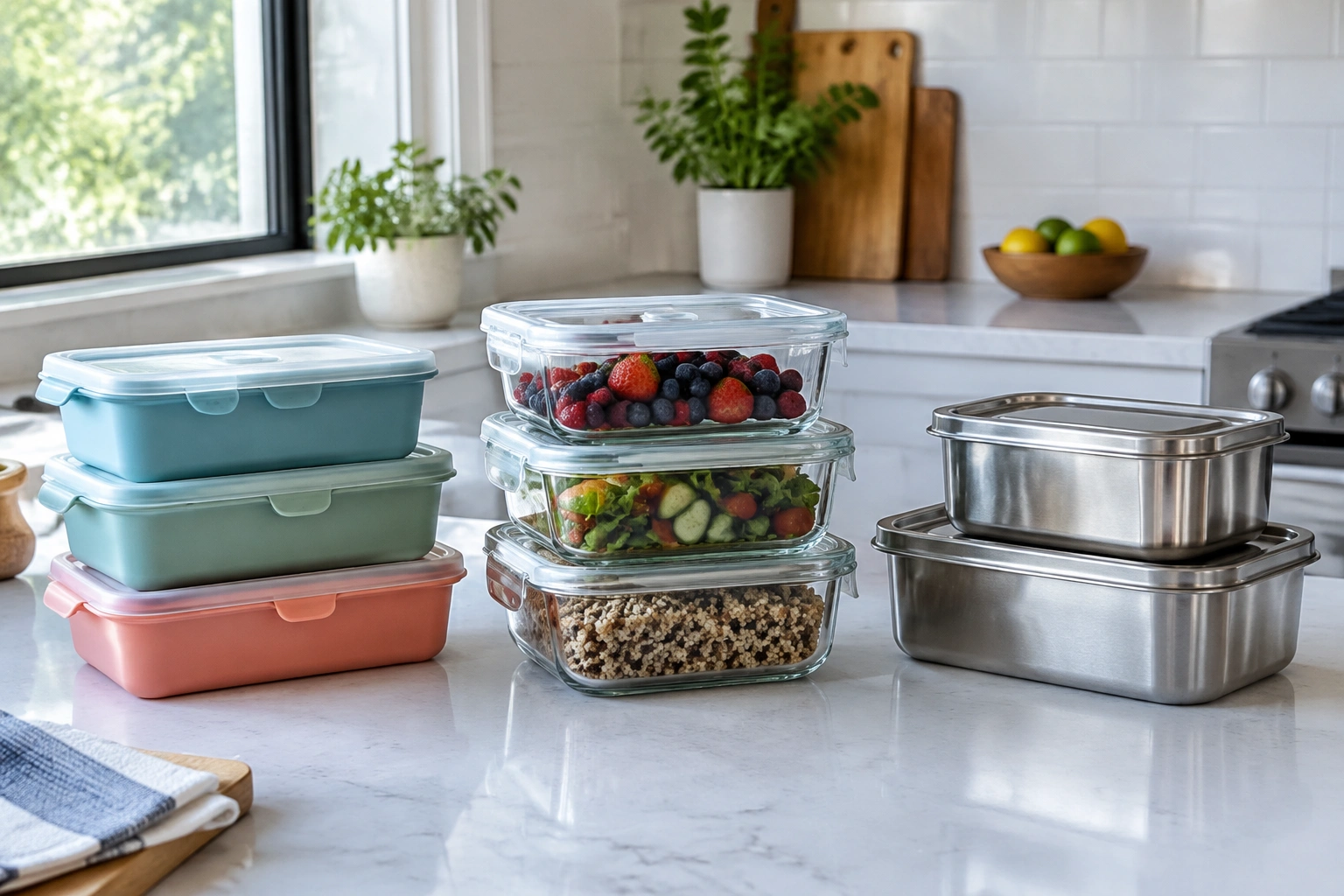
Look for clear food-contact language
The product should say food-grade silicone, food-safe silicone, or similar wording. If the listing is vague, that is not enough.
Check for temperature limits
A trustworthy product usually lists a usable temperature range for microwave, oven, freezer, and dishwasher use. If the brand will not give a number, I would not rely on it for hot food.
Look for credible compliance claims
FDA or LFGB food-contact claims are useful signals. They are not a magic stamp of perfection, but they are better than marketing language alone.
Feel and smell the material
Good silicone should not have a strong chemical odor after washing. It should feel smooth and resilient, not greasy or sticky.
Check the lid and seal
The container body is only half the story. The lid must also be food-safe and suitable for the temperatures you plan to use. A weak seal makes the container less useful for lunches and more likely to leak in a bag.
Inspect for wear
Cracks, deep scratches, warping, or tacky spots are reasons to retire the container from food use.
Read the label like a shopper, not a marketer
“Food-grade” and a real temperature rating are useful. “BPA-free” is common, but it matters more for plastic than for silicone, since silicone does not rely on BPA in the first place. Look for food-contact certifications or compliance statements, not just broad claims like “safe,” “eco-friendly,” or “premium.” If the packaging does not say whether the lid, seal, and body are all food-contact safe, assume you still have questions.
If you want a practical shortcut, buy silicone only when the product page answers these questions clearly. If it does not, choose glass or stainless steel instead.
Best Uses and Limitations for Meal Prep and Family Food Storage
Silicone is especially useful when you want a container that is light, flexible, and less likely to break if dropped. That makes it appealing for lunch bags, kid-friendly meal prep, and freezer storage.
Best uses
- Storing cooked grains, vegetables, or leftovers in the fridge
- Packing lunches where weight matters
- Freezer portions of sauces, soups, or casseroles
- Reheating individual servings when the product is clearly rated for it
Where silicone is less ideal
- Very hot liquids if the lid or seal is not clearly rated
- Foods that stain or absorb odors easily, such as strongly spiced dishes
- Long-term storage when you want a rigid, stackable container with a tight seal
A useful reality check: silicone is flexible, and that flexibility is both a benefit and a drawback. It is easier to carry, but it may not feel as secure as a rigid container when you are transporting a full soup or a heavy meal.
Iowa State University Extension also notes that all food storage containers should provide a secure, air-tight seal. That matters just as much for silicone as it does for any other material. A container that does not seal well is not doing its job, no matter how safe the material is.
Silicone vs Plastic, Glass, and Stainless Steel
Here is a practical comparison to help you choose based on use, not hype.
| Material | Safety for food contact | Heat tolerance | Leak resistance | Weight | Durability | Convenience |
|---|---|---|---|---|---|---|
| Silicone | Good when food-grade and properly rated | Often high, but product-specific | Depends on lid and seal | Light | Flexible, can wear over time | Good for reheating and travel |
| Plastic | Varies by quality; best when food-grade and undamaged | Usually lower than silicone or glass | Often good when lids fit well | Very light | Can scratch, cloud, or warp | Budget-friendly and common |
| Glass | Excellent for food contact | Strong for oven and fridge use, but check thermal shock risk | Often very good | Heavy | Long-lasting if not broken | Great for odor resistance and visibility |
| Stainless steel | Excellent for food contact | Very high, but not microwave-safe | Good with proper lids | Light to moderate | Extremely durable | Best for durability, not reheating |
Silicone vs plastic
Silicone usually wins on heat tolerance and avoids some concerns people have with plastic. Plastic often wins on price and availability. If your budget is tight and you mainly store cold food, a good plastic container may still be practical. If you reheat often, silicone has an edge. In other words, choose silicone for everyday meal prep when you want one container that can handle fridge-to-microwave use and you are willing to pay a bit more upfront; choose plastic when you mainly need an inexpensive, lightweight option for cold lunches, snacks, or short-term storage.
Silicone vs glass
Glass is better if odor resistance and long-term rigidity matter most. Silicone is better if you want lighter weight and less breakage risk. For a packed lunch that gets carried around all day, silicone can be easier. For tomato sauce or curry that stains easily, glass is often the cleaner choice.
Silicone vs stainless steel
Stainless steel is the durability champion. It is excellent for lunches and dry storage, but it cannot go in the microwave. If reheating in the container matters, stainless steel is less convenient.
How to Care for Silicone Containers So They Stay Safe
Good care helps preserve both cleanliness and performance.
Wash the container thoroughly after oily or strongly flavored foods. Silicone can hold onto odors more than glass, especially if the food was heavily spiced or acidic. If a container keeps smelling after washing, that is a quality and cleanliness issue worth paying attention to.
Inspect the seal, lid, and corners regularly. If you notice cracks, warping, tackiness, or a surface that feels degraded, retire the container from food use.
Avoid using the container outside the listed temperature range. Repeated overheating can shorten its useful life. The same goes for freezing if the manufacturer does not approve it for that use.
If you are storing leftovers, let very hot food cool a bit before sealing the lid tightly. That helps reduce steam buildup and makes the container easier to handle safely.
When to Avoid Silicone Containers
Skip silicone containers when:
– The product is not clearly labeled for food use
– The brand provides no temperature guidance
– The container smells strongly even after washing
– The surface feels sticky, oily, or degraded
– The lid does not seal well enough for your food
– You need a container for very hot liquids and the product is not explicitly rated for that use
Also avoid using old or damaged silicone just because it still “looks okay.” Wear can change how a container performs, especially with repeated heating and washing.
If you are comparing a cheap unbranded silicone container with a plain glass container from a reputable source, I would usually choose the glass. Safety and predictability beat novelty.
Bottom Line: Should You Buy Silicone Containers?
Yes, silicone containers can be safe for food storage and meal prep when they are clearly food-grade, well made, and used within the manufacturer’s instructions. They are especially useful for busy households that want lighter containers for lunches, leftovers, and freezer portions.
Choose silicone if you want:
– lighter weight than glass
– better heat tolerance than most plastic
– less breakage risk
– flexible storage for meal prep and travel
Choose glass if you want:
– the best odor resistance
– a rigid container that feels stable
– a long-term storage option for repeated use
Choose stainless steel if you want:
– maximum durability
– a strong option for lunches and dry storage
– a container that will not be used in the microwave
For most home cooks, the smartest purchase is not “silicone versus everything else.” It is a food-grade container with a clear temperature rating, a reliable lid, and a use case that matches your kitchen routine.
FAQ
Are silicone containers BPA-free?
Silicone containers are generally considered BPA-free, but that claim is more relevant to plastic than to silicone. A better buying check is whether the product is clearly food-contact safe and independently compliant with a recognized standard.
Is platinum-cured silicone safer than regular silicone?
Platinum-cured silicone is often used for higher-quality food-contact products, but the term alone is not a guarantee. Look for the full food-contact claim, temperature rating, and the quality of the lid and seal.
Can I use silicone containers every day for meal prep?
Yes, if they are food-grade and used within the stated temperature limits. They are especially practical for lunches, leftovers, and freezer portions.
Is silicone better than plastic for meal prep?
Often yes if you reheat food regularly or want a more heat-tolerant option. Plastic is still the more practical choice if you want the lowest-cost, lightest option for cold storage or short-term use.
How do I know if a silicone container is low quality?
Warning signs include a strong chemical smell, a greasy or sticky feel, poor molding, vague labeling, and no clear temperature or food-contact information.
What should I buy if I want the safest all-around option?
For many shoppers, glass is the safest-feeling all-around choice because it is rigid, easy to inspect, and highly odor resistant. Silicone is a strong second choice when breakage risk and weight matter more.