
Baking Soda and Beans Tips for Faster Cooking

Baking soda can help dried beans cook faster by making the cooking water slightly alkaline. Use only a small amount, though, because too much can make the beans mushy or taste soapy.
Adding baking soda to beans can shorten cooking time, but it works best when you use a small amount and keep an eye on texture. For the right beans and the right batch, this simple pantry trick can help dried beans soften faster without a long soak.
- Best use: Works most reliably for dried, older, or hard-to-soften beans.
- Use sparingly: Tiny amounts help; too much damages texture and flavor.
- Watch the cook: Test beans often near the end to avoid overcooking.
- Know the limits: Canned beans, fresh beans, and pressure cooking may not need it.
Why Bakers and Home Cooks Add Baking Soda to Beans
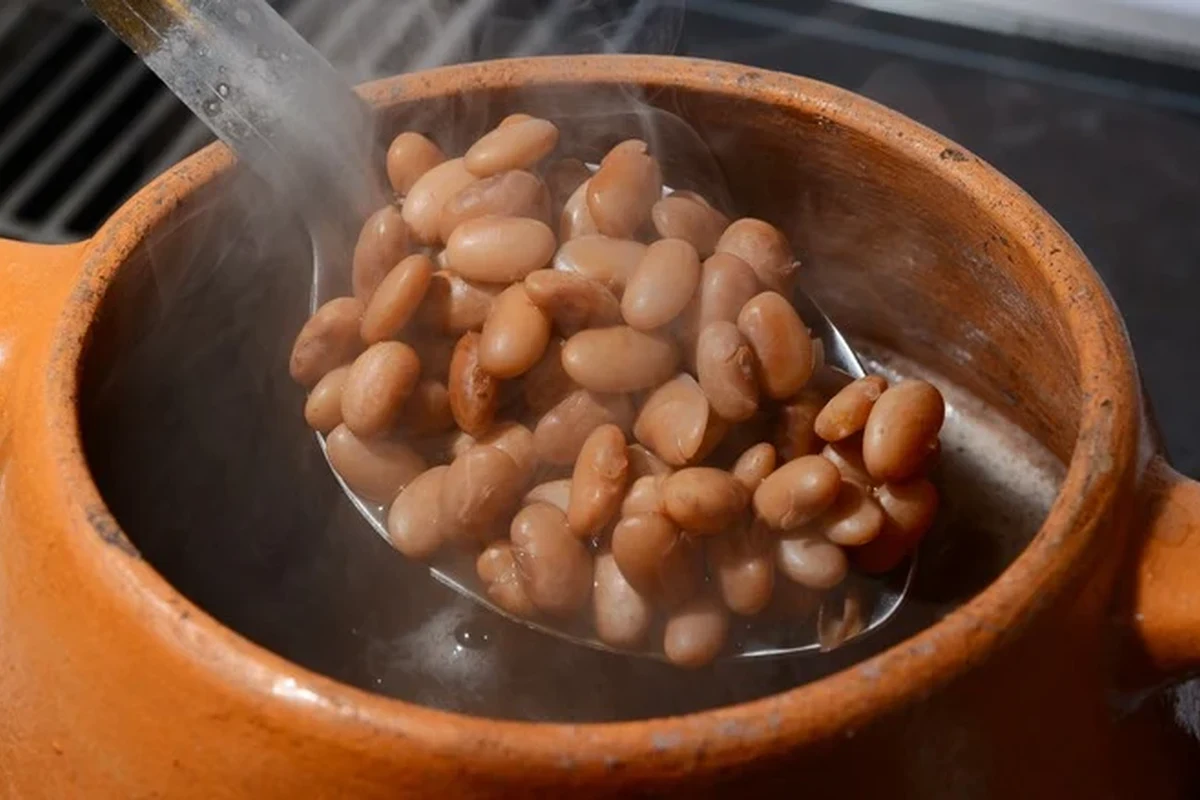
Baking soda is alkaline, which means it raises the pH of the cooking water. That change helps break down some of the natural compounds in bean skins and cell walls, so water can move into the beans more easily and they soften sooner.
This is one reason the method shows up in both home kitchens and recipe testing. It is also why the same approach can behave differently depending on bean age, water quality, and how long the beans cook.
How alkalinity changes bean skins and cooking time
When bean skins stay tough, the inside of the bean can take much longer to soften. A slightly more alkaline cooking liquid helps loosen that outer layer, which can reduce the time needed for the bean to become tender.
The effect is usually most noticeable with dried beans that have been sitting in the pantry for a while. It can also help when the cooking water is hard, since minerals in hard water can slow softening and make beans cook unevenly.
When the method helps most: dried beans, older beans, and hard water situations
This technique is most useful for dried beans that are not fresh from harvest, especially if they have been stored for months. It can also help with beans that seem stubborn even after soaking, or when you live in an area with mineral-heavy tap water.
If you are already working with very fresh dried beans, the benefit may be smaller. For more on how ingredient chemistry changes common kitchen results, see our guide to baking soda versus baking powder and how each one behaves in heat.
Use baking soda as a helper, not a main ingredient. A tiny amount is usually enough to change the cooking water without leaving a noticeable flavor behind.
How Much Baking Soda to Use for Beans Without Ruining Texture
Small amounts matter here. Too little may not make a clear difference, while too much can push beans past tender and into soft, fragile, or slightly slippery texture.
Practical measurement ranges for small and large batches
For a standard pot of dried beans, many cooks use only a small pinch to 1/4 teaspoon of baking soda per pot of cooking water. For larger batches, the amount should still stay modest and be adjusted to the volume of beans and water rather than guessed generously.
If you are cooking a very large batch, start low. It is easier to add a little more in a future batch than to rescue beans that have gone too far.
Exact amounts vary by bean type, water hardness, pot size, and whether the beans were soaked. Measuring by the pot rather than by eye helps keep results more consistent.
Why too much baking soda can make beans mushy or soapy
Excess baking soda can weaken the bean structure too quickly. Instead of helping the skin relax just enough for water to enter, it can break down the bean surface and create a mushy or chalky bite.
Too much can also leave a soapy or metallic taste. That off-flavor is a sign the water became too alkaline, which is the opposite of what you want in a balanced bean dish.
Do not treat baking soda as a flavor booster for beans. If the finished pot tastes sharply alkaline, the batch likely had too much baking soda or cooked too long after it was added.
Step-by-Step Method for Cooking Beans Faster with Baking Soda
The safest way to use baking soda and beans is to keep the process simple and controlled. Start with clean beans, add only a small amount of baking soda, and test for doneness often near the end of cooking.
Rinsing, sorting, and optional soaking before adding heat
First, sort the beans for stones, broken pieces, or debris, then rinse them well. Soaking is optional, but it can still help with even cooking, especially for larger beans like chickpeas or kidney beans.
If you soak, drain and rinse before cooking unless your recipe specifically says otherwise. This keeps the cooking liquid cleaner and makes it easier to judge the effect of the baking soda.
- Sort out stones and damaged beans
- Rinse the beans thoroughly
- Choose a pot with enough room for expansion
- Measure baking soda carefully before adding heat
When to add baking soda during stovetop, pressure cooker, or slow-cooker cooking
On the stovetop, add the baking soda after the beans and water are in the pot, then stir well so it disperses evenly. In a pressure cooker, use even less than you would on the stovetop, since pressure already speeds softening and overcooking can happen fast.
In a slow cooker, be cautious. Long, gentle cooking can already soften beans well, and too much baking soda may make the final texture overly soft before the beans are fully flavored.
Rinse and sort the beans, then place them in the cooking vessel with fresh water.
Use only a modest measured amount so the water becomes slightly alkaline, not strongly soapy.
Test beans as they near tenderness so you can stop before the skins collapse.
Checking doneness without overcooking the batch
Beans are done when they are tender all the way through, not just soft on the outside. Taste a few beans from the center of the pot and press them between your fingers or against the side of the pot; they should yield without a chalky core.
If the skins are splitting but the middle still feels firm, the cooking liquid may have been too alkaline, the heat may have been too high, or the beans may simply need more time. Lower the heat and keep checking every few minutes.
Bean age matters as much as cooking method. Older dried beans often take longer to soften because their structure changes during storage.
Best Bean Types and Situations for This Technique
Baking soda and beans work best together when the goal is to reduce cooking time on dried legumes that can be stubborn. The method is useful, but it is not equally helpful for every bean or every cooking style.
Black beans, kidney beans, chickpeas, pinto beans, and other common dry beans
Black beans, kidney beans, chickpeas, and pinto beans are all reasonable candidates because they are commonly cooked from dry and can vary a lot in age and hardness. Larger or denser beans often show the biggest improvement when the water chemistry is adjusted carefully.
If you are planning a bean-based meal prep day, this can be a practical shortcut for batch cooking. It pairs well with recipes that need fully tender beans, such as soups, stews, burritos, and purees.
Great for large batches because a small time savings adds up when you cook several cups at once.
Useful when you want a softer final texture for dips or spreads, as long as you avoid overdoing the soda.
When canned beans, fresh beans, or very old beans are poor candidates
Canned beans do not need this treatment because they are already cooked. Fresh beans are also less likely to benefit, since their structure has not had long storage time to harden.
Very old beans are a mixed case. Baking soda may help them soften, but if they are extremely aged, they can still cook unevenly or stay firm in the center. In that case, the issue may be bean quality more than the cooking method.
Common Mistakes That Affect Flavor, Texture, and Nutrition
Most problems with baking soda and beans come from using too much, adding it at the wrong time, or ignoring the age and quality of the beans. A careful approach keeps the texture pleasant and the flavor clean.
Using too much baking soda or adding it too early
Too much baking soda can break down the bean skins before the interior has time to cook evenly. If it is added very early in a long simmer, the beans may become fragile and lose their shape before they are fully tender.
For better control, start with a small amount and treat the pot like a normal bean cook, not a chemical experiment. If you need more speed, increase heat management and batch planning before you increase the soda.
Beans are soft on the outside but still firm in the middle.
The water may have been too alkaline, or the heat may have been too aggressive. Lower the simmer, cook longer, and reduce the baking soda next time.
Overlooking salt timing, water quality, and bean age
Salt timing can affect how beans feel as they cook, though the effect is usually less dramatic than water quality or bean age. Hard water can slow softening, while soft water can make the soda effect more noticeable.
Bean age is often the hidden variable. If one batch cooks quickly and another takes much longer, the difference may be the beans themselves rather than the recipe.
Why some batches turn soft on the outside but stay firm inside
This usually happens when the outer layer softens faster than the center can hydrate. High heat, very old beans, or too much baking soda can all contribute to that uneven result.
The fix is usually gentler simmering, more time, and a smaller soda dose. If you want a broader look at ingredient behavior in everyday kitchen tasks, our article on baking soda cleaning uses explains why the same ingredient behaves differently depending on how it is used.
- Measure baking soda carefully
- Use a gentle simmer for even cooking
- Test beans often near the end
- Adding a large spoonful by guess
- Boiling beans hard for the whole cook
- Assuming every bean batch will behave the same
Safety, Storage, and Food-Quality Considerations
Beans are a pantry staple, but they still need safe handling. Cook them thoroughly, store them promptly, and pay attention to any unusual smell, texture, or appearance.
How to avoid excessive sodium and off-flavors
Baking soda adds sodium, so use it sparingly if you are watching your salt intake. It is not a major seasoning ingredient in the final dish, and it should not replace proper salting or finishing for flavor.
If the beans taste flat, bitter, or soapy, the batch likely needs less soda next time. The best bean flavor usually comes from balanced water, controlled heat, and seasoning added after the beans are tender.
Hot bean liquid can splatter when stirred or drained. Use a long spoon, keep your hands clear of steam, and drain carefully to avoid burns.
Cooling, refrigerating, and freezing cooked beans after treatment
After cooking, cool beans promptly and refrigerate them in a covered container. For longer storage, freeze them in portioned containers with some cooking liquid to help preserve texture.
Food safety guidance from recognized sources such as USDA emphasizes not leaving cooked foods in the danger zone for too long. If beans are part of a larger batch meal prep, cool them in shallow containers for faster chilling.
When to discard beans that smell unusual, stay hard, or cook unevenly
If cooked beans smell sour, moldy, or otherwise off, discard them. Beans that remain hard after a very long cook may simply be old or poor quality, but if anything seems unusual in odor or appearance, it is safer not to serve them.
Uneven cooking is not always a safety issue, but it is a quality warning. If you keep getting hard centers, the beans may need soaking, fresher stock, better water, or a different cooking method.
Real-World Examples: When Baking Soda Helps and When It Does Not
The value of this method depends on your schedule and your equipment. It can be a smart shortcut in some kitchens and unnecessary in others.
Weeknight meal prep, large-batch cooking, and older pantry beans
If you are cooking beans for several meals at once, shaving even a modest amount of time from the pot can be helpful. That is especially true if the beans are older and you want a predictable result for salads, bowls, or soups.
It can also help when you are using pantry beans that have been sitting a while and you do not want to wait through a long soak. In that situation, baking soda can be a practical backup plan rather than a permanent habit.
Cases where soaking alone or a pressure cooker is the better option
If you already have time to soak beans overnight, soaking alone may be enough. A pressure cooker is often the better choice when speed matters most, because pressure changes how quickly heat moves into the beans.
For cooks comparing methods, our guide to the baking soda and vinegar reaction is a helpful reminder that baking soda behaves differently depending on what it is paired with. In bean cooking, the goal is gentle alkalinity, not an active fizzing reaction.
- Can shorten cooking time for dried beans
- May help older beans soften more evenly
- Uses a pantry ingredient most kitchens already have
- Too much can create mushy texture
- Can leave a soapy taste if overused
- Not necessary for every bean batch
Final Verdict: Is Baking Soda and Beans a Smart Time-Saver?
Yes, baking soda and beans can be a smart time-saver when you are cooking dried beans, especially older beans or batches made with hard water. The method works best when you use a very small amount, cook gently, and stop as soon as the beans are tender.
If you want the most consistent results, start with a normal bean-cooking method first and use baking soda only when you need extra help. For cooks who want speed without guesswork, the next best step is to test one small batch, note the bean type and water quality, and adjust from there.
Use baking soda for beans as a precision shortcut, not a default habit. It is most useful for dried, older, or hard-to-soften beans, and least useful when the beans are fresh, canned, or already easy to cook.
Frequently Asked Questions
Use only a small measured amount, such as a pinch to 1/4 teaspoon per pot, depending on batch size and water volume. Start low because too much can make beans mushy or soapy.
It can help many dried beans, including black beans, pinto beans, kidney beans, and chickpeas. It is less useful for canned beans, very fresh beans, or batches that already cook easily.
You can, but many cooks prefer adding it during cooking for better control. If you soak with baking soda, use a very small amount and rinse well before cooking.
Mushy beans usually mean too much baking soda, too long a cook, or both. The alkaline water can break down the bean structure faster than the center can cook evenly.
Yes, as long as you cool them promptly, refrigerate them in a covered container, or freeze them for longer storage. Follow standard food safety guidance and discard beans that smell off or look unusual.
Not always. Soaking, pressure cooking, and using fresher beans may be better options depending on your schedule and the texture you want.