
15 Baking Soda Food Recipes You Need to Try Today
Baking soda works best in recipes with acid, where it improves rise, browning, and tenderness. The key is measuring carefully and matching it to the right ingredients and timing.
Baking soda does more than help dough rise. In the right recipe, it can improve texture, color, and even flavor balance, which is why it shows up in so many classic bakes and a few savory dishes too.
- Match the acid: Baking soda needs buttermilk, yogurt, citrus, molasses, cocoa, or another acidic ingredient.
- Measure precisely: Too much soda can cause bitter flavor, excess spread, and dark color.
- Use the right recipe: Cookies, pancakes, banana bread, and biscuits are especially good fits.
- Watch the timing: Many batters should be baked soon after mixing for the best lift.
- Check freshness: Old baking soda can weaken rise and make results unreliable.
What Baking Soda Does in Food Recipes and Why It Matters
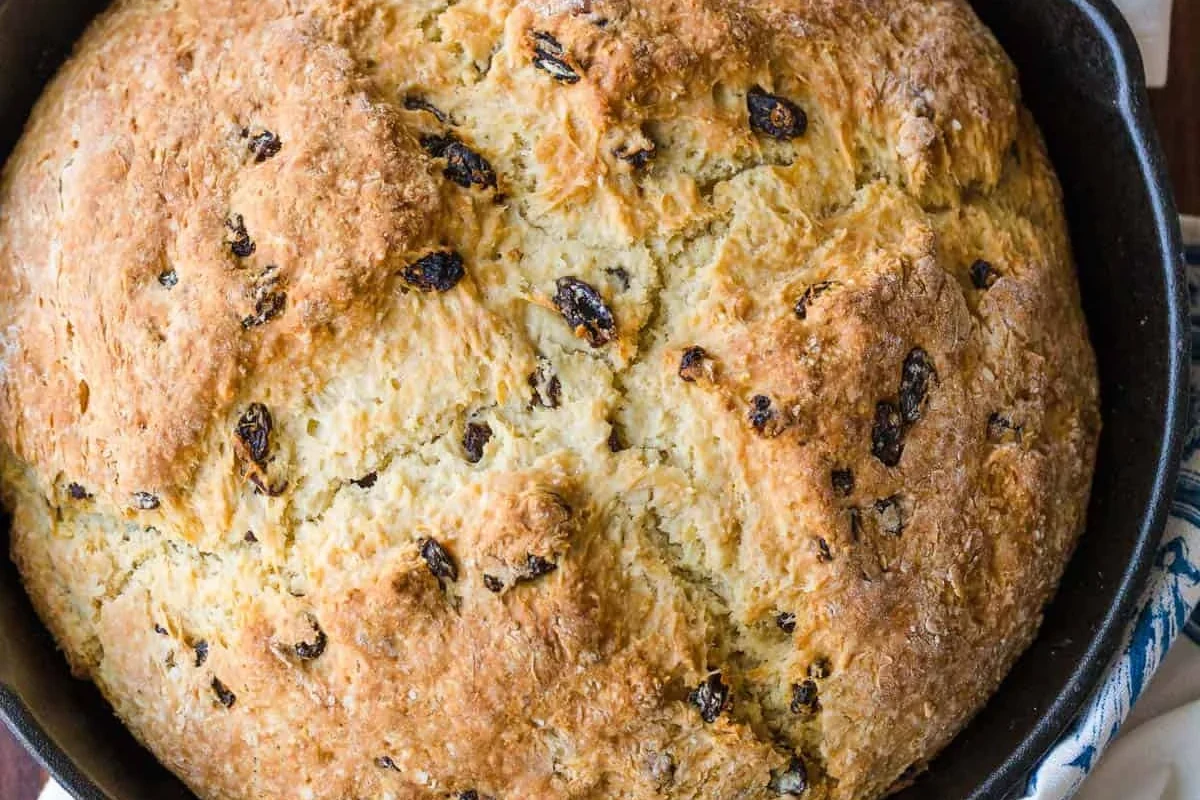
Baking soda is sodium bicarbonate, an alkaline ingredient that reacts with acids and heat. In baking soda food recipes, that reaction can create lift, encourage browning, and soften crumb so the finished food feels lighter and more tender.
Leavening, browning, and tenderness: the core functions
The most familiar job of baking soda is leavening. When it meets an acidic ingredient, it releases carbon dioxide gas that expands during baking and helps batters and doughs rise.
It also raises pH, which speeds browning and changes how proteins and starches set. That is why cookies can spread more, quick breads can brown faster, and some cakes develop a deeper color with a softer bite.
When baking soda works better than baking powder
Baking soda works best when the recipe already contains enough acid to activate it. Think buttermilk, yogurt, sour cream, citrus juice, molasses, natural cocoa, or brown sugar-heavy batters.
Baking powder is a better choice when a recipe does not have much acid because it contains its own acid component. If you swap one for the other without adjusting the rest of the recipe, the texture and flavor can change noticeably.
How acidity from buttermilk, yogurt, citrus, molasses, and brown sugar activates it
Acidic ingredients help baking soda do its job quickly and completely. Buttermilk and yogurt are common partners in pancakes, muffins, and cakes, while citrus and molasses are especially useful in cookies, spice cakes, and gingerbread.
Brown sugar is mildly acidic, so it can support baking soda in recipes like chocolate chip cookies and oatmeal cookies. Natural cocoa is also acidic, while Dutch-process cocoa is less acidic, so the cocoa type can affect how much baking soda a recipe needs.
Baking soda reacts right away once it is mixed with liquid and acid, so many batters should go into the oven soon after mixing for the best rise.
How to Measure Baking Soda Correctly for Reliable Results
Because baking soda is powerful, small measuring errors matter. A level teaspoon may be enough for a batch of cookies or muffins, while too much can leave a soapy taste or a dark, uneven finish.
Typical measurement ranges for cookies, cakes, quick breads, and pancakes
There is no single standard amount for every recipe, but many home recipes use about 1/4 to 1 teaspoon per batch, depending on the size and acidity of the formula. Smaller items like cookies often need less than cakes or quick breads, while pancakes and waffles usually use a modest amount for a light, even rise.
Why “a little extra” can cause soapy flavor, spread, or dark color
Too much baking soda can leave unreacted alkalinity in the food. That is what creates the soapy, metallic, or bitter taste some bakers notice in over-leavened cookies and cakes.
Excess baking soda can also make batter spread too quickly, weaken structure, or turn baked goods overly dark. In recipes with cocoa or molasses, the color may look dramatic even before the flavor is fully balanced.
Scaling recipes safely for half batches and larger batches
When you scale a recipe, keep the ratio of baking soda to acid as close as possible. A half batch should usually use exactly half the baking soda, but only if the rest of the ingredients are also reduced proportionally.
For larger batches, measure carefully rather than guessing. If you are doubling a recipe, it is often safer to weigh ingredients when possible because spooning twice as much by eye can lead to uneven leavening.
- Check that your baking soda is fresh.
- Measure level, not heaping.
- Match the soda to an acidic ingredient in the recipe.
- Preheat the oven before mixing the batter or dough.
15 Baking Soda Food Recipes That Show Its Range in the Kitchen
These baking soda food recipes show how flexible the ingredient can be. Some are sweet, some are savory, and some use baking soda for texture rather than rise alone.
Classic chocolate chip cookies with crisp edges and chewy centers
Baking soda helps cookies brown well and spread into the familiar crisp-edge, chewy-center shape. Brown sugar, butter, and a slightly acidic dough work together to create that classic bakery-style texture.
Buttermilk pancakes with a light, even rise
Buttermilk gives baking soda the acid it needs for a gentle lift. The result is a pancake that cooks up tender, with a fine crumb and a soft, even surface.
Banana bread that stays tender without tasting overly sweet
Bananas bring moisture and mild acidity, which makes them a natural partner for baking soda. In banana bread, the soda helps the loaf rise without making the crumb heavy or gummy.
Snickerdoodles with signature crackly tops
Snickerdoodles rely on baking soda for spread and their classic crackled finish. The sugar coating and cinnamon contrast nicely with the slightly chewy interior.
Gingerbread or spice cake that benefits from acidic molasses
Molasses is acidic, dark, and flavorful, so it pairs well with baking soda in gingerbread and spice cake. The soda helps soften the crumb while supporting the deep, warm color people expect from these bakes.
Fudgy brownies when balanced carefully with cocoa and acid
Brownies need restraint. A small amount of baking soda can improve texture and color, but too much can push them from dense and fudgy into cakey or soapy.
Blueberry muffins with domed tops and soft crumb
Blueberry muffins often use baking soda with buttermilk or yogurt. That combination can support a domed top and a tender crumb without making the batter overly stiff.
Irish soda bread for a fast, no-yeast loaf
Irish soda bread is one of the clearest examples of baking soda in action. Buttermilk activates the soda, giving a quick loaf that bakes without yeast or long proofing.
Oatmeal cookies with controlled spread and browning
Oatmeal cookies benefit from baking soda because it helps them spread in a controlled way and brown evenly. The result is a cookie that stays hearty but not dry.
Waffles with a crisp exterior and airy interior
Waffle batter often contains buttermilk or another acid, which helps baking soda create lift. That lift supports a crisp shell and a lighter interior, especially when the batter is not overmixed.
Chocolate cake with balanced lift and color
Chocolate cake recipes often depend on baking soda to react with cocoa and other acidic ingredients. This can deepen color, improve tenderness, and create a more balanced, less flat-tasting chocolate flavor.
Biscuits that rise fast and bake up tender
Biscuits are a good fit for baking soda when the dough includes buttermilk or another acidic dairy. The soda helps the biscuits puff quickly in the oven, especially when the dough stays cold before baking.
Soft pretzels with a baking soda bath for shine and chew
Soft pretzels use baking soda in a different way: as a bath or dip that changes the surface of the dough. That alkaline coating helps create the signature shiny crust and chewy bite.
Roasted chickpeas or crispy snacks that use baking soda for texture
In some savory snacks, a small amount of baking soda can help create a crisper exterior or soften skins before roasting. This is a technique that needs caution because too much alkalinity can affect taste.
Tomato-based sauces or bean dishes where a pinch can reduce sharpness
A tiny pinch of baking soda can soften acidity in tomato sauces or speed tenderness in some bean dishes. Use care, because a heavy hand can flatten flavor and make the dish taste dull or overly alkaline.
In savory cooking, baking soda is usually a precision ingredient, not a casual add-in. Start with a very small amount and taste as you go.
Ingredient Roles and Flavor Balance Behind the Best Results
The best baking soda recipes are really about balance. Baking soda needs the right amount of acid, moisture, fat, and structure to perform well without leaving an off flavor.
How fats, sugars, eggs, and acids interact with baking soda
Fat tenderizes and helps trap air, sugar holds moisture and supports spread, and eggs provide structure. Baking soda works within that system by lifting the batter and changing pH, which can affect both texture and browning.
Acid is the key partner. Without enough acid, the soda may not fully react, and the finished food can taste harsh or look too dark.
Why cocoa type, flour protein, and dairy choice matter
Natural cocoa is acidic, while Dutch-process cocoa is less acidic, so the same recipe may need a different leavener depending on the cocoa used. Flour protein also matters because higher-protein flour can create more structure and a firmer chew.
Dairy choice changes the acid level too. Buttermilk, yogurt, and sour cream generally support baking soda better than regular milk, though many recipes use a blend for moisture and balance.
Examples of ingredient swaps that change rise and texture
Swapping brown sugar for white sugar can increase acidity and moisture, which may increase spread and browning. Replacing buttermilk with regular milk may reduce the acid available to activate baking soda, so the recipe may need a different leavener.
Using Dutch-process cocoa in a recipe written for natural cocoa can also change the rise. That is one reason it is best to follow the exact ingredient type when a recipe depends on baking soda.
- Improves browning and tenderness
- Works fast in acidic batters
- Helps create classic cookie and cake textures
- Can taste bitter if overused
- Needs the right acid balance
- Can cause spread or collapse if the formula is off
Method, Doneness, and Troubleshooting for Baking Soda Recipes
Technique matters as much as ingredient choice. Even a well-balanced recipe can fail if the batter sits too long, the oven runs hot, or the pan size changes the bake time.
Mixing order, resting time, and immediate baking for best lift
Many baking soda recipes work best when dry ingredients are whisked together first, then mixed with wet ingredients just until combined. Overmixing can develop too much gluten in flour-based batters and make the final texture tough.
Because the reaction starts as soon as liquid and acid meet the soda, some batters should be baked right away. If a recipe calls for resting, that usually means the formula is designed for it; otherwise, delay can reduce lift.
Preheat the oven, measure accurately, and line or grease pans as needed.
Bake until the edges set and the center shows the right spring-back for the recipe.
Cool in the pan briefly, then move to a rack so steam does not soften the crust too much.
Visual doneness cues: color, spread, spring-back, and internal texture
Look for even browning, set edges, and a center that springs back lightly when touched. Muffins should feel firm at the top and no longer wet in the middle, while cookies should look set at the edges even if the center still seems soft.
Quick breads and cakes often need a clean tester or a few moist crumbs, depending on the recipe. Since oven calibration varies, visual cues are often more reliable than the clock alone.
Common mistakes: flat cookies, metallic taste, dense crumb, and uneven browning
Cookies spread too much or taste bitter.
Measure the soda carefully, confirm the recipe has enough acid, and chill the dough if the formula is meant to be chilled.
Cake or bread turns dense and heavy.
Check freshness, avoid overmixing, and make sure the leavener was not omitted or undermeasured.
Baked goods brown too quickly.
Reduce excess soda, verify oven temperature, and move the pan to a lower rack if the recipe allows it.
How to fix recipes that need more acid, less soda, or better timing
If a recipe tastes alkaline, it may need less baking soda or more acid from ingredients already present in the formula. If a baked good is flat, the problem may be stale soda, too little acid, or batter that sat too long before baking.
For repeated issues, change one variable at a time. That makes it easier to see whether the real fix is ingredient balance, mixing method, oven temperature, or pan choice.
When using baking soda in savory foods, avoid adding large amounts to “fix” flavor. Too much can create an unpleasant alkaline taste and may overpower the dish.
Storage, Freshness, and Food Safety Considerations
Good texture does not end when the pan comes out of the oven. Cooling, storage, and ingredient freshness all affect whether baking soda recipes stay pleasant to eat.
How to store baked goods so texture holds after cooling
Cool baked goods fully before sealing them, or trapped steam can make crusts soft and muffins gummy. Store cookies, muffins, and quick breads in airtight containers once they are completely cool.
For longer storage, freeze items like muffins, biscuits, and quick breads well wrapped. Reheat gently so the texture improves without drying out.
When baking soda loses potency and how to test freshness
Baking soda can lose effectiveness over time, especially if it absorbs moisture or odors from storage. If you are unsure, test it according to a trusted kitchen method: it should react strongly with an acid such as vinegar or lemon juice.
Store it tightly sealed in a dry place away from strong-smelling ingredients. If the box has been open for a long time, replacing it is often the simplest way to avoid weak rise.
Safe handling in savory recipes, including avoiding excess alkalinity
In savory cooking, a little baking soda can be useful, but excess alkalinity can affect both flavor and safety of the eating experience. Keep it measured, especially in sauces, beans, and batters that are not meant to be strongly alkaline.
Also remember standard kitchen safety: raw flour can carry germs, and raw eggs should be handled with care. Follow current food safety guidance from recognized official sources such as USDA and FDA when a recipe involves undercooked batter, eggs, or long holding times.
Choosing the Right Baking Soda Recipe for Your Skill Level and Occasion
If you are new to baking soda, start with recipes that clearly include an acid and have forgiving textures. Once you understand how it behaves, you can move into more sensitive formulas like cakes, brownies, and pretzels.
Best beginner-friendly recipes for weeknight baking
Chocolate chip cookies, banana bread, pancakes, and oatmeal cookies are good starter recipes. They are familiar, easy to portion, and usually show clear visual cues when baked correctly.
Biscuits are also a strong choice if you are comfortable handling cold dough and want quick results. The main skill is working fast enough to keep the butter or fat from melting too soon.
Best recipes for holiday trays, brunch, and make-ahead treats
Snickerdoodles, gingerbread, blueberry muffins, and chocolate cake fit well on holiday tables and brunch spreads. Irish soda bread and soft pretzels are also useful when you want something impressive without a long yeast schedule.
For make-ahead baking, choose items that freeze well and reheat cleanly, such as muffins, biscuits, and some cookies. That gives you flexibility without sacrificing texture.
Final recap: which baking soda food recipes are worth trying first
If you want the shortest path to success, start with pancakes, chocolate chip cookies, and banana bread. Those recipes show the main strengths of baking soda: lift, tenderness, and better browning.
After that, try snickerdoodles, biscuits, or Irish soda bread to see how baking soda changes texture in different doughs. Once you understand the balance of acid, timing, and measurement, baking soda food recipes become much easier to control.
- Use level measurements and fresh ingredients
- Match baking soda with an acidic component
- Bake batters soon after mixing when the recipe calls for it
- Adding extra soda to force more rise
- Substituting ingredients without checking acidity
- Ignoring oven calibration or pan-size changes
For the best results, choose recipes that clearly explain why baking soda is included and follow the ingredient list closely. That approach gives you more reliable rise, better texture, and fewer surprises in both sweet and savory cooking.
Frequently Asked Questions
Use baking soda when the recipe includes an acidic ingredient like buttermilk, yogurt, molasses, citrus, or natural cocoa. Use baking powder when the recipe does not have enough acid to activate baking soda on its own.
Many home recipes use about 1/4 to 1 teaspoon, depending on batch size and acidity. Always follow the recipe first, because the right amount depends on the full ingredient balance.
That usually means there is too much baking soda or not enough acid to neutralize it. Measure carefully and check that the recipe includes an acidic ingredient.
Not directly, because baking soda needs acid to work and baking powder already contains acid. A swap usually requires other recipe changes, so it is best to follow a formula written for the leavener you have.
Cool them completely before storing to prevent trapped steam from softening the texture. Keep them in airtight containers or freeze them well wrapped for longer storage.
Yes, when used in very small measured amounts. Too much can make food taste alkaline, so it is best to add only what the recipe calls for and follow food safety guidance for the rest of the ingredients.
