
Baking Soda on Tomato Plants Benefits and Risks Explained

Baking soda can help with mild fungal pressure on tomato plants, but only when used very lightly and carefully. It can also burn leaves, affect soil balance, and fail completely if the real problem is poor airflow, watering, or disease severity.
Baking soda on tomato plants is a popular home-garden shortcut, but it is not a miracle fix. Used carefully, it may help with some fungal pressure; used carelessly, it can stress plants and even make growing conditions worse.
- Best use: Mild, early fungal issues on otherwise healthy tomato plants.
- Main risk: Overuse can cause leaf burn, salt buildup, and soil imbalance.
- Not a cure-all: It will not fix pests, bacterial disease, or crowded growing conditions.
- Safer approach: Test a small area first and spray only in cool, low-sun conditions.
- Better long-term fix: Focus on airflow, base watering, mulch, and resistant varieties.
What Baking Soda Does to Tomato Plants in 2026 Gardening Advice
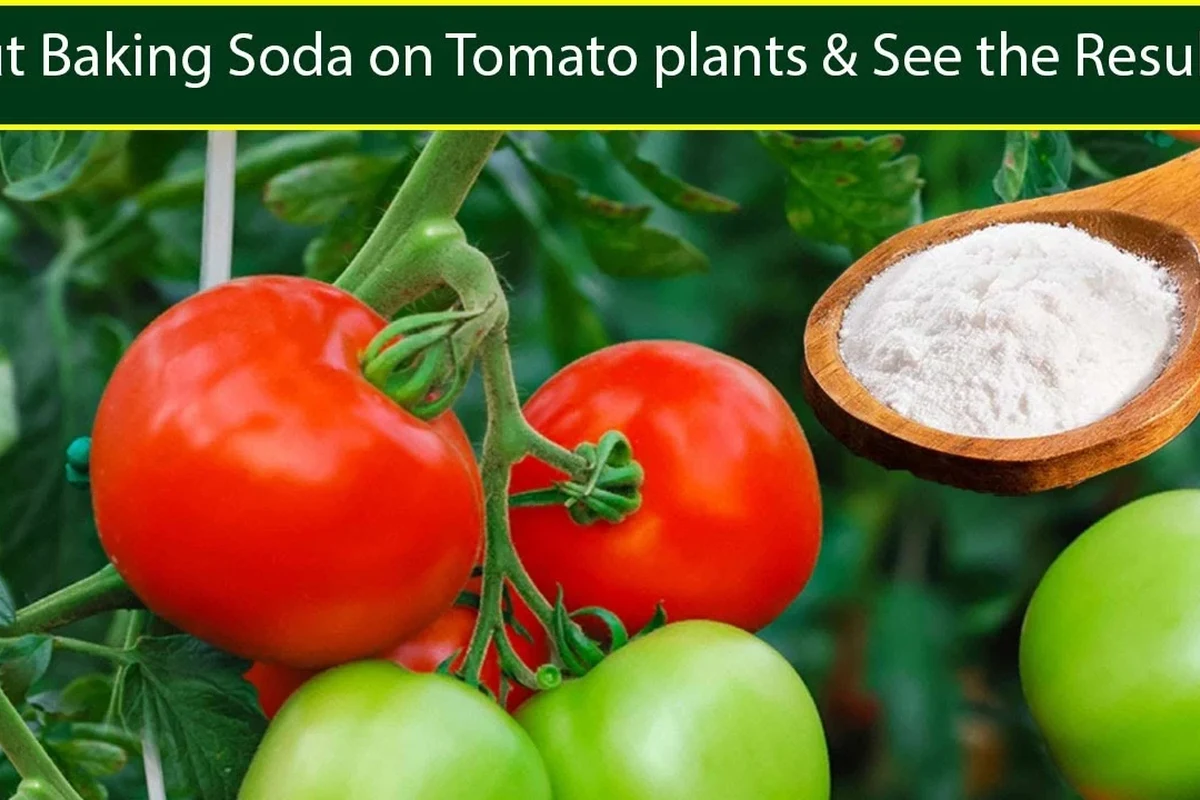
Baking soda is sodium bicarbonate, a mildly alkaline compound. Gardeners still reach for it because it is inexpensive, easy to find, and often already in the pantry, much like when people compare pantry staples in articles such as using baking soda instead of baking powder safely.
Why gardeners still use baking soda around tomatoes
The main reason is that baking soda can make leaf surfaces less friendly to certain fungal spores. It is not a pesticide in the strong, broad sense, but it may slightly shift the surface environment enough to slow some common tomato leaf problems.
Home gardeners also like that it feels simple and low-cost. That said, “natural” does not automatically mean “gentle” or “safe for repeated use,” especially on a crop as sensitive to stress as tomatoes.
How baking soda interacts with leaf surfaces and soil
On leaves, baking soda dissolves in water and leaves behind sodium and bicarbonate ions. Those ions can change surface pH and, at higher concentrations, leave residue that interferes with normal leaf function.
In soil, repeated use can add sodium over time. Tomatoes prefer well-balanced soil with steady moisture and accessible nutrients, so the issue is not just pH but also salt load and how that affects roots.
Baking soda works very differently from baking soda and vinegar reactions used for cleaning. On plants, the goal is a mild surface change, not an active fizzing reaction.
Potential Benefits for Tomato Plant Care
For a healthy tomato plant, the best results usually come from prevention first and chemical shortcuts second. Baking soda may have a place when disease pressure is light and you want a cautious, temporary option.
Using baking soda to discourage fungal issues like early blight or powdery mildew
Gardeners often try baking soda sprays for early blight, powdery mildew, and similar fungal-looking leaf damage. It may help suppress surface growth, especially when the problem is caught early and the plant still has good airflow.
Still, baking soda is better thought of as a support measure than a cure. If the infection is advanced, the plant is crowded, or the weather stays wet and humid, the spray alone usually will not solve the issue.
Fungal pressure often increases when leaves stay wet for long periods. That is why airflow and watering habits matter just as much as any spray.
Possible impact on fruit sweetness claims and what evidence actually shows
You may hear that baking soda makes tomatoes sweeter. That claim is common, but it is not something gardeners should treat as proven fact.
Fruit flavor depends on variety, sun exposure, ripeness, watering consistency, and soil nutrition. If a baking soda spray seems to “improve sweetness,” it is more likely that the plant was already maturing well or stress levels changed for other reasons.
When a light application may be useful in a home garden
A light application can make sense when a plant has only a few early spots, you have already improved airflow, and you want a gentle, temporary measure. It may also be reasonable for container tomatoes where you can monitor the plant closely and stop quickly if leaves react badly.
If you are already managing basic tomato care well, a mild spray can be one more tool. The key is to use it sparingly and watch the plant’s response, not assume more is better.
- Low-cost and easy to mix
- May help slow mild fungal spread
- Useful as a short-term home-garden option
- Can damage leaves if overused
- Does not fix poor airflow or wet conditions
- May build up sodium in soil over time
Risks and Drawbacks You Should Not Ignore
Most tomato problems are caused by environment, watering, or disease pressure, not by a lack of baking soda. That is why the risks matter just as much as the possible benefits.
Soil pH changes and why overuse can harm tomato growth
Tomatoes generally do best in slightly acidic soil, not strongly alkaline soil. Baking soda is alkaline, so repeated use can push conditions in the wrong direction if it reaches the root zone often enough.
Even if the pH change seems small at first, overuse can still matter in pots or raised beds where soil volume is limited. In those settings, buildup happens faster than in open ground.
Leaf burn, salt buildup, and reduced nutrient uptake
Too much baking soda can leave a crust on leaves or cause visible scorch, especially on tender new growth. You may notice pale patches, curled edges, or dry-looking spots after spraying.
Salt buildup can also interfere with nutrient uptake. When roots struggle to absorb water and minerals properly, the plant may look weak even if the soil is otherwise fertile.
If a tomato plant is already wilted, heat-stressed, or recently fertilized heavily, skip baking soda. Extra salt or alkaline residue can add more stress instead of helping.
Why baking soda is not a cure-all for pests or plant disease
Baking soda does not reliably control insects, bacterial diseases, or severe fungal outbreaks. It may reduce symptoms in some situations, but it does not replace pruning, sanitation, or proper diagnosis.
If leaves are yellowing from nutrient problems, spotting from bacterial disease, or damage from pests, the real fix is different. Treating the wrong problem often wastes time and can delay the correction the plant actually needs.
How to Use Baking Soda Safely on Tomato Plants
If you decide to try it, keep the treatment mild and limited. Think of it as a cautious spot spray, not a routine garden fertilizer or a weekly cure-all.
Common spray ratios and why lower concentrations matter
Many home recipes use a very small amount of baking soda in water, sometimes with a tiny amount of mild soap as a spreader. Exact ratios vary, but lower concentrations are safer because tomato leaves can burn easily.
Do not assume stronger is better. If the mix is too concentrated, the leaf surface can dry out and spot before you get any disease-control benefit.
- Confirm the plant problem looks fungal, not nutrient-related or pest-related
- Mix a mild solution first
- Test spray on a few leaves
- Wait and watch for 24 to 48 hours
Best timing for application to reduce sun damage and runoff
Apply in the early morning or late afternoon when the sun is weaker and leaves can dry gradually. Spraying in full sun increases the chance of leaf burn and wasted runoff.
Also avoid spraying before heavy rain. If the solution washes off quickly, you lose the benefit and may still leave residue on the soil.
Testing on a small section before treating the whole plant
Always test one branch or a few leaves first. Tomato varieties differ, and leaf thickness, plant age, and environmental stress can change how a plant reacts.
If the test area stays healthy and unchanged after a day or two, you can consider treating more. If you see scorch, curling, or spotting, stop immediately.
Keep the spray bottle clearly labeled and stored away from food-prep ingredients. Baking soda is common in kitchens, but plant sprays should never be mistaken for edible-use ingredients once mixed.
Common Mistakes Gardeners Make with Baking Soda Treatments
Many problems come from how the spray is used, not from the idea itself. Small errors add up fast on a plant that already has thin, sensitive foliage.
Applying too often or mixing with the wrong ingredients
Repeated spraying can leave residue and stress the plant over time. Mixing baking soda with strong cleaning agents or random household products is a bad idea because the result may be harsher than expected.
If you are curious about combinations, remember that some pantry mixtures are useful in cleaning but not on living plants. The fact that a blend works in the sink does not mean it belongs on tomato leaves.
Spraying during hot weather or full sun
Heat makes leaf burn more likely. On hot days, the solution can dry too quickly and leave a concentrated film on the leaf surface.
This is one of the most common failure patterns: gardeners see a problem, spray in the afternoon sun, and then blame the plant when the leaves spot or crisp.
Confusing symptom control with solving the root cause
Fungal spotting often shows up when plants are crowded, damp, or poorly ventilated. If you only spray and ignore the growing conditions, the problem usually returns.
Good tomato care is more like proper dough handling than a single shortcut. You still need the right environment, not just one ingredient doing all the work.
Better Alternatives and Supportive Tomato Care Practices
In many gardens, the smartest move is to improve the plant’s environment first. That usually gives longer-lasting results than any spray alone.
Pruning, spacing, and airflow for disease prevention
Remove crowded lower leaves, keep plants spaced well, and allow air to move through the canopy. Better airflow helps leaves dry faster after rain or watering, which makes fungal spread less likely.
Pruning should be careful, not aggressive. Taking too much foliage at once can expose fruit to sunscald and reduce the plant’s ability to grow.
Watering at the base and using mulch correctly
Water near the soil line, not over the leaves. Wet foliage creates the kind of surface conditions that many tomato diseases love.
Mulch can help by reducing soil splash onto leaves and keeping moisture more even. Use it in a moderate layer so water still reaches the roots and the base does not stay soggy.
When organic fungicides or resistant varieties make more sense
If a disease problem keeps returning, a labeled organic fungicide may be a better fit than baking soda. Always follow the product label and local guidance, since approved uses and timing can vary.
For future plantings, disease-resistant tomato varieties often do more than repeated spraying ever will. Resistant seed or transplants can be especially helpful in humid regions or gardens with a history of blight.
If you are unsure whether a tomato problem is fungal, bacterial, or nutritional, compare the symptoms carefully before treating. A wrong treatment can delay the right one.
Practical Garden Examples: When Baking Soda Fits and When It Does Not
Real gardens are messy, and the best choice depends on the plant’s condition, the weather, and the growing setup. Here are a few common situations.
Container tomatoes with early fungal spotting
Container tomatoes can be a reasonable place to try a light baking soda spray because you can monitor them closely. If the spotting is minor and the plant otherwise looks vigorous, a cautious test may be worth trying.
Still, check drainage and watering first. Containers dry out fast, but they can also trap salts if you feed or spray too heavily.
Raised-bed tomatoes in humid climates
In humid areas, disease pressure is often constant, so baking soda may offer only limited help. Raised beds improve drainage, but they do not automatically solve poor airflow or dense planting.
In this case, pruning, spacing, and resistant varieties usually matter more than spraying. Baking soda may be a backup, not the main plan.
Plants already showing stress from poor soil or overfertilizing
If a tomato plant is yellowing from nutrient imbalance, wilting from root stress, or showing fertilizer burn, baking soda is usually the wrong move. The plant needs recovery, not another source of salt or alkalinity.
This is one of the clearest situations where skipping the spray is smarter. Fix the soil, water pattern, or fertilizer routine first, then reassess.
- Use baking soda only as a mild, short-term support tool
- Improve airflow and watering habits first
- Test on a small section before full treatment
- Spraying repeatedly without checking for leaf damage
- Using strong mixes or hot-weather applications
- Relying on baking soda to solve every tomato problem
Final Verdict on Baking Soda for Tomato Plants
Baking soda on tomato plants can be useful in limited situations, especially when you are trying to slow very early fungal issues and you use a weak spray carefully. It is best treated as a small part of a larger care plan, not the main solution.
Best-use recap for cautious home gardeners
Use it lightly, test first, spray in cool conditions, and stop if leaves react badly. Pair it with pruning, spacing, base watering, and good soil management for the best chance of success.
Situations where skipping baking soda is the smarter choice
Skip it if the plant is already stressed, the weather is very hot, the soil is salt-prone, or the problem is clearly not fungal. In those cases, the safer and more effective choice is to correct the growing conditions rather than add another variable.
For most home gardeners, baking soda on tomato plants is a cautious, occasional helper rather than a dependable treatment. Use it only when the plant is otherwise healthy, the disease problem is mild, and you are prepared to stop at the first sign of leaf stress.
For more pantry-ingredient context, it can also help to read about the baking soda and vinegar reaction and whether baking soda expires, since freshness and chemical behavior matter in more than one setting.
Frequently Asked Questions
It may help slow mild fungal issues on leaf surfaces, especially early powdery mildew or light spotting. It is not a cure for severe disease or poor growing conditions.
Yes, especially if the mix is too strong, the plant is stressed, or you spray in hot sun. A small test area is the safest way to check before treating the whole plant.
Use it sparingly and only when needed. Frequent spraying can cause residue, salt buildup, and leaf stress.
There is no solid evidence that baking soda directly makes tomatoes sweeter. Flavor depends more on variety, ripeness, sun, watering, and soil nutrition.
It can be used carefully on container tomatoes, but pots are more sensitive to salt buildup. Start with a weak mix and stop if leaves show any scorch or curling.
Good airflow, base watering, mulch, pruning, and resistant varieties usually do more than baking soda alone. If disease pressure is high, a labeled fungicide may be a better choice.