
Baking Soda on Tomato Plants Benefits and Risks

Baking soda can help with mild fungal pressure on tomato plants, but it is not a cure-all. Use it lightly, spray in the morning, and pair it with good watering, spacing, and cleanup.
If you have seen advice about baking soda on tomato plants, you are not alone. Gardeners use it as a low-cost home remedy, but it works best when you understand what it can do, what it cannot do, and when a different fix is smarter.
- Best use: Mild surface fungus, especially early powdery mildew pressure.
- Main limit: It will not fix advanced disease or poor growing conditions.
- Safety point: Too much baking soda or soap can burn leaves.
- Better support: Base watering, pruning, mulching, and sanitation matter a lot.
What “Baking Soda on Tomato Plants” Means in 2026 Gardening Advice
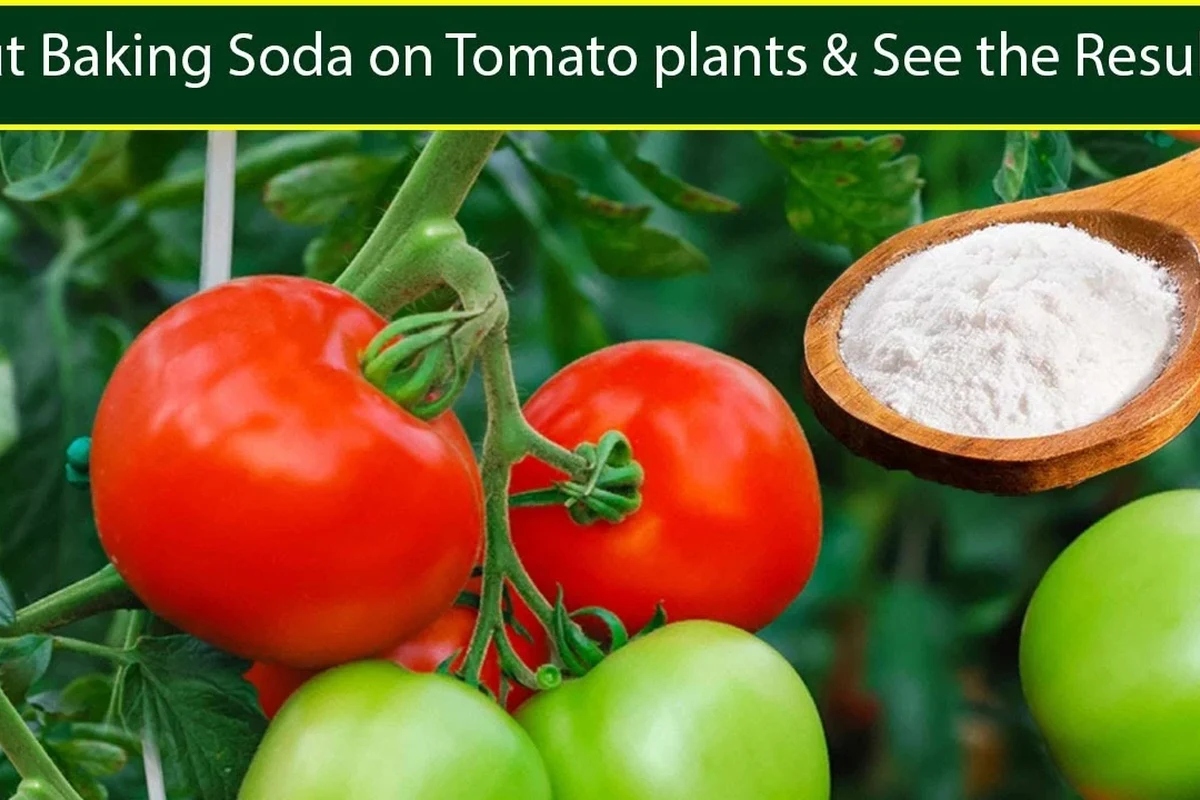
In modern gardening advice, baking soda usually means a simple sodium bicarbonate spray applied to tomato leaves or the soil area around the plant. The goal is not to “feed” the plant. It is to change the leaf surface environment in a way that may make it less friendly to some fungal problems.
Why gardeners still search for this home remedy
People keep searching for it because baking soda is cheap, easy to find, and already sitting in many kitchens. It also feels like a practical first step when a gardener notices white film, spotting, or early disease pressure and wants to act quickly.
That said, a home remedy is only helpful if it fits the problem. Tomato diseases can move fast, and weather, watering habits, and plant spacing often matter as much as the spray itself.
How the topic connects to baking soda blog content at Baking Pastry Schools
At Baking Pastry Schools, we usually talk about baking soda as an ingredient, but the same chemistry shows up in the garden. Baking soda changes pH in small surface-level ways, which is why it gets attention in both kitchen and outdoor cleaning-style uses. If you want a simple science refresher, our guide to the baking soda and vinegar reaction explained simply covers how this ingredient behaves in everyday use.
Baking soda is not the same as baking powder, and it is not a fertilizer. If you are comparing pantry ingredients for different uses, our article on using baking soda instead of baking powder safely explains why the difference matters.
Potential Benefits Gardeners Hope to Get from Baking Soda
Gardeners usually reach for baking soda because they want a simple way to reduce visible fungus pressure and keep tomato foliage looking cleaner. The appeal is understandable: one inexpensive ingredient, one quick spray bottle, and a possible reduction in the spread of some surface problems.
Using baking soda to reduce visible fungal pressure on leaves
Baking soda can raise the pH on the leaf surface, which may make conditions less favorable for some fungi. That is why it is often discussed for powdery mildew and other mild fungal issues. The effect is usually preventive or suppressive, not curative.
Why some growers use it to support cleaner fruit and foliage
When leaves stay cleaner, the plant can sometimes keep making energy more efficiently. Gardeners also like the idea of keeping fruit from being shaded by heavily spotted, declining foliage. Clean-looking plants are easier to monitor, and problems are easier to spot early.
Practical examples of when the method seems appealing
This method often sounds appealing when a gardener sees the first signs of mildew after a humid week, or when lower leaves begin to look dusty and tired. It can also seem useful in a small home garden where the goal is to slow a minor issue rather than rescue a badly damaged crop.
- Low-cost and easy to mix
- May help reduce mild surface fungal pressure
- Simple to apply with basic spray equipment
- Not a cure for established disease
- Can damage leaves if mixed too strongly
- Works poorly if watering and airflow problems continue
What Baking Soda Can and Cannot Do for Tomato Plants
This is the part many gardeners need most: baking soda may help a little, but it is not a full disease-management plan. Tomato plants with serious fungal or bacterial problems usually need better airflow, better watering habits, and sometimes a labeled treatment.
Realistic expectations for powdery mildew, early blight, and leaf spots
For powdery mildew, baking soda is the most commonly discussed use, and it may help suppress light cases. For early blight and leaf spot diseases, the results are less reliable because those problems are often driven by weather, splash-back from soil, and infected plant tissue already in the canopy.
If the plant has many lesions, yellowing lower leaves, or fast spread after rain, baking soda alone is unlikely to stop the issue. At that point, sanitation and disease-specific management matter more than another spray.
Why baking soda is not a cure-all for plant disease
Plant disease is usually a systems problem, not a single-ingredient problem. The fungus, bacteria, or environmental stress is only part of the story; humidity, crowded growth, and wet leaves often create the conditions that let the problem continue.
That is why a spray can look promising for a day or two and then disappoint. If the underlying conditions stay the same, the problem often returns.
When a different treatment or garden practice is the better choice
If the disease is spreading quickly, if fruit is already rotting, or if the plant is losing many leaves, a different approach is usually better. Depending on the issue, that may mean removing infected tissue, using a labeled fungicide, improving drainage, or checking for pest damage that was mistaken for disease.
For food safety and pesticide use, follow official guidance and product labels carefully. USDA and local extension resources are often more reliable than social media advice when the plant problem is unclear.
How to Use Baking Soda on Tomato Plants Safely
If you decide to try baking soda on tomato plants, keep the mix mild and the application light. Stronger is not better here; too much sodium bicarbonate can stress the leaf surface.
Common mixing ratios and why concentration matters
A common home-garden spray starts with a small amount of baking soda in water, sometimes with a tiny amount of mild soap to help it stick. Exact ratios vary by source, plant sensitivity, and local conditions, so it is wise to start conservatively and test on a small section first.
Concentration matters because sodium buildup and leaf injury become more likely as the mix gets stronger. If you are unsure, use the lightest practical mix and watch the plant for 24 to 48 hours before treating more leaves.
Do not assume a stronger spray works better. Overmixing baking soda, or adding too much soap, can burn tomato leaves and create more stress than the original problem.
Spray timing, coverage, and repeat intervals
Spray enough to lightly coat the affected leaves, including the undersides if disease pressure is there, but do not drench the plant. Reapply only as needed, since repeated heavy spraying can leave residue and increase the chance of leaf damage.
Many gardeners use the spray after rain or on a routine interval during mild disease pressure, but timing should depend on plant response and weather. If new spotting appears despite treatment, the issue may be beyond what baking soda can handle.
Best conditions for application: morning, dry leaves, and mild weather
The best time is usually morning, when leaves can dry during the day and the plant is not already heat-stressed. Avoid spraying in hot sun or right before a heat wave, because wet leaves and heat can combine to increase burn risk.
Dry foliage also helps the spray stick more evenly. If the plant is already wilted from heat or dry soil, water it properly first and wait until it recovers before applying anything else.
Baking soda works best as a surface treatment, not a systemic one. That means it affects what it touches, but it does not move through the plant like a true internal medicine.
Risks, Side Effects, and Common Mistakes
The biggest mistake is treating baking soda like a harmless cure-all. Tomato leaves are sensitive, and repeated exposure can create new problems, especially in hot, dry, or already stressed gardens.
Leaf burn, soil buildup, and salt stress from overuse
Too much baking soda can cause leaf edge burn, yellowing, or a dull, stressed look. If it reaches the soil repeatedly, sodium can build up over time and make it harder for roots to take up water normally.
This is especially important in containers, where the root zone is smaller and buildup happens faster. If a potted tomato starts looking worse after treatment, stop spraying and flush the soil only if that fits your container care plan.
Problems caused by spraying in hot sun or using too much soap
Hot sun can turn a mild spray into a leaf-damaging one. Soap is often added to help the solution stick, but too much soap can strip the leaf surface and leave spotting or scorch marks.
When a spray leaves shiny residue, sticky patches, or a faint white film that does not rinse away easily, that is a sign the mix may have been too heavy. The goal is a light coating, not a visible crust.
How overapplication can worsen plant stress instead of helping it
Overapplication can slow the plant down at the exact time it needs to recover. A tomato already fighting disease spends energy repairing tissue, and any extra chemical stress can reduce vigor, flowering, and fruit fill.
If the plant is already drooping, severely spotted, or losing lower leaves fast, repeated sprays may only add pressure. In that case, pruning, sanitation, and diagnosis are more useful than another round of baking soda.
Keep spray solutions away from children, pets, and food-prep surfaces. Wash hands after mixing, and never reuse a kitchen container for garden chemicals unless it is clearly labeled and dedicated to that purpose.
Better Plant-Care Practices to Pair with Baking Soda
Baking soda works best as part of a larger care routine. If the plant stays wet, crowded, or dirty at the base, the spray may only give a short-lived improvement.
Watering at the base, pruning for airflow, and spacing plants properly
Water the soil, not the leaves, whenever possible. Dry foliage lowers the chance that fungal spores will spread, and better airflow helps leaves dry faster after dew or rain.
Pruning a few lower leaves and keeping plants spaced properly can make a bigger difference than a spray alone. Good airflow is one of the simplest disease-prevention tools in tomato gardening.
Mulching, sanitation, and removing infected leaves
Mulch helps reduce soil splash, which matters because many tomato diseases move from soil to lower leaves during watering and rain. Removing fallen, infected leaves also reduces the amount of disease material sitting near the plant.
Use clean tools and avoid composting heavily diseased plant material unless your compost system gets hot enough to handle it safely. If you are not sure, disposal is usually the safer choice.
Why prevention often works better than repeated sprays
Prevention addresses the conditions that let disease start. Repeated sprays only address what is already visible, and even then only partially.
In practice, a healthy tomato bed often depends more on spacing, watering, pruning, and cleanup than on any single home remedy. That is why many gardeners get better results by fixing the growing conditions first.
When to Skip Baking Soda and Choose Another Approach
There are times when baking soda is simply the wrong tool. If the plant problem is severe, fast-moving, or not fungal at all, you will save time by choosing a different approach early.
Signs the plant may need fungicide, pest control, or soil correction
If you see insect damage, sticky residue, chewed leaves, widespread yellowing, or fruit rot, the issue may be pests, nutrient imbalance, or a soil problem rather than a surface fungus. In those cases, a baking soda spray will not solve the root cause.
When disease is confirmed and spreading, a labeled fungicide or another control method may be more appropriate. Always follow the label and local guidance for edible crops.
Situations where organic alternatives may be more effective
Some gardeners get better results from copper-based products, sulfur-based products, or biological controls, depending on the disease and local rules. These are not automatically better, but they may be more effective for a specific problem than baking soda.
For organic gardening, check that any product is labeled for tomatoes and approved for the disease you are trying to manage. Product choice should match the diagnosis, not just the desire to stay natural.
How to judge whether the plant is already too stressed for treatment
If a tomato plant is wilted every afternoon, has large areas of dead tissue, or has stopped growing, it may be too stressed to benefit from cosmetic treatment. At that point, the best decision may be to remove the worst leaves, improve care, and decide whether the plant is worth saving.
Sometimes the honest answer is that the plant is beyond a home remedy. That is not a failure; it is good garden management.
Final Recommendation: Is Baking Soda Worth Using on Tomato Plants?
Baking soda on tomato plants can be worth trying for mild surface fungal pressure, especially if you use a light mix, spray in the morning, and pair it with better watering and airflow. It is inexpensive and easy to test, but it should never replace basic disease prevention or a real diagnosis.
Balanced recap of benefits, limits, and safety concerns
The main benefit is simple: it may help suppress some fungal issues and keep foliage looking cleaner. The main limits are just as important: it will not cure advanced disease, and it can damage plants if overused.
Best-use scenarios for home gardeners in 2026
It makes the most sense for small gardens, early symptoms, and gardeners who want a low-cost first step before moving to stronger products. It is less useful when disease is spreading quickly, weather is very humid, or the plant is already under stress.
Decision guide for choosing whether to try it or move on to another method
If the problem is mild, localized, and clearly fungal, a careful baking soda spray may be a reasonable experiment. If the plant is declining fast, the symptoms are unclear, or the same issue keeps returning, skip the home remedy and choose a more targeted treatment or garden correction instead.
- Use a mild mix and test on a small area first
- Spray in the morning on dry leaves
- Combine spraying with pruning, spacing, and base watering
- Using stronger mixes to “boost” results
- Spraying in hot sun or on wilted plants
- Relying on baking soda alone for severe disease
For gardeners who like simple, practical solutions, baking soda can be a useful tool, but only in the right situation. Treat it like a helper, not a cure, and your tomato plants are more likely to thank you with steadier growth and cleaner leaves.
Frequently Asked Questions
It may help reduce mild surface fungal pressure, especially with powdery mildew. It is not a cure for advanced disease or a replacement for good garden care.
Use it sparingly and only as needed, since repeated heavy spraying can stress leaves. Frequency depends on weather, plant response, and how severe the problem is.
Yes, especially if the mix is too strong or the plant is sprayed in hot sun. A light mix and morning application are safer choices.
Small amounts used carefully are less likely to cause problems, but repeated overuse can add sodium to the soil. Container plants are more vulnerable to buildup than in-ground plants.
If the problem keeps spreading, improve airflow, water at the base, remove infected leaves, and consider a labeled fungicide or local extension guidance. The right choice depends on the exact disease.
A small amount of mild soap is sometimes used to help the spray stick, but too much can damage leaves. Keep the mix light and test a small area first.