
Can Dogs Eat Baking Soda Safe Facts Every Pet Owner Needs
No, dogs should not eat baking soda, and larger amounts can be dangerous. If your dog swallows it, contact a veterinarian or poison hotline quickly.
If you are asking can dogs eat baking soda, the safest answer is no in anything more than a tiny accidental trace. Baking soda can upset a dog’s stomach and, in larger amounts, can become dangerous fast.
- Safety first: Baking soda is not a safe dog treat or home remedy.
- Exposure matters: Small traces may be mild, but larger ingestions can become urgent.
- Know the signs: Vomiting, drooling, weakness, tremors, and seizures are red flags.
- Act quickly: Call a vet or poison control instead of trying risky DIY treatments.
- Prevent spills: Store baking soda sealed and clean residue from pet areas completely.
Can Dogs Eat Baking Soda? What the Search Intent Really Means for Pet Owners
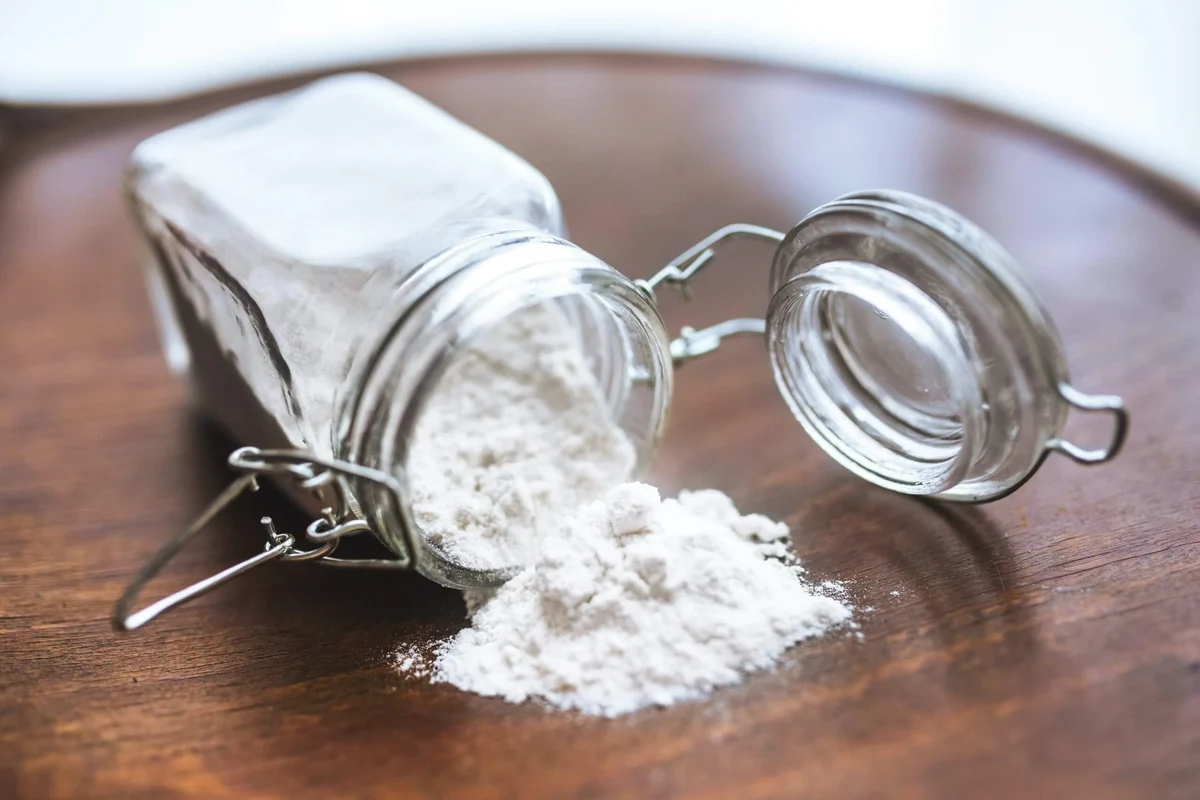
Most people searching this question are not trying to feed baking soda to a dog on purpose. They usually want to know whether a small lick, a dusty paw print, or a homemade cleaning trick is safe around pets.
That is a smart question, because baking soda has a split personality in the home. In baking, it helps dough rise by reacting with acid and heat. Around dogs, though, the same powder can be irritating or harmful if swallowed in enough quantity.
For pet owners, the practical answer is simple: use caution, keep it out of reach, and do not use it as a home remedy without veterinary guidance. If you are also learning how baking soda behaves in the kitchen, our guide on baking soda versus baking powder explains why a small chemistry change can make a big difference.
This article is informational only and does not replace veterinary care. If your dog ate a large amount of baking soda or is showing symptoms, contact a veterinarian or poison hotline right away.
Why Baking Soda Can Be Risky for Dogs: Toxicity, Dosage, and Exposure Scenarios
Baking soda is sodium bicarbonate, which means it adds both sodium and alkalinity. Dogs that swallow too much can develop stomach upset, electrolyte imbalance, and in severe cases, neurologic problems.
The risk is not the same for every dog. Size, age, overall health, and how much was swallowed all matter. A spoonful is much more concerning for a small dog than for a large one, but even larger dogs can become sick if they eat enough.
How much baking soda is considered dangerous?
There is no single safe “dog dose” for baking soda to use at home. Toxicity depends on body weight, how concentrated the exposure is, and whether the dog also has other health issues.
As a general safety rule, any meaningful ingestion should be treated seriously, especially if the dog is small, elderly, a puppy, or already unwell. If you know the amount, tell the vet or poison hotline exactly what was eaten, when it happened, and your dog’s approximate weight.
Baking soda works in baking because it releases gas when it meets acid and moisture. That same chemical behavior is why it can also create problems in the stomach if a dog swallows too much.
Common ways dogs are exposed at home
Dogs usually encounter baking soda in ordinary household settings, not in the pantry alone. A tipped-over box, a scoop left on the counter, or residue from cleaning can all lead to accidental licking or ingestion.
Exposure can also happen through home deodorizing projects. If you use baking soda on carpets, bedding, or shoes, make sure pets cannot lick the powder before it is fully vacuumed or wiped away. Our article on baking soda on carpet cleaning covers safe cleanup habits for household use.
Signs a Dog May Have Ingested Too Much Baking Soda
Symptoms can start with mild stomach upset and progress if more baking soda is absorbed or if the dog keeps vomiting. The earlier the problem is recognized, the easier it is for a vet to help.
Watch closely after any known exposure, even if your dog seems normal at first. Some signs appear quickly, while others can take time to become obvious.
Early symptoms to watch for
Early warning signs often look like common digestive upset. These can include drooling, nausea, vomiting, diarrhea, bloating, restlessness, or reduced appetite.
You may also notice your dog drinking more than usual or acting uncomfortable after swallowing the powder. If the dog only licked a tiny amount from a surface, the issue may be mild, but it is still worth monitoring.
Severe warning signs that need urgent veterinary care
Severe symptoms require prompt action. These can include repeated vomiting, weakness, tremors, trouble walking, confusion, seizures, rapid breathing, or collapse.
Swelling of the abdomen, extreme lethargy, or signs of dehydration are also red flags. If your dog has any breathing trouble or seizure activity, treat it as an emergency.
Keep baking soda containers closed and stored above floor level. Dogs are often drawn to spilled powders, and a quick cleanup is much safer than trying to judge how much was eaten later.
What to Do If Your Dog Ate Baking Soda
Stay calm and act quickly. The goal is to gather useful information, prevent more exposure, and get professional guidance without trying risky home treatments.
Do not induce vomiting unless a veterinarian specifically tells you to do so. With powders and foaming substances, vomiting can sometimes make things worse.
Safe first steps before calling a vet
Remove the baking soda from your dog’s reach and check the area for spills. If powder is on the fur or paws, gently prevent licking and wipe the area with a damp cloth if the dog will tolerate it.
Look at the package if possible and estimate how much may be missing. Note the time of ingestion, your dog’s weight, and any symptoms you see. This information helps the vet decide what to do next.
- Move the baking soda away from the dog
- Check for vomiting, drooling, or weakness
- Estimate the amount and time of exposure
- Keep the package or label nearby
When to contact poison control or an emergency clinic
Call poison control or an emergency veterinarian right away if your dog swallowed more than a trace amount, if symptoms are present, or if you are unsure how much was eaten. Fast advice matters because treatment decisions depend on timing.
If your regular vet is closed, an emergency clinic can help triage the situation. For serious symptoms, do not wait to “see if it passes.”
Everyday Baking Soda Uses Around Dogs: What Is Safe and What Is Not
Baking soda is useful in the home, but usefulness is not the same as pet safety. The difference usually comes down to whether the powder is contained, cleaned up, and kept away from licking.
Cleaning, deodorizing, and household use near pets
Dry baking soda can be used in some pet-adjacent spaces if you clean it up completely afterward. For example, it can help deodorize carpets or shoes before vacuuming, but loose residue should not be left where a dog can sniff, lick, or inhale it.
If you are using it for odor control in laundry or on soft surfaces, make sure pets cannot access damp piles or treated fabrics until the product is removed. For more household ideas, see our guides on baking soda for shoes cleaning and baking soda for smoke odors, which explain how to use it with cleanup in mind.
Why homemade dog remedies with baking soda can backfire
Some online pet remedies suggest baking soda for skin, odor, or digestive issues. That can be a problem because dogs lick their coats, and even a “small” amount used on the skin may be swallowed later.
Homemade fixes also ignore differences in skin sensitivity, wound status, and underlying illness. What seems gentle in a kitchen can become irritating or unsafe on a dog’s body.
If a dog has a skin problem, ear issue, or stomach upset, it is better to ask a veterinarian before trying a pantry remedy. A product that is useful for cleaning is not automatically safe for animal care.
How Baking Soda Interacts with Dog Health Conditions and Medications
Some dogs are more vulnerable than others. Baking soda adds sodium, and sodium load can matter a lot in animals with certain medical conditions.
This is one reason a “just a little won’t hurt” approach can be misleading. A small amount may still be a poor choice for a dog with a fragile health profile.
Risks for puppies, small breeds, and dogs with kidney or heart issues
Puppies and small breeds have less body mass, so the same amount of baking soda represents a larger exposure. Dogs with kidney disease, heart disease, high blood pressure, or fluid-balance problems may also be at greater risk from extra sodium.
Older dogs can be more sensitive too, especially if they are already on prescription diets or medications. In these cases, even a mild upset can become more complicated than it would be in a healthy adult dog.
Why vet guidance matters before using any home treatment
Veterinary guidance matters because treatment is based on the dog, not just the ingredient. A vet may recommend observation, fluids, or a clinic visit depending on the amount swallowed and the symptoms present.
That approach is safer than experimenting with internet advice. If you want to understand why ingredient swaps matter in baking, our post on using baking soda instead of baking powder safely is a good reminder that one ingredient can behave very differently from another.
Safer Alternatives to Baking Soda for Pet-Safe Cleaning and Odor Control
If your main goal is a fresher home, there are safer ways to manage odors around dogs. The best option is usually the one that removes the source of the smell instead of masking it with powder.
Regular vacuuming, washing pet bedding, and using pet-safe cleaners according to label directions are often more reliable than heavy deodorizing.
Practical substitutes for carpets, bedding, and pet spaces
For carpets, start with vacuuming and spot-cleaning with a pet-safe cleaner approved for the surface. For bedding, follow the fabric care label and wash thoroughly so residue does not remain where a dog sleeps.
For general odor control, ventilation helps more than many people expect. Open windows when safe, clean frequently touched areas, and avoid any product that leaves loose powder or strong fumes where pets rest.
- Store baking soda in a closed container
- Clean up spills immediately
- Use pet-safe cleaners as directed
- Call a vet after a meaningful ingestion
- Using baking soda as a dog remedy
- Leaving powder on floors or bedding
- Inducing vomiting without advice
- Waiting for severe symptoms to appear
Final Verdict: Is Baking Soda Safe for Dogs or Not?
Baking soda is not a safe snack for dogs, and it should not be used casually as a home treatment. Small accidental traces may pass without trouble, but larger amounts can cause real harm and deserve prompt veterinary attention.
For pet owners in 2026, the best decision is prevention: store it securely, clean spills completely, and choose pet-safe cleaners when possible. If ingestion happens, call a vet or poison control quickly rather than relying on guesswork.
Decision recap for pet owners in 2026
Use baking soda for baking or household cleaning only when you can control the exposure and remove every visible residue. If a dog can lick, inhale, or swallow it, the risk rises.
When in doubt, treat baking soda like any other potentially harmful household chemical around pets: useful in the right setting, but not something to leave within reach.
Can dogs eat baking soda? Not safely as food, and not without risk as a home remedy. Keep it away from pets, clean it up fully, and get veterinary help if your dog swallows more than a trace amount.
Frequently Asked Questions
A tiny accidental lick may not cause serious problems, but it can still upset the stomach. Watch for vomiting, drooling, or unusual behavior and call a vet if you are unsure.
Remove the baking soda, note how much may have been eaten, and contact your veterinarian or poison control right away. Do not induce vomiting unless a professional tells you to.
It can be used carefully for cleaning if all residue is removed and pets cannot lick the area. Never leave loose powder on floors, bedding, or carpets where dogs can reach it.
No, baking soda should not be used as a home treatment for dog stomach upset. It can make the situation worse and should only be used if a veterinarian specifically recommends it.
Yes, puppies are smaller and can be affected by smaller amounts. They should be treated as higher risk if they swallow any meaningful quantity.
Repeated vomiting, weakness, tremors, trouble walking, seizures, breathing problems, or collapse need urgent veterinary care. These signs should not be monitored at home.

