
Coffee Stain Baking Soda Trick That Actually Works

Baking soda can help lift fresh coffee stains from many washable fabrics when you blot first and keep the treatment gentle. It works best on aprons, towels, and linens, but delicate fabrics and old heat-set stains usually need a different method.
If a coffee spill lands on a shirt, apron, or kitchen towel, the coffee stain baking soda trick is one of the simplest first moves you can try. It works best on fresh stains and many washable fabrics, but it is not a cure-all, so knowing when to use it matters.
- Best first step: Blot the spill, then use a cool baking soda paste on washable fabric.
- Works best on: Cotton, polyester blends, kitchen towels, aprons, and table linens.
- Main limits: Silk, wool, rayon, upholstery, and heat-set stains are harder to treat safely.
- Key mistake to avoid: Hot water and aggressive scrubbing can make coffee stains harder to remove.
- Smart follow-up: If baking soda is not enough, try detergent or a fabric-safe oxygen bleach product.
What the Coffee Stain Baking Soda Trick Is and Why It’s Still Popular in 2026
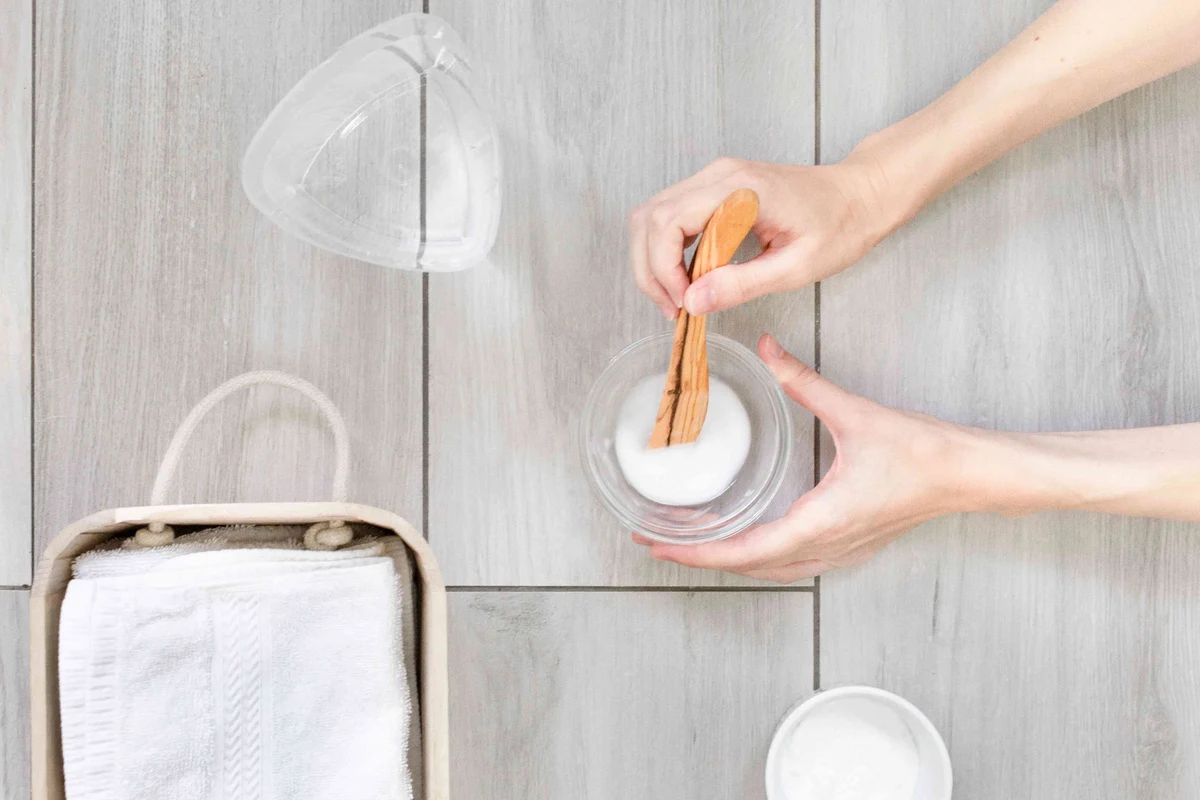
The coffee stain baking soda trick is a basic stain-lifting method that uses baking soda with a little water to help loosen coffee residue from fabric fibers. The paste can absorb some moisture, reduce odor, and give the stain a gentle abrasive action without the harshness of aggressive scrubbing.
In a busy kitchen or baking classroom, people keep coming back to this method because it is inexpensive, easy to mix, and usually already on hand. It also fits the pace of real life: when a mug tips over during prep, you often need a quick response before the stain has time to settle.
How baking soda works on fresh and set-in coffee stains
Baking soda is mildly alkaline, which can help break down some of the compounds in coffee residue and loosen them from fabric. When mixed into a paste, it also gives you a thick, spreadable texture that can sit on the stain long enough to do some work.
On a fresh stain, the paste can help pull out moisture before the coffee fully bonds with the fibers. On a set-in stain, it may still help reduce the darkness, but it usually works better as part of a wider stain-removal routine than as a stand-alone fix.
Cool or lukewarm water is usually safer for stain removal than hot water because heat can help set many protein- and tannin-based stains deeper into fabric.
Why this method appeals to home bakers, students, and busy households
Home bakers and pastry students often deal with aprons, towels, and table linens that need fast cleanup between tasks. Baking soda is convenient because it is a common pantry ingredient, and the method does not require special equipment.
It also feels practical for households that want a simple first step before moving to stronger cleaners. If you already keep baking soda near your laundry supplies, the process is easy to reach for when a spill happens during breakfast, coffee service, or weekend baking.
When Baking Soda Works Best on Coffee Stains
The coffee stain baking soda method is most useful when the fabric is washable and the stain is caught early. It tends to work best when you blot first, treat gently, and rinse before the coffee dries fully.
Best surfaces: cotton, polyester blends, kitchen towels, aprons, and table linens
Washable cotton and polyester blends are usually the easiest place to start. Kitchen towels, aprons, napkins, and table linens often tolerate gentle spot treatment well, especially if the fabric is not heavily dyed or embellished.
These surfaces are common in baking spaces, which makes the method especially useful for everyday cleanup. If the item can go through a normal laundry cycle afterward, the odds of success are usually better than with non-washable textiles.
Situations where the trick is less effective: delicate fabrics, upholstery, and old heat-set stains
Delicate fabrics like silk, wool, rayon, and some specialty blends can react badly to rubbing, moisture, or alkaline cleaners. Upholstery is also tricky because excess liquid can spread the stain or soak into padding beneath the surface.
Old stains that have been dried with heat are harder because the coffee has had time to bind to the fibers. If a garment has already gone through a hot dryer, baking soda may still help a little, but it is less likely to remove the stain completely.
Real-life examples of stain types this method can handle
This method is a good first try on a fresh splash on a cotton apron, a brown ring on a kitchen towel, or a small drip on a polyester-blend shirt. It can also help with light coffee marks on napkins used during pastry service.
It is less promising for a dark spill that sat overnight, a stain on a dry-clean-only blouse, or a coffee mark on textured upholstery. In those cases, a different cleaner or professional care may be a better choice.
For any item with a care label, follow the manufacturer’s washing instructions first. Fabric type, dye quality, and finishing treatments can change how a stain reacts.
What You Need Before You Start
Before you treat the stain, gather the basics so you can work quickly and avoid spreading it. A small setup is usually enough for most kitchen spills.
Baking soda, cool water, clean cloths, and a soft brush
You only need a small amount of baking soda and enough cool water to make a paste. Clean white cloths or paper towels help with blotting because they are less likely to transfer dye back onto the fabric.
A soft brush, such as a clean toothbrush, can help lift residue from sturdy fabrics. Keep the pressure light; the goal is to move the stain out, not grind it in.
Optional helpers: mild dish soap, white vinegar, and stain remover
A drop of mild dish soap can help if the coffee stain is mixed with milk, cream, or syrup. A commercial stain remover can also be useful when the stain is larger or older.
White vinegar is sometimes suggested for stain care, but it should be used carefully and only when appropriate for the fabric. Do not mix vinegar with bleach, and always check the care label before combining cleaning products.
Safety notes for colored fabrics, delicate textiles, and food-contact items
Test any cleaning method on a hidden seam or hem first, especially on colored fabrics. Some dyes can fade, and some finishes can change texture after spot treatment.
For table linens or kitchen cloths that touch food, rinse thoroughly so no powdery residue remains. If an item is used around food, laundry detergent residue and cleaning chemicals should be fully washed out before reuse.
Do not use this method on items labeled dry clean only unless the care instructions specifically allow spot cleaning. When in doubt, choose the gentlest option or consult a professional cleaner.
How to Use the Coffee Stain Baking Soda Trick Step by Step
The process is simple, but the order matters. Blot first, treat gently, and rinse before the stain gets a chance to spread or dry into the fibers.
Use a clean cloth or paper towel to lift as much coffee as possible. Press lightly from the outside of the stain toward the center so you do not spread the liquid farther.
Combine baking soda with a little cool water until it forms a thick paste that will stay on the stain. If it is too runny, it will spread; if it is too dry, it will not contact the fibers evenly.
Spread a thin layer over the stain and let it sit for a short period. A few minutes is usually enough for a first try on washable fabric, but avoid letting it dry hard on delicate materials.
Use a damp cloth or soft brush to lift the paste, then rinse with cool water. Check the stain before drying, because heat from a dryer can make any remaining mark harder to remove.
Blotting the stain without spreading it
Blotting is more effective than rubbing because it pulls liquid upward instead of forcing it deeper into the weave. Work from the outside edge inward so the stain stays contained.
If the spill is on a tablecloth or apron, place a clean towel underneath the fabric to catch moisture. That extra layer can help prevent the coffee from soaking through to the other side.
Mixing the paste or slurry at the right consistency
The ideal texture is similar to soft toothpaste. It should hold together on the stain, but it should still be easy to spread in a thin layer.
If the stain is on a thicker cotton towel, a slightly thicker paste may work well. For lighter fabrics, keep the mixture thinner and the contact time shorter to reduce the chance of residue.
Applying, waiting, and gently lifting the stain
Cover the stain lightly rather than packing on a thick mound of paste. A thin layer is usually enough for the baking soda to do its job without leaving a chalky mark.
After waiting, lift the paste with a damp cloth instead of scrubbing hard. If needed, repeat once or twice, but keep the process gentle so the fibers do not fuzz or weaken.
Rinsing and repeating without damaging the fabric
Rinse with cool water after each round and check the result in good light. If the stain is fading, another gentle pass may help.
If nothing changes after a couple of tries, stop before overworking the fabric. At that point, a different stain remover may be more effective than repeated baking soda treatment.
If you are treating a baking apron or towel, wash it soon after spot treatment so any remaining coffee residue does not sit through the next shift or laundry load.
Common Mistakes That Make Coffee Stains Harder to Remove
Most stain failures come from rushing, scrubbing, or using the wrong water temperature. A careful first pass usually works better than a strong one.
Using hot water too early
Hot water can help some cleaning jobs, but it can also set coffee stains deeper into fabric. Start with cool water unless the care label and stain-removal product instruct otherwise.
This matters most on cotton blends and uniforms that will later go into a dryer. Once heat is involved, the stain can become much more stubborn.
Scrubbing too aggressively and setting the stain deeper
Hard scrubbing can rough up the fibers and push the coffee farther in. It may also leave a faded patch around the stain, especially on dyed cloth.
Gentle pressure is usually enough when the stain is still fresh. If the spot is not moving, switch methods instead of increasing force.
Letting the paste dry too long on fragile materials
On sturdy towels, a longer wait can sometimes help. On delicate fabrics, however, dried paste can be harder to remove and may leave a powdery residue.
If the fabric is thin or textured, check it early and rinse sooner rather than later. The safest approach is often a short treatment followed by a wash.
Skipping a test patch on dyed or specialty fabrics
A hidden test patch can save a garment from surprise fading or texture changes. This is especially important on dark colors, printed linens, and specialty blends.
Even a simple pantry ingredient can behave differently depending on the dye, weave, and finish. What works on one towel may not be ideal for another.
Troubleshooting Stubborn or Old Coffee Stains
If the stain is old, the coffee stain baking soda trick may still help, but you may need a stronger or more targeted follow-up. The key is to work in stages and stop before you damage the fabric.
How to handle dried stains on aprons, uniforms, and napkins
For dried stains, start by moistening the area with cool water before applying the paste. That can soften the residue and make the stain easier to lift.
Aprons and napkins often tolerate a second treatment better than delicate clothing, but check the fabric first. If the stain is on a uniform that must look clean and professional, laundering promptly after spot treatment is important.
When to combine baking soda with detergent or oxygen bleach
If baking soda alone is not enough, a small amount of liquid laundry detergent can help break up the stain further. For washable whites and colorfast fabrics, an oxygen bleach product may be a better next step, as long as the label says it is safe for the material.
Follow product directions carefully and avoid mixing cleaners unless the label allows it. When in doubt, use one method at a time so you can see what is actually working.
If you are cleaning near counters, mixers, or electrical appliances, keep liquids away from cords and outlets. Use a damp cloth, not a dripping one, and unplug nearby equipment before cleaning spills in the work area.
What to do if the stain leaves a yellow or gray shadow
A faint shadow can remain even after the main coffee color is gone. That usually means some residue is still in the fibers, or the fabric has been lightly discolored by the stain itself.
Try another gentle round of treatment, then wash according to the care label. If the shadow remains after washing, it may be permanent or may need a different stain-removal product.
When it is better to stop and use a different stain-removal method
Stop if the fabric starts to look fuzzy, faded, or stretched. Those signs mean the method is causing more harm than benefit.
It is also smart to stop when the stain is on silk, wool, rayon, or upholstery that should not be oversaturated. In those cases, a fabric-specific cleaner or professional help is often the safer route.
- Low-cost and easy to find
- Good first step for fresh coffee spills
- Works well on many washable kitchen textiles
- Less effective on old or heat-set stains
- Not ideal for delicate or dry-clean-only fabrics
- May need follow-up with detergent or stain remover
Safety, Fabric Care, and Storage Tips for Baking Soda Cleaning
Baking soda is common and generally easy to use, but fabric care still matters. A gentle method can still fail if the textile is unsuitable or the cleaner is stored and used carelessly.
Fabric care warnings for silk, wool, rayon, and specialty blends
Silk and wool can be sensitive to pH, friction, and excess moisture. Rayon and some blended fabrics can lose shape or texture if they are rubbed too hard or soaked too long.
When a care label is unclear, choose the least aggressive option and test first. If the item is valuable or structured, professional cleaning may be worth considering.
How to store baking soda for cleaning use in a dry kitchen or laundry area
Store cleaning baking soda in a sealed container in a dry spot away from steam and splashes. Moisture can cause clumping and make it harder to measure or spread as a paste.
A laundry shelf, utility cabinet, or closed bin works well. Keep the container clearly labeled so it is not confused with ingredients meant for baking.
Keeping cleaning tools separate from baking ingredients
Use a separate scoop, spoon, or container for cleaning baking soda if possible. That helps avoid cross-contact with food ingredients and keeps your pantry safer and more organized.
If you use the same brand of baking soda for both cooking and cleaning, store the cleaning supply away from flour, sugar, and spices. Simple separation prevents mix-ups in a busy kitchen.
Do not use any cleaning product on food-contact surfaces or linens unless you can rinse and wash it away completely. Keep cleaning supplies out of reach of children and away from open food.
Should You Use the Coffee Stain Baking Soda Trick or Choose Another Method?
For many quick spills, this trick is worth trying first because it is simple, affordable, and gentle when used correctly. It is especially useful in a baking or pastry environment where aprons, towels, and table linens need fast attention.
Best use cases for quick stain removal in a baking or pastry environment
The method makes the most sense for fresh coffee drips on washable kitchen textiles. It is also a practical choice when you need a fast cleanup between prep tasks and do not want to wait for a full laundry cycle before starting treatment.
If you are handling a lot of kitchen cleanup, keeping a small stain kit nearby can save time. That kit might include baking soda, a soft brush, a clean cloth, and a mild liquid detergent.
When commercial stain removers or laundering methods are the better choice
Commercial stain removers are often better for older stains, mixed stains with milk or syrup, and fabrics that need a stronger treatment. A normal wash cycle may also be enough if the stain is caught quickly and the care label allows machine washing.
If you are dealing with a large tablecloth, a uniform shirt, or a fabric that has already been heat-dried, a dedicated laundry product may offer a better chance of removal. For other kitchen cleaning topics, you may also find it helpful to read about air fryer liners and how small tools can change cleanup habits, or the guide on air fryer liners safety if you keep your cleaning routines close to cooking equipment.
Final recap: whether the coffee stain baking soda trick is worth trying first
Yes, the coffee stain baking soda trick is worth trying first on many fresh, washable coffee spills. It is not perfect, but it is a smart low-risk first step before moving to stronger cleaners.
Use it gently, test on hidden areas, and stop if the fabric is delicate or the stain is already set. In a busy kitchen, that balanced approach usually gives you the best mix of speed, safety, and stain removal.
- Blot first and use cool water
- Test on a hidden seam
- Wash promptly after treatment
- Do not scrub hard
- Do not use heat too early
- Do not treat dry-clean-only fabrics casually
Frequently Asked Questions
It can help lift a fresh coffee stain, especially on washable fabric. Blot first, use cool water, and rinse before drying the item.
Yes, but test a hidden spot first because some dyes may fade or shift. Use a gentle paste and avoid heavy scrubbing.
Not at first, because heat can set many coffee stains deeper into fabric. Start with cool water unless the care label or product directions say otherwise.
You can still try baking soda, but it may need follow-up with detergent or an oxygen bleach product for washable fabrics. Old stains are harder to remove, especially if they were heat-dried.
It is usually not the best choice for silk, wool, rayon, or other delicate fabrics. Test first or choose a fabric-specific cleaner because these materials can be easily damaged.
Upholstery is risky because too much moisture can spread the stain or soak into padding. Use a fabric-safe upholstery cleaner and follow the manufacturer’s care instructions.