
Do Nectarines Need to Be Refrigerated? The Simple Storage Rule That Prevents Waste

If you just bought nectarines and are wondering whether they belong in the fridge, the short answer is: not always right away.
Unripe nectarines should stay at room temperature until they soften. Once they’re ripe, refrigeration helps slow further ripening and gives you a little more time before they turn mushy or overripe. That one rule solves most storage mistakes.
The trick is knowing which stage your fruit is in. Nectarines are one of those fruits that can go from firm to perfect to too soft in a short window, so storage decisions matter. If you keep them out too long after they’re ripe, quality drops fast. If you chill them too early, they may not develop the best flavor and texture.
How to Tell Whether a Nectarine Is Ripe
A nectarine is usually ready to eat when it gives slightly to gentle pressure near the stem end and has a fragrant, fruity aroma. It should feel heavy for its size and look smooth and full, not shriveled.
A few practical signs help more than color alone:
- Firm with no give: leave it on the counter
- Slight give and good aroma: it’s ripe or close to ripe
- Very soft spots or leaking juice: use it soon
- Wrinkled skin or fermented smell: likely past its best quality
Color can help, but it is not the whole story. Some nectarines stay fairly pale even when ripe, so trust the feel and smell first.
If you bought a mix of firm and ripe fruit, separate them. The ripe ones can go into the refrigerator, while the firmer ones stay out until they soften. That keeps one overripe nectarine from forcing you to rush the whole batch.
Countertop Storage: When to Leave Nectarines Out
Firm, unripe nectarines need time at room temperature because they continue ripening after harvest. Leaving them on the counter gives them the chance to soften naturally and develop better flavor.
For countertop storage, keep them:
- in a single layer if possible
- away from direct sun
- in a dry spot with good airflow
- unwashed until you’re ready to eat them
A paper bag can speed ripening because it traps ethylene around the fruit. That can be useful if you need nectarines to ripen within a day or two. But once the fruit is already soft, a bag can hold moisture and encourage breakdown, so it is better for firm fruit only.
Avoid stacking nectarines in a bowl if they are still hard and bruising is a concern. Stone fruit bruises easily, and pressure marks shorten shelf life even before the fruit looks damaged.
Refrigerating Ripe Nectarines: When It Helps and What to Expect
Once a nectarine is ripe, refrigeration is usually the better move if you are not eating it right away. Cold storage slows the ripening process, which helps preserve the fruit for later in the week.
That trade-off comes with one catch: refrigeration can slightly dull aroma and soften texture if the fruit goes into the fridge too early. A nectarine that is still firm may not develop the same flavor and texture as one that finished ripening on the counter first.
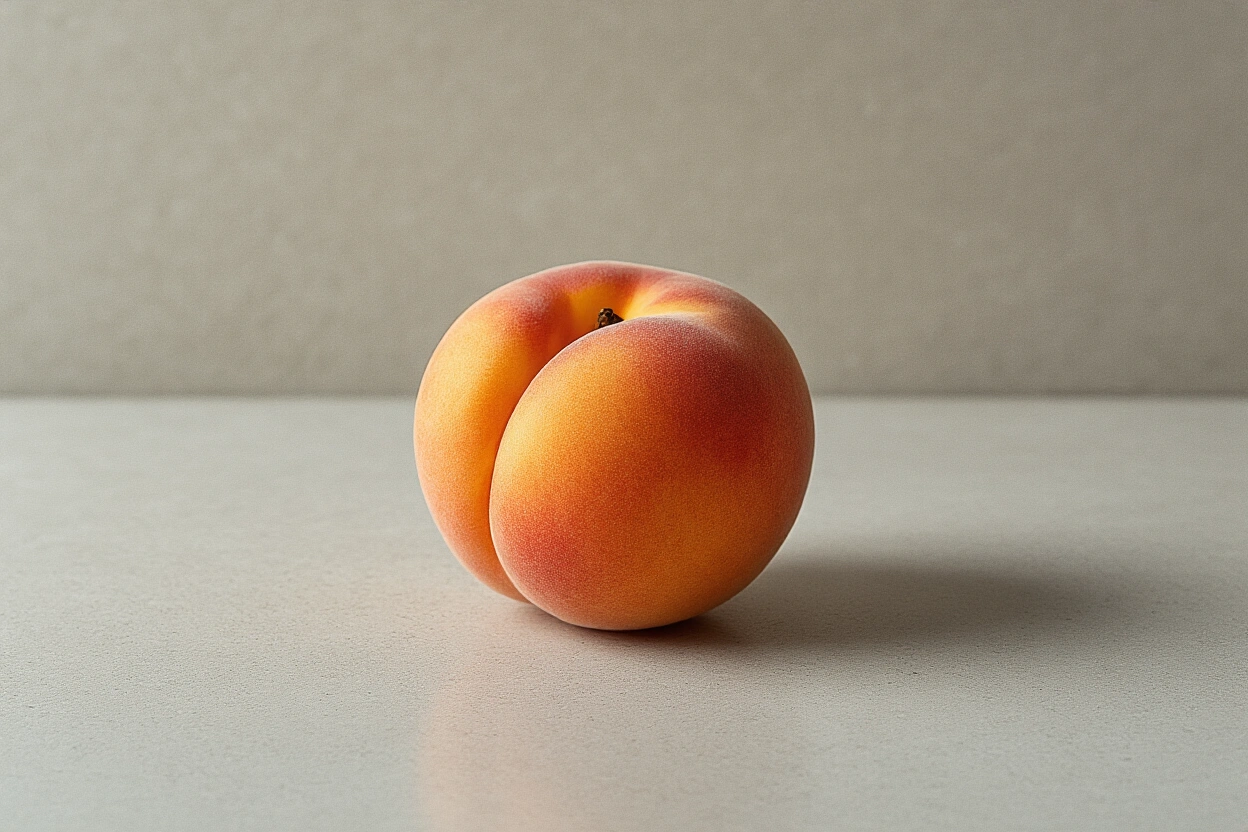
A good rule is simple:
- Not ripe yet: keep it out
- Ripe and ready soon: keep it out briefly if you plan to eat it today
- Very ripe: eat it the same day if possible; otherwise refrigerate immediately
- Ripe but not being eaten soon: refrigerate it
The produce drawer is usually a better place than an open shelf because it helps buffer humidity and reduces dehydration. If the fruit is very delicate, a loose bag or shallow container can help protect it from drying out without trapping too much condensation.
How Long Nectarines Last on the Counter vs. in the Refrigerator
Exact shelf life depends on ripeness, handling, and how much bruising the fruit already has, so it is better to think in ranges than promises.
Here is a practical comparison:
| Storage stage | Best location | What it’s for | Typical use window |
|---|---|---|---|
| Hard, unripe nectarines | Counter | Finish ripening | About 2 to 5 days, sometimes a little longer or shorter |
| Ripe whole nectarines | Refrigerator | Slow overripening | About 3 to 5 days |
| Very soft or bruised nectarines | Refrigerator or immediate use | Reduce waste | Same day to 1 day, if possible |
| Cut nectarines | Refrigerator in airtight container | Food prep and short-term storage | About 2 to 3 days |
Room temperature works well for ripening, but it is the least forgiving once the fruit is ready. Refrigeration buys time, especially if you bought nectarines for meal prep or a weekend plan and want them to hold their quality a little longer.
If you are shopping for the week, a smart approach is to buy some firm nectarines and some ripe ones. The firm fruit can ripen on the counter while the ripe fruit goes straight into the fridge for later.
Best Way to Store Whole Nectarines
Whole nectarines store best when you match the container to the fruit’s stage of ripeness.
For unripe nectarines
Keep them on the counter in a single layer. If you want to speed ripening, use a paper bag, but check them daily so they do not pass their peak.
For ripe nectarines
Move them to the refrigerator, preferably the produce drawer. If the fruit is already very delicate, place it in a shallow container or a loosely closed bag to reduce bruising and moisture loss.
For mixed ripeness
Separate by stage. Do not refrigerate all of them just because one is ready. That is how you end up with fruit that is either too hard or too soft at the same time.
What about plastic bags?
A sealed plastic bag can trap too much moisture for whole fruit if condensation forms inside. That moisture can speed spoilage. If you use a bag, it should be loose enough to avoid wetness buildup, or the fruit should already be dry and very ripe.
One more useful habit: wash nectarines right before eating or cutting, not before storing them. Excess surface moisture can encourage soft spots and mold.
How to Store Cut Nectarines
Cut nectarines should go in the refrigerator promptly. Once the skin is broken and the flesh is exposed, the fruit loses moisture faster and spoils more quickly.
For sliced nectarines:
- Pat the pieces dry if they are wet from washing.
- Place them in an airtight container.
- Press a piece of parchment or plastic wrap directly against the cut surface if you want extra protection from browning and drying out.
- Refrigerate as soon as possible.
An airtight container is useful here because cut fruit dries out quickly and can pick up odors from other foods in the fridge. If you are meal prepping fruit for yogurt bowls or snacks, portioning it into small containers makes it easier to use before quality drops.
Cut nectarines usually keep in the fridge for about 2 to 3 days, though exact timing depends on how ripe they were when cut and how well they were handled. If the slices will sit for more than a day or so, check them before eating. Softening, juice pooling, and a dull smell are signs they are losing freshness even if they are still safe enough to use.
How to Handle Very Ripe, Bruised, or Overripe Nectarines
A nectarine that is very ripe is not automatically spoiled. Soft fruit can still be useful if it smells fresh and does not show mold or leaking fermentation.
Here is how to sort it out:
- Very ripe but still pleasant-smelling: eat it the same day if possible; otherwise refrigerate immediately and use soon
- Bruised in one spot: cut away the damaged area and use the rest right away
- Mushy, leaking, or fermented-smelling: discard it
- Moldy: discard it
Once the flesh breaks down, nearby areas soften faster, even if the rest of the fruit looked fine at first. If you spot a bruise on a nectarine you want to save, the safest move is to use that fruit immediately rather than letting it linger.
For meal prep, overripe nectarines are often better used in something simple rather than stored again. If you are not ready to eat them, refrigeration can slow further breakdown, but it will not restore texture.
Common Storage Mistakes That Make Nectarines Spoil Faster
A few avoidable habits cause most nectarine disappointment:
Refrigerating too early
If the fruit is still hard, chilling can slow ripening before flavor fully develops.
Leaving ripe fruit on the counter too long
A ripe nectarine can move past its best texture quickly. If you are not eating it soon, refrigerate it.
Storing wet fruit
Moisture on the skin encourages mold and soft spots. Dry fruit before storing.
Piling fruit on top of each other
Pressure bruises are easy to miss at first, but they shorten shelf life.
Ignoring one damaged nectarine in a group
A bruised piece will usually deteriorate faster than the rest. Separate it so it does not force the whole batch into spoilage.
These are small details, but they matter. Nectarines are especially sensitive to handling because their flesh softens quickly once ripening begins.
Nectarines vs. Peaches: Does Storage Work the Same Way?
Yes, the basic storage logic is very similar. Like peaches, nectarines are best left at room temperature until they ripen, then refrigerated if you are not eating them soon.
The main difference is that nectarines have smooth skin, which makes bruises and soft spots easier to miss at a glance. That means handling and daily checking are even more useful.
So if you already know how to store peaches, you already understand most of the nectarine rule: counter for ripening, fridge for holding, and prompt use for cut fruit.
A Simple Storage Plan for Real Life
If you want the shortest possible decision rule, use this:
- Hard nectarines: leave them on the counter
- Ripe nectarines: refrigerate them if you are not eating them soon
- Cut nectarines: refrigerate immediately
- Bruised or very soft nectarines: use them right away or chill them to slow further decline
That approach keeps the fruit tasting as good as possible while reducing waste. It also works well for grocery shopping and meal prep, where the goal is not perfect fruit at every moment, but fruit that stays useful long enough to eat.
Frequently Asked Questions
Do nectarines need to be refrigerated right away?
No. If they are still firm and unripe, they usually do better at room temperature until they soften.
Should nectarines be refrigerated after ripening?
Yes, if you are not eating them soon. Refrigeration helps slow further ripening and can extend their usable window.
Can you refrigerate nectarines before they are ripe?
You can, but it is usually not the best choice. Chilling too early may slow ripening before the fruit develops its best flavor and texture.
How do I know if a nectarine is too ripe?
If it is very soft, leaking, moldy, or smells fermented, it is past its best quality. A little softness is normal; mushiness is not.
Can I store sliced nectarines in the fridge?
Yes. Store them in an airtight container and refrigerate them promptly. They usually keep for about 2 to 3 days.
Should nectarines be stored in a paper bag?
Only if you want to speed up ripening. A paper bag helps firm fruit soften, but it is not ideal for already ripe nectarines.
For broader food-handling guidance on produce and safe storage habits, the USDA’s food safety resources are a useful place to start.
