
Does Baking Soda Raise pH in Pool Explained Simply

Baking soda usually raises pool alkalinity more than pH, so the pH change is often small. It is useful when the water needs buffering, but it is not the best fix for every low-pH problem.
If you are asking does baking soda raise pH in pool water, the short answer is usually no, not much. Baking soda mainly raises total alkalinity, which can help stabilize pH, but it is not the same thing as a direct pH increaser.
- Main effect: Baking soda mainly raises total alkalinity and stabilizes water.
- pH impact: pH may rise a little, but usually not dramatically.
- Best use: Use it when alkalinity is low or pH is unstable from poor buffering.
- Best practice: Add small amounts, circulate well, and retest before adding more.
- Common risk: Confusing baking soda with soda ash can lead to overcorrection.
What Baking Soda Actually Does to Pool Water Chemistry
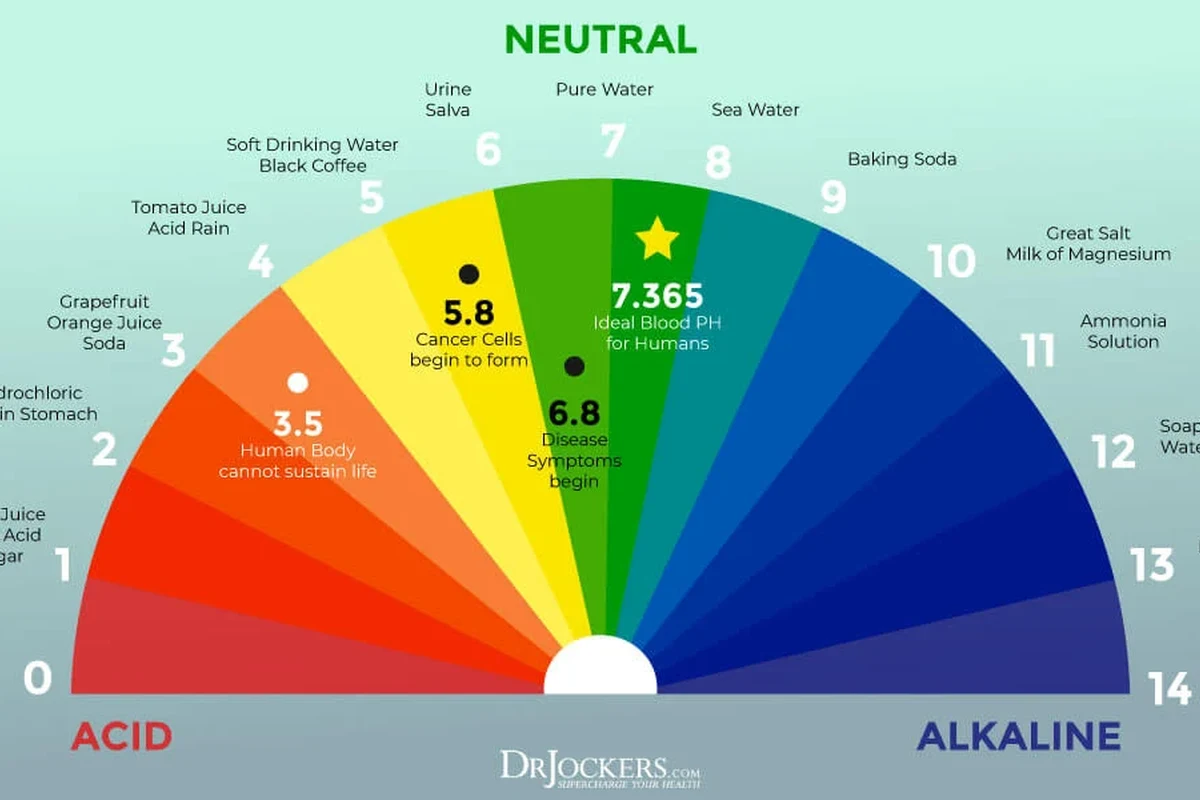
Baking soda is sodium bicarbonate, and in pool water it acts more like a buffer than a strong pH booster. That means it helps the water resist sudden swings, especially when the pool is prone to acidic drift from rain, swimmer load, or sanitizers.
For a home pool owner, this is a little like using the right ingredient in baking: one chemical can improve the structure of the mix without changing the final result as dramatically as expected. If you are comparing pool chemicals the way you might compare pantry basics, it helps to understand the role each one plays, much like knowing the difference in baking soda and baking powder before you bake.
How sodium bicarbonate affects alkalinity, not just pH
Total alkalinity measures how well water can resist pH changes. Baking soda raises that reserve, so the pool is less likely to swing wildly after chemical additions or heavy use.
When alkalinity is low, pH can become unstable and may drop faster than expected. Adding baking soda gives the water more buffering capacity, which often makes pH easier to manage over time.
Why pool owners confuse pH, total alkalinity, and buffering
pH tells you how acidic or basic the water is at that moment. Total alkalinity tells you how much resistance the water has against changing that pH.
Because the two numbers are related, people often assume any chemical that helps one must strongly change the other. In practice, baking soda usually has a much bigger effect on alkalinity than on pH, which is why test results can surprise first-time pool owners.
Pool chemistry is a balancing act: adjusting one number can nudge the others, but not always in a straight line. That is why retesting after any chemical addition matters.
Does Baking Soda Raise pH in a Pool? The Simple Answer
Usually, baking soda raises pH only a little, if at all, especially compared with soda ash. In many pools, the more noticeable result is a modest increase in alkalinity and a small stabilization of pH.
The exact outcome depends on the starting water balance, pool size, circulation, and how accurate your test kit is. If you want a direct pH increase, baking soda is often not the strongest tool for the job.
What usually happens right after you add it
Right after adding baking soda, the water may show a slight pH bump, but that change is often temporary. As the water circulates and equilibrates, the pH can drift back toward its prior level or settle only a little higher.
This is why pool owners sometimes think the product “did nothing.” In reality, it may have adjusted alkalinity first, and the pH response may be subtle rather than dramatic.
Why the pH change is often small or temporary
Baking soda is a mild alkaline salt, not a strong base. It buffers the water instead of aggressively pushing pH upward.
Once the water mixes well, the chemistry reaches a new balance. If the pool has carbon dioxide exchange, aeration, or other active chemistry at work, the pH can move again after the initial adjustment.
Do not assume a small pH change means the water is fixed. Always test alkalinity and pH separately so you do not chase one number while accidentally pushing the other out of range.
When Baking Soda Is the Right Fix for Pool Balance
Baking soda makes the most sense when total alkalinity is low and the pool needs more buffering. That is especially true if the pH keeps dropping or feels hard to control from week to week.
If you are also learning how small ingredient changes affect results in the kitchen, the same mindset helps here: choose the chemical that solves the actual problem, not just the symptom. That approach is similar to using the right product after reading a careful baking soda review rather than grabbing whatever is closest on the shelf.
Signs your total alkalinity is low
Low total alkalinity often shows up as pH that drops quickly after adjustment. You may also notice water that feels less stable, with numbers bouncing more than expected between tests.
In some pools, low alkalinity can also make the water more likely to become corrosive to surfaces and equipment. That is one reason pool chemistry should be corrected in order, not by guesswork.
Recommended ranges vary by pool type, sanitizer system, and manufacturer guidance. Check your pool manual or a trusted water-testing source before deciding what “normal” should be for your setup.
Example scenarios where baking soda makes sense
If a pool has low alkalinity and pH that keeps drifting down after rain or heavy use, baking soda is often a sensible first correction. It can also help when you need a steadier water balance before making a separate pH adjustment.
Another common case is a pool that has been overcorrected with acid. In that situation, adding baking soda carefully can help restore the buffering system without forcing a large, sudden pH jump.
- Raises total alkalinity efficiently
- Helps stabilize pH over time
- Usually easy to dose in small amounts
- Not the best direct pH raiser
- Can lead to overshooting if used too often
- Needs retesting after circulation
How Much Baking Soda to Add Without Overcorrecting
The right dose depends on pool volume, current alkalinity, and the target level you are trying to reach. Because every pool is different, use the product label, your pool manual, or a trusted pool calculator as a starting point rather than a fixed rule.
A cautious approach works best. Think of it like adjusting dough hydration: small changes are easier to control than one big correction that leaves you trying to rescue the whole batch.
Estimating dose by pool size and current test results
Start by testing the water with a reliable kit. If alkalinity is low, calculate a conservative amount based on your pool’s gallons or liters and the increase you actually need.
Do not rely on the pH number alone. A pool can have a low pH but still have acceptable alkalinity, and in that case baking soda may not be the right first move.
Why gradual additions work better than one large dump
Gradual additions reduce the chance of overshooting alkalinity. Once the water is overcorrected, it can take more effort to bring the balance back into range.
Small doses also dissolve and circulate more evenly. That gives you a clearer picture of how the water is responding before you decide on the next step.
Common Mistakes Pool Owners Make With Baking Soda
Most mistakes happen when baking soda is treated like a cure-all. It is useful, but it is not the answer to every low-pH or cloudy-water problem.
Good pool care is a lot like good baking technique: the wrong ingredient in the wrong amount can create a new problem faster than it solves the old one.
Using it to solve every low-pH problem
Low pH does not always mean low alkalinity. If alkalinity is already fine, adding baking soda may not correct the real issue and could push the pool out of balance in another direction.
In those cases, a different chemical or a different process may be more appropriate. The key is to match the fix to the test result.
Adding it too fast, too often, or without retesting
Repeated dosing without waiting for full circulation can create misleading test results. The water may not have mixed enough to show the true effect yet.
Retest after the water has circulated, then decide whether more adjustment is actually needed. This is the simplest way to avoid creeping alkalinity buildup.
Confusing baking soda with soda ash or other chemicals
Baking soda and soda ash are not the same. Soda ash raises pH much more aggressively, while baking soda is mainly used to raise alkalinity with a gentler pH effect.
If you use the wrong chemical, you may fix one number and worsen another. That is a common source of frustration for beginners who are trying to save time.
- Test pH and alkalinity separately
- Add baking soda in measured portions
- Allow full circulation before retesting
- Assuming baking soda is a strong pH raiser
- Dumping in a large amount at once
- Skipping the second test
How to Add Baking Soda Safely and Get Reliable Results
For the most reliable result, add baking soda when the pump is running and the water can circulate well. Good mixing helps prevent localized high-alkalinity spots that can confuse your test reading or stress surfaces.
If you have ever seen a baking ingredient clump before it disperses, the same principle applies here: even a simple powder works better when it is distributed evenly.
Best time to add it and how to circulate the water
Add it during normal circulation hours, not when the pool is stagnant. Spread it out according to the product directions, and brush or stir the water if your pool setup calls for it.
Let the pump run long enough for the water to fully mix before checking results. Exact run time depends on pool size and circulation system, so follow your equipment guidance.
Testing before and after treatment
Always test before adding anything. Then retest after the chemical has had time to circulate and the water has settled enough for a meaningful reading.
If the second test still shows low alkalinity, make another small adjustment rather than jumping to a large correction. That method is slower, but it is usually safer and more accurate.
Safety precautions for handling pool chemicals at home
Wear dry hands protection such as gloves if you are handling pool chemicals directly, and avoid breathing dust. Keep products away from children, pets, and food-preparation areas.
Never mix pool chemicals together unless the label specifically says to do so. For general home safety, follow the manufacturer instructions and store chemicals in a cool, dry place with lids tightly closed.
Even though this is a pool product, treat it like any other household chemical: avoid splashes, keep it out of reach, and do not inhale the powder during pouring or measuring.
When Baking Soda Is Not the Best Choice
Baking soda is not the best fix when pH is high but alkalinity is already in a reasonable range. In that situation, you may need a different adjustment strategy instead of adding more buffer.
Using the wrong correction can make the water harder to manage later. That is why the best pool care starts with the test strip or liquid kit, not with a guess.
Situations where pH is high but alkalinity is already fine
If pH is too high and alkalinity is already acceptable, baking soda may only add more alkalinity without solving the main issue. That can make the pool more difficult to balance afterward.
In a case like that, the better move may be to lower pH with the appropriate acid-based product, following label directions and pool guidance carefully.
When acid, aeration, or a different chemical is the better fix
Sometimes pH needs to be lowered, not raised. Sometimes the water needs aeration to bring pH up without changing alkalinity much, especially after an acid-heavy correction.
Other times, the real issue is sanitizer management, fill water quality, or poor circulation. If the same problem keeps returning, the pool may need a broader troubleshooting approach rather than more baking soda.
Can baking soda and pool acid be used together?
They should not be mixed directly. If both are needed, add them separately, at different times, with circulation and retesting in between.
Practical Pool Balance Recap for 2026 Homeowners
Before you buy or add baking soda, check whether the real issue is low alkalinity, low pH, or both. That one step prevents most overcorrection mistakes and saves time later.
If you want more stable water, think of baking soda as a buffering tool first and a pH tool second. That mental model is the simplest way to answer does baking soda raise pH in pool care without getting lost in chemistry jargon.
What to remember before buying or adding baking soda
Use baking soda when the pool needs more alkalinity and better buffering. Do not expect a dramatic pH jump from it alone.
Measure carefully, add gradually, and give the water time to circulate before deciding on the next adjustment. That steady approach is more reliable than chasing a number in one pass.
How to decide whether to adjust pH, alkalinity, or both
If alkalinity is low, start there. If pH is off but alkalinity is fine, choose a fix designed for pH rather than using baking soda as a shortcut.
When both numbers are off, correct the balance in the order recommended for your pool system and chemical label. For the safest long-term result, rely on repeat testing and follow official pool-care guidance or your equipment manufacturer’s instructions.
If your pool water stays out of range after careful adjustments, or if you are unsure which chemical to use, consult a qualified pool professional. Persistent imbalance can damage surfaces, equipment, and swimmer comfort.
Frequently Asked Questions
It can raise pH a little at first, but the effect is usually small. The bigger change is usually in total alkalinity and buffering.
Baking soda mainly raises alkalinity with only a mild pH effect. Soda ash raises pH more strongly and is used when a bigger pH increase is needed.
Add it when test results show low total alkalinity or unstable pH caused by low buffering. Always follow the product label and retest after circulation.
Yes, too much can push alkalinity too high and make water harder to balance. Gradual additions with retesting are safer than one large dose.
Test both, because they work together but are not the same. Alkalinity tells you how stable the water is, while pH tells you how acidic or basic it is right now.
It is a common household chemical, but you should still avoid dust, splashes, and direct mixing with other pool chemicals. Follow the label and keep it away from children and pets.