
How Baking Soda and Vinegar React in a Rice Flour Batter
Rice flour batters can be wonderfully light, but they can also be frustratingly unpredictable. If you have ever mixed baking soda and vinegar into a pancake, cake, or muffin batter and wondered why it fizzed furiously yet still baked up dense, you are asking the right question.
The short answer is this: baking soda and vinegar react immediately to release carbon dioxide gas, and that gas can help a rice flour batter rise. But the fizz alone does not guarantee a good result. Rice flour behaves differently from wheat flour, so the batter’s structure matters just as much as the reaction itself.
In many rice flour batters, vinegar is optional rather than essential, and it is not a substitute for baking powder by itself. Vinegar supplies acid; it does not provide the full leavening system that baking powder already contains.
What Happens When Baking Soda and Vinegar Meet in Batter
Baking soda is sodium bicarbonate. Vinegar is an acid solution, usually acetic acid in water. When the two meet, they react and release carbon dioxide gas. That gas forms bubbles in the batter, which can expand during mixing and baking.
In plain baking terms, that is the leavening action you are looking for: gas gets trapped in the batter, then heat helps the bubbles expand further in the oven or pan.
The key detail is timing. The reaction starts as soon as the ingredients combine, so the lift begins right away. That is helpful if the batter goes straight into the oven or onto a hot griddle. It is less helpful if the batter sits on the counter for a long time before baking, because much of the gas can escape before the batter sets.
A vigorous fizz can look impressive, but visible bubbling is not the same thing as lasting structure. The batter still needs enough support to hold those bubbles until the starches set.
If you want a fuller chemical breakdown of the fizz itself, see our guide on why baking soda reacts to vinegar.
What Rice Flour Changes About the Reaction
Rice flour changes the baking story because it does not contain gluten. Wheat batter can stretch and hold gas more easily because gluten forms a flexible network as the batter is mixed and baked. Rice flour batter does not have that same built-in structure.
That means a rice flour batter may bubble up nicely for a moment, then collapse or bake dense if nothing else is helping it hold shape. The reaction still happens, but the batter may not retain the gas as effectively. In other words, bubbles can form, but without gluten there is less of a network to trap them and turn fizz into sustained rise.
This is one reason gluten-free batters often rely on more than just chemical leavening. Eggs, starches, and binders can help stabilize the batter so the bubbles have time to expand before the structure sets. Without that support, the gas can escape too quickly.
A useful way to think about it is this: baking soda and vinegar create the lift, but rice flour needs help keeping that lift in place.
Does Baking Soda and Vinegar Actually Help Rice Flour Batter Rise?
Yes, it can help. No, it is not a guarantee.
The reaction is useful when you want a quick burst of carbon dioxide in a batter that will be baked or cooked immediately. That is why it can work in pancakes or some quick breads. It can also help a rice flour cake batter feel lighter if the formula has enough structure to hold the bubbles.
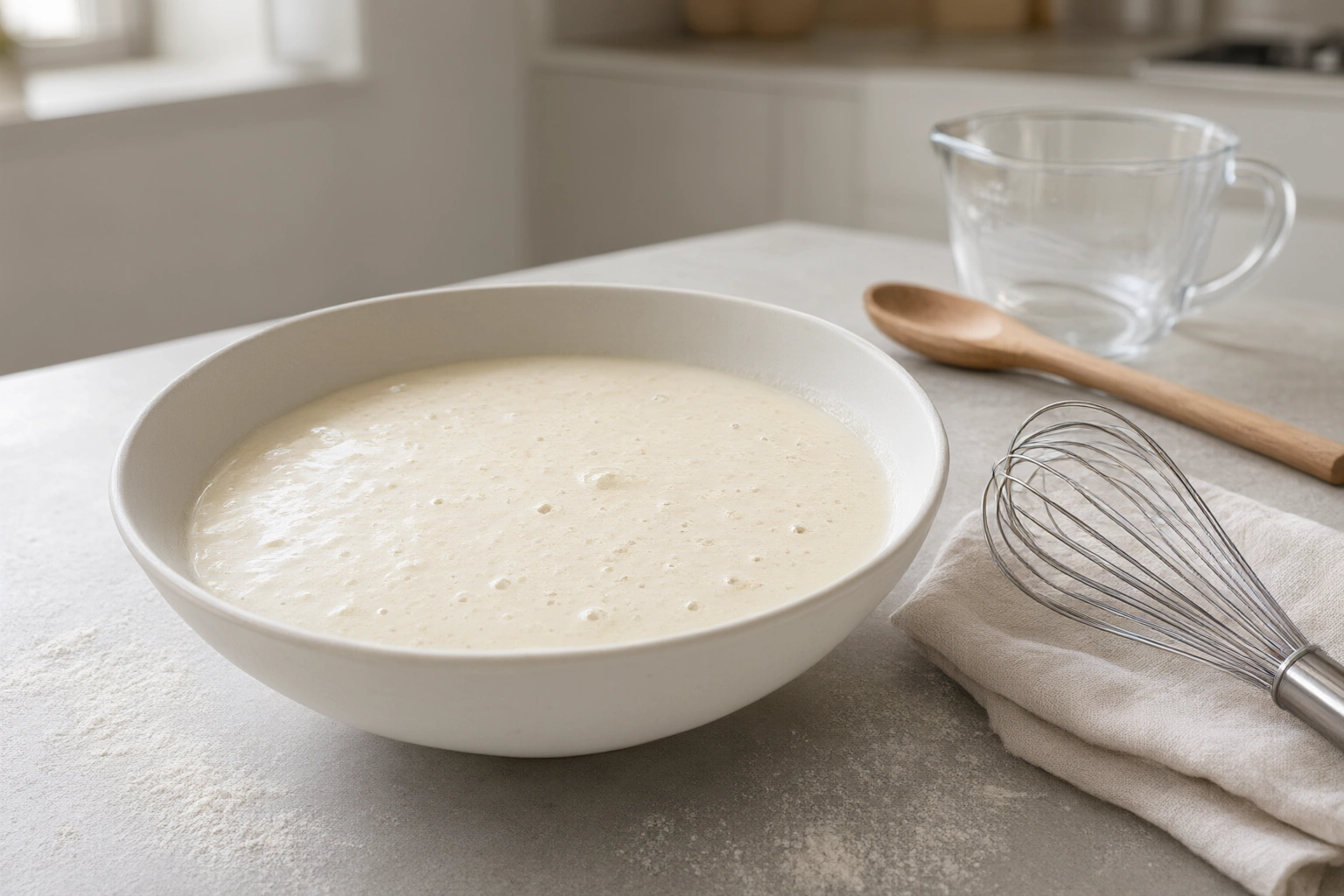
It is less reliable when the batter is very thin, very delicate, or left standing too long. It also becomes less effective if the recipe already lacks structure from eggs or another binder.
So the practical answer is: baking soda and vinegar can improve rise in rice flour batter, but only when the rest of the recipe is built to support that rise. If the batter is weak, the gas may escape before the crumb sets.
How Much Baking Soda and Vinegar to Use
This is where many home bakers run into trouble. Too little acid or base, and the reaction is weak. Too much, and the batter can taste sour, metallic, or soapy.
Because rice flour recipes vary so much, there is no single ratio that works for every batter. The safer approach is to follow a tested recipe when possible and treat soda-plus-vinegar as a deliberate balancing act, not a casual splash-and-stir addition.
A few practical starting points can help, though the recipe still needs to be balanced:
- For a small batch of batter, start with a small amount of baking soda and only enough vinegar to trigger the reaction the recipe calls for.
- If you are adding both yourself, use the smallest effective amount first rather than trying to create a huge fizz.
- In many batters, a little vinegar is enough; adding more does not usually mean more rise.
- If a recipe is already acidic, it may need less vinegar or no extra vinegar at all.
- If you are unsure, begin conservatively and adjust in the next batch instead of overdoing it.
For a rice flour batter, balance matters more than brute force. Adding extra vinegar may make the batter fizz more, but that does not necessarily mean a better rise. It may only mean a more acidic batter with a weaker flavor. Likewise, too much baking soda can leave an alkaline aftertaste and a coarse texture.
Baking Soda Plus Vinegar vs. Baking Powder
This comparison matters because baking powder is often the more forgiving choice in gluten-free baking.
| Leavening option | What it does | Main advantage | Main drawback | Best use case |
|---|---|---|---|---|
| Baking soda + vinegar | Creates an immediate acid-base reaction and releases gas fast | Can give a quick lift in a batter baked right away | Timing is less forgiving; flavor balance matters | Batters that go straight to heat |
| Baking powder | Contains both base and acid in one ingredient | More reliable and easier to use | Less customizable if you want a specific tang | Everyday cakes, muffins, and pancakes |
| White vinegar | Neutral-tasting acid | Least likely to affect flavor | Can still make the batter sharper if overused | Neutral-flavored batters |
| Apple cider vinegar | Mildly fruity acid | Adds a softer tang | Flavor may be noticeable in delicate batters | Rustic or warmly spiced bakes |
For many rice flour batters, baking powder is easier to manage because it does not depend on you adding a separate acid at the right level. Baking soda plus vinegar can work, but it asks more of the recipe and the baker. Vinegar can support the reaction, but it cannot replace baking powder on its own because it does not supply the base needed for leavening.
If you are troubleshooting a batter that keeps turning out flat, switching from soda-plus-vinegar to baking powder is often the more reliable test.
How Vinegar Type Affects Flavor and Results
Not all vinegars behave the same in the finished batter, even though they all provide acidity.
White vinegar is the most neutral choice. It is usually the better option when you want the leavening reaction without adding much flavor. That makes it a practical pick for plain pancakes, vanilla muffins, or lighter cakes.
Apple cider vinegar brings a gentler, slightly fruity note. In some recipes, that can be pleasant. In a very delicate rice flour batter, though, it may be noticeable. If you want a clean flavor profile, white vinegar is usually safer.
The acidity itself is the important part for the reaction. The flavor impact is the trade-off. A stronger-tasting vinegar may add character, but it can also make a mild batter taste more tangy than intended.
Why Timing Matters So Much
The reaction between baking soda and vinegar is fast. That speed is useful only if the batter is ready to bake or cook immediately.
This is especially important with rice flour batter because the structure is already more fragile than wheat batter. If the batter sits, the bubbles can weaken or escape before the batter sets. Then the final result can be flat even if the mixing bowl looked lively.
A practical example: if you are making rice flour pancakes, mix the batter, let it come together briefly if the recipe calls for it, and then get it onto the griddle. If you are making muffins or cake, move the batter into the pan and into the oven without delay.
The rule is simple: the longer you wait after combining soda and vinegar, the less lift you usually have left to work with.
Troubleshooting Flat, Dense, Gummy, or Sour Rice Flour Batter
Rice flour batters tend to fail in a few predictable ways. Once you know the pattern, the fix becomes easier to spot.
Flat batter
If the batter fizzed but baked flat, the most likely problem is timing or weak structure. The reaction happened, but the gas escaped before the batter set. Another possibility is that the batter was too thin to hold the bubbles.
Dense batter
Dense results often mean the batter did not trap enough gas, or the leavening was too weak for the amount of flour. In rice flour baking, density can also come from a formula that lacks eggs, starch support, or another binder.
Gummy batter
Gumminess is usually a texture problem, not a leavening problem alone. Rice flour can bake up gummy if the batter is too wet, underbaked, or poorly balanced with structure-building ingredients. A strong fizz does not fix a batter that cannot set properly.
Sour batter
If the finished product tastes sour, the vinegar level was likely too high for the recipe. This can happen when vinegar is added as a substitute for proper leavening rather than as part of a balanced formula.
Soapy or bitter batter
That is usually a sign of too much baking soda relative to the acid. The batter may even brown well, but the flavor will be off. In that case, more soda is not the answer; better balance is.
Best Practices for Mixing and Baking Rice Flour Batter
Rice flour batter rewards a calm, efficient workflow.
First, combine your dry ingredients evenly so the baking soda is not clumped in one area. Uneven mixing can create pockets of strong alkalinity and weak lift.
Second, mix the wet and dry ingredients only until the batter is combined. Overmixing can make the texture heavier and less able to hold air. With rice flour, you are usually looking for a smooth, cohesive batter rather than extended beating.
Third, bake or cook promptly after the soda and vinegar meet. If your batter is for pancakes, have the pan ready before you mix. If it is for muffins or cake, have the pan lined and the oven preheated before the wet ingredients are combined.
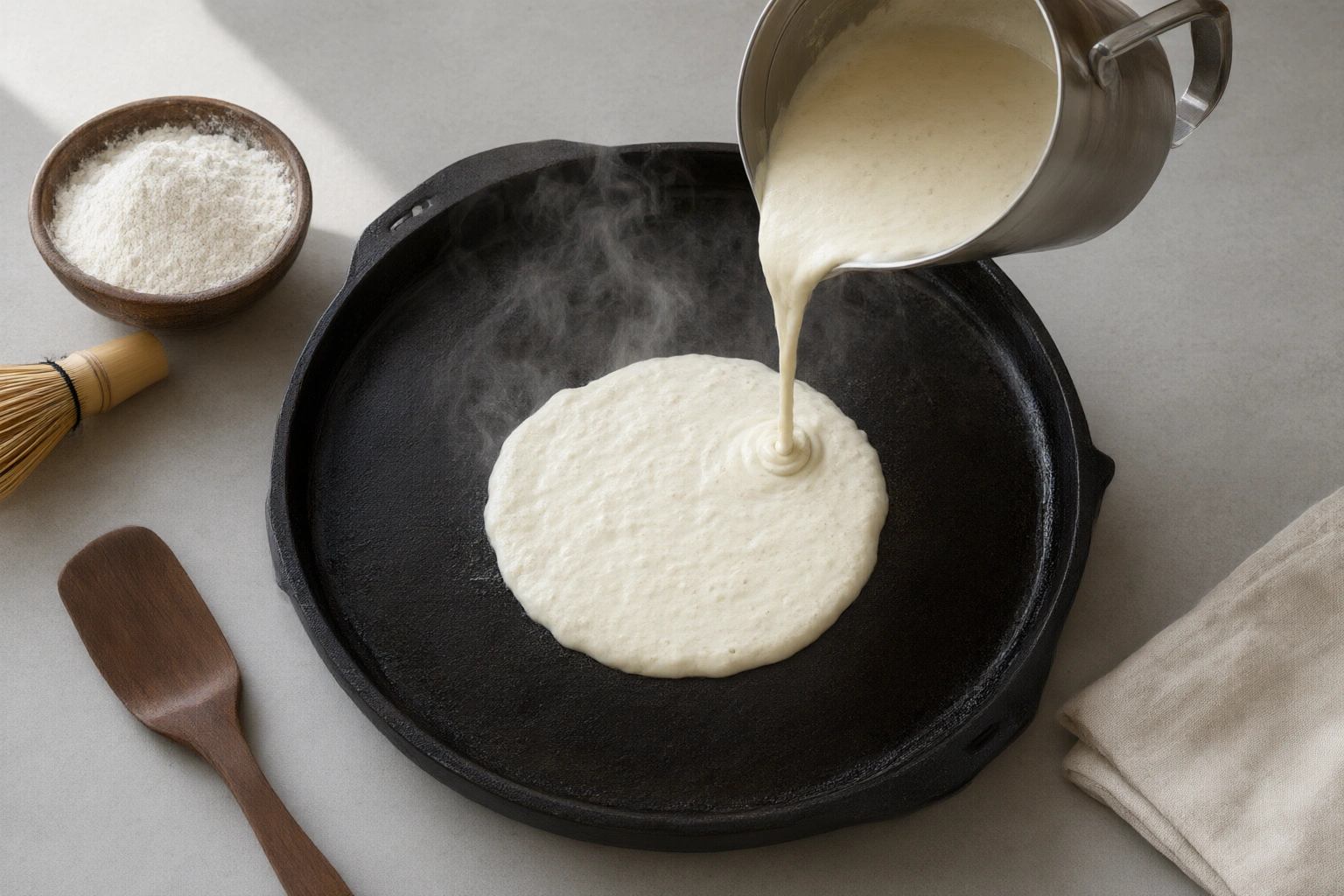
Fourth, consider the structure of the recipe itself. Eggs, starches, and other binders often do more for the final texture than extra fizz ever will.
Finally, choose your leavening strategy based on the recipe’s goal. If you want a quick, immediate reaction and the batter is designed for it, soda plus vinegar can be useful. If you want more consistency and less guesswork, baking powder is often the better tool.
When to Choose Soda and Vinegar, and When Not To
Use baking soda and vinegar when the recipe is built for a fast reaction and you can get the batter into heat right away. That makes the most sense in simple pancakes, some quick cakes, and other batters where immediate lift is useful.
Choose baking powder when you want a more forgiving rise, especially in rice flour recipes that already need help with structure. It is usually easier to balance and less likely to leave an obvious vinegar note.
If you are developing your own gluten-free recipe, think in this order:
- Does the batter have enough structure to hold gas?
- Do I need a quick reaction or a steadier rise?
- Will vinegar add flavor I actually want?
- Is baking powder the simpler solution?
Those questions lead to better results than adding more fizz and hoping for the best.
FAQ
Can I use vinegar instead of baking powder in rice flour batter?
Not by itself. Vinegar provides acid, but baking powder contains both acid and base, which is why it works as a complete leavening ingredient.
Can baking soda work without vinegar in rice flour batter?
Sometimes, but only if the batter already contains enough acid from another ingredient to activate it. Otherwise, baking soda may leave a soapy or bitter taste and not leaven properly.
How much baking soda and vinegar should I start with?
Start conservatively and keep the recipe balanced. Small batters usually need only a small amount of baking soda and just enough vinegar to activate it. More fizz does not automatically mean more rise.
Why did my batter fizz but still turn out flat?
The most likely reason is that the gas escaped before the batter set, or the batter did not have enough structure to trap the bubbles. Rice flour does not hold gas the way wheat flour does.
Is baking powder better for rice flour batter?
Often, yes. Baking powder is usually more forgiving because it already contains the acid-base balance needed for rise.
Conclusion
In a rice flour batter, baking soda and vinegar do react the way you would expect: they create carbon dioxide gas that can help the batter rise. The catch is that rice flour does not trap that gas as well as wheat flour, so the final result depends on structure, timing, and balance.
If you keep the batter moving quickly from mixing bowl to heat, and if the recipe has enough support to hold the bubbles, the reaction can be useful. If not, the fizz may disappear before it ever turns into lift.
For many home bakers, the real skill is not making the batter bubble more. It is choosing the leavening method that matches the recipe’s structure and the texture you want.

