
How to Make Chocolate Chip Cookies Chewier: A Practical Guide for Better Texture
If your chocolate chip cookies tend to bake up crisp, cakey, or dry, the fix usually comes down to a few controllable choices: sugar balance, fat handling, flour selection, chilling, and bake time. You do not need a brand-new recipe to get there.
The fastest path to a chewier cookie is usually this: use more brown sugar than white sugar, avoid overbaking, chill the dough if it spreads too much, and consider an extra egg yolk or a portion of bread flour if your current recipe still bakes up too delicate. Those changes often help cookies hold onto moisture and set with a thicker, softer center, though the final texture still depends on the full recipe balance, oven calibration, and pan type.
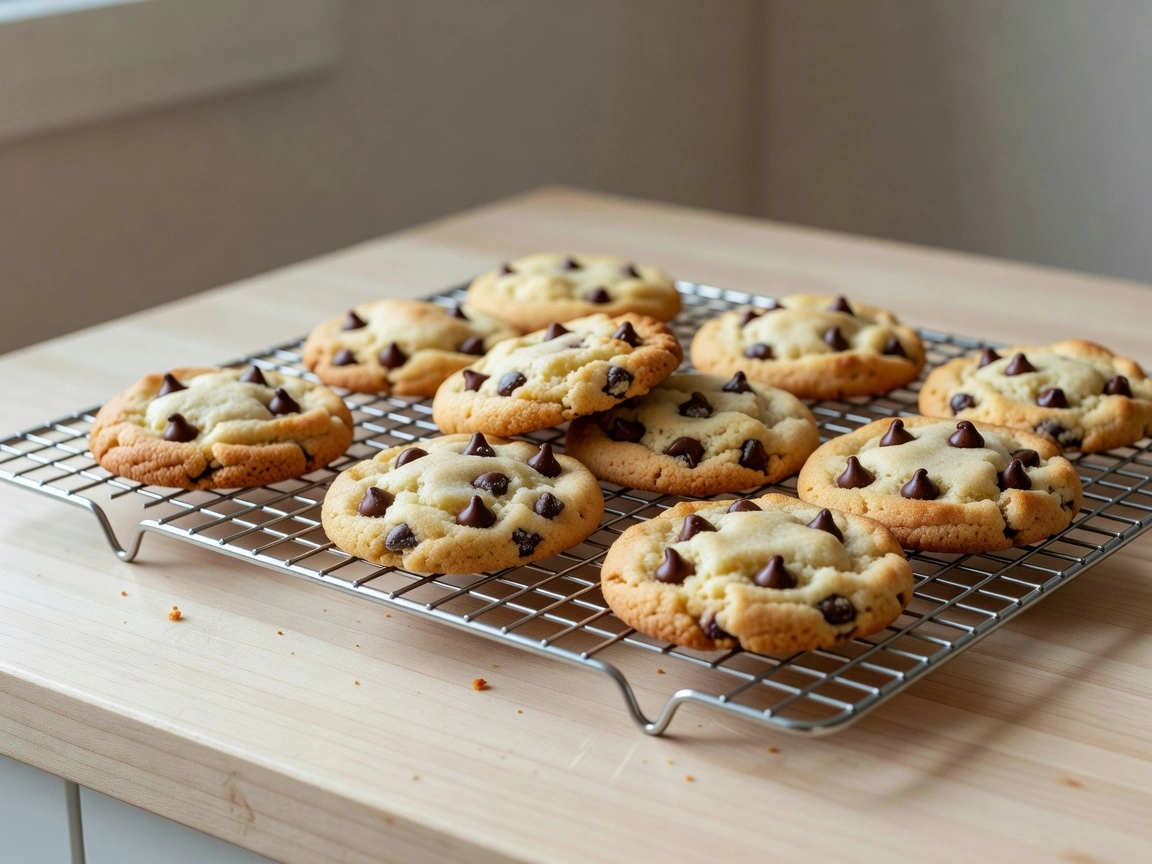
Quick Answer: The Best Ways to Make Chocolate Chip Cookies Chewier
If you want the most reliable improvements with the fewest changes, focus on these three moves:
- Shift the sugar balance toward brown sugar. Brown sugar often helps cookies bake up moister and chewier than a recipe made mostly with granulated sugar, especially when the rest of the formula is balanced for it.
- Pull the cookies from the oven a little early. The edges should look set, but the centers can still look slightly soft. The residual heat finishes the job on the pan.
- Chill the dough if it spreads too much. Cold dough tends to hold its shape better and often bakes into a thicker cookie with a more pleasing chew.
If your cookies are still too crisp after that, the next adjustments to try are melted butter, an extra egg yolk, or some bread flour in place of all-purpose flour.
What Actually Makes Cookies Chewy Instead of Crispy
Chewiness is mostly about how much moisture stays in the cookie and how the cookie sets in the oven. Crispy cookies usually spread more, dry out more, and finish baking longer. Chewier cookies tend to stay thicker, retain more moisture, and set before they fully dry out.
A few ingredients and techniques influence that outcome:
- Sugar type affects how much moisture the dough holds.
- Fat handling affects spread and density.
- Flour protein affects structure and bite.
- Eggs add moisture and binding.
- Bake time controls whether the center stays soft or dries out.
That is why the same base recipe can swing from crisp to chewy with only a few small edits.
Ingredient Changes That Increase Chewiness
Brown sugar vs. granulated sugar
Brown sugar is one of the most useful ingredients for chewy cookies. It brings moisture and a softer texture that often reads as chewier once the cookies cool.
Granulated sugar, on the other hand, tends to encourage a crisper finish. Cookies with a higher proportion of white sugar often spread a little more and can bake up drier at the edges.
Practical adjustment: If your recipe uses equal amounts of white and brown sugar, try shifting the balance to about 2 parts brown sugar to 1 part white sugar. For example, if a recipe calls for 1 cup total sugar, try 2/3 cup packed brown sugar and 1/3 cup granulated sugar as a starting point.
Trade-off: More brown sugar can make the cookie softer and less snappy. If you like a little edge crispness, keep some white sugar in the mix instead of removing it entirely.
Melted butter vs. softened butter
Melted butter can encourage a denser, chewier cookie because it coats flour differently than softened butter and often produces a richer, more compact texture. Many bakers also find that melted-butter dough develops a better chew after chilling.
Softened butter, especially when creamed well with sugar, can trap more air. That can be useful for lift, but it may push a cookie toward a lighter, cakier texture.
Practical adjustment: If your cookies are too airy or too puffy, try a melted-butter version of your recipe next time. For a typical batch, that usually means melting the butter, letting it cool slightly, then chilling the dough before baking.
Trade-off: Melted butter can increase spread, so the dough often benefits from chilling before baking. If you skip the chill, the cookies may flatten more than you want.
Bread flour vs. all-purpose flour
Bread flour contains more protein than all-purpose flour, so it can create a sturdier cookie with more bite. That extra structure can be useful when your cookies spread too much or feel too fragile.
All-purpose flour still works well for chewy cookies, especially if the recipe already has enough moisture and brown sugar. But if your cookies keep turning out soft in the middle and thin at the edges, a partial bread-flour swap may help.
Practical adjustment: Replace about 1/4 cup of the all-purpose flour per 2 cups total flour with bread flour first. That gives you a chewier result without making the cookies too firm. If needed, you can go a little higher on a later batch.
Trade-off: Too much bread flour can make cookies feel dense or slightly tough instead of pleasantly chewy.
Whole egg vs. extra yolk
Egg yolks add fat and richness, which can support a softer, chewier texture. A whole egg gives structure, but an extra yolk can tilt the result toward a richer bite without making the cookies puffy or cakey.
If your cookies are dry, an extra yolk is often a better first move than adding more flour. It improves richness without making the dough heavier in the wrong way.
Practical adjustment: Add 1 extra yolk for a standard batch if you want a more tender, chewy center.
Trade-off: The cookies may taste a little richer and less neutral. That is usually a good thing in chocolate chip cookies, but it does shift the flavor.
A simple comparison table
| Choice | What it does | Best for | Trade-off |
|---|---|---|---|
| More brown sugar | Helps the dough hold more moisture, softens texture | Chewier, moister cookies | Less crisp edge |
| Melted butter | Can create a denser, richer cookie | Soft, chewy centers | More spread if not chilled |
| Bread flour | Adds structure and bite | Cookies that spread too much | Can feel firmer |
| Extra egg yolk | Adds richness and tenderness | Softer chew without much puff | Slightly richer flavor |
Baking Technique Changes That Make a Bigger Difference Than You Think
Mix just until the dough comes together
Overmixing can develop too much gluten and make cookies tough instead of chewy. That is different from the pleasant chew most bakers want. Once the flour disappears, stop mixing.
A useful sign: the dough should look cohesive but not overworked. If you beat it aggressively after adding flour, the cookies may bake up more bready or firm than chewy.
Chill the dough when spread is the problem
Chilling gives the flour time to hydrate and firms up the butter, which often helps cookies bake thicker. That can improve chewiness because a thicker cookie usually stays softer in the center.
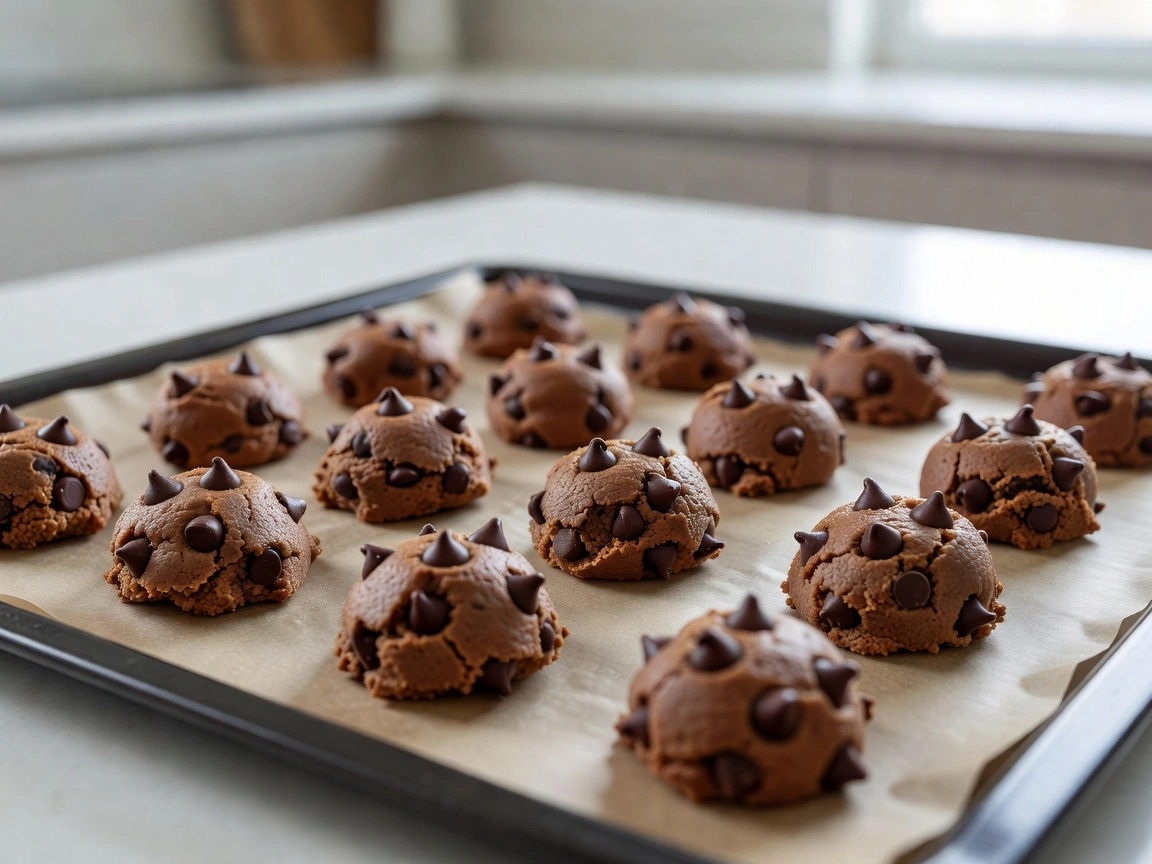
If your cookies consistently spread too much, chilling is one of the most dependable fixes. It is especially helpful with doughs made with melted butter.
For a deeper look at resting times and texture changes, see how long to chill chocolate chip cookie dough for better texture and spread.
Bake slightly less than you think you should
A chewy cookie usually comes from pulling the tray when the centers still look a little underdone. The cookies keep setting from residual heat after they leave the oven.
If you wait until the whole cookie looks fully baked in the oven, it often finishes dry and crisp. The goal is a set edge with a center that still looks soft and slightly glossy.
Use a clear oven target, not a vague one
For chewy chocolate chip cookies, a good default is 350°F to 375°F. If your recipe is already balanced for chewiness, 350°F is often the safest starting point. If you want a little more spread control and faster setting, 375°F can work too, depending on your oven and pan.
That said, oven calibration matters. A recipe that works at 350°F in one oven may bake differently in another, and dark pans can brown the bottoms faster than light-colored pans. If your cookies brown too quickly underneath, reduce the temperature slightly or switch to a lighter pan.
Pan choice matters more than many bakers expect
Dark pans tend to brown the bottoms faster than light-colored pans. Silicone mats can also change how cookies spread and how quickly the bottoms color. If your cookies are turning crisp underneath before the center is done, pan choice may be part of the problem.
If you want a softer, chewier result, use the pan setup that gives you the gentlest browning on the bottom.
How to Adapt Your Favorite Chocolate Chip Cookie Recipe Without Starting Over
You do not need to rebuild a recipe from scratch. Make one adjustment at a time so you can see what changed.
If the cookies are too crisp
Try this order:
1. Increase the brown sugar share.
2. Pull the cookies a little earlier.
3. Chill the dough before baking.
That sequence works because crispness usually comes from excess drying, spread, or both. If the cookies are crisp because they were simply overbaked, the quickest fix is usually a shorter bake time rather than a bigger formula change.
If the cookies spread too thin
Try this order:
1. Chill the dough.
2. Use a little more flour, or swap in some bread flour.
3. Check whether the butter was too warm or fully melted without a chill.
Thin cookies often taste good but lose the chewy center people want.
If the cookies are cakey
Try this order:
1. Reduce overmixing.
2. Check whether there is too much flour.
3. Make sure the recipe is not relying on too much leavening for lift.
Cakey cookies often have too much air and not enough density for a chewy bite.
If the cookies are dry
First, decide whether they were overbaked or whether the recipe itself is too low in fat or sugar.
- If they were overbaked, pull the next batch 1 to 2 minutes earlier and check for set edges with slightly soft centers.
- If the recipe is naturally low in fat or sugar, try adding 1 extra yolk, shifting to a 2:1 brown-sugar-to-white-sugar ratio, or replacing 1/4 cup of flour per 2 cups with bread flour.
Dry cookies usually need more moisture retention, not more baking time.
Common Mistakes That Make Cookies Dry, Crunchy, or Cakey
Using too much granulated sugar
A high white-sugar formula often bakes more crisp than chewy. If your cookies are good on flavor but too crunchy, this is one of the first places to look.
Measuring flour too heavily
Too much flour can make cookies dry, thick, and sometimes cakey. If you scoop directly from the bag, you may pack in more flour than the recipe intended.
Overbaking to “be safe”
This is probably the most common chewy-cookie mistake. Chocolate chip cookies should usually look slightly underdone in the center when they come out of the oven if you want a softer result.
Overmixing after adding flour
Once flour goes in, the goal is just to combine. If you keep mixing, you can lose tenderness and end up with a firmer cookie.
Skipping storage after baking
Even a well-baked cookie can dry out quickly if left uncovered. If you want chewiness to last, storage matters.
How to Keep Chocolate Chip Cookies Chewy After Baking
Let the cookies cool completely before sealing them up. If you trap steam while they are still very hot, the texture can turn awkward instead of pleasantly chewy.
Once cooled, store them in an airtight container. If the cookies are exposed to air, they dry out much faster and lose that soft bite.
A simple trick for maintaining softness is to keep a slice of bread in the container. This can help the cookies stay softer for longer, although the effect is usually modest and depends on how dry the cookies were to begin with. Just replace the bread if it becomes stale.
If you are planning ahead, freezing baked cookies can also help preserve texture better than leaving them out on the counter for several days.
Simple Chewy Cookie Formula You Can Use as a Starting Point
If you want a dependable chewy-cookie direction without rebuilding your entire recipe, use this framework:
- Keep brown sugar higher than white sugar
- Use melted butter if you want a denser chew, then chill the dough
- Add one extra egg yolk for richness and tenderness
- Use some bread flour if your cookies keep spreading too much
- Bake at 350°F to 375°F until the edges are set and the centers still look a little soft
A simple sample formula for chewy chocolate chip cookies is:
- 2 parts brown sugar to 1 part white sugar
- 1 extra egg yolk per standard batch
- Replace 1/4 cup flour per 2 cups total flour with bread flour
- Bake at 350°F if you want a softer finish, or 375°F if spread is a bigger issue
That formula is flexible. You can keep your favorite chocolate chips, vanilla, and salt exactly as they are while adjusting the texture.
If you want a more specific sugar-focused breakdown, this guide on why brown sugar makes cookies chewy goes deeper into the role sugar plays in texture.
Final Takeaway
To make chocolate chip cookies chewier, focus on the parts of the recipe that control moisture and spread. Brown sugar, melted butter, an extra yolk, bread flour, chilling, and slightly shorter bake time are the most useful tools. You usually only need a few of them, not all of them, to move a cookie from crisp or cakey into the chewy range.
The best approach is to change one variable at a time. That way, you will know which adjustment actually improved your cookies and can repeat it with confidence.
FAQ
What makes chocolate chip cookies chewy instead of crispy?
Chewy cookies usually have more moisture retention, less overbaking, and a thicker structure. Brown sugar, an extra yolk, and a short chill can all help, but the full recipe balance matters too.
Does lowering the oven temperature and baking longer make cookies chewier?
Usually not by itself. A lower temperature can help if your cookies brown too fast, but baking much longer can dry them out. For chewy cookies, a better starting point is 350°F to 375°F and removing them when the centers still look slightly soft.
Why are my cookies dry even though I did not overbake them?
The recipe may be low in fat or sugar, or it may have too much flour. In that case, try more brown sugar, an extra yolk, or a small bread-flour substitution instead of just changing bake time.
Should I chill cookie dough every time?
Not always, but it helps when cookies spread too much or when you want a thicker, chewier result. If spread is not a problem, chilling is optional rather than mandatory.
Is melted butter always better for chewy cookies?
Not always. Melted butter can help create a denser texture, but it can also increase spread. If you use it, chilling the dough becomes more important.
How do I keep chewy cookies soft after baking?
Cool them fully, store them in an airtight container, and avoid leaving them uncovered. A slice of bread in the container can help a little, but it is not a cure-all.

