
Mouth Sores Baking Soda Relief That Really Works
Baking soda can help soothe mouth sores by reducing acidity and easing stinging when used as a mild rinse. It is helpful for temporary relief, but sores that are severe, recurring, or not improving need professional care.
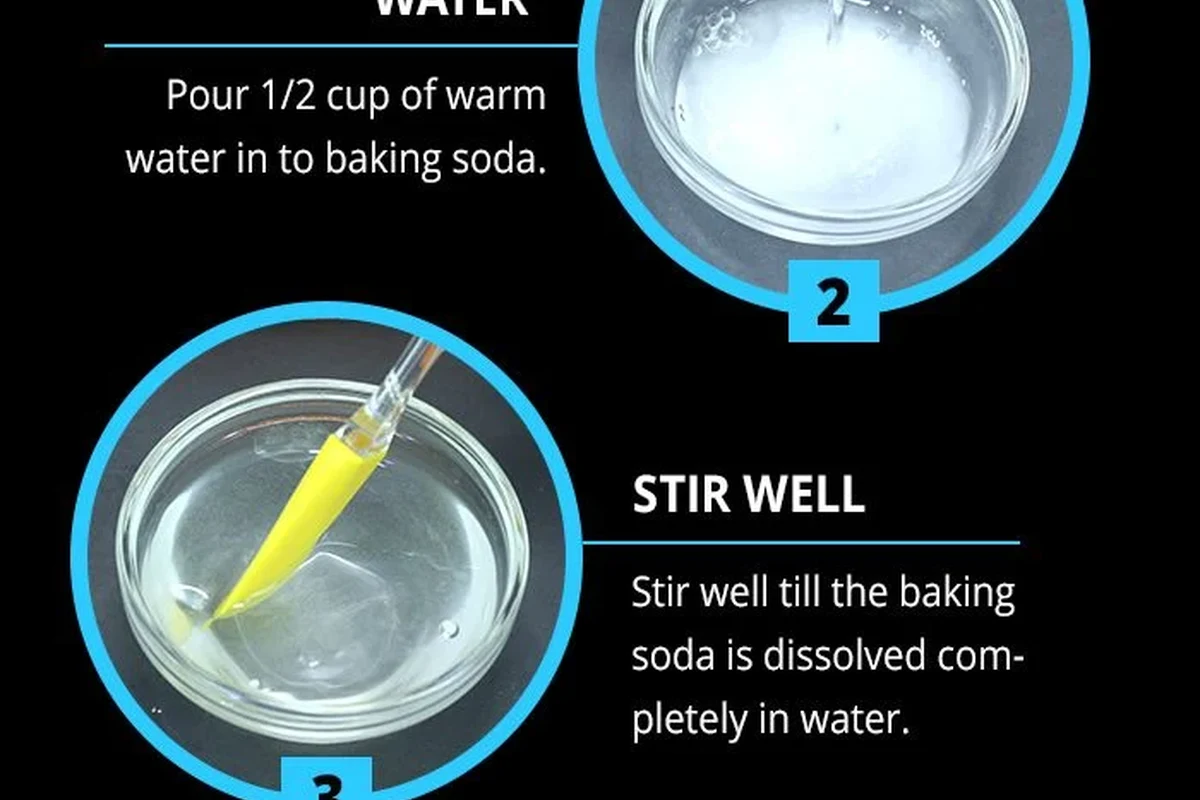
- Gentle rinse works best: A diluted baking soda rinse is usually safer than direct powder application.
- Relief is limited: It may calm burning, but it does not fix the root cause of every.
- Watch for red flags: Fever, swelling, spreading ulcers, or sores lasting over two weeks need evaluation.
- Kitchen habits matter: Acidic foods, heat, dryness, and friction can make sores worse.
- Prevention helps: Soft brushing, hydration, and trigger awareness can reduce future irritation.
Frequently Asked Questions
Mix a small amount of baking soda with warm water and swish gently for a short time, then spit it out. A mild rinse is usually safer than putting dry powder directly on a sore.
Baking soda may help reduce stinging and acidity, which can make the area feel better. It does not usually treat the underlying cause of the sore or guarantee faster healing.
Direct application can be irritating, especially if the sore is open or bleeding. A diluted rinse is usually the gentler first choice.
Acidic, spicy, crunchy, or very hot foods can make mouth sores sting more. Softer, bland foods are usually easier to tolerate while the sore heals.
Get checked if the sore lasts longer than about two weeks, keeps returning, or comes with swelling, fever, or trouble swallowing. Those signs may point to a problem beyond simple irritation.
It may be used carefully in some cases, but children can swallow rinses more easily. Ask a qualified professional for age-appropriate guidance before using home remedies.

