
Washing Fruits and Vegetables with Baking Soda Guide

Baking soda can help clean firm fruits and vegetables by loosening surface dirt and residue, but it does not sterilize produce. Use a mild mix, rinse well, and choose a gentler method for delicate items like berries and leafy greens.
Washing fruits and vegetables with baking soda is a simple kitchen habit that can help remove dirt, surface residue, and some waxy film from produce. It is not a magic disinfectant, but used correctly it can be a practical, low-cost cleaning step for many firm fruits and vegetables.
- Best use: Firm produce with visible dirt or surface film benefits most from a mild baking.
- Main limit: It cleans, but it does not guarantee pesticide removal or kill all bacteria.
- Technique matters: Use little baking soda, brief soaking, a thorough rinse, and a clean drying step.
- Delicate produce: Berries, herbs, mushrooms, and leafy greens usually need a lighter touch.
- Food safety: Clean hands, clean tools, and proper storage matter as much as the wash itself.
What “Washing Fruits and Vegetables with Baking Soda” Actually Means in 2026
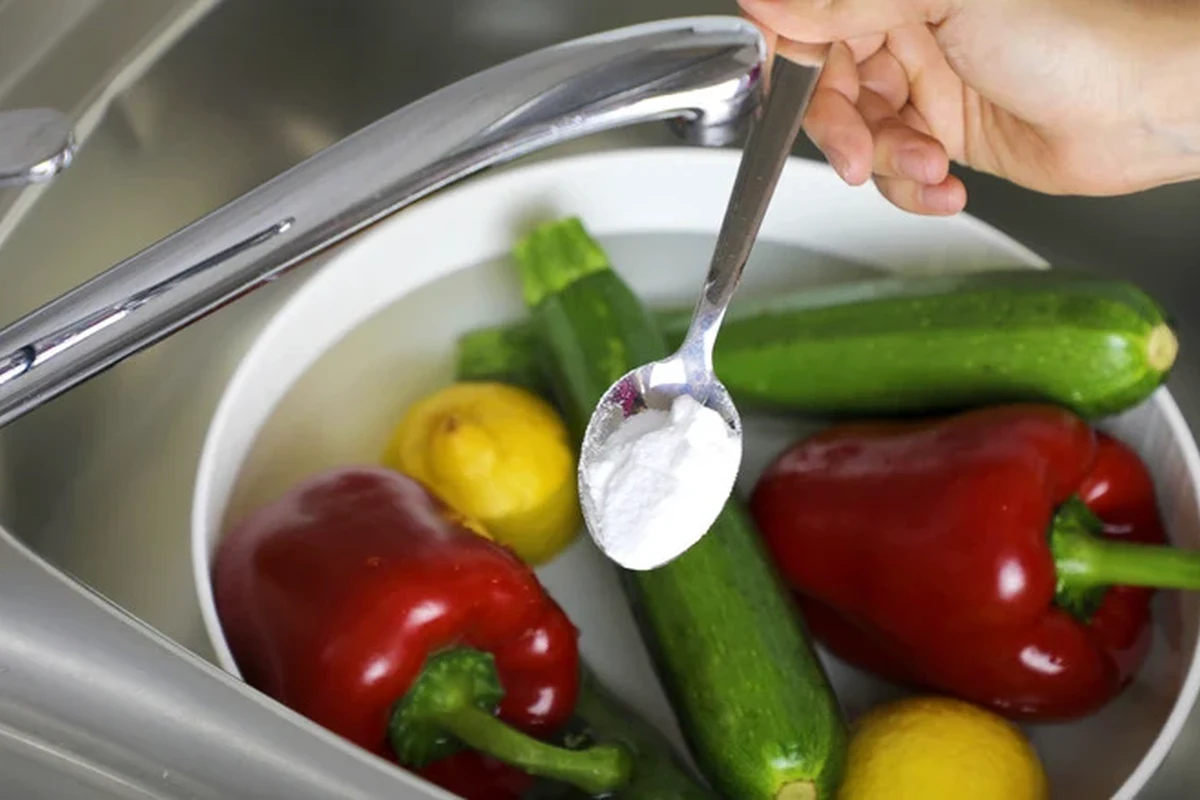
In 2026, this method usually means soaking or lightly scrubbing produce in water with a small amount of baking soda, then rinsing well. The goal is to clean the surface more thoroughly than plain water alone, especially on produce that tends to carry visible soil or a slick coating.
Many shoppers still search for this method instead of vinegar or commercial washes because baking soda is already in the pantry, inexpensive, and familiar from other kitchen uses. If you also use baking soda for cleaning around the house, you may recognize its mild, practical role from guides like our baking soda and vinegar reaction guide and our baking soda versus baking powder article.
Why shoppers still search for this method instead of vinegar or produce washes
People often want a method that feels gentle, affordable, and easy to repeat. Baking soda fits that pattern because it does not have a strong smell and does not require a special product purchase.
That said, “popular” does not always mean “best for every situation.” The right choice depends on the produce type, how dirty it is, and whether you are trying to remove loose soil, surface residue, or simply rinse away handling debris.
What baking soda can and cannot do on fresh produce
Baking soda can help loosen grime and make rinsing more effective on many fruits and vegetables. It can also help break up some stubborn surface film that plain water may leave behind.
It cannot guarantee removal of all pesticides, and it does not sterilize produce. For food safety, it is better to think of it as a cleaning aid, not a replacement for safe handling, refrigeration, or other official produce-washing guidance from agencies such as the USDA or FDA.
How Baking Soda Works on Produce Surfaces
Baking soda is mildly alkaline, which means it can change the way certain residues cling to a surface. On produce, that can make dirt particles, sticky film, and some surface residues easier to lift during rinsing.
The role of alkalinity in loosening dirt, residues, and surface film
Alkalinity helps weaken some of the bonds between the produce skin and whatever is sitting on top of it. In practical terms, that means a short soak can make a later rinse more effective than rinsing alone.
The effect is strongest on smooth, firm surfaces such as apples, cucumbers, and potatoes. Soft, porous, or delicate produce does not benefit as much from aggressive soaking, because the texture can change before the cleaning advantage becomes meaningful.
Baking soda is often useful because it changes the surface conditions around grime, not because it “scrubs” by itself. The rinse step is what carries the loosened material away.
Why this method is about cleaning, not sterilizing
Fresh produce is not a sterile product, and home washing cannot make it sterile. The purpose is to reduce visible dirt and surface contamination, then handle the food safely afterward.
That distinction matters. If produce is bruised, moldy, or slimy, washing will not fix it. In those cases, discard it rather than trying to rescue it with any wash method.
Best Practices for Mixing and Using Baking Soda Safely
The safest approach is to use a small amount, enough water to fully cover the produce, and a thorough rinse afterward. More baking soda is not automatically better, and overdoing it can leave a chalky taste or residue.
Practical measurement ranges for bowls, sinks, and small-batch washing
For a bowl or sink, a light sprinkle to a small spoonful per basin of water is usually enough for home use. Exact amounts can vary with sink size and how much produce you are washing, so avoid turning the water strongly cloudy.
For a small batch, use enough water to cover the produce and just enough baking soda to create a mild cleaning solution. If the water starts looking foamy or heavily cloudy, you likely used more than necessary.
- Remove damaged leaves, stems, or spoiled spots first
- Wash hands and clean the sink or bowl before use
- Rinse produce under running water if it is visibly dusty
- Keep raw meat, eggs, and dirty utensils away from the wash area
Step-by-step soaking and rinsing method for firm fruits and vegetables
Add cool water to a clean bowl or sink. Stir in a small amount of baking soda until it dissolves.
Place apples, pears, cucumbers, potatoes, carrots, or similar items into the water. Let them sit briefly so the solution can loosen surface debris.
Swirl the produce with clean hands or use a soft brush on sturdy skins. Do not scrub hard enough to tear the skin.
Rinse each item under clean running water to remove the baking soda and loosened residue.
Pat dry with a clean towel or paper towels. Dry produce is less likely to slip, bruise, or spoil early in storage.
Use a clean sink or bowl, not the same basin that held raw meat juices or dirty dishes. Cross-contamination is a bigger food safety risk than the washing method itself.
When a gentle scrub is appropriate and when it can damage delicate produce
A soft brush works well on firm items like potatoes, apples, melons with thick rinds, and root vegetables. These surfaces can tolerate light friction without bruising or tearing.
Skip scrubbing on berries, leafy greens, herbs, and mushrooms. Those foods bruise easily, absorb water, or become slimy if handled too aggressively.
What Types of Produce Benefit Most from Baking Soda Washing
Not all produce needs the same treatment. The best candidates are the ones with firm skins or visible surface dirt, especially when you plan to peel, slice, or cook them soon after washing.
Firm-skinned fruits and vegetables that tolerate soaking well
Apples, pears, peaches with firm skins, cucumbers, carrots, potatoes, squash, and melons are common candidates. Their surfaces usually tolerate a brief soak and light brush without losing quality.
These items often benefit because their skins can hold soil in tiny creases or a thin film from handling and transport. A rinse after soaking helps remove the loosened material before slicing or cooking.
If you plan to peel produce, washing first still matters. A clean knife and cutting board are only helpful if the outside surface is cleaned before you cut through it.
Leafy greens, berries, mushrooms, and other delicate items that need a lighter touch
Leafy greens are better washed in cool water, swished gently, and lifted out rather than soaked for long periods. Too much soaking can make them limp and dilute their crisp texture.
Berries should usually be rinsed quickly right before eating, because they absorb water and break down fast. Mushrooms also need care; a brief rinse or wipe is usually better than a long soak, which can leave them waterlogged.
- Helpful for firm produce with visible dirt or film
- Low-cost and easy to do with pantry ingredients
- Can improve the feel of rinsing compared with water alone
- Not ideal for delicate produce
- Can leave residue if not rinsed well
- Does not sterilize or remove every hazard
Common Mistakes That Reduce Effectiveness or Waste Produce
Most problems come from using too much baking soda, soaking too long, or treating every fruit and vegetable the same way. A careful, moderate approach works better and protects texture.
Using too much baking soda or soaking for too long
Heavy concentrations can leave a taste or a slippery feel on the skin. Long soaks can also soften produce unnecessarily, especially if the item is already ripe or delicate.
If the produce feels unusually slick after washing, rinse again under running water. That is usually a sign that the solution was too strong or the rinse was too brief.
Apples taste faintly soapy or the skin feels chalky after washing.
Use less baking soda next time and rinse under running water longer. Drying with a clean towel also helps remove any remaining film.
Skipping the final rinse, drying step, or proper handling after washing
The final rinse is essential because it removes loosened grime and leftover baking soda. Without it, you may simply move residue around instead of washing it away.
Drying matters too. Wet produce can slip while cutting, and damp surfaces can spoil faster in storage. If you are meal prepping, dry produce before refrigerating it in a clean container.
Assuming baking soda removes pesticides, bacteria, or wax in every case
This is the biggest misunderstanding. Baking soda may help with some surface residue, but it is not a guaranteed solution for pesticides, bacteria, or commercial wax coatings.
For food safety, follow official produce-handling guidance and the instructions on any packaged produce when provided. If a grower, grocer, or manufacturer gives specific washing advice, follow that first.
Safety, Food Quality, and Storage Considerations
Good produce washing should improve cleanliness without harming texture or flavor. The trick is to clean enough to be useful, but not so much that you damage the food.
How to avoid texture changes, off-flavors, and residue on produce
Keep the solution mild, the soak brief, and the rinse thorough. Stronger is not safer here; it is more likely to leave residue or affect delicate skins.
If you notice off-flavors, the usual fix is simple: reduce the baking soda next time and rinse for longer. A clean towel can also help remove surface moisture that carries residue.
Washing before storage versus washing right before eating
For many items, washing right before use is the safest storage choice. Unwashed produce often keeps better because excess moisture does not sit on the surface in the refrigerator.
That said, some meal-prep cooks prefer to wash and dry produce in batches. If you do that, make sure the produce is fully dry before storing it, and keep it in a clean, breathable container when appropriate.
When to follow manufacturer, grocer, or produce-specific guidance
If produce comes with a label or washing instructions, follow those directions. Some items are treated, coated, or packed in ways that make the seller’s guidance more relevant than a general tip.
This is especially important for specialty produce, pre-washed greens, or items intended to be eaten with minimal handling. When in doubt, check the package or the grower’s instructions before adding any extra step.
Should You Use Baking Soda Instead of Other Produce-Cleaning Methods?
Baking soda is one option, but it is not the only one. The best method depends on what you are washing and how much time you have.
Comparison with plain water, commercial produce washes, and vinegar-based methods
Plain water is the simplest choice and is often enough for lightly soiled produce. It is also the least likely to affect flavor or texture.
Commercial produce washes may be marketed as convenient, but they are not automatically necessary for home kitchens. Vinegar-based methods are popular, but vinegar has its own limitations and can leave a noticeable taste if overused. If you want a broader overview of cleaning chemistry, our baking soda vinegar cleaning guide for ovens explains why these ingredients behave differently in practical cleaning tasks.
Best for everyday rinsing and delicate produce. Lowest risk of flavor change, but may not lift sticky surface film as well.
Best for firm produce that needs a little extra cleaning help. Good balance of affordability and mild cleaning action.
Best for shoppers who want a packaged option. Check ingredients, instructions, and value before buying.
Best for some home routines, but the smell and taste can be noticeable. Not a universal upgrade over water.
Best use cases for home kitchens, busy meal prep, and budget-conscious shoppers
For a home kitchen, baking soda is often most useful when you have firm produce and want a low-cost cleaning boost. It is also practical when you already keep baking soda on hand for baking and general kitchen use.
For busy meal prep, the best routine is usually the one you can repeat consistently without overhandling the produce. For budget-conscious shoppers, the pantry-staple approach often makes more sense than buying a separate wash product, as long as you keep the method mild and rinse well.
Kitchen Baking Soda
Choose a plain, food-grade baking soda from a trusted brand and check the package for freshness and storage instructions. Keep it dry, sealed, and separate from anything that could contaminate food-contact surfaces.
Final Recommendation: When Baking Soda Washing Is Worth Doing
Washing fruits and vegetables with baking soda is worth doing when the produce is firm, visibly dusty, or carrying a surface film that plain water does not remove well. It is also a practical choice when you want a simple, low-cost method you can use in a normal kitchen routine.
Simple decision guide for everyday produce prep
Use baking soda for apples, cucumbers, carrots, potatoes, squash, and similar sturdy produce. Use plain water or a gentler rinse for berries, leafy greens, herbs, and mushrooms.
If the food is damaged, moldy, or slimy, throw it out instead of washing it. No cleaning method can make spoiled produce safe or pleasant to eat.
Practical recap for choosing the right method by produce type and kitchen routine
If your goal is better surface cleaning without buying another product, baking soda is a sensible option. If your goal is food safety, remember that washing is only one part of the process; clean hands, clean tools, and proper storage matter just as much.
The best routine is the one that matches the produce and protects its texture. For most kitchens, that means a mild baking soda wash for sturdy items, a lighter rinse for delicate ones, and a final rinse and dry every time.
Frequently Asked Questions
Use a small amount in a bowl or sink of water, just enough for a mild cleaning solution. Too much can leave residue, so keep the mix light and rinse well afterward.
It may help loosen some surface residue, but it does not guarantee pesticide removal. For safety, follow official produce-handling guidance and wash produce thoroughly under clean running water.
Berries and leafy greens usually need a gentler approach than soaking. A quick rinse or brief swish in cool water is often better than a baking soda soak.
Often it is better to wash produce right before eating so extra moisture does not shorten storage life. If you wash ahead, dry the produce very well before refrigerating it.
It can if the solution is too strong or if the produce is not rinsed well. Use a mild mix and a thorough final rinse to avoid off-flavors.
No. A soft brush is helpful on firm produce, but it can damage delicate items like berries, mushrooms, and leafy greens.