What Is the pH of Baking Soda, and Why Does It Matter in Baking?
If you’ve ever wondered what is the ph of baking soda, the practical answer is this: baking soda is alkaline, not acidic. In baking, that matters because alkalinity changes how it reacts with acids, how fast it releases gas, how much a batter browns, and how a finished bake tastes.
In water, baking soda typically produces an alkaline solution in roughly the pH 8 to 9 range. Dry baking soda, however, does not have a meaningful standalone pH in the same way a solution does. pH is a measurement for water-based systems, so the number matters most once baking soda is dissolved or mixed into a batter or dough.
Baking soda is the kitchen name for sodium bicarbonate. On its own, it does not behave like an acid. When it meets a liquid and especially an acidic ingredient, it can shift the balance of a batter or dough in ways that matter to home bakers. That is why understanding its pH is more useful than memorizing a chemistry term.
What Is the pH of Baking Soda?
Baking soda is commonly described as mildly to moderately alkaline when it is dissolved in water. In plain baking terms, that means it sits on the basic side of the pH scale rather than the acidic side.
A practical way to think about it:
- Acidic ingredients like lemon juice, vinegar, and buttermilk have low pH.
- Baking soda pushes in the opposite direction and raises alkalinity.
- When the two meet, they can neutralize each other to some degree while also creating lift.
That balance is why baking soda is so useful in cookies, muffins, quick breads, and cakes.
Why Baking Soda Has an Alkaline pH
Baking soda is sodium bicarbonate, a compound that behaves as a base in the presence of water and acids. In baking, that means it can accept hydrogen ions from acidic ingredients. As it does, the mixture becomes less acidic and releases carbon dioxide, which helps with leavening.
You do not need a chemistry lab to use this well. The baking takeaway is simple:
- If a recipe includes an acid, baking soda can help balance it.
- If a recipe does not include enough acid, baking soda may not fully react.
- Unreacted baking soda can leave a soapy, bitter, or metallic taste.
That is why recipe developers pay attention to the ingredient list, not just the leavener.
Dry Baking Soda vs. Baking Soda in Water
This distinction matters more than many explanations make it seem.
In dry form
Dry baking soda is a shelf-stable powder. In that form, pH is not really the right way to think about it, because pH describes the acidity or alkalinity of a water-based solution.
In water or batter
Once baking soda dissolves, its alkaline behavior becomes active. That is when it can interact with acids and create carbon dioxide gas.
For bakers, this means the real question is not, “What is the pH of the powder sitting in the can?” The better question is, “What happens when this powder enters my batter, dough, or liquid ingredients?”
That shift explains why baking soda can seem quiet in the container but very active in a recipe.
How Baking Soda’s pH Affects Baking
Baking soda’s alkaline nature affects baking in three major ways: rise, browning, and flavor balance.
1. It helps with leavening
When baking soda reacts with acid, it releases carbon dioxide. Those gas bubbles expand in the oven and help baked goods rise.
This is especially useful in batters that need a quick burst of lift, such as:
- muffins
- pancakes
- quick breads
- some cookies
If the batter is baked promptly, the gas produced by the reaction can help create a lighter texture.
2. It can encourage browning
Alkalinity can promote browning in baked goods, but the effect depends on the full recipe formula, not baking soda alone. That is one reason baking soda often appears in cookie recipes with brown sugar or cocoa powder.
A slightly more alkaline dough or batter may brown more readily than a more acidic one. That can affect color and, indirectly, flavor.
3. It changes flavor balance
A small amount of baking soda can soften sourness in recipes with acidic ingredients. But too much can push flavor in the wrong direction and leave a harsh aftertaste.
So the pH effect is useful only when it is balanced. More is not automatically better.
What Happens When Baking Soda Meets Acid
This is the reaction most bakers notice first.
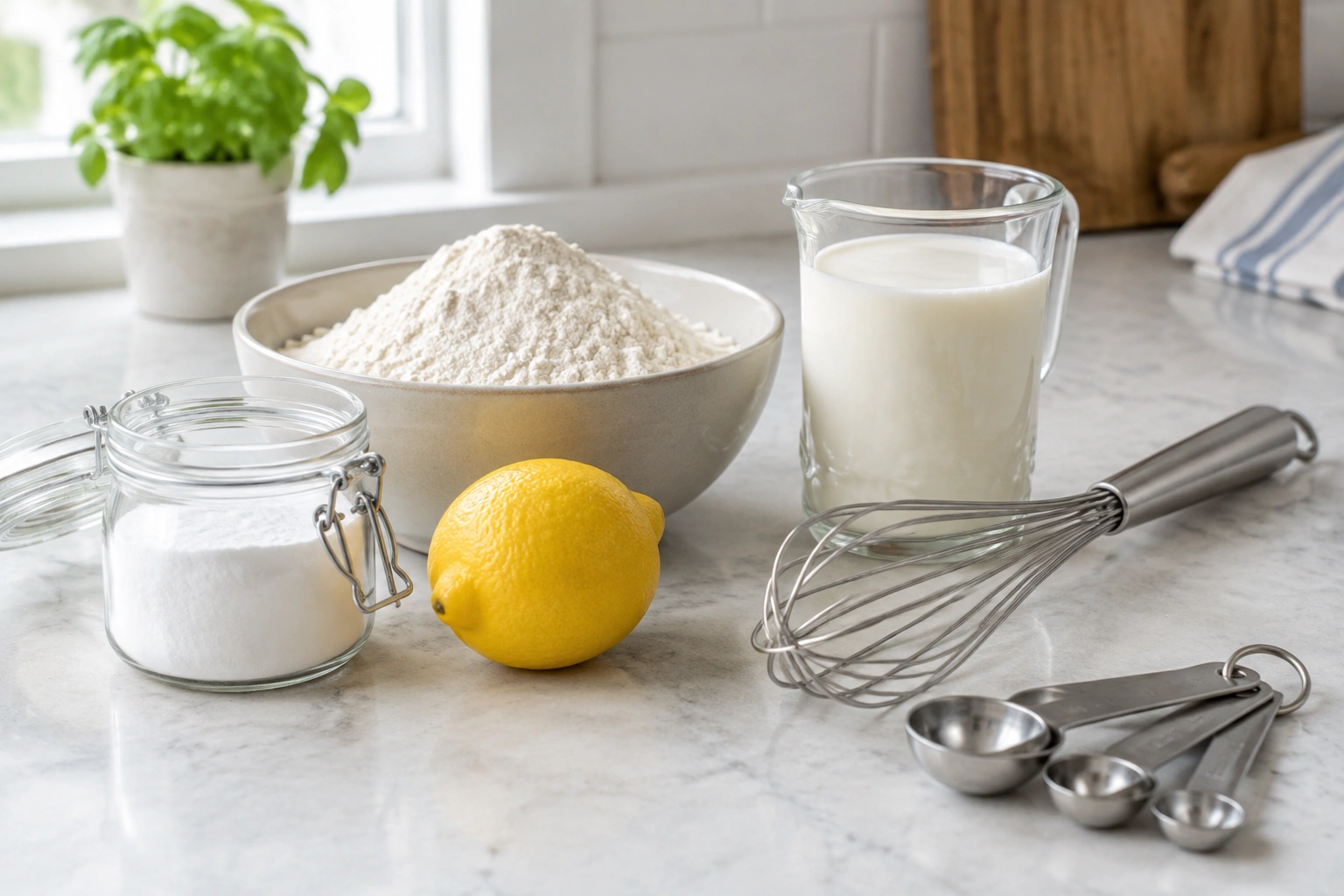
When baking soda meets acidic ingredients such as vinegar, lemon juice, buttermilk, yogurt, brown sugar, or natural cocoa powder, it begins an acid-base reaction. One visible result is the release of carbon dioxide gas.
You may see the mixture foam briefly when baking soda is added to vinegar. That foaming is the gas being released.
Why this matters in recipes
The reaction starts as soon as the ingredients are combined, which means timing matters. If a batter sits too long before baking, some of the gas can escape before it reaches the oven.
That is why recipes that rely on baking soda usually benefit from moving fairly quickly from mixing to baking.
Common acidic partners for baking soda
- Buttermilk: classic in pancakes, muffins, and biscuits
- Lemon juice: common in cakes, quick breads, and glazes
- Vinegar: sometimes used in chocolate cakes or quick leavening
- Brown sugar: mildly acidic, often paired with baking soda in cookies
- Natural cocoa powder: acidic enough to pair well with baking soda in some recipes
The exact amount of acid matters. Too little acid can leave excess baking soda behind. Too much acid can make the final bake taste overly sharp unless the recipe is balanced carefully.
Baking Soda vs. Baking Powder
These two ingredients are easy to confuse, but they are not the same.
| Feature | Baking Soda | Baking Powder |
|---|---|---|
| Main ingredient | Sodium bicarbonate | Baking soda plus acids and starch |
| Needs added acid? | Yes, usually | No, because it already contains acid |
| Main job | Neutralize acidity, create lift, aid browning | Provide lift in recipes without enough acid |
| Best for | Recipes with acidic ingredients | Recipes with little or no acid |
| Flavor risk | Bitter or soapy if overused | Less likely to taste harsh, but still must be measured carefully |
The decision rule is straightforward:
- Use baking soda when the recipe has a meaningful acidic ingredient.
- Use baking powder when the recipe needs leavening but does not have enough acid to activate baking soda properly.
For a deeper measuring reference, you may also find our guide on how to convert teaspoons of baking soda to grams useful when you want more precise scaling.
How to Tell Whether a Recipe Needs Baking Soda
A recipe usually calls for baking soda for one of three reasons:
- It contains acidic ingredients.
- It needs extra browning.
- It needs a fast reaction for immediate lift.
Good signs baking soda belongs in the recipe
- Buttermilk is in the batter.
- Brown sugar is a main sweetener.
- Natural cocoa powder is used.
- Lemon juice, yogurt, molasses, or vinegar appears in a meaningful amount.
Signs baking powder may be the better choice
- The recipe has little to no acid.
- The batter is meant to rise without a strong flavor shift.
- The formula needs more controlled, even leavening.
A useful practical rule of thumb: if the recipe includes a clearly acidic ingredient such as buttermilk, yogurt, lemon juice, vinegar, or molasses in a meaningful amount, baking soda is often appropriate; if the recipe is only mildly acidic or has no obvious acid, baking powder is usually the safer choice.
Common Mistakes When Using Baking Soda
Most baking soda problems come from one of a few predictable errors.
Using too much baking soda
This is the most common issue. Excess baking soda can leave a bitter or soapy taste and may create an overly dark or strange-looking crumb.
Confusing baking soda with baking powder
If a recipe has no acid and you use baking soda anyway, the batter may not rise the way you expect. If you use baking powder where baking soda was needed, the flavor balance may shift and the recipe may not brown the same way.
Ignoring the acidity of the other ingredients
A recipe is a system. Cocoa, brown sugar, yogurt, and buttermilk all affect the final balance. Baking soda does not work in isolation.
Waiting too long after mixing
Because the reaction starts right away, batters that depend on baking soda should usually go into the oven without delay.
Real Recipe Examples That Make the Science Clear
Muffins with buttermilk
Buttermilk gives baking soda an acid to react with. That reaction helps the muffins rise and can also mellow the tang of the dairy.
Chocolate cookies with brown sugar
Brown sugar and cocoa can support baking soda’s role in browning and spread, depending on the rest of the formula. The result is often a deeper color and a more rounded flavor.
Lemon quick bread
Lemon juice adds acidity, so baking soda can help lift the batter while also softening the sharpness of the citrus.
A batter with vinegar
If you mix baking soda into vinegar, you will see immediate fizzing. That is carbon dioxide being released. In a batter, the same reaction helps create lift, though the effect is only useful if the mixture is baked soon after.
A Simple Way to Remember Baking Soda pH
If you want a practical memory aid, use this:
- Acidic ingredient present? Baking soda may be useful.
- No acid present? Baking powder may be the better leavener.
- Too much baking soda? Expect flavor and texture problems.
- Balanced formula? Better rise, better browning, better taste.
That is the real value of understanding pH in baking. It helps you match the ingredient to the recipe instead of guessing.
Conclusion
Baking soda is alkaline, and that alkaline behavior is what makes it useful in baking. In water, it typically produces a solution in the pH 8 to 9 range, while dry baking soda itself does not have a meaningful standalone pH in the same way a solution does. Its pH matters because it affects how the ingredient reacts with acids, how much carbon dioxide is released, how much a batter browns, and whether the finished bake tastes balanced.
Once you understand that baking soda works best in the presence of acid, the ingredient becomes much easier to use with confidence. You are no longer just following a recipe — you are reading the formula.
Frequently Asked Questions
Is baking soda acidic or alkaline?
Baking soda is alkaline. In water, it behaves as a base rather than an acid.
What is the pH of baking soda in water?
Baking soda in water is typically around pH 8 to 9, though the exact reading can vary with concentration and the rest of the mixture.
Does baking soda need acid to work?
For the classic baking reaction, yes. Acid helps baking soda release carbon dioxide, which creates lift.
Can I replace baking powder with baking soda?
Not directly. Baking soda usually needs an acidic ingredient, while baking powder already contains its own acid.
Why does baking soda make cookies browner?
Its alkalinity can encourage browning, but the final color depends on the full recipe formula, not baking soda alone.
Why does my recipe taste bitter after adding baking soda?
That usually means there was too much baking soda or not enough acid to balance it.