
Why Bread Smells Like Alcohol: What It Means and What to Do Next

If your dough or loaf smells boozy, you are not alone. Bakers notice this most often during proofing, after a long ferment, or when a loaf comes out of the oven with a faint beer-like or wine-like aroma. In many cases, that smell is simply yeast doing its job.
Yeast fermentation naturally produces carbon dioxide and ethanol. The carbon dioxide helps dough rise; the ethanol contributes to that alcoholic aroma. In other words, a smell that reminds you of beer or wine can be a normal byproduct of bread-making, not a warning siren.
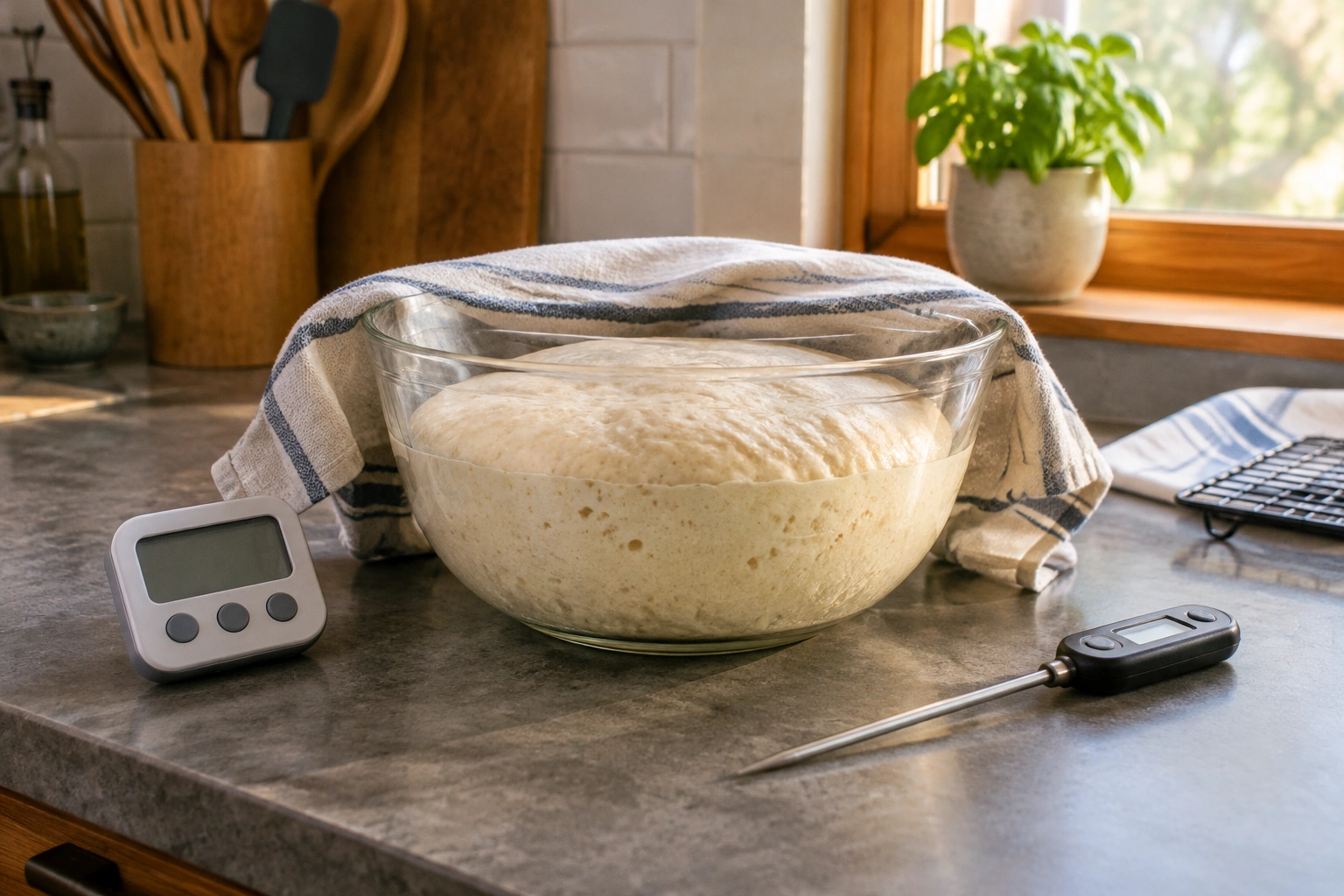
That said, the stage matters. A dough that smells fermented before baking is usually showing normal yeast activity. A loaf that still smells sharply boozy after baking is more likely underbaked or the result of an unusually long fermentation. And a package of sliced bread that smells faintly of alcohol when opened may have a completely different explanation.
Why yeast can make bread smell boozy
Yeast eats sugars in the dough and releases gas and alcohol as it works. The gas is what makes bread rise. The alcohol is mostly ethanol, and while much of it evaporates during baking, some aroma can still be noticeable before the loaf goes into the oven, and sometimes even after.
This is especially common when fermentation runs long or warm. The longer yeast has to work, the more byproducts it creates. That does not automatically mean the dough is ruined. It often means the dough has developed more fermentation character than a quick, same-day loaf.
There is a trade-off here. Longer fermentation can improve flavor and dough strength in some breads, but it can also make the aroma more intense. That is why a lightly fermented sandwich dough may smell mild, while a sourdough or enriched dough can smell much more pronounced.
Is an alcohol smell normal or a warning sign?
Use this simple rule: if the dough smells fermented but looks and feels healthy, it is usually normal. If the smell comes with collapse, stickiness, or a tired-looking dough structure, overproofing becomes more likely. If the odor is rotten, moldy, or chemical, that is not normal fermentation and the dough should be discarded.
A few clues help more than smell alone:
- Normal fermentation: dough has risen, feels airy, and smells yeasty, tangy, or mildly boozy.
- Likely overproofing: dough is very puffy, fragile, slack, or starting to deflate.
- Possible underbaking: loaf smells boozy inside and the crumb is gummy or wet.
- Spoilage concern: smell is off in a clearly unpleasant way, or you see mold, discoloration, or slime.
For a deeper check on dough readiness, it helps to compare aroma with structure and elasticity. If you want a refresher on judging dough strength, the windowpane test is a useful companion skill.
What stage the smell appears in matters
The same odor can mean different things depending on when you notice it.
During bulk fermentation or proofing
This is the most common time to smell alcohol. Yeast is active, sugars are being converted, and the dough may smell sweet, fruity, tangy, or boozy. That is often normal, especially in warm kitchens or in doughs that ferment for several hours.
Right after baking
If the loaf smells faintly alcoholic as it cools, the aroma may simply be residual fermentation character trapped in the crumb. A fully baked loaf usually loses much of that smell as steam escapes and the interior sets.
After baking, and the smell is still strong
This is the moment to ask whether the loaf was underbaked. If the center is still dense, wet, or gummy, the aroma may linger because the interior never fully dried and set. In that case, the smell is not the main issue; the bake is.
In packaged sliced bread
Store-bought sliced bread can be a different story. One technical analysis source notes that an alcohol smell is often noticed when opening a package of sliced bread and explains that the odor can come from a superficial ethyl alcohol treatment that normally evaporates when the bag is opened or the slices are toasted. That is not the same as homemade overproofed dough. Source
Tools and notes that make diagnosis easier
You do not need lab equipment to troubleshoot this. A few simple tools and observations go a long way:
- A timer, so you know how long fermentation has actually run
- A thermometer, to estimate room temperature and dough temperature
- A notebook or phone note for yeast amount, hydration, and rise time
- A clear container or marked bowl for tracking volume increase
- Your senses: smell, touch, and visual cues
The goal is not to guess based on aroma alone. It is to connect smell with what the dough is doing physically.
How to diagnose bread that smells like alcohol
Here is a practical way to narrow it down.
1) Identify when the smell showed up
If it appeared during proofing, fermentation is the likely source. If it appeared only after baking, check bake time and crumb doneness. If it came from a store-bought loaf when you opened the bag, packaging is the first thing to consider.
2) Look at the dough’s rise behavior
A dough that has risen smoothly and still holds shape is usually behaving normally. A dough that has ballooned, then begun to sink or spread, is more likely overproofed.
3) Feel the dough gently
Healthy proofed dough usually feels lighter and springy. Overproofed dough often feels fragile, slack, and delicate in a way that seems almost too soft. Underproofed dough tends to feel dense and resistant.
4) Check the formula
High sugar, enriched doughs, and long-fermented doughs often smell stronger. Brioche, cinnamon rolls, and some sourdoughs can have a much more noticeable fermented aroma than a lean white loaf. That does not automatically mean something is wrong.
5) Inspect the baked loaf
If the crust is set but the crumb is gummy, the bread may simply need more bake time. If the loaf is fully baked and the smell fades as it cools, that is usually a good sign.
6) Decide whether the smell matches the rest of the evidence
This is the key step. Smell plus structure is more useful than smell alone. A fermented aroma with a healthy rise points one way. A fermented aroma with collapse points another.
Normal fermentation, overproofing, underbaking, and spoilage: side-by-side
| What you notice | Normal fermentation | Overproofing | Underbaking | Spoilage |
|---|---|---|---|---|
| Smell | Yeasty, tangy, mildly boozy | Sharper, more pungent fermented smell | May smell boozy inside, especially if gummy | Rotten, moldy, sour in a bad way, or chemical |
| Dough look | Expanded and lively | Very puffy, weak, or collapsing | Still tight or not fully expanded | Visible mold, odd discoloration, slime |
| Texture | Airy, elastic, and responsive | Fragile, slack, prone to deflating | Dense or wet in the center | Unsafe-looking, abnormal surface |
| Best next step | Bake as directed | Bake if still usable, but expect weaker oven spring | Bake longer until fully set | Discard |
A useful decision rule: if the dough still looks structurally sound, baking is usually reasonable. If it has clearly collapsed or shows spoilage signs, do not try to rescue it.
Why some breads smell stronger than others
Lean yeast doughs
Simple flour, water, salt, and yeast doughs usually have a cleaner aroma. If they smell boozy, it is often because fermentation ran long, warm, or both.
Sourdough
Sourdough often has a wider aroma range because it contains both yeast and lactic acid bacteria. That can create tangy, fruity, and sometimes slightly alcoholic notes. The starter may smell more boozy than the finished loaf, and that is not unusual. But if the baked loaf itself still smells strongly alcoholic, that points more toward fermentation or bake issues in the loaf, not just the starter.
Brioche and other enriched doughs
Butter, eggs, milk, and sugar can make fermentation aromas seem richer and more obvious. Sweet doughs also tend to ferment differently because sugar changes how yeast behaves. A brioche that smells mildly boozy during proofing may still be perfectly normal.
Packaged sliced bread
Commercial sliced bread may smell alcoholic when opened because of packaging-related treatment, not because it was overproofed at home. In that case, the odor often fades when exposed to air or when toasted.
Common mistakes that make the smell worse
The most common cause is simply giving yeast too much time in a warm environment. But there are a few other process choices that can intensify the aroma:
- Using too much yeast: the dough can move too quickly and overferment before the structure is ready.
- Proofing too warm: even a modest increase in room temperature can accelerate fermentation.
- Letting dough sit too long: a dough that is fine at first can become boozy and fragile later.
- Baking too briefly: the crumb stays wet, and the aroma remains trapped.
- Ignoring enriched dough behavior: sweet or rich doughs often ferment differently and need closer observation.
One helpful habit is to change only one variable at a time. If you reduce yeast, shorten proofing, and lower hydration all at once, you will not know which change actually helped.
How to prevent the smell in future bakes
Watch the dough, not just the clock
Time is useful, but dough condition is better. A recipe may say “proof until doubled,” yet your kitchen may be warmer or cooler than the recipe writer’s. If the dough reaches the right volume early, move it along.
Keep fermentation temperature in mind
Warm kitchens speed everything up. If your dough often smells boozy, try a slightly cooler proofing spot or shorten the fermentation window. Cooler fermentation usually gives you more control, though it may take longer.
Be careful with yeast quantity
More yeast can make a dough rise faster, but faster is not always better. If a loaf repeatedly develops a strong alcohol smell before baking, the yeast level may be more aggressive than your schedule or room temperature can support.
Match the formula to the bread style
Sweet and enriched doughs often need closer attention because their aroma is naturally stronger. If you are baking brioche or cinnamon rolls, expect more intense fermentation notes than you would in a lean country loaf.
Bake until the crumb is properly set
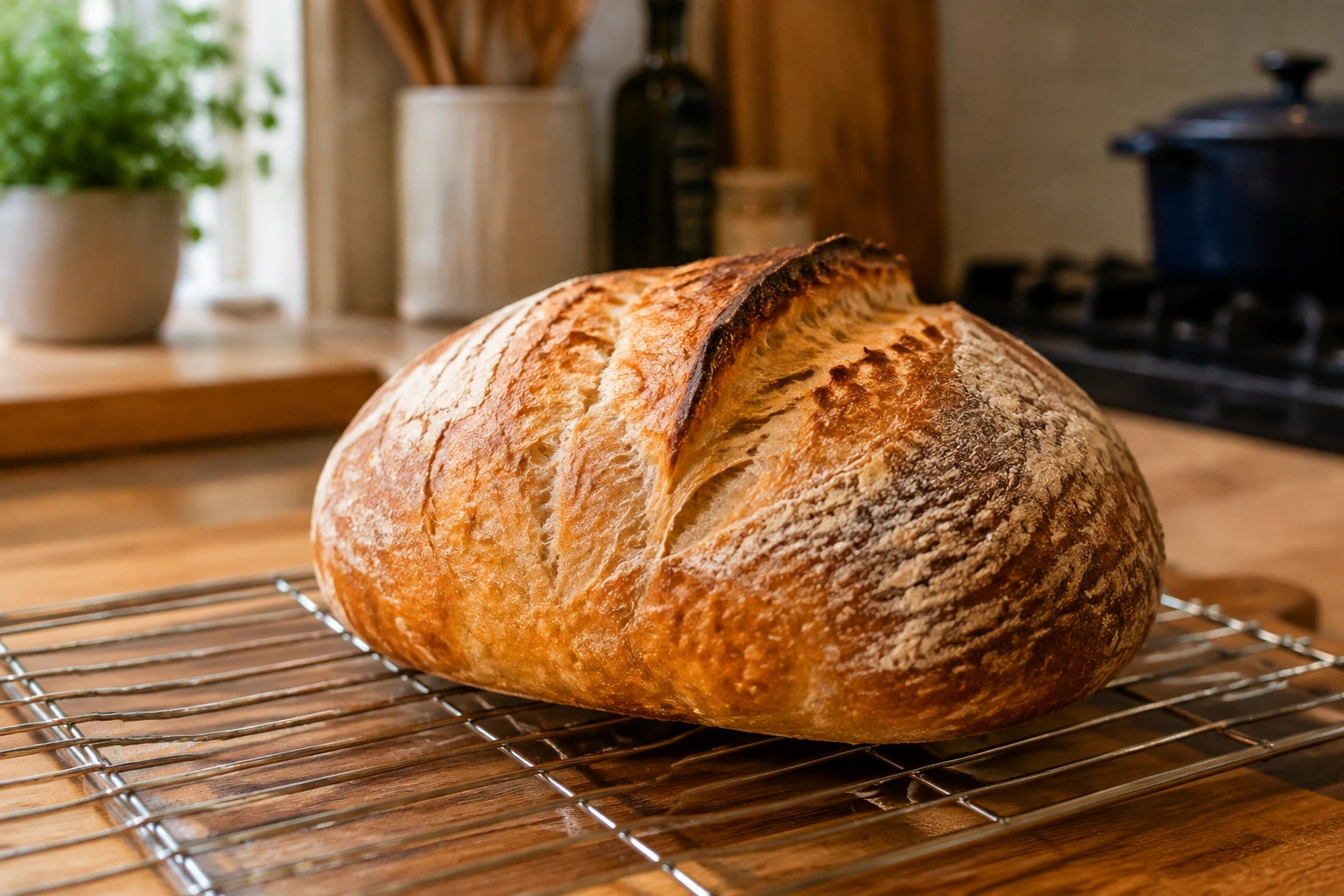
If the loaf smells boozy after baking, the first thing to check is doneness. A loaf should feel set, not gummy, in the center. If needed, give it more time in the oven rather than assuming the smell will disappear on its own.
Practical examples from real baking situations
A standard sandwich loaf smells like beer during proofing
That is usually fermentation at work. If the dough has risen well, still feels elastic, and has not collapsed, it is probably fine to bake.
A sourdough loaf smells alcoholic after baking
If the starter smelled boozy but the loaf is fully baked and the aroma fades as it cools, that can be normal. If the crumb is wet or gummy, the loaf likely needed a longer bake.
A brioche smells sweet and boozy
That is common enough to be expected in many enriched doughs. The richer the formula, the more noticeable the fermentation aroma can be. The real question is whether the dough still has structure and good rise.
A store-bought sliced loaf smells alcoholic when opened
That may come from packaging-related treatment rather than fermentation trouble. If the bread otherwise looks normal, the smell often dissipates with air exposure or toasting.
When to bake it, bake longer, or discard it
If your dough smells boozy right now, use this quick checklist:
- Check the rise: has it expanded normally, or is it ballooned and starting to sink?
- Check the structure: does it still feel elastic and supported, or slack and fragile?
- Decide whether to bake: if it looks healthy and structurally sound, stop proofing and bake now rather than waiting longer.
- Reshape or degas if needed: if the dough is still strong but has overexpanded slightly, gently degas and reshape before a shorter final proof.
- Bake longer if the loaf is already in the oven or just came out: if the crumb is gummy, give it more time until the center is set.
- Check crumb doneness after baking: the loaf should feel dry and set in the middle, not wet or sticky.
Bake the dough if it smells fermented but still looks healthy, has risen normally, and shows no spoilage signs. That is the most common outcome.
Bake longer if the loaf is already in the oven or has come out with a gummy center and the smell remains strong. In that case, the issue is usually underbaking, not safety.
Discard it if the smell is clearly rotten, moldy, or chemical, or if you see visible mold, slime, or other abnormal signs. A normal fermentation aroma is one thing; spoilage is another.
When to consult a master baker
If your dough repeatedly develops a strong alcohol smell even after you adjust proofing time and temperature, it may be worth getting an experienced set of eyes on your process. A master baker can help you compare your dough’s rise, hydration, yeast level, and shaping technique so you can pinpoint the real cause instead of chasing the smell alone.
FAQ
Is bread that smells like alcohol safe to eat?
Usually, yes, if the smell comes from normal yeast fermentation and the bread shows no spoilage signs. Use the dough’s appearance and texture as part of the decision.
Does an alcohol smell mean my dough is overproofed?
Not always. Overproofing is possible, but a boozy smell can also be a normal sign of active fermentation, especially in warm kitchens or enriched doughs.
Will the smell disappear during baking?
Often it will fade a lot, especially if the loaf is baked fully. If the smell stays strong after baking, check whether the crumb is underdone.
Why does sourdough smell more intense?
Sourdough has a broader aroma profile because it involves both yeast and bacteria. Tangy and slightly boozy notes can be part of its character.
Why does packaged bread smell like alcohol when opened?
Some packaged sliced breads can have an alcohol smell related to superficial treatment of the slices. That odor often dissipates when the package is opened or the bread is toasted.
When should I throw the bread out?
If the smell is rotten, moldy, or clearly abnormal, or if you see visible spoilage, discard it. If it simply smells fermented, it is usually a bread-quality question, not a spoilage one.
Can I stop this by using less yeast?
Sometimes, yes. If the smell happens repeatedly, reducing yeast can slow fermentation enough to keep the dough from overfermenting before baking.
What if my loaf smells boozy but looks fine?
Bake it. A healthy-looking dough with a fermented aroma is often just a normal yeast-driven dough at work.
A note on one final clue
If you remember only one thing, make it this: smell is a clue, not a verdict. Bread can smell like alcohol because fermentation is doing exactly what it should. The real diagnosis comes from pairing that aroma with rise, texture, and bake quality.