
1 tsp baking soda to baking powder Conversion Guide

Use about 3 teaspoons of baking powder for 1 teaspoon of baking soda as a rough starting point, but only if the recipe is not already strongly acidic. The best result depends on the recipe’s acid level, flavor balance, and how much browning or spread the original soda was meant to create.
If you need to replace 1 tsp baking soda with baking powder, the short answer is that a direct 1:1 swap is usually not the best move. Baking powder is weaker by volume, so the right amount depends on the recipe’s acidity, flavor, and how much lift the batter still needs.
- Rough ratio: 1 tsp baking soda is often replaced by about 3 tsp baking powder.
- Recipe matters: Strongly acidic batters may need a different adjustment or a different recipe.
- Flavor changes: The swap can affect browning, tang, spread, and texture.
- Freshness counts: Old leaveners can make any substitution fail.
- Safety first: Avoid tasting raw batter and follow food safety guidance for flour and eggs.
1 tsp Baking Soda to Baking Powder: What the Conversion Actually Means in 2026
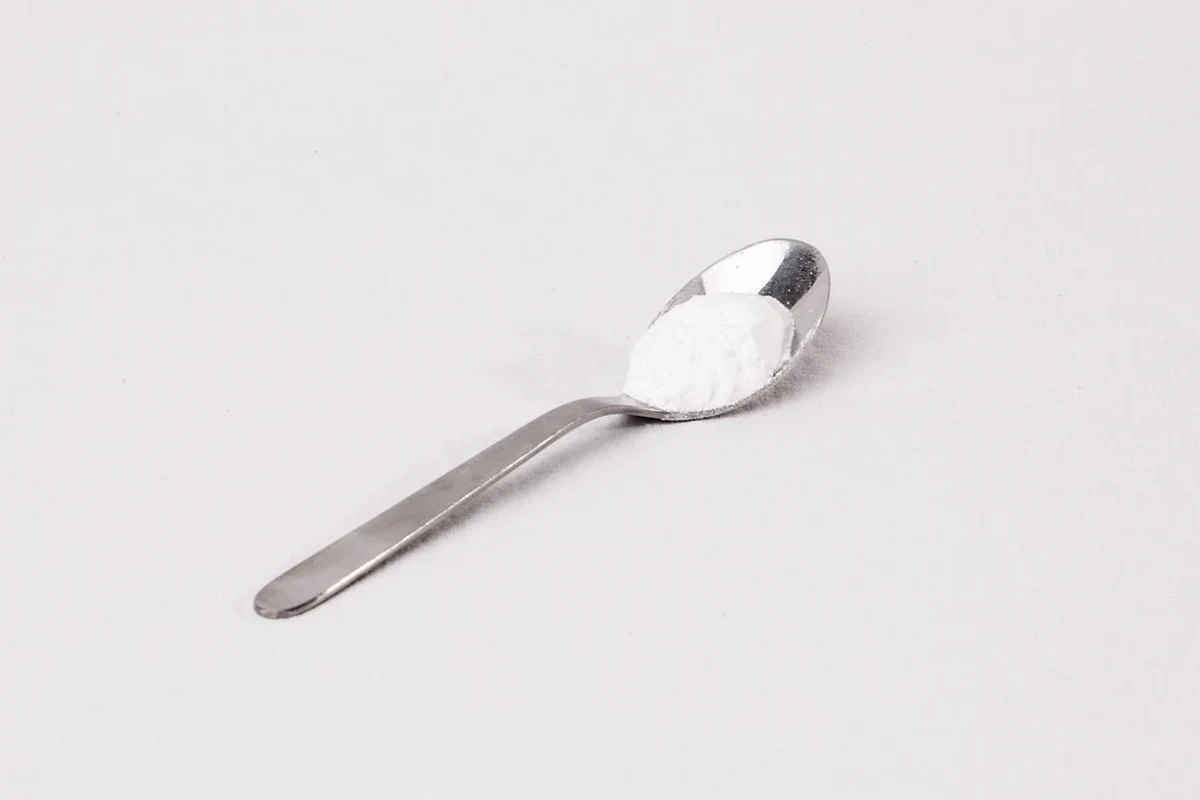
Home bakers still run into this substitution for the same simple reason: a recipe calls for baking soda, but the pantry has baking powder. That happens in everyday baking, from weeknight muffins to holiday cookies, and it is one of the most common ingredient swaps people try when they are short on supplies.
The main issue is that baking soda and baking powder are not interchangeable in equal amounts. If you want a deeper ingredient comparison, our guide on the difference between baking soda and baking powder explains how each one works in baking.
Why this substitution comes up in modern home baking
Many kitchens keep one leavener but not the other, especially if baking is occasional. People also discover the problem mid-recipe, when the batter is already mixed and there is no time for a store run.
In that moment, the goal is not perfection. The goal is to keep the recipe rising enough to bake through without turning bitter, flat, or overly pale.
The chemical difference between baking soda and baking powder
Baking soda is sodium bicarbonate. It needs an acid in the recipe, such as buttermilk, yogurt, lemon juice, brown sugar, molasses, or natural cocoa, to create carbon dioxide gas for lift.
Baking powder already contains an acid plus a starch, so it can make gas on its own once mixed with liquid and heat. That built-in acid is why baking powder is less concentrated than baking soda by volume.
Why the 1:1 swap is usually not accurate
One teaspoon of baking soda does much more chemical work than one teaspoon of baking powder. If you swap them in equal amounts, the recipe may not rise well, or it may taste soapy or metallic if too much baking powder is used to compensate.
That is why a simple ratio is only a starting point. The final amount depends on how acidic the batter is and whether the original recipe relied on baking soda for flavor, browning, or spread.
Double-acting baking powder releases gas twice: once when wet and again in the oven. That helps many batters rise, but it does not replace the flavor and browning effects of baking soda.
How to Convert 1 tsp Baking Soda to Baking Powder Without Ruining the Recipe
The most common baking rule of thumb is to use about 3 teaspoons of baking powder for 1 teaspoon of baking soda. That said, this is a rough conversion, not a guarantee, because baking powder also adds its own acid and starch to the batter.
If you need a broader substitution reference, this article on using baking soda instead of baking powder safely covers the reverse problem and helps show why the swap is rarely exact in either direction.
Standard conversion ratio and when it applies
Use the 3:1 guideline only when the recipe does not already contain a strong acid load. If the batter is mildly acidic or close to neutral, baking powder may give enough lift on its own.
If the recipe is already acidic, the conversion can become messy. Too much baking powder can leave an aftertaste, while too little can make the baked good dense and heavy.
Do not treat baking powder as a perfect one-to-one replacement for baking soda. The recipe may need other adjustments, especially if it depends on acid for structure, flavor, or browning.
How acidity in the recipe changes the amount you need
Acidic ingredients change the conversion because baking soda is doing two jobs at once: neutralizing acid and creating lift. If you remove the soda and use baking powder instead, the batter may keep more acidity than intended.
That can matter in cakes and quick breads where acidity affects tenderness and flavor. It also matters in cocoa-based recipes, because natural cocoa is acidic while Dutch-process cocoa is much less so.
If a recipe uses buttermilk, yogurt, sour cream, lemon, vinegar, molasses, or natural cocoa, the original baking soda may be there for a reason beyond rising. Replacing it with baking powder may change taste and color, not just volume.
Practical examples from cakes, muffins, and quick breads
In muffins, a baking powder swap may be workable if the recipe is only lightly acidic and you accept a slightly different crumb. In cakes, the result may be paler and less deeply browned if soda was part of the original balance.
For quick breads, the risk is a dense center or a coarse tunnel structure if the batter is overmixed in an attempt to “fix” weak lift. If you are baking something like banana bread, remember that ingredient ripeness and moisture level also affect how well the batter rises.
Ingredient Roles: Leavening, Acidity, and Flavor Balance
Good baking is not just about making batter rise. It is also about balancing acid, salt, sugar, fat, and heat so the final texture tastes right and looks evenly baked.
What baking soda does in batters and doughs
Baking soda reacts quickly with acids and can help batter spread, brown, and taste less sharp. In cookies, that browning can create a deeper color and a more toasted flavor.
Because it is strong, baking soda needs careful measuring. Too much can leave a bitter or soapy note, especially if the recipe does not contain enough acid to use it all.
What baking powder adds beyond lift
Baking powder brings lift without depending on much recipe acid. That makes it useful in recipes where the baker wants a reliable rise and a more neutral flavor profile.
It also contributes starch, which helps keep the powder dry and stable in storage. That extra starch slightly changes the formula, which is another reason the conversion is not exact.
How the swap affects browning, tang, and texture
When you replace baking soda with baking powder, you often lose some browning and some of the subtle tang that acid-neutralization creates. The baked good may look lighter and taste less complex.
Texture can shift too. Cakes may seem softer but less deeply flavored, while cookies may spread differently because soda affects pH, which influences dough behavior and sugar caramelization.
When You Can Substitute and When You Shouldn’t
The safest way to decide is to look at the recipe’s acid ingredients and the role the leavener plays. Some recipes tolerate the switch; others depend on baking soda for structure and flavor.
Recipes with buttermilk, yogurt, lemon, molasses, or cocoa
These recipes often use baking soda to react with acid. If you replace it with baking powder, you may need more than a simple amount change, and the flavor balance may still shift.
For example, a buttermilk muffin recipe may rise with baking powder, but it may lose the clean tang that made the original version taste bright. Molasses-heavy doughs can also become too acidic or too dark if the balance is changed too much.
Recipes that depend on baking soda for spread, color, or flavor
Some cookie recipes use baking soda to encourage spread and a crisp, browned edge. If you remove it, the dough may stay thicker and bake up lighter than expected.
That is why a swap is not only about volume. It is also about how the batter moves in the oven, how quickly the crust sets, and how sugar and proteins brown under heat.
Cases where changing leaveners can cause dense or bitter results
If you use too much baking powder to imitate the strength of baking soda, the finished product can taste metallic or chalky. If you use too little, the batter may rise slowly and collapse before the center sets.
Dense results also happen when the recipe needs acid-neutralization for proper texture. In those cases, the swap may change gluten behavior, moisture retention, and the way the crumb opens during baking.
- Can save a recipe when baking soda is missing
- Works reasonably well in some neutral batters
- Easy to measure in a pinch
- Not a true 1:1 replacement
- Can change flavor, color, and texture
- May require recipe adjustments
Common Mistakes When Replacing Baking Soda with Baking Powder
Most problems come from trying to make the swap behave like a perfect clone. In baking, small ingredient changes often affect several parts of the recipe at once.
Using too much baking powder and creating a metallic taste
Because baking powder contains its own acid salts, overuse can leave a bitter or metallic edge. This is more noticeable in delicate cakes and plain muffins where there is not much strong flavor to hide it.
It can also cause a rapid rise followed by collapse if the batter expands before the structure sets. That often looks like a domed top with a gummy center.
Forgetting to reduce other acidic ingredients
If you replace baking soda with baking powder but leave a highly acidic formula unchanged, the batter may become unbalanced. The result can be a flavor that is too tangy or a crumb that is tighter than expected.
In some recipes, it may be better to adjust the liquid acid slightly rather than simply adding more powder. That decision depends on the recipe’s full formula, so it is worth reading the ingredient list before changing anything.
Misreading double-acting baking powder behavior
Double-acting baking powder starts working when mixed and continues again in the oven. That means you still need to bake promptly, but you should not expect the same immediate reaction you get from soda plus acid.
If the batter sits too long, some of the first gas release can escape before baking. That is one reason overmixed or delayed batters often rise less than expected.
The baked good tastes flat, metallic, or oddly pale after the substitution.
Check the amount used, the recipe’s acidity, and whether baking soda was also needed for flavor and browning. If the formula is strongly acidic, the best fix may be to use a different recipe instead of forcing the swap.
Method Adjustments, Doneness Clues, and Troubleshooting
Once you change leaveners, the batter may behave differently in the oven. Expect some variation in rise time, browning, and final moisture.
How the swap can change rise time and oven behavior
Baking powder often gives a steadier rise, but the peak may come earlier or later depending on the brand and whether it is single- or double-acting. Oven temperature accuracy also matters, since a cool oven can let the structure spread before it sets.
Pan size, pan material, and rack position can all affect the final result too. A dark pan may brown faster, while a glass or shiny pan may bake more slowly on the sides.
Mix only until combined. Overmixing can make the crumb tougher, especially in muffins and quick breads.
Watch for even rise, light browning, and a center that sets without wobbling too much.
Let the structure finish setting before slicing, or the crumb may seem gummy even when the bake is done.
Visual and texture cues for doneness after substitution
Look for edges that pull slightly from the pan, a top that springs back when lightly touched, and a crumb that no longer looks wet in the center. For cakes and muffins, a tester should come out with a few moist crumbs, not raw batter.
Color can be less reliable after a leavener swap because the browning pattern may change. Texture and structure matter more than color alone.
Fixes for flat, pale, or gummy baked goods
If the bake is flat, the batter may have lacked enough lift, or the oven may have been too cool. If it is pale, the recipe may have lost the browning effect that baking soda usually gives.
If it is gummy, the center may have set too slowly or the batter may have been overmixed. In that case, make one adjustment at a time next round so you can see what actually helped.
Use caution with hot pans, oven steam, and glass bakeware. For food safety, follow USDA and FDA guidance on safe handling of eggs, dairy, and raw flour when testing new recipes or substitutions.
Storage, Freshness, and Safety for Reliable Results
Fresh leaveners matter because old ingredients can make a good formula fail. If you are troubleshooting a substitution, start by checking whether your baking soda or baking powder is still active.
How to test whether your baking soda or baking powder is still active
Baking soda should fizz strongly when combined with an acidic liquid such as vinegar or lemon juice. Baking powder should foam when mixed with warm water, though the exact reaction depends on the brand and age.
If the reaction is weak, the ingredient may be old or stored poorly. For a more detailed refresher, see our guide on how to tell when baking soda expires.
Best storage conditions in a baking school or home kitchen
Keep both leaveners sealed tightly in a cool, dry place away from steam and strong odors. Moisture is the main enemy because it can start the reaction before you bake.
In a teaching kitchen or busy home kitchen, label containers clearly and avoid scooping with wet utensils. That helps prevent clumping and accidental contamination from other ingredients.
Food safety considerations when experimenting with substitutions
Substitution testing can lead to repeated tasting of raw batter, but raw flour and raw eggs can carry food safety risks. Follow current USDA and FDA guidance about not eating raw flour-based batters and about proper refrigeration for perishable ingredients.
If you have allergies or cross-contact concerns, always check labels carefully. Baking powder formulas vary by brand, and some products may include starches or other ingredients that matter for sensitive bakers.
- Check whether the recipe already contains acidic ingredients.
- Confirm your baking powder is fresh and active.
- Measure carefully, since volume swaps are approximate.
- Expect changes in browning, flavor, and texture.
- Do not taste raw batter made with flour or eggs.
Final Decision Guide: Choosing the Right Leavener for the Recipe
The best choice is usually the one that matches the recipe’s chemistry, not just the ingredient you happen to have on hand. If the formula is simple and only mildly acidic, baking powder may work as a backup.
If the recipe depends on baking soda for browning, spread, or acid balance, it is better to keep the original leavener or use a recipe designed for baking powder. That is the most reliable way to protect texture and flavor.
Simple recap of when to use baking soda, baking powder, or both
Use baking soda when the recipe has enough acid to activate it and when browning or tang matters. Use baking powder when you want built-in lift without depending on acidity.
Use both when a recipe needs strong lift plus extra neutralization or flavor control. Many cakes and muffins are built this way for a reason.
Decision rules for quick substitutions in real baking situations
If you are replacing 1 tsp baking soda with baking powder, start with about 3 tsp baking powder only if the recipe is not already highly acidic. If it is acidic, expect the swap to be less predictable and be ready for a different texture.
When in doubt, compare the recipe to a similar formula that already uses baking powder. That is often safer than forcing a conversion that changes the whole structure of the bake.
What to verify before making the swap in a final recipe
Check the ingredient list, the pan size, the oven temperature, and whether the original recipe calls for quick baking after mixing. Also confirm that your leavener is fresh, because stale ingredients can make any conversion look worse than it really is.
For best results, document the change and note the outcome. In baking, small records help you learn which substitutions work in your kitchen and which ones need a different approach.
If you only have baking powder, use the 3:1 rule for a rough conversion, but only after checking the recipe’s acidity and flavor balance. For recipes that depend heavily on baking soda, the safest choice is often to find a formula already written for baking powder instead of forcing a direct swap.
Frequently Asked Questions
No. The swap depends on the recipe’s acidity and the role baking soda plays in flavor, browning, and spread.
A common starting point is about 3 tsp baking powder for 1 tsp baking soda. It is only a rough guide, not a perfect one-to-one replacement.
Too much baking powder can leave a bitter or metallic taste because it contains its own acid salts. This is more noticeable in delicate cakes and muffins.
Yes. The crumb, browning, spread, and rise can all change because baking soda and baking powder do different jobs in the batter.
Mix it with warm water and look for a noticeable foaming reaction. If the reaction is weak, it may be old or stored poorly.
No. Raw flour and raw eggs can carry food safety risks, so follow USDA and FDA guidance and avoid tasting uncooked batter.