
Baking Soda Canker Sore Relief That Works Fast

Baking soda can help soothe a canker sore by reducing sting and supporting a cleaner mouth environment. It is a practical home option for mild cases, but it will not cure severe or unusual sores.
A baking soda canker sore remedy is a simple home option many people try when a mouth ulcer starts burning or stinging. It may help reduce acidity in the mouth and make the sore feel less irritated while it heals.
- Fast comfort: A mild baking soda rinse may reduce burning and acidity.
- Use gently: Too much baking soda or rubbing can make the sore feel worse.
- Not a cure: Baking soda can soothe symptoms, but it does not replace medical care.
- Watch the pattern: Large, recurring, or long-lasting sores should be checked.
- Best results: Pair baking soda with soft foods, gentle brushing, and non-irritating oral products.
What Baking Soda Canker Sore Relief Is and Why People Search for It
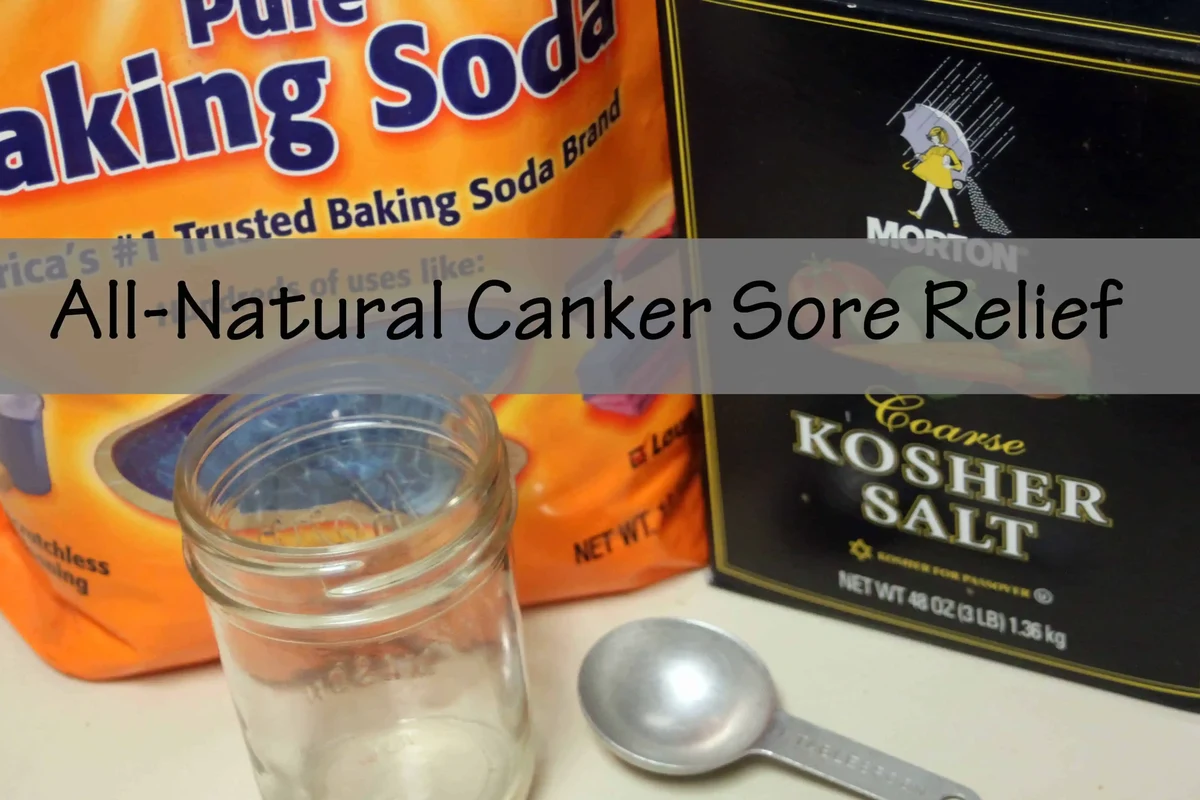
Canker sores are small ulcers that form inside the mouth, often on the cheeks, lips, tongue, or gums. They are not the same as cold sores, which are usually caused by a virus and tend to appear on or around the lips.
People also confuse canker sores with ordinary mouth irritation from biting the cheek, sharp food edges, braces, or a rough toothbrush. Because canker sores can sting when you eat, drink, or brush, many people look for something gentle and quick.
Baking soda is a common choice because it is inexpensive, easy to find, and simple to mix with water. It is also familiar to home bakers and home cooks, which makes it feel like a practical first step when the mouth needs fast comfort.
Baking soda is alkaline, so it can help balance a mouth environment that feels too acidic or sharply irritated.
How canker sores differ from cold sores and mouth irritation
Canker sores usually form inside the mouth and are not contagious. Cold sores typically appear on the outside of the mouth and are more likely to crust over, which is one reason the care approach can be different.
If a sore is caused by a cut, burn, or friction, it may improve once the trigger is removed. A true canker sore often needs time to heal on its own, even if the discomfort comes and goes during the day.
Why baking soda is commonly used for quick oral comfort
Baking soda is often used because it can be swished around gently and then spit out, which makes it easy to try at home. For people who want to avoid strong flavors or alcohol-based rinses, it can feel milder.
It is also a familiar ingredient for readers who already use it in the kitchen. If you want a deeper look at how this ingredient behaves in other settings, our guide to the baking soda and vinegar reaction explains why it is such a versatile household staple.
How Baking Soda May Help Soothe a Canker Sore
Baking soda does not cure a canker sore, but it may make the area feel less harsh. In simple terms, it can change the local mouth environment so the sore is not being hit as hard by acidic foods, drinks, or saliva shifts.
Neutralizing acidity and reducing sting
One reason baking soda can feel helpful is that it may reduce the sharp, acidic burn some people notice around an ulcer. That does not mean it numbs the sore, but it may lower the “sting factor” enough to make talking and eating a little easier.
This is similar to how a recipe can taste less sharp when an acidic ingredient is balanced. The effect is temporary, but temporary comfort is often what people need most during the first few days.
Supporting a cleaner oral environment during healing
A mild baking soda rinse can help wash away food particles and leave the mouth feeling cleaner without the strong burn some mouthwashes cause. That matters because debris and irritation can make a sore feel more noticeable.
Good oral hygiene still matters. Gentle brushing and careful rinsing can reduce extra irritation while the tissue repairs itself.
What baking soda can and cannot do for pain relief
Baking soda may help with comfort, but it is not a medication designed to treat infection, severe inflammation, or a deep ulcer. It also will not instantly close the sore or prevent every recurrence.
- Easy to mix at home
- May reduce surface sting
- Can fit into a gentle oral care routine
- Not a cure
- May irritate if overused
- May be too weak for severe pain
Safe Ways to Use Baking Soda for Canker Sore Relief
For mouth care, less is usually better. The goal is a mild solution, not a strong scrub, because the inside of the mouth is sensitive tissue.
Baking soda rinse proportions and mixing method
A common home method is to dissolve a small amount of baking soda in a cup of water, then swish gently and spit it out. Exact amounts vary by preference and sensitivity, but the solution should taste mild, not salty or gritty.
Mix until fully dissolved so you do not drag rough particles across the sore. If the mouth feels dry or the rinse feels too strong, dilute it more before using it again.
- Use clean, room-temperature water
- Make sure the baking soda fully dissolves
- Swish gently, then spit out
- Stop if the mouth burns more instead of less
Direct paste application: when it may help and when to avoid it
Some people make a thick paste and dab a tiny amount directly on the sore. This may provide short-lived contact with the area, but it can also feel abrasive if the paste is too dry or if it is rubbed in.
If you try a paste, use a very small amount and apply it gently with a clean fingertip or cotton swab. Avoid this approach if the sore is raw, bleeding, or already very sensitive, because rubbing can make it worse.
How often to use it without over-irritating the mouth
A few gentle uses per day is usually more sensible than constant rinsing. Overdoing it can dry the mouth or leave the tissue feeling more irritated than before.
If the area becomes more tender, scale back or stop and switch to plain water rinses. When a home remedy starts to sting more, that is a useful sign to change course.
Do not swallow baking soda rinse in large amounts, and do not use it as a substitute for medical care if the sore is severe, spreading, or unusual.
Common Mistakes That Can Make a Canker Sore Feel Worse
Most problems come from using too much, using it too often, or treating the sore as if it were something else. Mouth tissue is delicate, so gentle technique matters.
Using too much baking soda or rubbing too hard
A concentrated paste can feel gritty and may scratch the sore if you press on it. A rinse that is too strong can also leave the mouth feeling dry or chalky.
Think of it like handling a delicate pastry surface: pressure and friction matter. A light touch is more likely to help than an aggressive one.
Confusing canker sores with infections that need different care
Not every painful mouth spot is a canker sore. If the sore is on the lip border, comes with clusters of blisters, or keeps returning in the same pattern, it may be something different.
That distinction matters because different causes need different care. If you are unsure, it is better to check than to keep trying a remedy that does not fit the problem.
Skipping oral hygiene or using irritating mouth products
It can be tempting to stop brushing near the sore, but buildup around the area can make your mouth feel less comfortable overall. Use a soft toothbrush and brush carefully around the spot.
Strong alcohol mouthwashes, very spicy rinses, and rough whitening products can sting. If you are interested in baking soda for other oral uses, our article on whether baking soda whitens teeth safely and effectively explains why gentleness matters there too.
What to Expect After Using Baking Soda on a Canker Sore
Most people who find baking soda helpful notice a short-term change, not an instant cure. The sore may still be there, but it can feel calmer for a while.
Typical short-term effects: less burning, less acidity, temporary comfort
After a gentle rinse, you may notice less burning when you speak or eat. The mouth may feel cleaner, and acidic foods may sting a little less for a period of time.
That comfort is usually temporary. The goal is to make eating, drinking, and brushing more tolerable while the sore runs its course.
Healing time varies by cause, size, and how often the sore gets rubbed. A small canker sore may improve faster than a larger one, but timing can differ from person to person.
Signs the sore is healing normally
A normal healing pattern often includes less tenderness, a smaller-looking ulcer, and less pain when the mouth moves. The center may look white or yellow before it closes over, which can be part of the usual healing process.
If the pain slowly eases instead of getting sharper, that is usually a reassuring sign. Keep the area clean and avoid foods that scrape or burn.
When baking soda relief is not enough
If the sore is severe, keeps growing, or makes it hard to eat and drink, baking soda alone is probably not enough. In that case, a clinician may recommend a different treatment or look for another cause.
Persistent pain, swelling, or repeated sores deserve more than home care. The same is true if the ulcer keeps coming back after it seems to heal.
Other At-Home Comfort Measures That Pair Well With Baking Soda
Baking soda works best as part of a gentle routine. The rest of your choices can either support healing or keep irritating the sore.
Soft foods, cool drinks, and avoiding acidic triggers
Choose foods that do not scratch the sore, such as yogurt, mashed potatoes, oatmeal, or smoothies without citrus. Cool or room-temperature drinks are often easier than very hot beverages.
Acidic foods like citrus, tomato sauce, and vinegar-based dressings can sting. If you are already using baking soda in other household ways, our guide to using baking soda instead of baking powder safely is a helpful reminder that ingredient strength and purpose matter.
Choosing gentle toothpaste and mouth rinses
Some toothpastes contain ingredients that can bother sensitive mouths. A milder toothpaste may feel better while a sore is active, especially if your mouth tends to react to strong flavors.
Alcohol-free mouth rinses are often easier to tolerate than harsh formulas. If a product burns right away, that is usually a sign to switch to something gentler.
Over-the-counter oral gels and protective patches
Some people use oral gels or protective patches to cover the sore and reduce contact with food. These products can be helpful when the ulcer sits in a spot that gets rubbed often.
Follow the label directions carefully, especially if the product contains numbing ingredients. If you have questions about allergies or sensitivities, check the product label and ask a qualified clinician or pharmacist.
- Use soft foods and gentle rinses
- Keep brushing with a soft brush
- Choose products that do not sting
- Scrubbing the sore directly
- Using harsh mouthwash repeatedly
- Eating acidic or crunchy foods that reopen the area
When a Canker Sore Needs Professional Attention
Home care is reasonable for many mild sores, but some signs should not be ignored. A sore that looks unusual or behaves differently from a typical canker sore needs a closer look.
Red flags: large sores, repeated outbreaks, fever, or trouble eating
Get professional advice sooner if the sore is large, very painful, or keeps returning. Fever, swollen glands, or trouble swallowing are also reasons to seek care.
If eating or drinking becomes difficult, dehydration can become a concern, especially for children or older adults. That is a stronger signal than ordinary soreness.
How long a sore should last before you seek dental or medical advice
Many canker sores improve within a couple of weeks, but the exact timeline can vary. If a sore does not improve in a reasonable amount of time, or if it gets worse instead of better, it should be checked.
When in doubt, use official guidance from dental or medical sources and do not rely only on home remedies. Persistent ulcers should be evaluated rather than repeatedly treated as if they were routine irritation.
What a clinician may check for in recurring mouth ulcers
For repeated sores, a clinician may look at possible triggers such as stress, friction, nutritional issues, or an underlying condition. They may also ask about medications, oral products, and recent changes in health.
Recurring ulcers are worth tracking because the pattern can help narrow the cause. A short note on when the sore started, where it appears, and what seems to trigger it can be useful at an appointment.
Use clean hands and clean utensils when mixing any mouth rinse, and do not share oral-care items that touch an active sore.
Final Recap: Is Baking Soda a Fast, Practical Option for Canker Sore Relief?
Yes, baking soda can be a fast, practical home option for mild canker sore discomfort. It is most useful when the goal is to reduce sting, calm acidity, and support a gentle oral-care routine while the sore heals.
Best-use scenarios for baking soda relief at home
Baking soda makes the most sense for small, uncomplicated sores that mainly need soothing. It is also a good fit when you want a simple rinse instead of a stronger product that may burn.
For readers who like understanding ingredient behavior, our article on whether baking soda expires and when to replace it can help you keep the ingredient fresh for both kitchen and home-care uses.
Who should be cautious before trying it
Be cautious if the sore is large, bleeding, recurring, or possibly not a canker sore at all. Also be careful if your mouth is extremely sensitive, because even mild rinses can feel irritating in some cases.
Simple decision guide for choosing home care versus professional care
If the sore is mild, try a gentle baking soda rinse, soft foods, and careful brushing. If it is severe, unusual, or not improving, skip the guesswork and get it checked by a dentist or medical professional.
That balanced approach is usually the smartest one: use baking soda for temporary comfort, but do not let it delay care when the symptoms point to something more than a routine mouth ulcer.
Frequently Asked Questions
Mix a small amount with water to make a mild rinse, swish gently, and spit it out. You can also dab a tiny amount of paste on the sore, but stop if it stings more.
No, baking soda does not cure the sore. It may only help reduce burning and make the mouth feel more comfortable while the sore heals.
Use it only a few times a day at most, unless a clinician tells you otherwise. Too much rinsing can dry or irritate the mouth.
Avoid acidic, spicy, crunchy, or very hot foods if they sting. Also avoid harsh mouthwashes and rough brushing over the sore.
Get checked if the sore is large, keeps returning, causes fever, or makes eating and drinking difficult. A sore that does not improve in a reasonable time should also be evaluated.
No, baking soda is a simple household ingredient, not a medication. It may help with comfort, but it is not a substitute for professional care when symptoms are severe or unusual.