
Does Baking Soda Whiten Teeth Safely and Effectively

Baking soda can whiten teeth a little by removing surface stains, but it does not bleach teeth. It is safest when used gently and only occasionally, especially if you have sensitivity or enamel wear.
Yes, baking soda can help whiten teeth a little, but mostly by removing surface stains rather than changing the natural color of enamel. Used carefully, it can be a low-cost option for occasional stain control, but it is not a true bleaching treatment.
- Surface stain remover: Baking soda can help lift coffee, tea, wine, and tobacco stains from the tooth.
- Not true whitening: It does not change the natural internal color of teeth like peroxide products can.
- Use carefully: Overbrushing and frequent use can irritate gums and increase enamel wear.
- Not for every smile: Sensitive teeth, restorations, braces, and enamel erosion call for extra caution.
- Better options exist: Whitening toothpaste, strips, trays, and professional cleaning often work better for deeper stains.
What Baking Soda Actually Does to Teeth and Why It Whitens Surface Stains
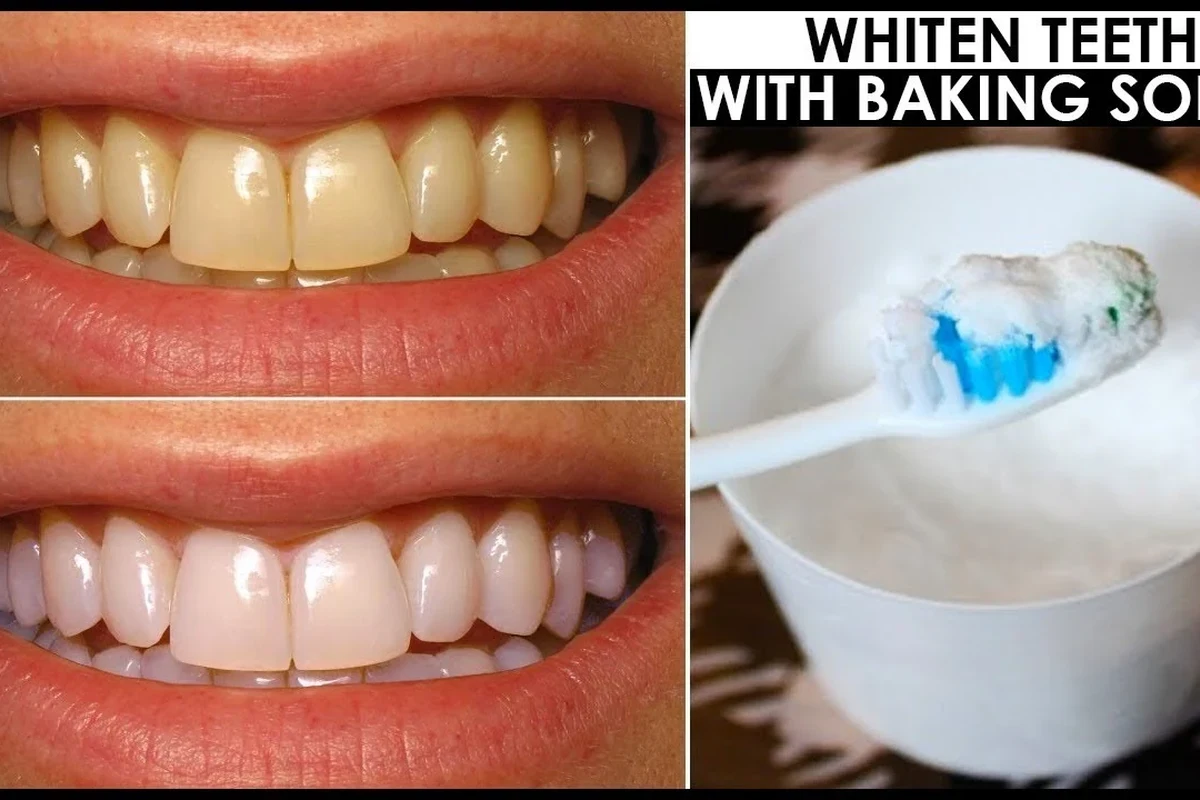
Baking soda, or sodium bicarbonate, works mainly as a mild abrasive and a gentle cleaner. That means it can help scrub away the sticky film and discoloration that collect on the outside of teeth, especially after repeated exposure to dark foods and drinks.
It does not bleach teeth in the same way peroxide-based products do. If your teeth look yellow because of deeper intrinsic color, age-related changes, or enamel thinning, baking soda will usually have limited impact.
Abrasive cleaning versus true bleaching: what the difference means for results
Abrasive cleaning removes material from the tooth surface. True bleaching changes the color molecules inside the tooth structure, which is why whitening strips, gels, and in-office treatments can create a more noticeable change.
In kitchen terms, think of baking soda like a gentle scrub on a pan, not a paint stripper. It can lift grime and stains, but it cannot transform the underlying material.
Baking soda’s mild alkalinity can also help neutralize acids in the mouth for a short time, which is one reason it is often used in oral-care products.
How baking soda interacts with coffee, tea, wine, and tobacco stains
Dark beverages and tobacco leave pigments and sticky residue on enamel. Baking soda can loosen and remove some of that surface buildup, which may make teeth look cleaner after repeated use.
It works best on fresh or moderate surface stains, not on stains that have been there for years or have settled below the enamel. If you drink coffee daily, you may see gradual brightening, but usually not a dramatic before-and-after change.
How Safe Is Baking Soda for Daily or Occasional Use
Safety depends more on how you use it than on the ingredient alone. A gentle, occasional approach is much less likely to cause problems than aggressive scrubbing or very frequent use.
Enamel wear, gum irritation, and why overbrushing matters more than the ingredient itself
Enamel is hard, but it is not indestructible. Repeated abrasion from hard brushing, stiff bristles, or frequent DIY whitening can gradually roughen the tooth surface and make stains cling more easily later.
Gums can also become irritated if you brush too forcefully. The risk often comes from the motion and pressure, not just the baking soda itself.
Do not treat baking soda like a deep-cleaning scrub. If your teeth feel squeaky but also rough, sensitive, or dry afterward, that is a sign to reduce use or stop.
Who should be extra cautious: sensitive teeth, braces, crowns, and dental restorations
People with sensitive teeth may notice discomfort sooner, especially if enamel is already thin. Baking soda can also get trapped around braces, gum lines, and rough restoration edges, which may make cleaning uneven.
Crowns, veneers, fillings, and bonding materials do not whiten the same way natural enamel does. If your smile includes mixed materials, at-home whitening can leave color differences that are more noticeable than before.
If you are comparing DIY methods with other home care topics, it can help to think about product fit the way you would compare kitchen tools. For example, a method that seems simple on paper may not be the best match for your setup, just as some people prefer reading about whether air fryers need to preheat before choosing a cooking routine.
What the Research and Dental Professionals Say in 2026
Current evidence still supports a practical, limited role for baking soda in oral care. It can help remove surface stains and plaque as part of a broader brushing routine, but it is not the strongest whitening option.
What current evidence suggests about whitening effectiveness
Studies and dental guidance generally point to modest stain removal rather than dramatic whitening. That makes baking soda useful for maintenance, especially for people who notice tea, coffee, or smoke stains building up over time.
What it does not do well is produce fast, high-contrast whitening. If you want a shade change you can clearly see in the mirror, baking soda alone is usually not enough.
Where baking soda fits compared with peroxide whitening and professional cleaning
Peroxide products work differently because they can penetrate and lighten deeper stains. Professional cleanings can also remove hardened plaque and tartar that no home remedy can safely scrape away.
In practice, baking soda sits at the mild end of the whitening spectrum. It may be useful for upkeep, but it is usually less effective than whitening toothpaste with approved whitening agents, strips, trays, or a dental cleaning.
- Low cost and easy to find
- Can help with surface stains
- Simple to use in a careful routine
- Limited whitening power
- Can be abrasive if overused
- Not ideal for deep or stubborn stains
How People Commonly Use Baking Soda on Teeth and Where Mistakes Happen
There are a few common ways people use baking soda, and they are not equally gentle. The biggest difference is whether the powder is used straight, mixed into a paste, or included in a toothpaste formula designed for oral use.
Dry powder, paste, and toothpaste formulations: practical differences in use
Dry powder is the harshest-feeling method because it gives you more direct grit and less control. A paste made with water is usually easier to spread and can reduce the urge to scrub hard.
Toothpaste formulations are often the safest option because they are designed with controlled abrasives and other ingredients that support daily brushing. If you want baking soda’s cleaning effect with less guesswork, a toothpaste made for teeth is usually the better starting point.
Common errors such as scrubbing too hard, using it too often, or pairing it with acidic ingredients
One common mistake is brushing with too much pressure, especially after mixing baking soda into a thick paste. Another is using it every day for long periods, which can increase wear on enamel and irritate gums.
It is also a bad idea to mix baking soda with acidic ingredients such as lemon juice or vinegar in hopes of boosting whitening. Acid can soften enamel first, and then abrasion can be more damaging. That is a poor tradeoff for a small cosmetic gain.
Do not use homemade “whitening” mixtures that fizz, sting, or taste strongly sour. If it feels harsh on the teeth, it is probably too aggressive for regular use.
Signs Baking Soda Is Not the Right Whitening Method for You
Some smiles tolerate baking soda better than others. If your teeth or gums are already irritated, the safer move is to stop and choose a gentler option.
When tooth sensitivity, enamel erosion, or gum problems mean you should stop
Stop using baking soda if you notice sharp sensitivity to cold air, cold drinks, or brushing. A gritty feeling that lingers, gum tenderness, or visible irritation are also reasons to pause.
People with enamel erosion, frequent acid reflux, or a history of heavy brushing should be especially careful. Those conditions can make the tooth surface more vulnerable to wear.
Situations where stains need a dentist instead of an at-home remedy
Some discoloration is not just surface stain. Gray, brown, or uneven patches can come from medication effects, trauma, decay, tartar, or internal tooth changes that baking soda cannot fix.
If a stain is new, spreading, or paired with pain, a dentist should evaluate it. That is more reliable than trying to scrub the problem away at home.
Safer Whitening Alternatives and How They Compare
If your main goal is a brighter smile, it helps to choose the method that matches the stain and your sensitivity level. Not every whitening option works the same way, and some are better for maintenance than transformation.
Whitening toothpaste, strips, trays, and in-office treatments: expected results and trade-offs
Whitening toothpaste is usually the gentlest everyday option, but it tends to give subtle results. Strips and trays can produce more visible whitening because they use peroxide-based ingredients that act beyond the surface.
In-office treatments are the most controlled and often the fastest, but they also cost more and may still cause temporary sensitivity. The best choice depends on how much change you want and how your teeth respond.
Baking soda mainly lifts surface stains, while peroxide-based products can lighten deeper color. Professional cleanings and dental whitening are usually better for stronger or more uneven staining.
Choosing an option based on stain type, budget, and sensitivity level
If your stains are light and mostly from coffee or tea, baking soda or whitening toothpaste may be enough for maintenance. If the discoloration is deeper, more noticeable, or uneven, strips, trays, or a dental visit may be more effective.
Budget matters too, but so does comfort. A cheaper method is not useful if it leaves your teeth sore or your gums irritated.
How to Use Baking Soda More Safely if You Decide to Try It
If you still want to use baking soda, keep the routine simple and gentle. The goal is to clean the surface, not to sand the tooth.
Frequency limits, gentle brushing technique, and practical precautions
Use a soft toothbrush and light pressure. If you mix a paste, keep it thin and brush briefly rather than scrubbing for a long time.
Limit use to occasional stain control rather than a daily habit unless your dentist has suggested otherwise. Rinse well afterward, and keep up with regular fluoride toothpaste for normal brushing.
- Use a soft-bristled brush
- Brush gently, not aggressively
- Avoid acidic add-ins like lemon juice
- Stop if sensitivity increases
How to monitor your teeth for dryness, roughness, or increased sensitivity
Pay attention to how your teeth feel after a few uses. If they start to feel rough, look duller, or become more sensitive, that may mean the method is too abrasive for you.
Gums that look red or feel tender are another warning sign. In that case, switch to a milder toothpaste and ask a dental professional for guidance.
Final Verdict: Does Baking Soda Whiten Teeth Safely and Effectively
Baking soda can whiten teeth a little, mainly by removing surface stains. It is safest when used gently and occasionally, and it is most effective for mild discoloration from coffee, tea, wine, or tobacco.
Best-use scenarios, when it may help, and when a different whitening approach is smarter
If you want a low-cost stain remover and your teeth are not sensitive, baking soda may be a reasonable short-term option. If you want a clearly whiter smile, have deeper stains, or already deal with enamel wear or gum irritation, a different whitening method is usually smarter.
A careful approach is the best one: use baking soda as a mild helper, not as your main whitening plan. For most people, that means occasional use at most, plus regular brushing, routine dental cleanings, and a whitening method matched to the actual stain.
Baking soda can help with surface stains, but it is not a true bleaching solution. Used sparingly and gently, it may be useful for maintenance; for stronger whitening, peroxide-based products or professional care are usually more effective.
If you are unsure whether your tooth color change is surface staining or something deeper, a dentist can help you choose the safest path. That is especially important if you have sensitivity, restorations, or stains that do not improve with normal brushing.
Frequently Asked Questions
Baking soda mainly cleans away surface stains and plaque. It does not bleach teeth the way peroxide whitening products do.
Daily use may be too abrasive for some people, especially if they brush hard or already have sensitive teeth. Occasional use is usually a safer approach.
Baking soda can contribute to wear if it is used too often or with heavy brushing. The risk is higher when it is combined with aggressive scrubbing or acidic ingredients.
Use a soft toothbrush, gentle pressure, and a thin paste if you choose to try it. Rinse well and avoid using it as your main daily whitening method.
Baking soda only helps with surface stains, so deeper tooth color may stay the same. Yellowing can also come from enamel thinning, which baking soda cannot fix.
See a dentist if stains are uneven, painful, new, or not improving with normal brushing. Sensitivity, enamel erosion, or gum problems are also reasons to get professional advice.