Baking soda and sugar work together to influence rise, browning, moisture, and flavor in baked goods. The best results come from matching the leavener to the recipe’s acidity and measuring both ingredients carefully.
Baking soda and sugar work together in more ways than many home bakers realize. Used well, they can improve rise, color, tenderness, and flavor; used poorly, they can make baked goods taste flat, spread too much, or turn dark and bitter.
- Balance matters: Baking soda needs acid, while sugar changes spread, tenderness, and browning.
- Too much soda is risky: Extra baking soda can cause bitter flavor and uneven color.
- Technique affects results: Mix dry ingredients well, avoid overmixing, and bake promptly.
- Best for certain bakes: Cookies, quick breads, and some cakes benefit most from this pairing.
- Storage matters: Keep both ingredients dry, sealed, and protected from contamination.
Baking Soda and Sugar: What Each Ingredient Actually Does in Baking
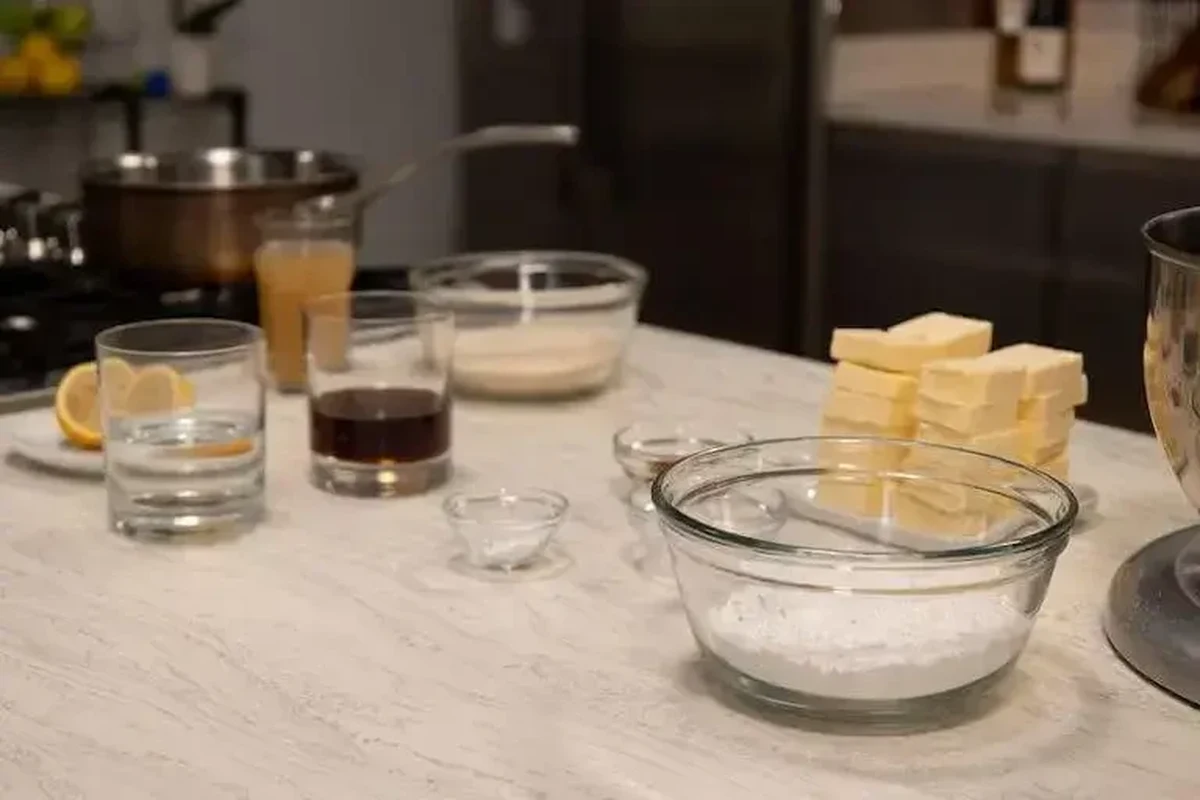
Baking soda is a chemical leavener that needs acid and moisture to create carbon dioxide gas. That gas helps batter or dough expand in the oven, while the alkaline nature of baking soda also affects browning and flavor.
How baking soda changes rise, browning, and texture
When baking soda reacts with an acid such as buttermilk, yogurt, brown sugar, molasses, citrus juice, or natural cocoa, it begins releasing gas quickly. That lift is strongest early in mixing and during the first part of baking, so timing matters.
It also speeds browning through the Maillard reaction, which is why soda-leavened cookies and quick breads often look deeper in color than neutral batters. In the crumb, the result can be lighter and more open, but too much soda can leave a soapy or metallic taste.
How sugar affects tenderness, moisture, and caramelization
Sugar does more than sweeten. It competes with flour for water, slows gluten development, and helps baked goods stay tender and moist for longer.
It also promotes browning and caramelization, especially at the surface. In cookies and cakes, sugar supports a more appealing crust, better spread, and a softer bite when the recipe is balanced correctly.
Why the pairing matters in cookies, cakes, and quick breads
The real magic comes from the interaction. Baking soda needs acidity, and sugar changes how much water and structure are available, so the two ingredients influence each other in the oven.
In cookies, the right balance controls spread and chew. In cakes and muffins, it affects lift, fine crumb, and color. In quick breads, it can make the difference between a pale, dense loaf and one that rises with a soft, even texture.
If a recipe uses baking soda, read the acid sources as carefully as the sweetener. Brown sugar, sour dairy, cocoa type, and fruit all change how the batter behaves.
Common Uses of Baking Soda and Sugar in Everyday Baking
Most everyday baking uses this pairing in familiar ways, even if the recipe does not call attention to it. Once you understand the pattern, you can predict how a recipe will spread, rise, and brown.
Cookie dough balance and spread control
Cookie dough is one of the clearest examples of the baking soda and sugar relationship. More sugar usually means more spread, a thinner edge, and deeper caramel notes, while baking soda can encourage that spread by softening the dough and increasing browning.
That is why a cookie with a high sugar ratio may bake crisp at the edges but stay chewy in the center. If the soda is too high, though, the cookies can over-spread, darken too quickly, and taste harsh.
Cake and muffin structure when sweetness meets alkalinity
In cakes and muffins, sugar helps keep the crumb tender, while baking soda helps create lift when an acid is present. A balanced batter rises more evenly and tends to have a softer, less rubbery bite.
This is also why many muffin formulas use yogurt, sour cream, buttermilk, or fruit puree. Those ingredients provide the acid baking soda needs, while sugar supports moisture and a pleasant crust.
Simple pantry examples that show the difference in results
A plain cookie dough made with white sugar, little acid, and extra baking soda may brown fast but taste flat or slightly alkaline. The same dough with some brown sugar or molasses will usually taste rounder and look more golden.
In a banana bread, the natural acidity of ripe bananas and any dairy in the recipe helps the soda work properly. In a vanilla cake with little acid, baking powder may be the better choice, or the formula may need a different balance of sweetener and leavener. For a deeper comparison, see can you use baking soda instead of baking powder safely.
Brown sugar is slightly acidic because it contains molasses, which is one reason it often works so well in recipes that use baking soda.
Measurement Basics: Getting the Ratio Right
With baking soda and sugar, small measurement errors can have a noticeable effect. You may not always see the difference in the mixing bowl, but you will often taste or see it after baking.
Why “a little more” baking soda can ruin flavor and color
Baking soda is powerful, so extra amounts do not simply mean extra lift. Once the available acid is used up, the remaining soda can leave a bitter, salty, or soapy flavor and can push browning too far.
That is especially noticeable in light-colored cakes, muffins, and cookies. If a recipe already has enough acid and leavening, adding more soda usually creates more problems than benefits.
How sugar quantity changes the need for acid and leavening
High-sugar batters often need careful structure because sugar delays setting and keeps the crumb soft. That means the recipe may rely on baking soda, baking powder, eggs, or flour strength to hold the shape long enough in the oven.
Reducing sugar without adjusting the rest of the formula can make a bake drier, firmer, or less browned. Increasing sugar without enough acid can make a soda-based recipe taste unbalanced, so changes should be small and deliberate.
Scaling recipes safely for small batches and larger batches
When scaling up, do not assume leavening and sugar can simply be multiplied with no other changes. Mixing time, bowl size, oven load, and batter temperature all affect how quickly the soda starts working.
For small batches, tiny measuring errors matter even more. Use level measuring spoons, keep ingredients consistent by brand when possible, and avoid rounding up on baking soda unless the recipe specifically allows it.
Recipe results can vary with measuring style, oven calibration, humidity, altitude, pan material, and ingredient brand. A formula that works in one kitchen may need a small adjustment in another.
Technique Matters: Mixing, Timing, and Oven Performance
Even a well-balanced recipe can fail if the mixing or baking stage is rushed. With soda-leavened batters, the clock starts earlier than many bakers expect.
When to combine dry ingredients before adding liquid
In most recipes, it is best to whisk baking soda into the dry ingredients first so it disperses evenly. That helps prevent pockets of bitter soda and gives a more uniform rise.
After the wet ingredients are added, mix only until the batter comes together. Once acid and soda meet moisture, the reaction starts, so the batter should move from bowl to oven without unnecessary delay.
How overmixing affects texture in soda-leavened bakes
Overmixing can toughen the crumb by developing too much gluten in wheat-based batters. It can also knock out some of the gas that has already formed, which leaves less lift for the oven to finish.
In muffins and quick breads, the batter should usually look slightly uneven rather than perfectly smooth. That is often a better sign than stirring until every lump disappears.
Temperature, timing, and checking doneness without guesswork
Oven temperature affects how quickly the batter sets around the gas bubbles. If the oven runs cool, the bubbles may escape before the structure firms; if it runs hot, the outside may brown too fast before the center is done.
Check for doneness with visual cues and touch, not just the clock. Look for edges that pull slightly from the pan, a center that springs back lightly, and a tester that comes out with a few moist crumbs rather than wet batter.
Hot pans, steam, and rising batter can cause burns. Use oven mitts, place pans on stable racks, and follow your oven and bakeware manufacturer guidance for safe handling.
Surprising Benefits Beyond Leavening and Sweetness
This ingredient pair does more than help a recipe rise. It can shape the final appearance, flavor depth, and even how long a baked good stays appealing on the counter.
Better browning and flavor development in baked goods
Baking soda raises surface pH, which encourages browning and stronger baked flavors. Sugar adds its own caramel notes as the surface heats, so the two together can create a richer crust than either ingredient would produce alone.
That is one reason chocolate cookies, spice cakes, and banana breads often taste more developed after baking soda is used correctly. The flavor is not just sweeter; it is deeper and more rounded.
How sugar can soften the bite of baking soda
Sugar helps buffer the harsh edge that baking soda can bring when the recipe is properly balanced. It does this partly by softening texture and partly by making the final flavor profile taste fuller and less alkaline.
In practice, that means a recipe with enough sugar can make soda-leavened bakes taste more polished. The sweetness does not hide errors, but it can help the result feel smoother when the acid and soda are in good proportion.
Why this combination can improve shelf appeal in finished products
For home bakers and small-batch sellers, appearance matters. A golden top, even spread, and tender crumb usually look more inviting than a pale, dense, or uneven bake.
Because sugar helps retain moisture and baking soda helps browning, the combination can improve the way a product looks and feels for a longer part of its shelf life. That does not replace proper storage, but it can make the baked good stay attractive longer.
- Improves rise when acid is present
- Supports browning and richer flavor
- Helps keep cookies and cakes tender
- Too much baking soda can taste bitter
- Too much sugar can cause excess spread
- Balance changes with brand, oven, and pan size
Common Mistakes Home Bakers Make with Baking Soda and Sugar
Most mistakes come from assuming these ingredients are interchangeable or forgiving. They are not, and the errors usually show up in taste, color, or texture.
Using baking soda without enough acid
If there is not enough acid in the recipe, baking soda may not fully react. The result can be a flat taste, poor lift, or a yellowish or overly dark color that looks off for the style of bake.
When a formula lacks acidic ingredients, baking powder or a different leavening approach may be more reliable. For a clearer explanation of the difference, it helps to review is baking soda and baking powder the same.
Confusing baking soda with baking powder
Baking soda is not a one-for-one substitute for baking powder. Baking powder already contains acid, so it behaves differently and is designed for recipes that do not have enough natural acidity.
Using the wrong one can change both flavor and structure. If you are adapting a recipe, make the change carefully instead of guessing at the amount.
Overbaking, underbaking, and uneven sweetness
Overbaking dries out the crumb and can make the sugar taste dull or burnt. Underbaking leaves the center gummy, which is especially noticeable in quick breads and muffins where the soda has already created lift.
Uneven sweetness can happen when sugar is not fully mixed or when the batter is under-aerated. Scrape the bowl well and mix just enough to distribute ingredients evenly.
Storage mistakes that weaken performance over time
Both sugar and baking soda are affected by moisture, but in different ways. Baking soda can clump or lose freshness if exposed to humidity, while sugar can harden into lumps or absorb odors from nearby foods.
Keep both in airtight containers away from heat and strong smells. If your kitchen is humid, check the texture and freshness more often, especially before important bakes or classes.
Do not store baking soda near cleaning chemicals or open containers with strong odors. Keep food ingredients clearly labeled and separate from non-food items to avoid contamination.
Safety, Storage, and Ingredient Quality in 2026 Kitchens
Ingredient quality matters because stale or contaminated ingredients can ruin both performance and safety. This is especially important if you bake for classes, events, or resale.
How to test freshness before baking
To check baking soda, add a small amount to vinegar or another acidic liquid; a strong fizz suggests it is still active. For sugar, freshness is mostly about dryness, cleanliness, and the absence of odors or pests.
For broader food safety guidance, follow recognized official recommendations such as USDA and FDA advice on ingredient storage, cross-contact, and safe handling. If you bake for others, label allergens carefully and verify product ingredients on the package.
Proper storage for humidity, clumping, and contamination prevention
Use sealed containers and dry scoops. Avoid storing sugar near flour dust, wet utensils, or open spice jars, because contamination can affect both flavor and shelf life.
Baking soda should stay dry and closed tightly so it can react properly when needed. If it smells stale or has been open for a long time, replace it rather than trying to rescue it in a critical recipe.
Food safety concerns when baking for classes, events, or resale
If you are baking for a class or an event, plan for allergen cross-contact, clean work surfaces, and safe cooling before packaging. Raw flour and eggs can carry food safety risks, so recipes and handling practices should be chosen with that in mind.
For resale, verify local labeling, licensing, and food code requirements before selling any baked goods. Rules vary by location, and official local guidance is the safest source.
When to Use Baking Soda and Sugar Together vs. When to Choose Another Approach
Use this pairing when you want quick lift, good browning, and a tender texture in a recipe that already has enough acid. Choose another leavening method when the formula does not support baking soda or when a different texture is the goal.
Best use cases for cookies, quick breads, and simple cakes
Baking soda and sugar work especially well in chocolate chip cookies, ginger cookies, banana bread, spice cake, and many muffin recipes. These bakes often include brown sugar, molasses, buttermilk, yogurt, fruit, or cocoa, all of which help the soda do its job.
If you are building a recipe from scratch, think about the final texture first. Chewy cookies, moist quick breads, and tender snack cakes are all strong candidates for this ingredient pair.
Situations where baking powder, yeast, or less sugar works better
Use baking powder when the batter has little natural acid and you want a more neutral flavor. Use yeast when you need fermentation, bread flavor, and a structured crumb over a longer rise time.
If you want a less sweet result, reduce sugar carefully and expect changes in browning, spread, and moisture. That adjustment may also require a different leavener or a small liquid change to keep the formula balanced.
Final recap: how to choose the right balance for reliable results
The safest approach is to match the leavener to the recipe’s acid level, sweetness, and desired texture. Baking soda gives strong browning and lift, while sugar controls tenderness, moisture, and flavor depth.
When these ingredients are balanced, the result is usually better than either one alone. If you want more reliable baking, start by measuring carefully, mixing gently, and choosing the leavener that fits the recipe instead of forcing a substitute.
Cookies spread too much, taste bitter, or turn too dark.
Check that the recipe has enough acid for the baking soda, measure carefully, chill the dough if needed, and confirm your oven temperature before baking again.
For bakers learning ingredient science, the main lesson is simple: baking soda and sugar are not just “leavener plus sweetener.” They shape structure, color, moisture, and flavor together, and the best results come from respecting that relationship. If you remember the acid balance, the mixing method, and the oven’s real behavior, your bakes will be much more consistent.
- Confirm the recipe has an acid source if it uses baking soda.
- Measure sugar and soda with level spoons or a scale when possible.
- Preheat the oven and place the rack where the recipe recommends.
- Mix only until combined to avoid tough texture.
- Check freshness and store ingredients in dry, sealed containers.
Frequently Asked Questions
Sugar helps tenderness, moisture, and spread, while baking soda helps lift and browning when acid is present. Together they can create a cookie that is chewy in the center and golden at the edges.
Sometimes, but not always. Reducing sugar can change spread, moisture, and browning, so the recipe may need another adjustment to keep the texture balanced.
Too much baking soda can leave a bitter, soapy, or metallic taste and may darken the baked good too quickly. It can also create a coarse or uneven crumb.
No. Some recipes use baking powder, yeast, or no chemical leavener at all. The right choice depends on the acidity and texture you want.
Keep both in airtight containers in a cool, dry place. Protect them from humidity, odors, and contamination from wet utensils or other ingredients.
Yes, if you follow safe food handling, allergen labeling, and local rules for preparation and sales. Check official USDA, FDA, and local health guidance for the requirements that apply to your kitchen.
