
Baking Soda for Refrigerator Freshness and Odor Control

Baking soda for refrigerator freshness helps absorb everyday odors, but it works best in a clean fridge with good airflow. It is a maintenance tool, not a substitute for removing spoiled food or fixing a deeper problem.
Baking soda for refrigerator use is a simple, low-cost way to help reduce everyday odors and keep the fridge smelling cleaner between deep cleans. It works best when the refrigerator is already clean and the baking soda is placed correctly.
- Best use: Place an open box or shallow container where air can circulate.
- Main limit: It reduces odors but does not clean spills or stop food spoilage.
- Replacement: Change it when odors return, not on a fixed schedule alone.
- Stronger smells: Use cleaning first, then consider charcoal or a fridge filter.
What Baking Soda Does in the Refrigerator: Odor Absorption, Moisture Control, and What It Cannot Do
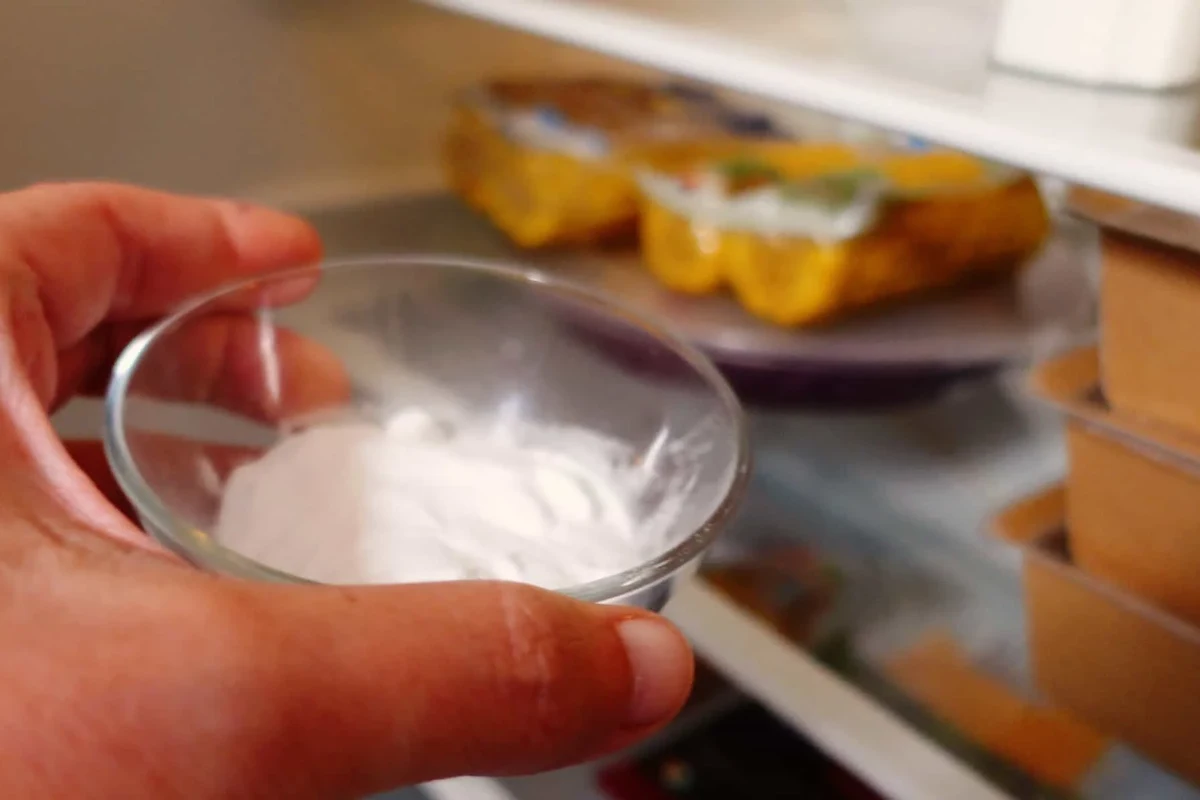
Baking soda, or sodium bicarbonate, is often used in refrigerators because it can help absorb some airborne odor molecules. It does not “perfume” the fridge; instead, it helps reduce the sharp smell of foods like onions, garlic, dairy, fish, and leftovers by interacting with certain acidic and basic odor compounds.
It can also help a little with freshness by reducing the stale smell that builds up in a closed space. If you want a deeper explanation of how this common ingredient works in cleaning, our guide to baking soda trick that actually works covers the basics in a broader kitchen context.
How sodium bicarbonate neutralizes common fridge odors
Many refrigerator odors come from volatile compounds released by food as it ages or spills. Baking soda helps by buffering those compounds, which means it can reduce the strength of smells that would otherwise linger in a closed appliance.
This is why an open box of baking soda may seem to “freshen” a fridge even though it is not disinfecting anything. It is handling odor in the air, not removing the source of the smell.
Baking soda works best on mild to moderate odors. Strong smells usually mean there is still a spill, spoiled food, or another source inside the refrigerator.
Why it helps with freshness but does not replace cleaning or food safety
Baking soda is a maintenance tool, not a substitute for cleaning shelves, drawers, seals, and drip areas. If food has leaked or spoiled, the odor will keep returning until the source is removed.
It also does not make food safer. For safe storage guidance, follow recognized food safety advice from sources such as USDA or FDA, especially after a power outage or when you suspect food has been held too warm for too long.
If the refrigerator smells sour, moldy, or like spoiled milk even after cleaning, check for hidden spills, blocked drains, or food that may have gone bad. Baking soda can reduce odor, but it cannot fix contamination or mechanical problems.
Best Ways to Use Baking Soda for Refrigerator Freshness in 2026
The simplest method is still the most common: place an open box of baking soda in the fridge and replace it regularly. For many households, this is enough to manage normal day-to-day odors from produce, dairy, and leftovers.
If you are also interested in how baking soda behaves in other cleaning situations, our article on baking soda and vinegar reaction explains why it works differently in cleaning than it does as a dry odor absorber.
Open box method: placement, quantity, and replacement timing
An open box is the classic refrigerator setup because it exposes a large surface area to the air. The wider the exposed surface, the more air contact it gets, which helps with odor control.
Place the box on a stable shelf where air can move around it. Many people keep it toward the back or middle shelf, but the best spot is usually one that is not blocked by tall containers.
Shallow bowl or vented container method for stronger odor exposure
Some people prefer a shallow bowl or a vented deodorizer container because it can expose more baking soda to the air than a standard box. This may be helpful if the refrigerator has stronger odors or if the box keeps getting knocked over.
A vented container also makes it easier to avoid spills. Just be sure it is food-safe, stable, and easy to remove when it is time to replace the contents.
There is no single perfect container for every fridge. The right choice depends on shelf space, airflow, and whether you want a simple disposable box or a reusable container.
When to use multiple boxes in larger or high-use refrigerators
One box may be enough for a small apartment refrigerator or a lightly used fridge. Larger family refrigerators, busy shared kitchens, and fridges that hold strong-smelling foods may benefit from more than one box.
Use multiple boxes only when the fridge is clean and odors are still noticeable. If the smell is intense, more baking soda is not always the answer; it may just mean the source has not been removed.
How to Set Up Baking Soda Correctly for Maximum Odor Control
Good placement matters because refrigerator air does not move evenly. Cold air sinks, warm air rises, and odors can collect in pockets if the fridge is crowded or poorly organized.
For more on choosing a product that suits your kitchen routine, see our baking soda review for a closer look at one common food-grade option.
Ideal shelf placement and airflow considerations
Put baking soda where air can circulate around it, not wedged behind large containers. A center or upper shelf often works well because it is easy to reach and less likely to be blocked by produce drawers or tall bottles.
Avoid placing it directly next to a strong spill or inside a sealed container. Odor absorption depends on exposure to the air inside the refrigerator, not on direct contact with the food itself.
The refrigerator still smells after you added baking soda.
The baking soda may be blocked by containers, placed too low for airflow, or overwhelmed by an active odor source. Reposition it, clean the fridge, and replace the box if it has been open for a long time.
How often to replace baking soda based on fridge size and odor load
Replacement timing depends on how often the door opens, how much food is stored, and how strong the odors are. In a busy kitchen, baking soda may need to be replaced more often than in a lightly used fridge.
Many households follow a monthly or every-few-months routine, but the best schedule is the one that matches the odor level in your own refrigerator. If smells start returning, it is usually time to replace the box.
Common setup mistakes that reduce effectiveness
One common mistake is leaving the box unopened. Another is placing it in a crowded corner where air cannot reach it well.
People also sometimes expect a new box to overpower a spoiled-food smell. That rarely works. Baking soda helps with background odors, but it cannot cover up food that needs to be thrown out.
- Use an open, accessible box or shallow container
- Replace it when odors return
- Keep the fridge organized so air can circulate
- Hiding the box behind tall items
- Using baking soda to mask spoiled food
- Letting spills sit and expecting odor control alone to solve them
Cleaning the Refrigerator Before and During Baking Soda Use
Baking soda works much better when the refrigerator is already clean. If there are spills, sticky spots, or old produce hiding in the back, those sources will keep releasing odor until they are removed.
For a broader look at kitchen cleaning chemistry, our guide on baking soda vinegar cleaning ovens shows how dry baking soda and wet cleaning methods serve different jobs.
Removing spoiled food, spills, and hidden odor sources
Start by checking leftovers, produce drawers, condiment shelves, and the back corners where forgotten containers often sit. Even a small spill can create a persistent smell if it has dried under a shelf or drawer.
Throw out spoiled food promptly and inspect packaging for leaks. If the odor is especially strong, look under bins and around the drip area, where moisture can collect unnoticed.
Safe cleaning steps for shelves, drawers, seals, and drip areas
Unplugging the refrigerator is not always necessary for a quick clean, but you should follow the manufacturer’s guidance if you need to remove parts or do a deeper clean. Use mild dish soap and warm water for removable shelves and drawers, then dry them before putting them back.
Wipe door seals carefully, since crumbs and moisture can hide there. Clean the drip area and any channels or vents only as directed by the appliance manual, because different models have different layouts.
Do not mix cleaning products unless the label says it is safe. In a refrigerator, simple soap and water are usually enough for routine cleaning, and strong chemical odors can linger near food.
Why baking soda works best as a maintenance tool, not a deep-clean substitute
Once the fridge is clean, baking soda helps keep it smelling neutral between cleanings. That makes it a useful maintenance step, especially in homes where the refrigerator is opened many times a day.
Think of it as part of a routine, not a rescue plan. If you skip cleaning, the odor source usually wins.
Choosing the Right Baking Soda Product for Fridge Use
For refrigerator freshness, plain food-grade baking soda is usually enough. Specialty refrigerator deodorizers may offer convenient packaging, but the core ingredient and the result are often similar for everyday use.
Food-grade baking soda vs. specialty refrigerator deodorizer products
Food-grade baking soda is widely available and versatile. It can be used in the kitchen, for cleaning, and for deodorizing, which makes it a practical choice for many households.
Specialty fridge deodorizers may come in better containers or with a design meant for airflow. They can be convenient, but they are not automatically more effective than a simple open box.
Packaging, box size, and vented containers: what matters most
What matters most is exposure to air, ease of placement, and how often you will remember to replace it. A sturdy box, a shallow dish, or a vented container can all work if the setup is open and accessible.
If you prefer a reusable container, choose one that is easy to clean and does not tip over when the fridge is full. If you want the simplest option, the standard box still works well for many kitchens.
When odor absorbers, activated charcoal, or fridge filters may be better options
For very strong or persistent odors, activated charcoal or a refrigerator-specific filter may perform better than baking soda alone. These options can be useful when the fridge is large, heavily used, or prone to strong smells from seafood, onions, or leftovers.
That said, no deodorizer replaces cleaning. If the source is still there, even a strong absorber will only help for a while.
Open box, vented container, or charcoal absorber
An open box is the easiest and cheapest to use. A vented container may expose more surface area and stay neater, while activated charcoal can be a better fit for stronger odor loads or larger refrigerators.
Safety, Storage, and Food-Handling Considerations
Baking soda is a common pantry ingredient, but it still belongs in a food-safe routine. Keep it clean, dry, and separate from raw food spills and contamination risks.
Keeping baking soda away from spills, open foods, and contamination risks
Do not let the box or container touch raw meat juices, leaking containers, or open food. If it becomes contaminated, replace it rather than trying to clean and reuse it inside the fridge.
Also avoid using the same box for both cooking and odor control if it has been left open in the refrigerator for a long time. Once it has absorbed fridge odors, it is no longer ideal for baking.
Where not to place it in the refrigerator
Do not place baking soda in a spot where condensation drips onto it or where it can fall into food. Avoid the floor of the fridge if it is crowded or if containers are likely to bump it over.
Keep it away from the freezer compartment unless the manufacturer’s instructions specifically allow that setup. Different compartments have different airflow and moisture patterns.
Storage tips for unused baking soda to preserve freshness and performance
Store unused baking soda tightly sealed in a cool, dry pantry. Moisture can reduce its performance and make it clump, which is not helpful for either baking or deodorizing.
If you use baking soda regularly in the kitchen, label the box or container so you know which one is for cooking and which one is for the refrigerator. That simple habit helps avoid cross-contamination and confusion.
Practical Examples: Matching Baking Soda Use to Real Refrigerator Problems
The best setup depends on the problem you are trying to solve. A lightly used fridge with normal food odors needs a different approach than a fridge that just had a spill or power outage.
Light everyday odors from produce, leftovers, and dairy
For mild everyday smells, one open box is usually enough. Keep it on a shelf with good airflow and replace it when the neutral smell starts fading or the refrigerator begins to smell “off” again.
This is the most common use case: simple, steady odor control between routine cleanings.
Persistent smells after a power outage or spoiled food incident
After spoiled food or a power outage, start with cleaning and food safety first. Remove questionable items, wash surfaces, and check for hidden spills before relying on baking soda.
In these cases, one box may not be enough. A deeper clean, better airflow, and possibly an activated charcoal absorber may be more effective until the odor source is fully gone.
Large family fridge, dorm fridge, and compact apartment refrigerator use cases
A large family fridge often benefits from multiple odor-control points, especially if it is opened all day and stores a wide variety of foods. A dorm fridge may only need one small open box, but it can become overloaded quickly if it holds leftovers and drinks in a tight space.
In a compact apartment refrigerator, space matters as much as odor control. A shallow vented container can be easier to fit than a full box, especially when shelf space is limited.
- Simple and inexpensive
- Helps reduce everyday odors
- Easy to replace and maintain
- Does not clean the refrigerator
- Weak against strong odor sources
- Needs regular replacement
When Baking Soda Is Enough and When to Try Another Solution
Baking soda is enough when the fridge is clean, the odors are mild, and the smell improves after a fresh box is placed inside. If that routine works, keep it simple and repeat it on a regular schedule.
Signs the odor issue is solved with routine replacement
If the refrigerator smells neutral after cleaning and the odor returns only gradually, baking soda is doing its job. That usually means you are dealing with normal background smells rather than a bigger problem.
In that case, replacing the box on a regular schedule and keeping the fridge organized is often all you need.
Warning signs that point to mold, mechanical problems, or deeper cleaning needs
If the smell is musty, sour, chemical-like, or keeps coming back fast, look for mold, hidden leaks, or a blocked drain. A refrigerator that is not cooling properly can also create odor problems because food spoils faster.
If you suspect a mechanical issue, check the appliance manual and contact service support as needed. Baking soda cannot fix temperature failure, drainage problems, or contamination.
Final recap: choosing the simplest effective freshness strategy for your refrigerator
The simplest effective strategy is usually this: clean the refrigerator well, place an open box or vented container of baking soda where air can reach it, and replace it as needed. That approach handles most everyday odor control without adding unnecessary steps.
When the smell is stronger than normal, treat baking soda as part of the solution, not the whole solution. Clean first, verify food safety, and then decide whether baking soda, charcoal, or a fridge filter is the better long-term fit.
Can I use the same baking soda for cooking and the refrigerator?
It is better to keep separate boxes. Once baking soda has been open in the fridge, it can absorb odors and moisture that make it less suitable for baking.
Frequently Asked Questions
One open box is usually enough for a small or average fridge. Larger or heavily used refrigerators may need more than one container if odors are persistent.
Many households replace it every month or every few months, but the right timing depends on fridge size, how often it is opened, and odor level. Replace it sooner if smells start returning.
It can reduce lingering odors, but it will not fix the source of a spoiled smell. Remove bad food, clean the fridge, and then use baking soda for maintenance.
Yes, a shallow bowl or vented container can work well because it exposes more baking soda to the air. Just make sure it is stable and food-safe.
Yes, when it is kept dry, clean, and away from spills or contamination. If it gets wet or touches leaking food, replace it.
Check for hidden spills, spoiled food, mold, or appliance issues such as drainage or cooling problems. Baking soda helps with odors, but it cannot solve those underlying causes.