
Baking Soda and Vinegar for Clogged Sink That Works Fast

Baking soda and vinegar can help a mildly clogged sink by loosening soft buildup and reducing odors. If the drain is hard, deep, or still blocked after two tries, switch to a plunger, trap cleaning, or a drain snake.
A slow or clogged sink is one of those kitchen problems that needs a simple answer, fast. For a mild blockage, baking soda and vinegar can help break up greasy residue, loosen soap scum, and reduce odors without reaching for harsh chemicals right away.
- Best use: Mild grease, soap scum, and odor near the drain opening.
- Not ideal for: Solid objects, packed hair, or deep plumbing blockages.
- Safe method: Add baking soda first, then vinegar, wait, and flush with hot water.
- Important limit: Do not mix vinegar with bleach or drain chemicals.
- Next step: If it fails twice, use a plunger, P-trap cleaning, or a snake.
Why Baking Soda and Vinegar Became the Go-To Fix for a Clogged Sink
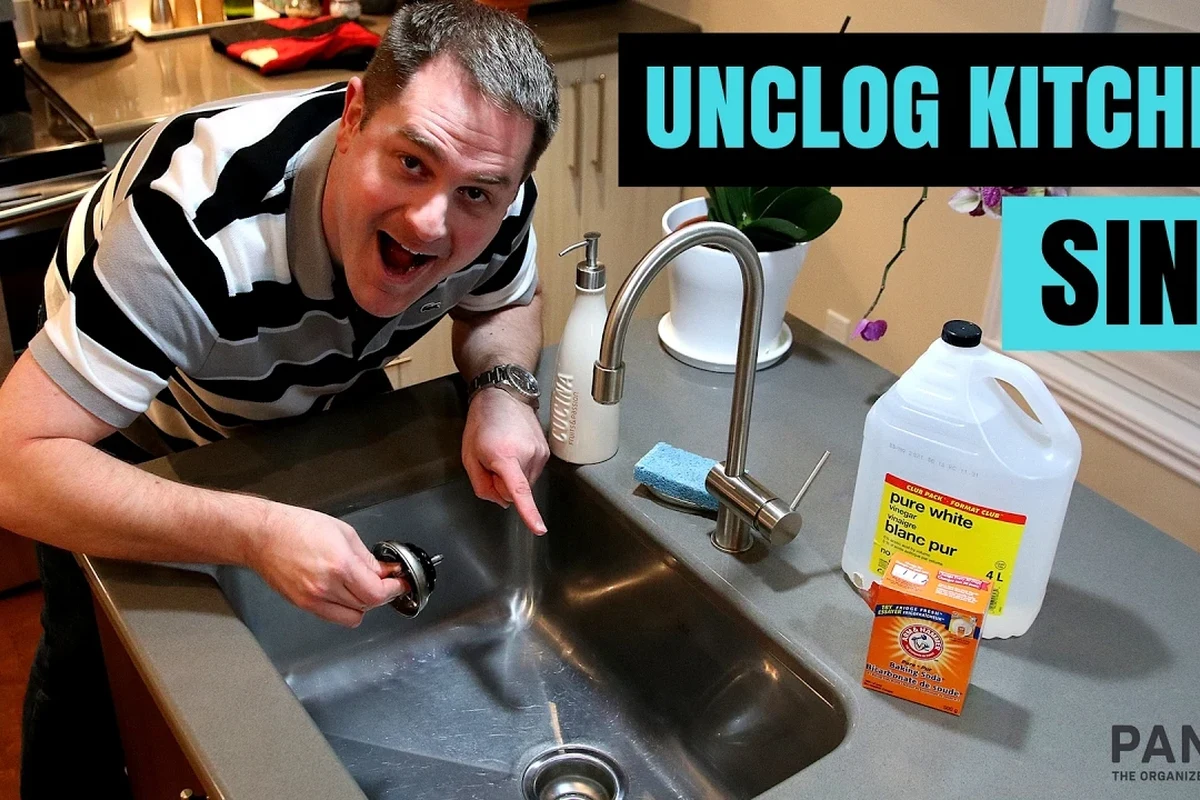
This method is popular because it is inexpensive, easy to try, and gentle enough for many common drain issues. It is also a familiar household trick, which is why many readers look for a clear explanation of how the baking soda and vinegar reaction actually works before pouring anything down the drain.
Used correctly, the mix can help with buildup near the top of the drain and in the first section of the pipe. It is not a magic fix for every clog, though, and that limit matters if you want a real solution instead of a temporary change in smell.
What this method can realistically dissolve in kitchen and bathroom drains
Baking soda and vinegar are best at dealing with light grease film, soap residue, and odor-causing buildup. In a kitchen sink, that often means the greasy layer that collects after dishwashing or food prep. In a bathroom sink, it can help with toothpaste film and soap scum around the drain opening.
It may also loosen small bits of soft debris that are stuck close to the surface. But it will not reliably dissolve compacted food, a solid foreign object, or a deep clog farther down the line.
When a slow drain is a good candidate versus a sign of a deeper blockage
A slow drain is a good candidate when water still moves, just more slowly than normal, and there is no complete backup. That usually suggests buildup rather than a hard blockage.
If the sink gurgles loudly, backs up into another fixture, or stays full after you try to clear it, the problem may be deeper in the pipe. In that case, the baking soda and vinegar for clogged sink method is worth a try, but it should not be your only plan.
If you are dealing with recurring drain issues, it can help to think about the cause, not just the symptom. Grease, starch, soap, and hair behave differently in pipes, so the best fix depends on what is actually building up.
How the Baking Soda and Vinegar Reaction Works in a Drain
The reaction is useful, but the fizz gets more attention than it deserves. The real benefit comes from combining a mild base, a mild acid, and a little mechanical loosening in a narrow drain space.
The role of baking soda as a mild abrasive and deodorizer
Baking soda is mildly alkaline and slightly gritty. That makes it useful for loosening soft residue and helping neutralize odors trapped in the drain area.
It is not strong enough to scrub away a hard clog on its own, but it can help shift the surface layer where grime starts to collect. In a kitchen sink, that surface layer often contains grease and food residue.
What vinegar actually does, and why the fizz is not the whole solution
Vinegar is acidic, so it reacts with baking soda and creates carbon dioxide bubbles. Those bubbles can help move loose debris and spread the mixture through the drain opening.
However, the fizz itself does not “blast” a clog away. Once the reaction starts, the liquid and the time you give it are what matter most. If you want a fuller breakdown of the chemistry, it helps to review a simple reaction explained simply before expecting dramatic results.
Why this method works better on grease, soap scum, and odor than on hard clogs
Grease and soap scum are soft enough to be loosened by a foaming, mildly reactive mixture. Odor also improves because baking soda can help reduce sour and stale smells around the drain.
Hard clogs are different. A toy, a cap, a wad of hair, or compacted food will not be broken apart by a household reaction alone. That is why this method is a cleaner, safer first step rather than a guaranteed cure.
For drain cleaning, the goal is not just chemical reaction. The waiting period gives the mixture time to work on soft buildup, which is often more important than the initial fizz.
Step-by-Step Sink Clearing Method That Works Fast
This is the simplest approach for a mildly clogged sink. It is best used before the drain becomes completely blocked, and it works even better when you avoid rushing the flush.
Tools and ingredients you need before starting
Gather everything first so you do not stop halfway through the process. If the sink is in a kitchen with a disposal, check the manufacturer’s instructions before using any cleaning method around the unit.
- Remove standing dishes or food scraps from the sink.
- Check that no bleach or drain cleaner was used recently.
- Use hot, not violently boiling, water for the final flush on delicate fixtures.
Exact measurements for a standard sink drain
For a standard sink drain, a common starting point is about 1/2 cup of baking soda followed by 1 cup of white vinegar. If the drain opening is very small or the sink is shallow, you may need slightly less liquid to keep it from overflowing.
These amounts are a practical starting point, not a strict rule. Drain size, clog location, and pipe shape can all change how well the mixture moves through the system.
The safest order to pour, wait, and flush with hot water
Tip the baking soda directly into the drain opening so it settles near the clog instead of on the sink surface.
Pour the vinegar in a steady stream. Expect fizzing, but do not rely on the foam alone to clear the pipe.
Use the stopper if possible and let the mixture sit for 15 to 20 minutes so it can work on residue.
Rinse with a steady stream of hot water to carry loosened material through the drain.
Do not use boiling water on porcelain fixtures, older pipes, or garbage disposal parts unless the manufacturer says it is safe. Very hot water can damage some surfaces and fittings.
How to repeat the process without overdoing it
If the drain improves but still moves slowly, you can repeat the process once more. That is usually enough for a mild clog.
If nothing changes after two attempts, stop and move to a mechanical method. Repeating the mixture over and over can waste time and may delay the fix that actually works.
Think of this method like softening a stubborn pan residue before scrubbing it. It works best when you give the ingredients time to contact the buildup before flushing everything away.
Common Clog Types and Whether This Method Is the Right Fix
Not every clog behaves the same way. The baking soda and vinegar for clogged sink approach is useful for some types of buildup and weak for others, so matching the method to the problem saves time.
Food particles, grease buildup, and coffee grounds in kitchen sinks
Kitchen sinks often clog from a mix of grease, starch, and tiny food particles. Grease can coat the pipe and trap other debris, which is why a drain may slow down gradually instead of stopping all at once.
Coffee grounds are especially common in this conversation because they clump and settle rather than dissolving. A mild reaction may loosen surrounding residue, but it usually will not remove a packed mass of grounds.
Soap residue, toothpaste, and hair-related buildup in bathroom sinks
Bathroom sinks collect soap film, toothpaste, and skin or hair debris. The good news is that the film portion responds better than a hard kitchen blockage.
If the clog is mostly soft residue near the drain opening, this method can help. If hair has formed a tight mat deeper in the pipe, you will likely need a plunger, snake, or manual cleaning.
Examples of clogs this method will not remove, such as foreign objects or compacted debris
This method will not remove jewelry, bottle caps, toy pieces, or other solid objects. It also will not reliably break through compacted sludge that has hardened farther down the drain.
If you suspect a foreign object, avoid repeated chemical attempts. Mechanical removal is usually the safer and faster choice.
- Gentle on many sinks and pipes
- Helps with odor and light residue
- Uses common household ingredients
- Weak on solid or deep clogs
- May need follow-up tools
- Not a substitute for plumbing repair
Safety, Surface Care, and Mistakes That Make the Problem Worse
Even a simple home remedy needs basic safety rules. The main risks are chemical reactions with the wrong products, heat damage, and frustration from using the method too aggressively.
Why you should never mix vinegar with bleach or drain chemicals
Never combine vinegar with bleach, drain openers, or other chemical cleaners. That can create dangerous fumes or unpredictable reactions.
If you used another cleaner earlier, flush thoroughly with plenty of water and wait before trying anything else. When in doubt, follow the product label and official safety guidance from recognized sources such as the FDA or other relevant public health authorities for household chemical safety.
How to protect stainless steel, porcelain, and garbage disposal components
Stainless steel sinks usually handle this method well, but it is still smart to avoid abrasive scrubbing around the drain opening. Porcelain can chip if you use rough tools or extreme temperature changes.
If a garbage disposal is installed, check the manual before adding any cleaning mixture. Some units tolerate this approach, while others recommend specific cleaning steps only.
Common errors like using too much water too soon or expecting instant results
One common mistake is flushing with a large amount of water immediately after pouring the ingredients. That can dilute the reaction before it has time to loosen buildup.
Another mistake is expecting the sink to clear instantly. A mild clog may improve after the wait and flush, but deeper blockages often need a second method. If you are comparing home remedies, a separate guide to clean drains with vinegar and baking soda can help you see where this approach fits in a larger routine.
What to Try If Baking Soda and Vinegar Do Not Unclog the Sink
If the drain is still slow after one or two careful attempts, move to a stronger but still practical fix. At that point, the issue is probably mechanical rather than chemical.
Using a plunger correctly for sinks with standing water
A sink plunger can be very effective if the clog is close enough and there is enough standing water to create suction. Cover the drain opening fully and use firm, controlled plunges rather than fast splashing motions.
If the sink has an overflow opening, you may need to block it so the pressure stays focused on the drain. That simple step often makes a bigger difference than adding more cleaner.
Cleaning the P-trap and removing trapped debris
The P-trap under the sink is a common place for grease, food scraps, and small objects to collect. If you are comfortable working under the sink, placing a bucket below the trap and removing it can reveal the blockage directly.
This is a good option when the clog feels solid or when water drains slowly even after the surface opening has been cleared. Keep towels nearby, since some water will usually spill when the trap is opened.
When a drain snake or professional plumber becomes the better option
A drain snake is useful when the clog sits farther down the pipe or when hair and fibers are tangled together. It gives you mechanical reach that baking soda and vinegar cannot provide.
If the sink keeps backing up, multiple fixtures are affected, or you notice repeated clogs in the same line, a plumber may be the better choice. That is especially true if you suspect pipe damage, a venting problem, or a blockage beyond the trap.
If water is rising into another sink, a tub, or a dishwasher connection, stop using the drain and get help. That can signal a larger plumbing issue that needs more than a household fix.
How to Prevent Future Clogs in a Busy Home Kitchen or Bath
Prevention is where this topic becomes really useful. A few routine habits can keep a sink draining well and reduce how often you need any clog-removal method at all.
Habits that reduce grease, starch, and food buildup in the sink
In kitchens, wipe greasy pans before washing them and avoid sending starch-heavy scraps down the sink. Pasta water, rice residue, and thick sauces can all contribute to buildup if they go straight into the drain.
In bathrooms, avoid rinsing thick toothpaste clumps or large amounts of hair into the sink. Small changes in cleanup habits can make a noticeable difference over time.
Using drain strainers and routine hot-water flushes
A drain strainer catches larger particles before they enter the pipe. That simple tool often prevents the kind of buildup that turns into a slow drain later.
Running hot water after washing dishes or brushing teeth can also help move residue through the line. It is not a cure-all, but it can reduce surface buildup when used consistently.
Simple monthly maintenance with baking soda and vinegar for odor control
For odor control, a monthly light cleaning can be enough. A smaller amount of baking soda followed by vinegar and a hot-water flush may help keep the drain smelling fresher between deeper cleanings.
This maintenance step is more about freshness than heavy-duty unclogging. If odors keep returning quickly, that may point to trapped debris deeper in the plumbing.
If a sink is part of a larger maintenance routine, think of it like keeping baking tools clean between batches. Preventing residue from building up is easier than scrubbing a hardened mess later.
Final Verdict: When This Fast Fix Is Worth Trying and When to Skip It
The baking soda and vinegar method is worth trying when the sink is slow, the clog seems mild, and you want a safe first step before using tools. It is especially practical for homeowners, renters, and anyone who wants a quick cleanup method with ingredients already in the kitchen.
Best-use scenarios for homeowners, renters, and quick cleanup situations
This approach makes the most sense for light grease, soap scum, and odor in a kitchen or bathroom sink. It is also a good option when you want to avoid harsh drain chemicals or when you need a low-risk first attempt.
If you are comparing it with other home cleaning uses, you may also find it helpful to read about baking soda and vinegar cleaning ovens and how the same ingredients behave differently on baked-on residue.
Recap of the fastest, safest approach for a mildly clogged sink
For the fastest safe result, pour in baking soda, add vinegar slowly, wait 15 to 20 minutes, and flush with hot water. Repeat once if needed, but stop if the drain does not improve.
If the clog is hard, deep, or caused by a foreign object, skip the guesswork and switch to a plunger, P-trap cleaning, or a drain snake. That is usually the quickest path to a real fix.
Baking soda and vinegar are worth trying for a mildly clogged sink because they can loosen soft buildup and reduce odor quickly. For solid, deep, or recurring clogs, move to mechanical cleaning or a plumber instead of repeating the mixture.
Frequently Asked Questions
A common starting point is 1/2 cup baking soda followed by 1 cup white vinegar. Adjust slightly for small drains, but do not keep adding more if the sink is not improving.
Sometimes, but you should check the disposal manufacturer’s instructions first. Some models allow this kind of cleaning, while others recommend specific care only.
Usually not if the hair is tightly packed. It may help with nearby soap residue, but a plunger, snake, or trap cleaning works better for hair buildup.
Fifteen to 20 minutes is a practical range for a mild clog. That gives the mixture time to loosen soft residue before you flush with hot water.
No, not right away. Never mix vinegar with bleach or drain chemicals, and flush thoroughly before trying any other method.
Stop repeating the mixture and switch to a plunger, P-trap cleaning, or a drain snake. If the clog affects more than one fixture, call a plumber.