Baking soda and vinegar can help reduce drain odor fast when the smell comes from light buildup, grease, or soap film. If the odor keeps returning, the problem is likely deeper than surface residue and may need a plumber.
If a sink or shower smells sour, musty, or like old food, baking soda and vinegar for drain odor is still one of the fastest DIY fixes people try first. It is simple, low-cost, and often useful for light buildup that causes everyday drain smells.
- Fast first step: Good for mild smells in sinks, showers, and disposals.
- Best method: Use enough product, wait 10 to 15 minutes, then flush with hot water.
- Main limit: It will not fix deep clogs, sewer gas, or venting problems.
- Safety rule: Never mix it with bleach or other drain chemicals.
- Prevention matters: Regular cleaning keeps grease, hair, and soap film from bringing the smell back.
Why Baking Soda and Vinegar for Drain Odor Is a Fast Fix People Still Search for in 2026
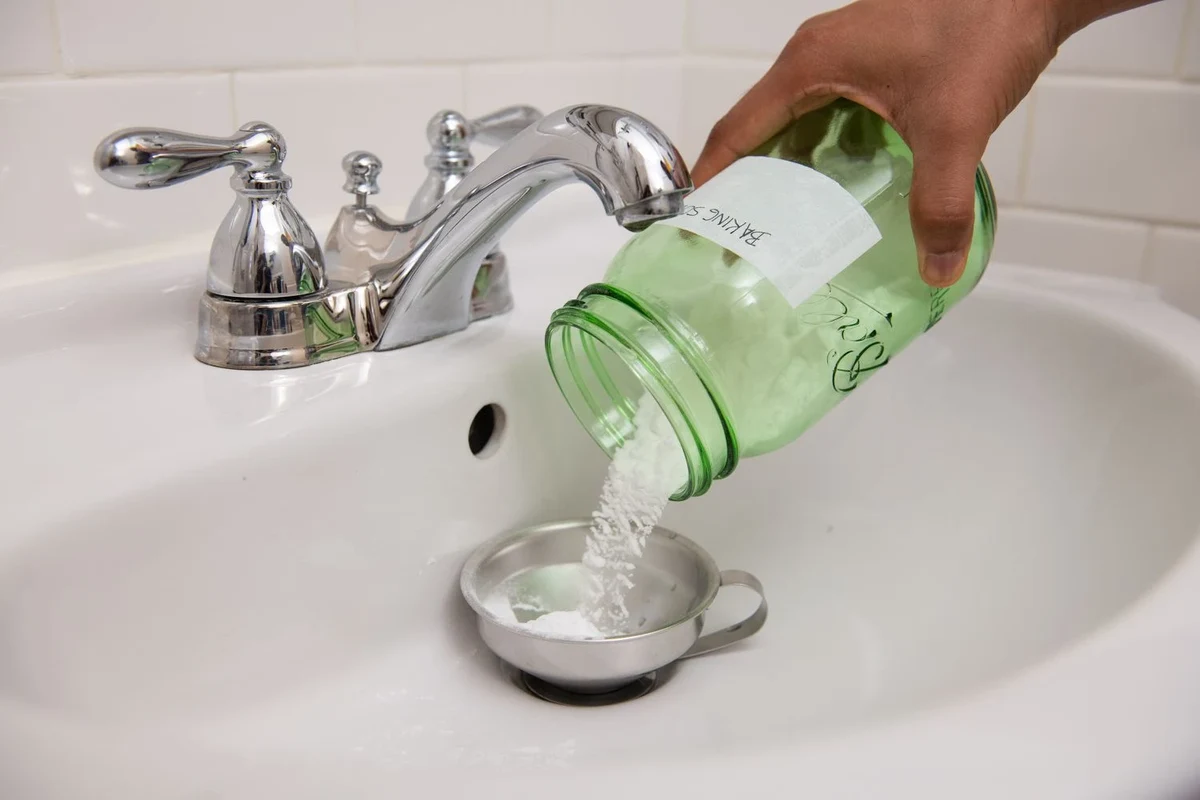
Drain odor usually points to residue sitting in the pipe, the trap, or the disposal area. In kitchens, that can mean grease and food film. In bathrooms and laundry areas, it is often soap scum, hair, detergent residue, or damp organic buildup.
People still search for this method because it is easy to do with common pantry items, and it can improve smell quickly when the problem is mild. It also feels like a practical first step before buying a stronger cleaner or calling for help. For readers who like the science behind simple kitchen reactions, our baking soda and vinegar reaction explained simply article breaks down what happens when the two ingredients meet.
What drain odor usually means in kitchens, bathrooms, and laundry areas
A kitchen drain smell often comes from food particles, grease, or a disposal that needs cleaning around the edges and under the splash guard. Bathroom drains usually smell from soap film, toothpaste residue, hair, and moisture that stays in the pipe.
In laundry areas, odor may come from detergent buildup, lint, or a drain that does not get flushed often enough. If the smell is sharp and sewer-like, the cause may be deeper than surface residue.
Why this DIY method remains popular despite newer cleaners and drain products
This method remains popular because it is familiar, inexpensive, and easy to repeat. Many people also prefer to start with a gentler option before using harsher chemicals.
It is not a miracle fix, but it can be a smart first pass for light odor. If the smell is only starting and the drain still flows, this is often enough to make a noticeable difference.
Baking soda is mildly alkaline, which helps neutralize some odor compounds, while vinegar is acidic and can help loosen film on drain surfaces.
How Baking Soda and Vinegar Work on Drain Odor, Grease, and Mild Buildup
The best way to think about this combo is as a cleaning aid, not a pipe repair. It can help reduce smell and loosen light residue, especially near the drain opening and trap area.
The role of baking soda as a deodorizer and gentle abrasive
Baking soda can absorb and neutralize some odors rather than just covering them up. Its fine texture also gives it a mild scrubbing effect when it sits on damp residue.
That is useful in drains with sticky film, because odor often clings to the same buildup that traps debris. If you want a broader look at how baking soda helps around the home, see our guide to baking soda in laundry benefits.
The role of vinegar in loosening residue and reducing smell
Vinegar can help break down some mineral film and loosen light residue on drain surfaces. The smell of vinegar fades after rinsing, which is one reason it is often used for odor cleanup.
It is important to keep expectations realistic. Vinegar is helpful for film and fresh buildup, but it will not dissolve a true clog or remove heavy grease packed deeper in the pipe.
What this combo can and cannot do in real drains
It can help with light odor, small amounts of organic residue, and some surface film. It may also improve the smell of a slow drain that is not fully blocked.
It cannot replace a drain snake, a proper enzymatic cleaner, or a plumber’s visit when the problem is structural. If the smell returns quickly, the source may be deeper in the plumbing line.
- Uses common household ingredients
- Can reduce mild odors fast
- Gentler than many harsh drain chemicals
- Limited effect on deep clogs
- May need repeat cleaning
- Not a fix for sewer gas or vent issues
The Best Step-by-Step Method for Using Baking Soda and Vinegar for Drain Odor
If you want the best chance of success, use enough product, let it sit, and flush well afterward. The sequence matters more than many people realize.
Exact amounts for a standard sink or shower drain
For a standard drain, start with about 1/2 cup of baking soda followed by about 1 cup of white vinegar. For a larger or deeper drain opening, you may need a little more, but do not overdo it just to create more fizz.
The fizz looks dramatic, but the cleaning value comes from contact time and flushing, not from the foam itself. If your baking soda has been sitting in the pantry for a long time, check whether it is still fresh enough to use well; our article on whether baking soda expires explains how to tell.
Pouring order, wait time, and flushing with hot water
Remove standing debris, hair, or visible food scraps so the mixture can reach the residue instead of sitting on top of it.
Let it fall directly into the drain. If possible, keep it dry for a moment so it can settle near the smelly area.
Pour it in after the baking soda so the reaction happens inside the drain. A brief fizz is normal.
Leave the mixture in place for about 10 to 15 minutes so it can work on odor and light residue.
Rinse with a steady stream of hot water to carry loosened film away from the drain walls.
Hot water should be hot from the tap, not boiling, especially for plastic plumbing or delicate fixtures. Very hot water can stress some materials or splash back more easily than expected.
How to adjust the method for slow-draining but not fully clogged pipes
If the drain is slow but not blocked, use the same method once, then repeat only if the water still moves. A second round can help with light buildup, but repeated treatment will not solve a serious restriction.
For a disposal or kitchen sink, you may also want to manually wipe the visible rubber splash guard or drain rim, where odors often hide. A combination of cleaning and flushing usually works better than chemical action alone.
Many drain odors improve most when you clean the visible opening, treat the pipe, and flush afterward. Skipping the final rinse often leaves loosened residue behind.
Common Mistakes That Make the Drain Smell Come Back
When this fix seems to fail, the problem is often the method, not the ingredients. Small mistakes can leave odor-causing residue in place.
Using too little product or skipping the hot-water flush
A light sprinkle of baking soda and a splash of vinegar may not reach enough of the drain surface to matter. The same is true if you do not rinse afterward, because loosened film can stay behind and keep smelling.
Think of it like cleaning a baking pan: if you only wet the surface, you may soften residue but not remove it. The final rinse is what carries the loosened material away.
Mixing it with bleach, commercial drain openers, or other chemicals
Do not mix baking soda and vinegar with bleach, drain opener, ammonia, or other cleaners. Combining products can create dangerous fumes or unpredictable reactions.
If a drain has already been treated with a commercial product, follow the label instructions and wait before using anything else. When in doubt, rinse thoroughly and choose one cleaning approach at a time.
Expecting it to fix deep clogs, venting problems, or sewer gas issues
If the odor is caused by a dry trap, broken vent, cracked pipe, or sewer gas issue, this DIY method will not solve it. Those problems need a different fix, and sometimes a professional inspection.
Persistent odor that returns after cleaning often means the source is not surface residue. In that case, the smell is a symptom, not the root problem.
The drain smells better for a day, then the odor returns.
Clean the visible drain parts, repeat the treatment once if needed, and check for deeper issues like a slow clog, dry trap, or disposal buildup.
Where This Method Works Best: Kitchen Sinks, Bathroom Drains, and Garbage Disposal Odors
This method is best for drains that smell from everyday buildup rather than major plumbing faults. It is especially useful when the drain still works and the odor is localized.
Best use cases for food residue, soap scum, and light organic buildup
Kitchen sinks, bathroom sinks, and shower drains often respond well when the smell comes from fresh residue. Soap scum, food film, and light organic buildup are the kinds of problems this method can help with most.
It is similar in spirit to using baking soda for other household odor problems: the ingredient works best on surface-level smell and mild residue, not major contamination. That is why it is often a first step rather than the final answer.
When a garbage disposal needs extra scrubbing or manual cleaning
Garbage disposals can trap odor under the splash guard, around the grinding chamber, and on the inside of the flange. Baking soda and vinegar may help, but they usually work best when paired with a brush or sponge on the visible parts.
For disposal odors, run plenty of water after cleaning so particles do not settle again. If the smell is strong, a manual wipe is often the missing step.
Situations where the odor source is farther down the plumbing line
If the smell is strongest in multiple rooms, or if several drains smell at once, the source may be farther down the system. That can point to venting, drainage, or sewer line issues rather than a single dirty drain.
In shared spaces, the odor may also come from a common line that needs building maintenance attention. A local cleanout is not always enough.
Does this work the same in a sink and a shower drain?
Mostly yes, but showers often need extra hair removal first and kitchen sinks often need more attention to grease and the drain rim. The core method is the same, but the prep work changes.
Safety, Pipe Compatibility, and When to Avoid This DIY Drain Odor Treatment
For many modern drains, this is a low-risk cleaning method when used correctly. Still, a few safety checks matter before you pour anything down the pipe.
What modern plumbing materials generally tolerate the mixture well
Most common household plumbing materials tolerate baking soda and vinegar without trouble when the mixture is used in normal amounts. That said, fixture age, pipe condition, and prior chemical use can change the picture.
If you are unsure about a specialty drain, septic system, or older plumbing setup, check the manufacturer guidance or ask a plumber before repeated use. It is always better to verify than to guess.
Why standing water, backups, or repeated odors may signal a bigger issue
Stop using the drain if water backs up, drains very slowly, or smells like sewer gas after cleaning. Those signs may point to a clog or plumbing issue that needs more than a DIY odor treatment.
Standing water can hide the true source of the odor and can also make cleaning less effective. If the drain gurgles, backs up, or smells stronger after treatment, the issue may be mechanical rather than cosmetic.
When to stop DIY and call a plumber or building maintenance team
Call for help if the odor persists after a careful cleaning, if multiple drains smell, or if you notice slow drainage plus recurring odor. Building maintenance should also be involved when the smell seems to come from a shared line or common area.
For safety, do not keep adding chemicals in the hope that stronger means better. That approach can create a hazard without solving the cause.
Smarter Odor Prevention After the Drain Smells Better
Once the smell improves, the goal is to keep residue from building back up. A little routine care usually prevents the same odor from returning.
Routine cleaning habits that reduce grease, food particles, and soap buildup
In kitchens, scrape plates well before rinsing and avoid sending grease down the sink. In bathrooms, remove hair from the drain cover and rinse away soap residue regularly.
In laundry areas, keep lint and detergent buildup under control by wiping the area and flushing the drain occasionally. Small habits matter more than one dramatic cleaning session.
Simple weekly maintenance schedule for busy kitchens and shared spaces
A practical weekly routine is to clear the drain opening, wipe visible buildup, and flush with hot water. If odor tends to return, use the baking soda and vinegar treatment on a regular schedule rather than waiting for the smell to become strong.
In busy shared kitchens, a short cleaning rotation can help keep the sink area from turning sour. Consistency is usually more effective than heavy cleaning done too late.
Practical examples for households, dorms, and pastry school training kitchens
In a household, this might mean cleaning the kitchen sink after heavy cooking days. In a dorm or shared apartment, it can mean assigning one person to check the drain weekly so odors do not build up unnoticed.
In pastry school training kitchens, where butter, cream, sugar, and flour all create residue in different ways, the same principle applies: remove visible buildup early, then flush the drain before it becomes a smell problem. Good kitchen habits protect both the work area and the plumbing.
- Clean the visible drain area first
- Use enough baking soda and vinegar to reach the pipe opening
- Finish with a hot-water flush
- Mixing cleaners together
- Using the method as a fix for deep clogs
- Ignoring repeated sewer-like odors
Final Verdict: When Baking Soda and Vinegar for Drain Odor Is Worth Trying First
Baking soda and vinegar for drain odor is worth trying first when the smell is mild, the drain still flows, and the problem seems tied to surface buildup. It is fast, inexpensive, and often helpful for kitchen, bathroom, and disposal odors that come from residue rather than serious plumbing trouble.
The best next step if the smell returns is to clean the visible drain parts, repeat the treatment once if needed, and then look for a deeper cause. If the odor keeps coming back, especially with slow drainage or sewer-like smell, stop the DIY cycle and call a plumber or maintenance team.
Use this method as a first-response odor fix, not a cure-all. It works best for light buildup and fresh smells, while repeated odors usually mean the drain needs a closer inspection.
Frequently Asked Questions
A common starting point is 1/2 cup of baking soda followed by 1 cup of white vinegar for a standard sink or shower drain. Adjust only slightly for larger drains, and always finish with a hot-water flush.
It may help a slow drain with light buildup, but it will not fix a serious clog. If water backs up or barely moves, use a proper drain tool or call a plumber.
Let the mixture sit for about 10 to 15 minutes before flushing. That gives it time to loosen light residue and reduce odor near the drain opening.
No. Do not mix baking soda and vinegar with bleach, ammonia, drain openers, or other cleaners because dangerous fumes or reactions can happen.
The odor may be coming from deeper buildup, a dry trap, a venting problem, or sewer gas. If the smell returns quickly, the issue is likely beyond surface cleaning.
It can help, especially when paired with wiping the splash guard and visible parts of the disposal. For strong odors, manual cleaning is often needed along with the drain treatment.
