Baking soda bathroom cleaner is a fast, low-cost option for routine scrubbing, deodorizing, and light buildup. It works best as a paste or gentle scrub, but it is not a disinfectant or a fix for heavy mineral stains.
If you want a fast, low-cost way to refresh a bathroom, baking soda is still one of the most useful cleaners to keep on hand. A good baking soda bathroom cleaner can handle everyday grime, help control odors, and support a quicker weekly reset when you use the right method for the surface.
- Best use: Great for soap scum, sink residue, grout, and bathroom odors.
- Fastest method: Use a paste for buildup and a dry sprinkle for light daily cleaning.
- Main limit: It does not replace disinfecting or specialty cleaners for tough stains.
- Safety first: Avoid harsh scrubbing on delicate finishes and never mix bleach with other cleaners.
- Storage tip: Keep baking soda dry and mix paste fresh for the best results.
What Baking Soda Bathroom Cleaner Is and Why It Still Works Fast in 2026
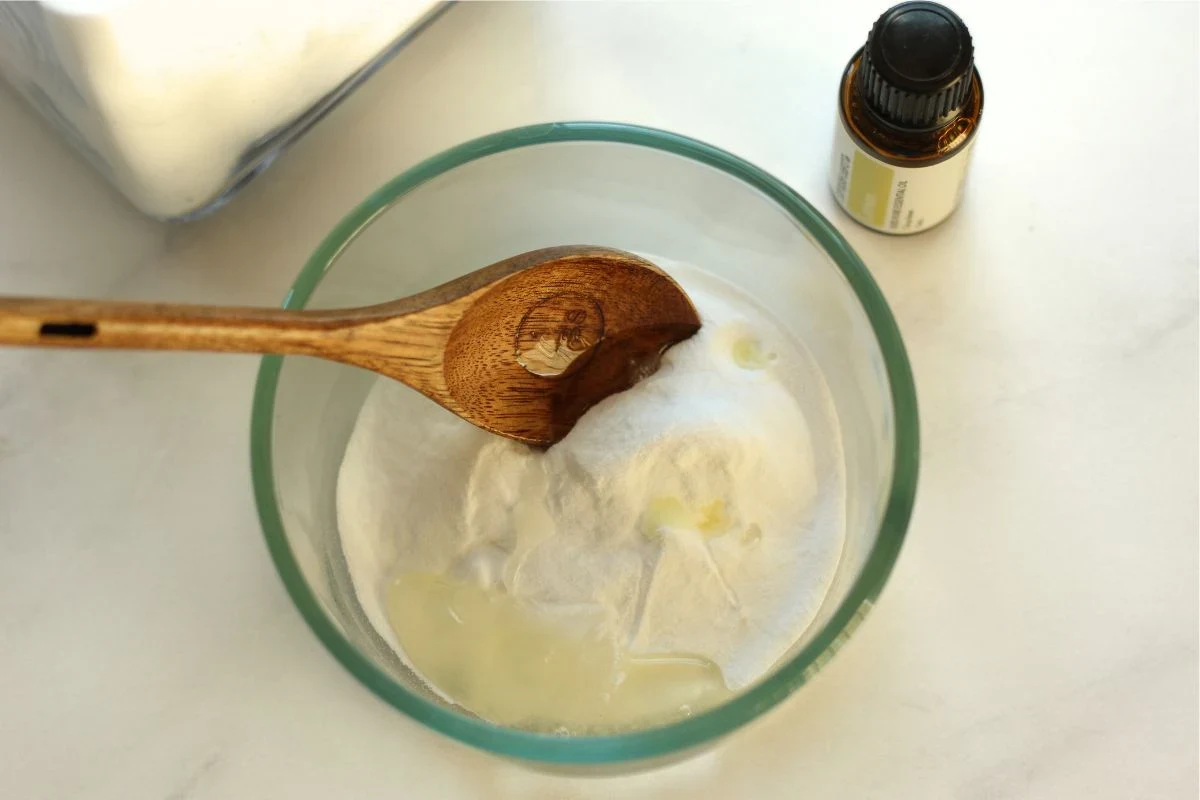
Baking soda bathroom cleaner usually means plain baking soda used dry, mixed with a little water into a paste, or paired with another cleaner for a specific job. It works because the powder is mildly abrasive and slightly alkaline, so it can loosen stuck-on residue without the harsh feel of more aggressive scrubs.
That makes it especially useful on bathroom buildup that is greasy, soapy, or dusty rather than deeply stained. It is not a miracle cleaner, but it is dependable when you want a simple option that is easy to mix, easy to rinse, and easy to keep in the cabinet.
How baking soda’s mild abrasiveness and odor control help in bathroom cleaning
The fine crystals act like a gentle scouring powder. They help lift soap scum, toothpaste splatter, and light mineral film when you rub with a damp sponge or cloth.
Baking soda also helps absorb and neutralize odors instead of just covering them up. That is why it can be useful around sinks, trash areas, toilet bases, and drains where smells tend to linger.
Baking soda is best at loosening and deodorizing, not disinfecting. If a surface needs sanitizing, use a cleaner labeled for that purpose and follow the product directions or official guidance.
What it can clean well: sinks, tubs, tile grout, drains, and toilet surfaces
Baking soda is a strong fit for porcelain sinks, tub walls, shower floors, tile grout lines, and the outside of toilets. It can also help with slow odor buildup in drains when used as part of a cleaning routine, especially if you are already wiping away visible residue first.
For drains, it pairs well with cleaning drains with vinegar and baking soda when the goal is odor control and light maintenance. For bathroom odor problems more broadly, baking soda for smoke odors explains why the powder is often used as a deodorizer in enclosed spaces.
Best Baking Soda Bathroom Cleaner Methods for Different Messes
The fastest method depends on the mess. A paste works best on stuck-on buildup, dry sprinkling works well for routine wiping, and fizzing with vinegar is useful in a few specific cases but not as a universal solution.
Paste method for soap scum and tub rings
Mix baking soda with just enough water to make a thick spreadable paste. Apply it to tub rings, soap scum, and grimy spots, then let it sit briefly before scrubbing with a non-scratch pad or soft brush.
The paste gives the powder more contact time, which helps it cling to vertical surfaces instead of sliding off. That extra dwell time matters when the buildup is stubborn or layered.
For the best paste texture, start with a small bowl and add water drop by drop. A thick paste sticks better to tubs and tile than a runny mix.
Sprinkle-and-scrub method for sinks, counters, and fixtures
For light daily cleaning, sprinkle baking soda directly onto a damp sink, countertop edge, or fixture base, then scrub and rinse. This method is quick because it skips mixing and works well on small areas with fresh residue.
It is especially useful when you want a fast bathroom reset before guests arrive. If the area is only lightly dirty, the powder alone may be enough to remove dullness and leave a cleaner finish.
Foaming or fizzing method with vinegar: when it helps and when it does not
Vinegar and baking soda create a fizzing reaction that can help loosen loose debris in a drain or around a crack where buildup is trapped. The reaction is noticeable, which makes it feel powerful, but the fizz itself is short-lived.
That means it is not the best choice for heavy scrubbing jobs like thick soap scum on a tub wall. It works better as a short-term aid for odor control and loose buildup than as a deep cleaner. For a simple explanation of the chemistry, see baking soda and vinegar reaction explained simply.
Do not mix vinegar with bleach or any cleaner that contains bleach. That combination can create dangerous fumes, and bathroom cleaning safety should always come first.
Step-by-Step Cleaning Guide for a Faster Bathroom Reset
If you want speed, the real trick is preparation. Removing loose debris, choosing the right tool, and giving the cleaner enough contact time usually matters more than using a larger amount of product.
Surface prep, dry debris removal, and ventilation
Start by clearing bottles, hair, tissues, and anything sitting on the surface. Dry sweep or wipe away loose dust and hair so the baking soda can work on residue instead of getting buried under debris.
Open a window or run the bathroom fan if you have one. Ventilation helps with drying time, reduces odor buildup, and makes the room more comfortable while you clean.
- Remove loose hair, dust, and clutter
- Open a window or turn on the fan
- Choose the right sponge, cloth, or brush for the surface
- Test a small hidden spot if the finish is delicate
Correct mixing ratios and application timing for common bathroom surfaces
There is no single perfect ratio because brands and humidity levels change how the paste feels, but a good starting point is enough water to make baking soda hold together without dripping. For a cleaner-on-a-cloth method, dampen the cloth lightly rather than soaking it.
Let the paste sit a few minutes on soap scum or grout before scrubbing. On delicate or coated surfaces, shorter contact time is safer, and you should rinse sooner if the finish looks dull or cloudy.
On fixtures and counters, less water is often better. Too much water can dilute the cleaner and turn the powder into a thin slurry that slides away before it can do much work.
Scrubbing tools that improve results without scratching finishes
Use microfiber cloths, soft sponges, nylon scrub brushes, or non-scratch pads for most bathroom jobs. These tools give enough friction to lift residue without gouging porcelain or dulling many finishes.
Avoid steel wool and harsh abrasive pads on polished metal, acrylic, and coated surfaces unless the manufacturer specifically says they are safe. If you are unsure, start with the gentlest tool that still gives visible progress.
Common Bathroom Cleaning Mistakes That Reduce Baking Soda’s Effectiveness
Baking soda is simple, but it still works best when used correctly. A few common mistakes can make it seem weaker than it really is.
Using too little contact time or too much water
One of the biggest mistakes is wiping too soon. Baking soda needs a little time on the surface to loosen residue, especially if the mess is dry or layered.
On the other hand, too much water weakens the scrubbing action and can make the powder disappear before it has done much. The goal is a damp, controlled application, not a diluted rinse.
Scrubbing delicate materials too aggressively
Hard scrubbing can leave fine scratches on acrylic tubs, polished metal, and some painted finishes. Once a surface is scratched, it can hold dirt more easily and look dull faster next time.
Use the lightest pressure that still moves the grime. If a spot does not improve, switch methods instead of pressing harder.
Expecting baking soda to replace disinfecting when sanitizing is needed
Baking soda is useful for cleaning, deodorizing, and light maintenance, but it is not a substitute for disinfection. If you are dealing with illness cleanup, bodily fluids, or another sanitation concern, use a product labeled for that purpose and follow the instructions carefully.
For food-related cleaning and safety topics, official guidance from recognized agencies such as the USDA or FDA is the best reference point. For home surfaces, always follow the label directions on the cleaner you choose.
Safety, Surface Compatibility, and What to Avoid
Most bathroom cleaning problems come from using the wrong product on the wrong surface. Baking soda is gentle compared with many cleaners, but it is still important to match the method to the material.
Natural stone, polished metal, acrylic, and painted surface concerns
Natural stone can be sensitive to abrasive scrubbing and to acidic cleaners used afterward. Acrylic tubs and shower walls can scratch if you use rough pads or strong pressure.
Polished metal fixtures may lose shine if scrubbed too aggressively, and painted surfaces can dull or peel if they are rubbed repeatedly. When in doubt, test a hidden area first and check the manufacturer’s care instructions.
Keep cleaning products away from children and pets, and never transfer them into food containers. Label any homemade cleaning mix clearly so it is not mistaken for something edible.
Mixing rules: bleach, vinegar, and other cleaners
Do not mix baking soda with bleach-based cleaners unless the product label specifically allows it. Also avoid combining bleach with vinegar or ammonia, since those mixtures can release harmful gases.
Baking soda and vinegar are often used together in cleaning routines, but they should be used with a clear purpose. If you want the fizzing effect, use it as a short, controlled step and rinse well afterward.
Skin, eye, and ventilation precautions for home use
Baking soda is generally mild, but dry powder and splashes can still irritate skin or eyes. Wear gloves if you have sensitive skin, and avoid leaning directly over a fizzing drain or sprayed cleaner.
Good airflow matters more than many people think. Even simple bathroom cleaners are easier to use when the room is ventilated and the surfaces can dry quickly.
Best Use Cases: Where Baking Soda Bathroom Cleaner Beats Commercial Products
Baking soda is not the strongest cleaner on the shelf, but it often wins on practicality. It is inexpensive, familiar, and versatile, which makes it a smart choice for many routine bathroom jobs.
Budget-friendly cleaning for routine maintenance
If you clean weekly, baking soda can be a low-cost standby for sinks, tubs, and counters. It is especially useful when you want to freshen a space without reaching for a heavy-duty product every time.
That is one reason many home routines keep baking soda near other basics, much like people keep it handy in the kitchen for checking whether baking soda has expired before using it in another task.
Odor control in drains, trash areas, and toilet zones
When the main issue is smell rather than thick grime, baking soda can be a strong choice. It helps reduce stale odors in trash-adjacent spots, around toilet bases, and in drains that need a refresh.
For odor-focused cleaning, it is often more effective than a strongly scented product that only masks the problem. If odors keep returning, though, you may need to clean the source more deeply or use a stronger cleaner.
When a stronger commercial cleaner is the better choice
Choose a commercial bathroom cleaner when you are dealing with heavy limescale, rust, mildew, or a surface that needs disinfection. Some jobs simply need a formula made for that exact problem.
If the stain is old, deep, or tied to hard water, baking soda may help with the surface grime but not fully remove the discoloration. In that case, a targeted product is usually faster and more effective.
- Low cost and easy to find
- Good for routine scrubbing and odor control
- Simple to use in paste or dry form
- Not a disinfectant
- Less effective on heavy mineral buildup
- Can scratch delicate finishes if misused
How to Store, Label, and Keep Baking Soda Cleaning Supplies Ready
A fast bathroom cleaner is only helpful if it is easy to grab and use. A little organization makes baking soda much more convenient during weekly cleaning.
Keeping dry baking soda fresh and clump-free
Store baking soda in a sealed container in a dry cabinet. Moisture can cause clumping, which makes it harder to sprinkle evenly and less pleasant to work with.
If the powder has absorbed moisture or smells off, replace it. For general freshness guidance, this is similar to the way people check pantry ingredients before using them in other home tasks.
Pre-mixed paste storage limits and why freshness matters
Pre-mixed baking soda paste is best made fresh for each cleaning session. Once water is added, the texture changes, and the mix can dry out, separate, or become less predictable.
If you do keep a small amount for a short time, label it clearly and use it soon. Fresh paste spreads better and gives you more control on vertical or curved surfaces.
Simple bathroom cleaning kit setup for quick weekly use
Keep a small kit together with baking soda, a soft brush, microfiber cloths, and a spray bottle of water. When everything is in one place, you are more likely to do a quick clean before buildup gets serious.
That kind of setup also makes it easier to choose the right method fast. A dry sprinkle for the sink, a paste for the tub, and a rinse-ready cloth for the fixtures can cover most weekly bathroom messes.
Final Recommendation: Is Baking Soda Bathroom Cleaner the Right Fast-Clean Option for Your Home?
For many homes, yes. Baking soda bathroom cleaner is one of the best fast-clean options for routine messes because it is gentle, affordable, and flexible enough to handle several surfaces with different methods.
Best situations for using it alone versus pairing it with other cleaners
Use baking soda alone for light grime, odor control, and regular maintenance on safe surfaces. Pair it with another cleaner only when the job calls for stronger stain removal, disinfection, or scale control.
If you need drain maintenance or a fizzing boost, a controlled vinegar step can help, but it should not be treated as a cure-all. The best results usually come from matching the method to the mess instead of using the same approach everywhere.
Practical recap for choosing the fastest method by bathroom surface and mess type
Use a paste for soap scum and tub rings, a sprinkle-and-scrub method for sinks and fixtures, and a stronger commercial cleaner for heavy mineral buildup or sanitizing needs. Keep your tools soft, your water use moderate, and your ventilation steady.
That approach gives you the speed most people want from a baking soda bathroom cleaner without overworking the surface or expecting more than the ingredient can realistically do.
Baking soda is a smart first-choice cleaner for routine bathroom maintenance, especially when you want fast cleanup with minimal fuss. Use it for scrubbing and deodorizing, then switch to a disinfecting or specialty product when the surface or mess requires more power.
Frequently Asked Questions
Yes, baking soda can handle light grime, soap scum, and odors on many bathroom surfaces. It is not a disinfectant, so use a labeled sanitizer when sanitizing is needed.
A thick paste usually works best on tub rings and soap scum. Let it sit briefly, then scrub with a soft brush or non-scratch sponge and rinse well.
Yes, but use the fizzing reaction for a specific purpose such as loosening loose debris or helping with odor control. It is not the strongest option for heavy scrubbing, and you should never mix vinegar with bleach.
It can scratch delicate finishes if you scrub too hard or use the wrong pad. Test a small hidden area first and use soft tools on acrylic, polished metal, and coated surfaces.
Keep it in a sealed container in a dry cabinet so it stays clump-free. Pre-mixed paste is best made fresh because added water changes the texture and shortens storage life.
Use a stronger cleaner for heavy limescale, rust, mildew, or when a surface needs disinfection. Baking soda is better for routine cleaning, deodorizing, and light buildup.
