Baking soda can help reduce car odors by absorbing smells in fabric, carpet, and trunk areas after the source is cleaned. It works best for light to moderate odors and is less effective on smoke, mildew, or deep contamination.
Baking soda can help reduce many common car odors when the smell is coming from fabric, crumbs, moisture, or other residue that still sits in the interior. It works best as part of a simple cleaning routine, not as a fix for every type of odor.
- Best use: Lightly treat fabric, carpet, and trunk liners after removing crumbs or spills.
- Main limit: Baking soda will not fix odors that come from mold, smoke, or ongoing moisture.
- Cleanup matters: Vacuum carefully so powder does not stay trapped in seams or vents.
- Timing matters: Let it sit long enough to work, but do not overdo the powder.
- Long-term fix: Dry damp areas fast and clean spills right away to keep odors from returning.
Why Baking Soda Works for Car Odors: What It Absorbs and What It Doesn’t
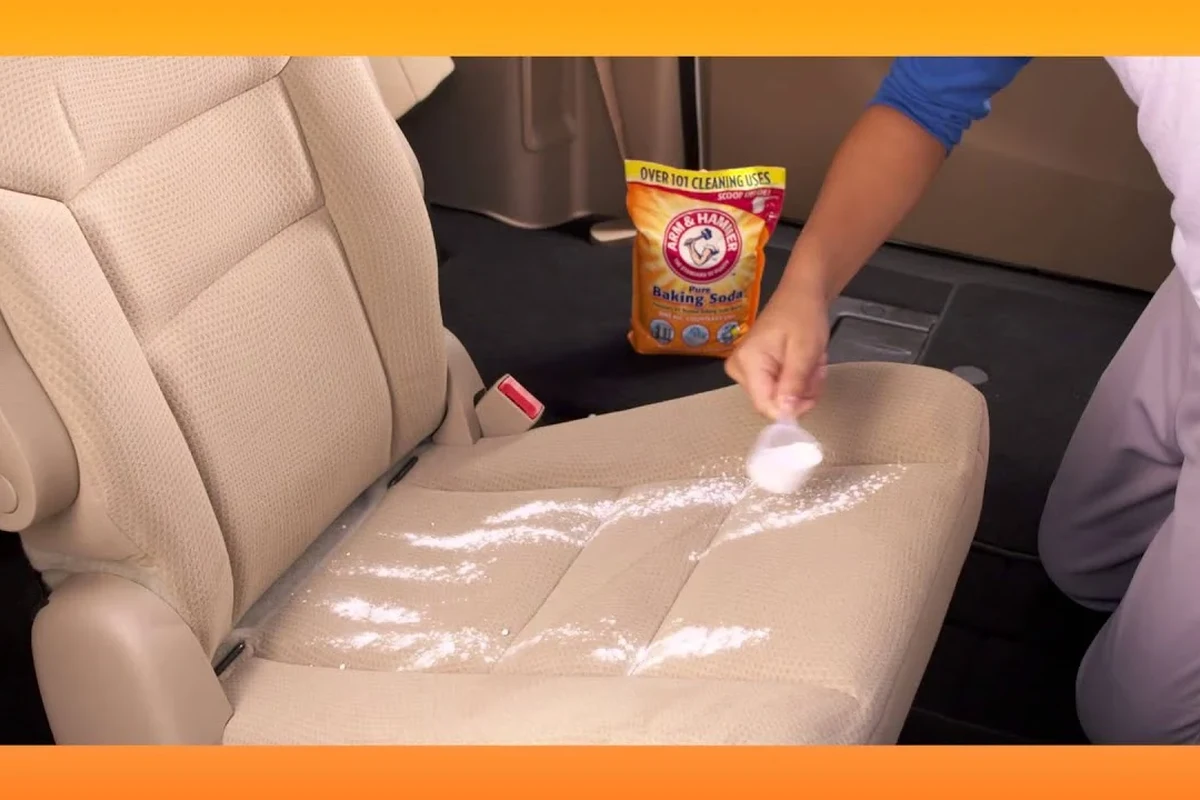
Baking soda is useful in a car because it can help absorb and reduce odors that linger in porous materials. In a closed vehicle, smells often settle into carpet fibers, seat fabric, and trunk liners, which is why a light powder treatment can make a real difference.
It is not a magic cover-up, though. If the smell is caused by mold, a soaked spill, smoke buildup, or a leak that keeps returning, baking soda may improve the air for a while but will not solve the source problem.
Common odor sources in cars, from food spills to damp carpets
Most car odors come from everyday messes. Fast-food grease, spilled drinks, wet shoes, pet hair, old gym bags, and damp floor mats can all leave behind a stale smell.
Some odors are less obvious. Moisture trapped under mats, crumbs under seats, and spilled liquids in seams can keep feeding the smell long after the original spill looked dry.
How baking soda neutralizes smells instead of masking them
Baking soda helps by interacting with acidic odor compounds and by absorbing some of the smell molecules in the air and on surfaces. That is why it is often used in laundry and other cleaning jobs where odors cling to fabric, much like the approach discussed in baking soda in laundry benefits.
It does not add a perfume layer over the odor. Instead, it can reduce the intensity of the smell so the interior feels cleaner after vacuuming and airing out.
When baking soda is effective and when stronger cleaning is needed
Baking soda is most effective on mild to moderate odors that live in fabric and carpet. It is a good low-cost first step when the car smells stale, slightly musty, or like old food.
For smoke, mildew, pet accidents, or repeated liquid spills, you usually need source cleanup first. In those cases, baking soda can be part of the routine, but it should not be the only step.
Think of baking soda as an odor helper, not a substitute for cleaning. If you can still feel stickiness, dampness, or residue, clean that area first.
Best Ways to Use Baking Soda for Car Odor Removal
The best method depends on where the smell is coming from. For most interiors, a controlled sprinkle on fabric surfaces, followed by time to sit and a thorough vacuum, gives the most practical result.
Sprinkling on carpets and upholstery: coverage, wait time, and vacuuming
Use a light, even layer over the affected fabric area. You do not need a heavy pile of powder; too much can settle deep into fibers and become hard to remove later.
Let it sit long enough to work into the odor source, then vacuum slowly with a crevice tool and upholstery attachment if you have one. A careful pass matters because loose powder hiding in seams can reappear when the car warms up.
Using baking soda in fabric seats, floor mats, and trunk spaces
Fabric seats and carpeted floor mats are the best targets because they hold odor inside their fibers. Trunk liners and cargo areas are also common problem spots, especially if groceries, sports gear, or damp items have been carried there.
Remove loose mats when possible so you can treat both sides and clean underneath. If the trunk has a fabric liner, treat it the same way you would a carpeted seat area: light coverage, wait, vacuum, and repeat if needed.
Placing open containers safely for ongoing odor control
An open container of baking soda can help with ongoing odor control in a parked car, especially if the smell is mild and you want a simple maintenance option. Keep the container stable so it does not tip over during driving.
This method works best for general freshness, not for strong spills. It is more of a background deodorizing step than a deep-clean solution.
Combining baking soda with ventilation for better results
Fresh air helps remove odor compounds that baking soda has loosened or absorbed. Open the doors or windows when weather allows, and let the interior air out before and after treatment.
Ventilation is especially helpful after vacuuming. If the car still smells closed-in, use airflow first and then repeat the treatment instead of adding more powder right away.
If you are also dealing with a lingering smoke smell, a separate smoke-focused cleaning plan may work better. See baking soda for smoke odors for a more targeted approach.
Step-by-Step Cleaning Areas That Hold the Most Smell
The strongest odors usually hide in places that are easy to overlook during a quick vacuum. Focus on seams, under mats, and small storage areas first, because those spots often trap crumbs, moisture, and residue.
Seat cushions and seams where crumbs and moisture collect
Seat seams collect tiny food particles and dust that can hold odor. If the seats are fabric, work the baking soda lightly into the surface and let it sit before vacuuming.
Use a soft brush attachment or a handheld vacuum nozzle around the seams. Be gentle so you do not push the powder deeper into the stitching.
Carpeted floors and under-mat buildup
Carpeted floors are one of the biggest odor traps in a vehicle. When floor mats stay in place for a long time, moisture and dirt can collect underneath and create a musty smell.
Lift the mats, treat the carpet beneath, and clean the mats separately. If the mats are rubber, baking soda is less useful on the mat itself than on the carpet area below it.
Trunk liners, cargo areas, and storage pockets
Trunk liners and cargo spaces often hold odors from bags, pet crates, sports gear, or groceries that leaked. Storage pockets in doors and seat backs can also trap wrappers, tissues, and crumbs.
Empty these areas fully before treating them. Odor control works better when the source items are removed, not just covered with powder.
Cup holders, vents, and hidden spill zones
Cup holders are common spill zones, but they need more than a sprinkle of baking soda if liquid has dried inside. Wipe them clean first, then use a dry deodorizing step only after the area is no longer wet.
Air vents can carry odor through the cabin, but do not pour powder into them. For vents, use vacuuming, careful wiping, and fresh airflow instead.
Do not apply baking soda to wet surfaces and leave it there. Moisture can turn powder into paste, make cleanup harder, and sometimes trap the smell instead of reducing it.
How Much Baking Soda to Use and How Long to Leave It In Place
There is no single exact amount that fits every car. The right dose depends on how large the odor area is, how strong the smell is, and how porous the material feels.
Light odor control versus strong odor cleanup
For light odor control, a thin dusting is usually enough. For stronger smells, you may need a slightly heavier but still even layer, followed by a longer wait time and careful vacuuming.
Do not assume more powder means better results. A thick layer often creates more cleanup work without improving odor removal.
Typical dwell times for fresh, moderate, and stubborn smells
Fresh odors may improve after a short sit, while moderate smells often need several hours. Stubborn odors usually need a longer treatment, plus a second cleaning pass after the first vacuum.
If you are unsure, start with a modest dwell time and check the result. It is easier to repeat a treatment than to remove excess powder packed into fabric.
Signs the treatment needs repeating
If the car still smells stale after vacuuming and airing out, the source is probably still present. A lingering odor in one seat, one mat, or the trunk usually means there is a missed spill or damp area.
Repeat the process after cleaning the source spot more carefully. If the smell returns quickly, look for moisture or hidden residue rather than adding more baking soda alone.
Why too much powder can create cleanup problems
Heavy powder use can settle into seams, around seat rails, and into carpet fibers. That makes the interior look dusty and can leave a chalky feel underfoot.
It can also clog vacuum attachments if the powder is loose and deep. A lighter application is usually safer and easier to manage.
Baking soda is sodium bicarbonate, a mild alkaline powder. That is part of why it can help reduce certain acidic odors instead of just covering them up.
Common Mistakes That Make Car Odors Come Back
The biggest reason odors return is simple: the source was never fully removed. Baking soda can help the air smell better for a while, but if crumbs, moisture, or spill residue remain, the smell often comes back.
Skipping the source cleanup before deodorizing
If a drink spilled under a seat or food fell into a seam, deodorizing alone will not be enough. Clean or blot the area first, then use baking soda once the surface is dry.
This order matters because odor compounds cling to residue. Remove the residue, and the deodorizer has a much better chance of working.
Using baking soda on wet surfaces without drying first
Wet fabric can turn baking soda into a damp paste. That can be harder to vacuum and may leave a residue line behind.
Dry the area as much as possible with towels, airflow, or time before applying powder. For dampness issues, moisture control comes first.
Leaving residue in seams, vents, and carpet fibers
Seams and carpet edges hold powder more easily than flat surfaces. If you rush the vacuuming step, the leftover residue can make the car feel dusty and unfinished.
Use a crevice tool and slow passes to pick up hidden powder. Good cleanup is part of the odor removal process, not an extra step.
Ignoring smoke, mildew, pet, or food odors that need deeper treatment
Some odors are chemically stubborn or tied to contamination. Smoke can cling to headliners and fabric, mildew often points to moisture, and pet odors can require enzyme-based cleaning or professional detailing.
For those jobs, baking soda can support the cleanup but should not be the only method. If the odor is strong enough to notice immediately when you open the door, you likely need a deeper plan.
The car smells clean for a day, then the odor returns.
Look for a hidden source such as damp carpet, spilled food in seams, or residue under mats. Clean that spot first, then repeat the baking soda treatment after it dries.
Safety, Surface Care, and Limitations for Interior Materials
Car interiors use a mix of fabric, leather, vinyl, plastic trim, and electronics. Baking soda is generally most useful on fabric and carpet, but it should still be used carefully.
How baking soda interacts with fabric, leather, vinyl, and plastic trim
Fabric and carpet usually tolerate baking soda better than smooth surfaces because the powder can sit on the fibers and be vacuumed away. Leather, vinyl, and plastic trim can show residue more easily, so treat those surfaces cautiously.
For smooth materials, a dry wipe or a cleaner approved by the manufacturer may be a better choice. Baking soda is not the best all-purpose cleaner for every interior surface.
Testing small areas before full application
Always test a small hidden area first if you are unsure how the material will react. This is especially helpful on older interiors, dyed fabrics, or delicate trim.
If the test area shows dulling, rubbing marks, or residue that is hard to remove, stop and choose a different method. A small test can prevent a larger cleanup problem.
Avoiding damage to electronics, touchscreens, and air vents
Do not let loose powder drift into buttons, charging ports, touchscreens, or vent openings. Fine particles can be difficult to remove from electronics and may cause problems over time.
Use a controlled application and keep powder away from exposed controls. If an area has sensitive electronics nearby, clean it with a dry cloth or a manufacturer-approved interior product instead.
When to stop DIY cleaning and consider professional detailing
If the odor comes from flood damage, heavy smoke exposure, mold, or repeated pet accidents, professional detailing may be the smarter next step. Those situations often involve deep contamination that surface deodorizing cannot fix.
When in doubt, follow the vehicle maker’s interior-care guidance and consider a detailer who understands odor source removal. That is especially important if the smell keeps returning after repeated cleaning.
Keep baking soda away from kids, pets, and open food containers in the car. If you use any liquid cleaner with it, make sure the area is dry before driving so surfaces do not become slippery.
Practical Odor-Removal Routines for Different Car Scenarios
Different smells need different priorities. The right routine is usually less about fancy products and more about removing the source, drying the area, and then using baking soda where it can actually help.
After fast-food spills and snack crumbs
Vacuum first, then wipe any sticky area with a suitable interior cleaner. Once the surface is dry, sprinkle baking soda lightly on the fabric or carpet area that still smells stale.
For crumbs in seams, use a narrow vacuum tool or a soft brush to lift debris before deodorizing. This is one of the best uses for baking soda because food odors are often tied to small leftover particles.
After wet-weather dampness or musty smells
Remove mats, dry the area, and check for trapped water under the floor mats. If the smell is musty, do not skip the drying step, because moisture is usually the real problem.
Once the area is dry, use baking soda on the carpet and trunk liner. If the odor returns after rain, inspect for leaks or poor drainage.
After pet rides and hair buildup
Pet hair holds odor and can keep shedding into the interior. Vacuum thoroughly first, including seams and cargo areas, before using baking soda on fabric surfaces.
If there was an accident, clean the spot fully and let it dry before deodorizing. Pet odors often need more than a simple powder treatment, especially on older upholstery.
After smoke exposure or long-term stale odors
Smoke and long-term stale smells usually need a layered approach. Start with a deep vacuum, wipe hard surfaces, and air the car out before using baking soda on soft materials.
Because smoke can settle into the headliner, seat foam, and vents, you may need repeated cleaning sessions. If the smell is strong, targeted smoke cleanup is usually more effective than a single deodorizing pass.
For a related cleaning method that sometimes helps with stubborn interior odors, see baking soda and vinegar reaction explained simply. Use caution, though, because not every car surface should be exposed to liquid mixtures.
Final Recap: Choosing the Right Baking Soda Approach for a Fresher Car
Baking soda is a smart, low-cost way to tackle mild to moderate car odors, especially when the smell lives in carpet, fabric seats, trunk liners, or floor mats. It works best when you clean the source first, apply the powder lightly, and vacuum it out carefully.
Best-use cases for baking soda as a low-cost odor fix
Use it for food smells, general stale air, light dampness, and everyday fabric odor control. It is most helpful when the interior is otherwise clean and dry.
When a deeper cleaning plan is the smarter next step
If the odor is caused by smoke, mildew, pet accidents, or repeated spills, a deeper cleaning plan is usually needed. In those cases, baking soda can support the process, but it should not be the only tool.
How to maintain a fresher ride over time
Vacuum regularly, dry wet mats quickly, remove trash often, and address spills right away. A little maintenance goes a long way, and it keeps baking soda car odor treatments from becoming a repeated emergency fix.
For the best long-term result, combine odor control with habit changes: empty the car weekly, dry moisture quickly, and treat spills before they settle into the fabric.
Frequently Asked Questions
It depends on the smell strength and where it is coming from. Light odors may improve after a short sit, while stronger odors often need several hours and a repeat treatment.
It can help reduce some smoke odor, but it usually will not remove heavy smoke on its own. Smoke often needs deep cleaning of fabric, vents, and hard surfaces first.
It is generally best for fabric seats and carpet, but use a light layer and vacuum it thoroughly. Test a small hidden area first if the material is delicate or older.
Remove crumbs, wipe sticky spills, and dry any damp spots first. Baking soda works better after the odor source has been cleaned or blotted away.
It can leave residue if too much is used or if it gets into seams and electronics. Avoid applying it near touchscreens, vents, and other sensitive parts.
If the smell comes from mold, flood damage, heavy smoke, or repeated pet accidents, professional detailing may be the better option. Those problems often need deeper source removal than baking soda can provide.
