
Baking Soda Vinegar Rust Remover for Easy Rust Removal

Baking soda and vinegar can help loosen light rust on small metal items, but they are not a cure for deep corrosion. Dry the item completely after cleaning, or rust can return quickly.
Baking soda vinegar rust remover is a simple DIY method for light rust on small metal items, but it works best when you understand its limits. The mix can help loosen surface rust and grime, then make it easier to scrub away what is already weak and flaky.
- Best use: Light surface rust on small plain metal items.
- Main limit: Deep pitting and heavy corrosion usually need a stronger method.
- Safety first: Avoid coated, plated, or electronic items unless the surface is clearly compatible.
- Success factor: Scrub gently, rinse well, and dry completely to prevent flash rust.
- Prevention: Store metal in dry conditions and maintain it regularly.
How Baking Soda and Vinegar Actually Affect Rust
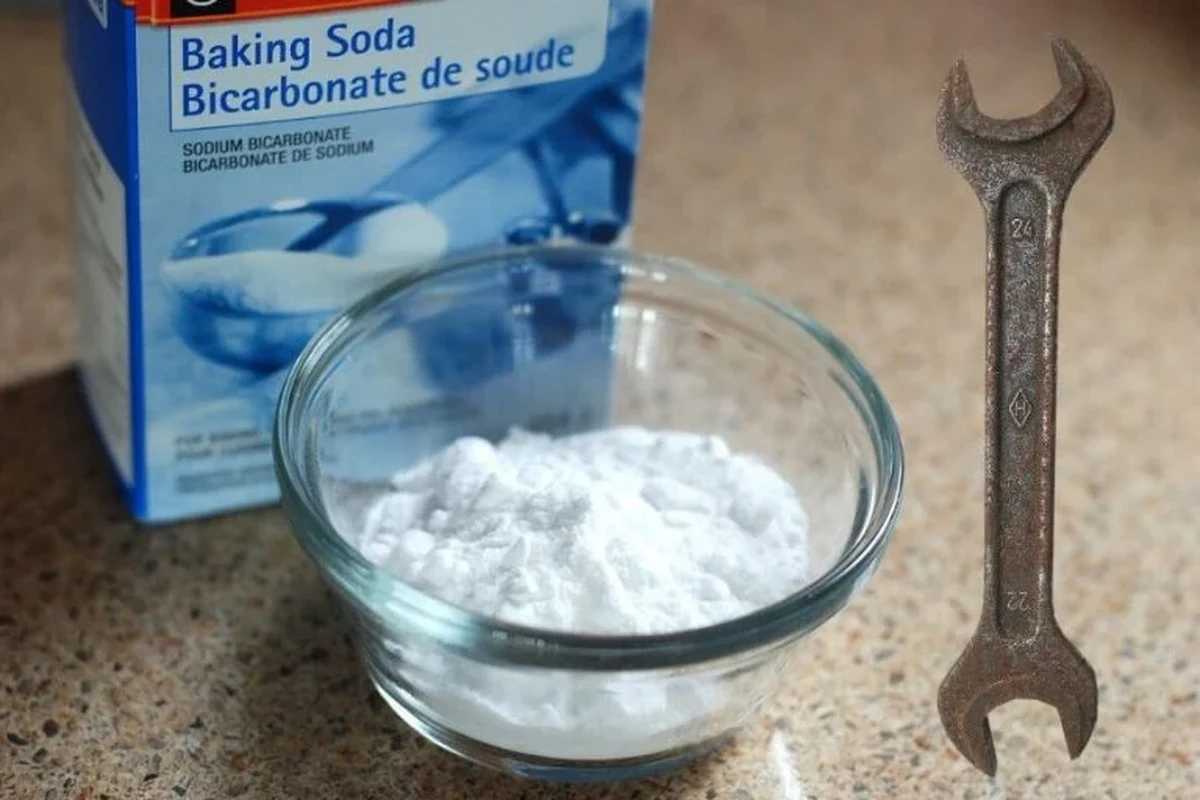
Rust is iron oxide, which forms when iron or steel reacts with oxygen and moisture. Vinegar is acidic, so it can help break down some surface rust and loosen buildup, while baking soda can act as a mild abrasive and help lift residue during scrubbing. For a simple science breakdown of the fizz and why it happens, see our reaction explained simply guide.
Why the fizz happens and what it does to iron oxide
When vinegar and baking soda meet, they react and release carbon dioxide gas, which causes the bubbling. That fizz looks dramatic, but it is not the main rust-removal force. The real help comes from the acid softening surface oxidation and the baking soda helping with gentle scrubbing and cleanup.
Fizzing does not mean the rust is fully gone. It usually means the ingredients are reacting, not that deep corrosion is being dissolved all at once.
When this method works best on light surface rust
This method is most useful on light orange rust, water spots that have started to oxidize, and small patches on tools or hardware. It can also help when rust is mixed with grease, dust, or old residue. If the metal still feels mostly smooth and the rust has not eaten into the surface, you have a better chance of improvement.
Common misconceptions about “dissolving” heavy rust
Many people expect vinegar and baking soda to erase thick rust the way a strong commercial rust remover might. In reality, heavy rust often needs longer soaking, repeated mechanical scrubbing, sanding, or a different product altogether. Deep pitting usually means the metal itself has already been damaged, so no cleaner can restore the lost material.
What You Need Before You Start the Rust Removal Process
Before you begin, gather a few basic items so you can work quickly and keep the metal from staying wet too long. If you are already comfortable with household cleaning mixes, this is similar in spirit to our baking soda vinegar cleaning ovens approach: use a simple paste or soak, then remove residue fully.
Choosing the right vinegar strength and baking soda amount
Plain white vinegar is usually the most practical choice because it is inexpensive and consistent. Household vinegar strength can vary by brand and region, so check the label rather than assuming one bottle matches another. Use enough baking soda to form a paste if you are spot-treating, but avoid piling on so much that the mixture becomes dry and crumbly before it can work.
Helpful tools: brush, microfiber cloth, container, gloves, and drying supplies
A soft brush helps remove loosened rust without gouging the metal. A microfiber cloth is useful for wiping away slurry and drying the item afterward. Gloves are smart if you have sensitive skin, and a separate dry towel helps prevent flash rust after rinsing.
- Test the item on a small hidden spot if you are unsure about the finish
- Set up a well-ventilated work area
- Keep a dry towel ready before you rinse
- Use a container that is large enough to fully contact the rusted area
Which metal items are safe to test and which should be avoided
Small steel tools, uncoated hardware, and plain metal decor pieces are usually the safest candidates for testing. Avoid items with delicate plating, painted finishes, electrical parts, or mixed materials unless the manufacturer says the surface can handle vinegar. If you are uncertain, test a hidden corner first and stop if the finish changes color or starts to lift.
Do not use this method on electronics, battery compartments, or anything with sealed components. Moisture can cause damage even if the rust itself seems minor.
Step-by-Step Rust Removal Method for Small Household Items
Work slowly and keep the process controlled. The goal is to loosen surface rust, not to soak every metal item in the house.
Wash off grease, dust, and loose debris first so the vinegar can reach the rust. Dry the item enough that you are not trapping extra water under the mixture.
For spot treatment, spread a thin layer of baking soda paste over the rust and add a little vinegar, or soak the item in vinegar first and then scrub with baking soda. Cover the rusted area evenly and let it sit long enough to loosen the surface, but not so long that the metal is left neglected and wet.
Use a soft brush or cloth to lift the rusted residue. Rinse thoroughly, inspect the result, and repeat only if the metal is still sound and the finish is not being damaged.
Wipe the item dry right away and let it air-dry fully before storing it. If needed, use a clean towel or a low-heat drying method appropriate for the item.
Pre-cleaning the metal surface to remove grease and loose debris
Rust remover works better on a clean surface because grease can block contact. Loose dirt also makes you scrub harder than necessary, which can scratch the metal. A quick wash with mild soap and water, followed by thorough drying, is often enough before you begin.
Soaking or applying the mixture: timing and coverage tips
For small items, full soaking in vinegar may be easier than trying to brush on paste. For larger spots, a paste can stay in place better. Either way, make sure the rusted area stays in contact with the mixture long enough to soften, but do not assume longer is always better; extended wet exposure can create more rust later if the item is not dried properly.
Scrubbing, rinsing, and repeating without damaging the metal
Use light pressure first. If the rust comes off in orange-brown residue, you are on the right track. If the surface starts to look scratched, stop and switch to a softer brush or a different method.
Drying completely to prevent flash rust from returning
Flash rust can appear quickly on bare metal after washing, especially in humid kitchens or garages. Dry every crevice, seam, and screw head before storing the item. If the object is a tool, a light protective oil can help after it is fully dry, as long as that is appropriate for the item.
Keep vinegar away from open flames, and never mix it with bleach or other cleaners. If you are cleaning near food prep areas, rinse the workspace well and keep utensils separate until they are fully cleaned and dried.
Best Use Cases and Realistic Results for Home Projects
This method is best for small, manageable projects where the rust is still on the surface. If you are cleaning tools or hardware, the result may be practical even if the item does not look brand new.
Kitchen tools, garden tools, hardware, and small decor pieces
Good candidates include metal tongs, old spatulas with rust spots, hand tools, screws, hinges, and small decorative items. Garden tools often benefit because the rust is usually on exposed surfaces and can be brushed away after soaking. For food-contact items, make sure the finish is intact and the item is safe for use after cleaning and complete drying.
Small rust spots on metal utensils can often be reduced if the item is plain metal and not coated.
Handles, blades, and edges with light oxidation are often better candidates than deeply corroded tools.
Examples of rust levels this method can improve versus not fix
It can improve light orange rust, thin film rust, and flaky surface oxidation. It may not fix deep brown scaling, pitting, or metal that is already weakened. If the rust returns immediately after drying, the item may need protection, storage changes, or a stronger treatment.
How to tell when a stronger rust remover is the better choice
If scrubbing barely changes the surface after repeated attempts, the rust is probably beyond what a simple DIY mix can handle. Stronger commercial removers, rust converters, or mechanical methods may be more appropriate for heavy corrosion. For comparison, think of this as a gentle cleaning step rather than a restoration process for badly damaged metal.
Common Mistakes That Make Rust Removal Less Effective
Most failures come from either using too much product, not enough contact time, or not drying the item afterward. A careful process usually works better than a stronger-looking one.
- Use a thin, even layer or a controlled soak
- Scrub gently and inspect often
- Dry the item right away
- Leaving the metal damp for hours
- Using harsh force on plated surfaces
- Assuming fizzing alone means the rust is gone
Using too much baking soda and weakening the cleaning action
Too much baking soda can turn the mixture into a thick paste that does not spread well or reach the rust evenly. It can also leave more residue to rinse off later. A thin, workable layer is usually better than a heavy mound.
Leaving metal wet after treatment
Wet metal rusts again quickly, especially if the air is humid. This is one of the most common reasons people think the method failed. The cleaning may have worked, but the item was never fully dried or protected afterward.
Expecting vinegar to restore pitted or deeply corroded surfaces
Once rust has eaten into the metal, the missing surface is gone. Vinegar can loosen corrosion, but it cannot rebuild the metal itself. If the item feels rough, thin, or structurally weak, replacement may be the safer choice.
Scrubbing too aggressively on plated or coated items
Chrome plating, paint, enamel, and other coatings can scratch or peel if you use too much pressure. Once the coating is damaged, rust can spread faster underneath or around the damaged area. Gentle pressure and a hidden-spot test are the safest approach.
Safety, Surface Compatibility, and Cleanup Considerations
Even a simple household mix deserves basic care. Vinegar can irritate skin and eyes, and rust residue can be messy on counters and sinks.
Protecting skin, countertops, and nearby finishes during use
Wear gloves if your skin is sensitive, and avoid letting vinegar sit on stone, wood, or delicate finishes. Wipe spills quickly with water and a clean cloth. If you are working on a kitchen counter, keep the item on a tray or disposable layer so the residue does not spread.
Why some metals, coatings, and electronics should not be treated this way
Aluminum, plated finishes, and mixed-material items can react unpredictably. Electronics should be kept completely out of the process because moisture and residue can cause permanent damage. When in doubt, follow the manufacturer’s care instructions instead of guessing.
Safe disposal of residue and proper ventilation in small spaces
Rinse residue down the drain with plenty of water if local guidance allows it, and wipe up any loose rust particles before they spread. Work with a window open or a fan on if the smell is strong in a small room. If you are also cleaning drains or other household areas with vinegar-based methods, use separate tools and never combine cleaners.
Prevention Tips to Keep Rust from Coming Back
The best rust remover is good prevention. Once the item is clean, a few simple habits can slow future corrosion.
Drying, oiling, and storing metal tools correctly
Dry tools immediately after washing or using them in damp conditions. For items like hand tools, a light protective oil can help if the manufacturer or common tool-care practice allows it. Store metal items in a dry place instead of leaving them in wet sinks, garages, or outdoor bins.
Humidity control for kitchens, garages, and workshops
Rust grows faster where moisture lingers. In kitchens, avoid storing metal items near sinks or dishwashers if they stay damp. In garages and workshops, better airflow, dehumidifiers, or sealed storage can make a noticeable difference over time.
Routine maintenance habits that reduce future rust buildup
Check metal items regularly for early orange spots, especially after seasonal humidity changes. Wipe them down before rust spreads, and treat small patches early while they are still easy to remove. This kind of maintenance is much simpler than dealing with heavy corrosion later.
Final Verdict: When Baking Soda and Vinegar Rust Remover Is Worth Using
For light surface rust on small metal items, baking soda vinegar rust remover is worth trying because it is inexpensive, easy to mix, and useful for loosening buildup. It is not a miracle fix for heavy corrosion, pitting, or damaged coatings, and it works best when you clean, scrub gently, and dry the item completely afterward.
Recap of the method’s strengths, limits, and best-fit scenarios
Use it when the rust is mild, the item is small, and you want a simple first step before moving to stronger options. Skip it when the metal is delicate, coated, electronic, or badly corroded. If you want a deeper understanding of why ingredient combinations behave differently, you may also find our vinegar and baking soda benefits article useful for broader household context.
How to decide between a DIY rust fix and a commercial product
Choose the DIY route for light rust, small tools, and low-risk household items. Choose a commercial remover or a more specialized method when the rust is thick, the item is valuable, or the surface must stay perfectly intact. If you are unsure, test the smallest possible area first and stop if the finish begins to change.
Baking soda and vinegar can help with light rust, but only when you treat it as a gentle cleaning method, not a full restoration solution. For small household projects, it is a practical first try; for deep corrosion, a stronger product or replacement is usually the better call.
Frequently Asked Questions
It can help loosen light surface rust and make scrubbing easier. It is not usually strong enough to remove heavy corrosion or deep pitting.
Soaking works well for small plain metal items, while a paste is better for spot treatment. The best choice depends on the item size, finish, and how much rust is present.
Use caution because coatings and plating can scratch, peel, or discolor. Test a hidden spot first, or avoid the method if the manufacturer does not recommend vinegar.
Dry the item completely, store it in a dry place, and use a light protective oil when appropriate. Reducing humidity also helps slow future rust buildup.
The rust may be too deep for a DIY mix. At that point, a stronger commercial rust remover, sanding, or replacement may be the better option.
Yes, if you keep the process controlled, rinse surfaces well, and keep the item separate from food until it is fully cleaned and dried. Never mix vinegar with bleach or other cleaners.