
Baking Soda for Carpet Stains Easy Cleaning Tips

Baking soda can help with fresh carpet stains by absorbing moisture and reducing odor, but it is not strong enough for every mess. Use it after blotting, keep the layer thin, and switch to a stain-specific cleaner if the spot is old or stubborn.
Baking soda can be a simple, low-cost way to help with carpet stains when the spill is fresh, light, or still holding odor. It is not a miracle cleaner, but used the right way, it can support blotting, deodorizing, and drying without making the problem worse.
- Best use: Baking soda works well on fresh, light carpet spills and odors.
- First step: Always blot before applying anything to the stain.
- Main limit: Old, deep, or dyed stains usually need a stronger cleaner.
- Safety point: Test first on delicate or color-sensitive carpet.
- Cleanup tip: Use a thin layer and vacuum thoroughly to avoid residue.
Why Baking Soda Works on Carpet Stains
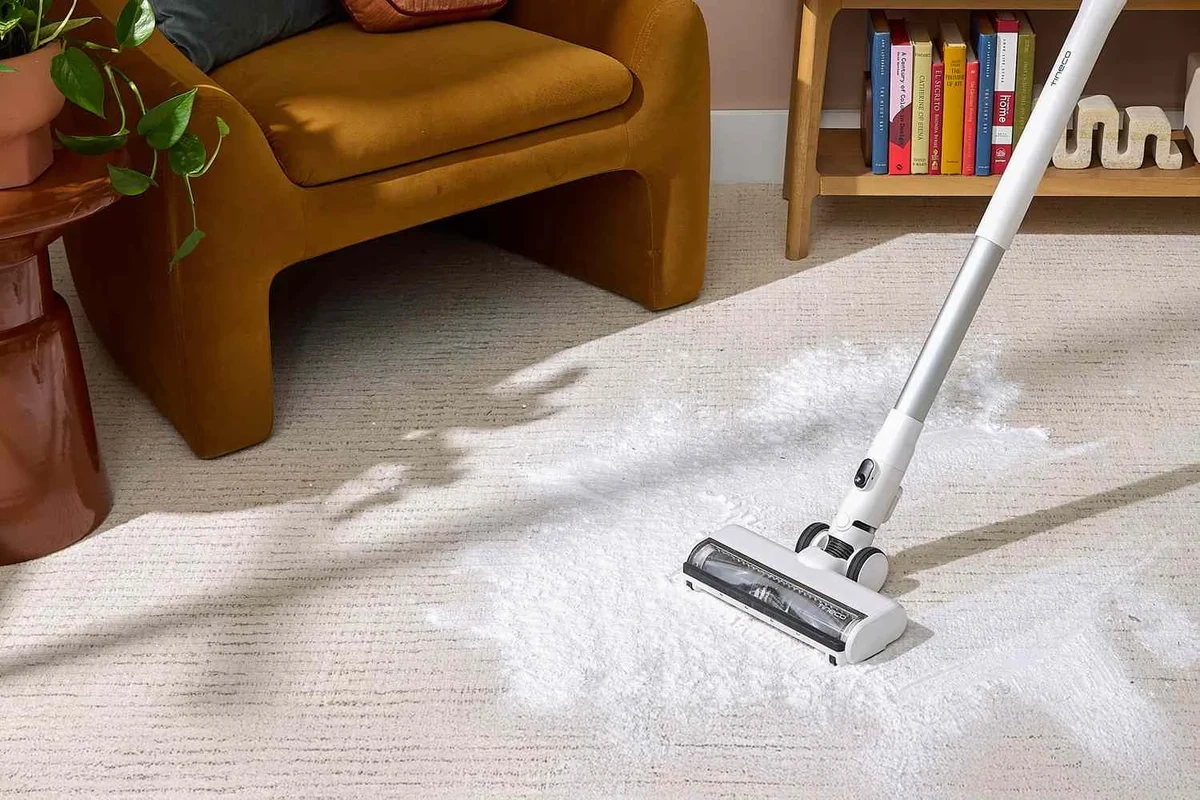
Baking soda is mildly alkaline and absorbent, which makes it useful for pulling in moisture and helping neutralize some odors. On carpet, that means it can help lift light residue from the surface and reduce the smell left behind by spills, pet accidents, or damp fibers.
How baking soda helps lift odors, moisture, and light residue
When you sprinkle baking soda on a damp spot, it can draw in some of the liquid sitting near the carpet fibers. As it dries, it may also help loosen fine residue so vacuuming removes more of the mess. This is especially helpful after blotting, when the carpet is already mostly dry but still smells or feels slightly sticky.
Baking soda is often more useful as an odor helper and drying aid than as a true stain remover. For deeper discoloration, you usually need a spot cleaner or a full carpet-cleaning method.
What kinds of stains it can and cannot handle well
Baking soda works best on fresh spills, light surface stains, and odors from moisture or food residue. It may help with coffee, wine, grease, and pet accidents when used early and followed by proper cleaning.
It is much less effective on old set-in stains, dyes that have bonded to the fiber, or stains that have soaked into the carpet pad. In those cases, baking soda alone usually will not restore the carpet fully.
Before You Start: Check the Carpet and the Stain
Before using any cleaning method, look at the carpet fiber, the stain type, and how long the spill has been there. A quick check can prevent fading, over-wetting, or pushing the stain deeper into the backing.
Fiber type, dye stability, and hidden moisture risks
Some carpets are more sensitive than others. Wool, silk blends, and certain dyed or patterned carpets can react badly to moisture, acidic cleaners, or strong scrubbing, so test in a hidden spot first.
If the carpet already feels damp underneath, be careful. Excess moisture can reach the pad and slow drying, which raises the risk of mildew or lingering odor.
If you are unsure about the carpet fiber or dye stability, check the manufacturer’s care instructions before using baking soda, vinegar, peroxide, or any spot treatment.
Fresh spills vs. set-in stains: why timing changes the method
Fresh spills are easier because the stain has not fully bonded to the fibers. In that case, blotting first and using baking soda afterward can help manage both moisture and smell.
Set-in stains need more than a sprinkle. They often require a cleaner that can break down the stain itself, not just dry the surface.
Step-by-Step Method for Treating Carpet Stains with Baking Soda
The safest approach is to remove as much liquid as possible first, then use baking soda to absorb remaining moisture and odor. Work slowly so you do not spread the stain or drive it deeper into the carpet.
Blotting, sprinkling, waiting, and vacuuming in the right order
Press a clean cloth into the spill to absorb as much liquid as possible. Do not rub, because rubbing can spread the stain and rough up the carpet fibers.
Cover the affected area with a thin, even layer. You want enough to absorb moisture, not so much that it cakes into the pile.
Allow the baking soda to rest until it dries and starts to clump or look dusty. The exact time depends on how wet the carpet is, but the goal is full surface drying.
Vacuum the area slowly in several directions to remove the powder. If needed, repeat with a fresh light layer rather than piling on more at once.
For many light spills, a second round of blotting and baking soda works better than one heavy application. Thin layers dry faster and are easier to vacuum cleanly.
When to use a paste instead of dry baking soda
Dry baking soda is best for damp residue and odors. A paste can help when you need a little more contact time on a small stain, but it should still be used carefully.
To make a simple paste, mix a small amount of baking soda with a few drops of water until it is spreadable, not runny. Dab it onto the stain, let it sit briefly, then lift it with a damp cloth and blot dry.
Do not soak the carpet with paste or liquid cleaner. Too much water can push the stain into the backing and make drying much harder.
Practical example: coffee, wine, grease, and pet accident cleanup
For coffee or wine, blot first, then use baking soda after most of the liquid is gone. The powder can help with lingering moisture and smell, but a stain-removing solution may still be needed if color remains.
For grease, baking soda can help absorb surface oil if you act quickly. For pet accidents, it may help with odor after the area has been blotted and cleaned, but enzyme cleaners are often a better match for biological messes.
Common Mistakes That Make Carpet Stains Worse
Many carpet problems come from cleaning too aggressively, using too much product, or mixing methods without checking how they interact. A careful approach usually gives better results than a stronger one.
Rubbing the stain, over-wetting the carpet, and using too much product
Rubbing can grind the stain deeper into the fibers and damage the texture. It may also leave the carpet looking fuzzy or worn even after the stain is gone.
Over-wetting is another common problem. If the carpet stays damp too long, the stain can wick back up as it dries, and the odor may return.
- Blot gently from the outside toward the center
- Use a light layer of baking soda
- Dry the area fully before walking on it
- Scrubbing hard with a brush
- Dumping on thick piles of powder
- Mixing in extra liquid without a plan
Mixing baking soda with the wrong cleaners or spot treatments
Baking soda can be paired with some cleaners, but not every combination is a good idea. If you add vinegar, the mixture will fizz, which can help loosen some residue, but it also creates a lot of bubbling and can be messy on carpet.
Be cautious with hydrogen peroxide, bleach, or strong commercial spot removers. These can discolor carpet fibers or damage backing materials if they are not compatible with your carpet type.
How to Improve Results for Tough or Old Stains
When a stain has set, baking soda is usually only part of the answer. It can still help with odor and moisture, but you may need a cleaner that targets the stain chemistry more directly.
Combining baking soda with vinegar, dish soap, or hydrogen peroxide safely
For light household stains, a small amount of mild dish soap in water can help break up greasy residue before you use baking soda to finish drying the spot. Keep the solution weak and use only enough to dampen the area lightly.
Vinegar is sometimes used for odor and mineral-like residue, but it should be tested first because some carpets dislike acidic cleaners. Hydrogen peroxide may help with certain organic stains, but it can lighten color, so it needs careful spot testing in an out-of-sight area.
- Can help absorb moisture and reduce odor
- Works well as a follow-up step after blotting
- Easy to find and inexpensive for home use
- Limited power on old or deeply set stains
- Can leave residue if overused
- May not be safe for every carpet type
Testing first and knowing when to stop before damaging fibers
Always test any cleaner, including baking soda mixtures, on a hidden corner or inside a closet edge if possible. Wait until the test area is fully dry so you can see whether the color changes or the texture feels rough.
If the stain is getting lighter but the carpet is starting to look worn, stop and switch methods. Pushing harder can do more damage than the stain itself.
Signs a stain needs professional carpet cleaning instead
If the stain is large, old, or has soaked into the pad, professional cleaning may be the better option. This is especially true if the carpet still smells after drying, or if the stain keeps returning after spot treatment.
Professional cleaning is also worth considering for delicate fibers, repeated pet accidents, or any area where mold or mildew may be forming. If the carpet has a warranty, check the care instructions before using stronger home treatments.
Safety, Cleanup, and Drying Tips for Home Use
Good cleanup matters as much as stain treatment. Residue left behind can make the carpet feel gritty, attract dirt, or leave a white haze after vacuuming.
Keeping pets, children, and sensitive surfaces protected
Keep pets and children away from the treated area until it is dry and vacuumed. Baking soda is common in homes, but it should still be kept out of reach in case someone tries to eat or inhale it.
If you are working near baseboards, wood trim, or metal furniture legs, avoid leaving wet cleaner in contact with those surfaces. Moisture can stain or warp nearby materials.
Preventing residue buildup and improving vacuum cleanup
Use only a thin layer of baking soda and vacuum slowly with overlapping passes. If you see powder still sitting between the fibers, tap the area lightly with a dry cloth before vacuuming again.
Too much baking soda can be difficult to remove and may leave a chalky look. A smaller amount, repeated if needed, is usually easier to clean up.
Drying the carpet fully to avoid mildew or odor return
Drying is one of the most important parts of the process. Open windows if weather allows, run a fan, or use the carpet cleaner’s dry setting if you are working with machine cleaning.
A carpet that feels cool or damp hours later needs more airflow. Lingering moisture is one of the main reasons odors come back after spot cleaning.
When Baking Soda Is the Right Choice and When It Is Not
Baking soda is best seen as a helper, not a complete stain solution. It shines when the main problem is odor, dampness, or a light surface spill that you catch early.
Best use cases for quick deodorizing and light stain management
Use baking soda for fresh spills, mild odors, greasy spots that are already blotted, and cleanup after a pet accident once the area has been treated. It is also useful when you want a low-drama first step before moving to a stronger cleaner.
For many homes, that makes it a practical first response. It buys time, reduces smell, and helps you assess whether the stain still needs more treatment.
Situations where enzyme cleaners or specialty products work better
For pet urine, enzyme cleaners usually work better because they target the organic residue that causes odor. For red wine, coffee, ink, or dye transfer, a specialty carpet spot remover may be more effective than baking soda alone.
If the stain is oily, protein-based, or deeply colored, use a product designed for that stain type. Matching the cleaner to the mess is usually the fastest way to protect the carpet.
Final Recap: Best Practices for Using Baking Soda on Carpet Stains
The best way to use baking soda for carpet stains is to start with blotting, apply a thin layer, let it dry, and vacuum thoroughly. It works best on fresh, light messes and as a deodorizing step after the main spill has been removed.
Choose the method based on the carpet fiber, the stain type, and how long the spill has been there. If the stain is old, large, or keeping its smell after cleaning, stop before you damage the carpet and move to a stronger cleaner or professional service.
For delicate carpets, persistent odors, or stains that may involve mold, dye transfer, or pet urine soaked into the pad, check the carpet manufacturer’s care guidance and consider professional cleaning.
Frequently Asked Questions
It can help with light surface residue, moisture, and odor, but it does not remove every stain by itself. Older or darker stains often need a spot cleaner or professional treatment.
It should sit until the area is dry enough to vacuum cleanly. The time depends on how wet the carpet is and how much powder you used.
Yes, but only carefully and on a small test area first. The fizz can help loosen some residue, but too much liquid can soak the carpet and make drying harder.
Baking soda is usually gentle, but too much of it can leave residue if it is not vacuumed well. Some delicate carpets may also react badly to added moisture from paste or mixed cleaners.
An enzyme cleaner is often better for pet stains because it targets the organic material that causes odor. Baking soda can still help with drying and odor after the area has been cleaned.
Call a professional if the stain is old, large, repeatedly returns, or seems to have reached the carpet pad. Delicate fibers and persistent odors are also good reasons to stop home treatment.