
Baking Soda Without Aluminum for Safer Baking and Cleaning

Baking soda without aluminum is usually plain sodium bicarbonate, and it works best when a recipe includes acid or when you need a light household cleaner. Read the label, measure carefully, and choose a different leavener or cleaner when the job calls for it.
Baking soda without aluminum is usually just plain sodium bicarbonate, sold for baking, deodorizing, and light cleaning. For home bakers, the label matters less than the ingredient list, but it still helps to know what you are buying and when it will actually work.
- Ingredient check: Look for sodium bicarbonate as the only ingredient if you want plain baking soda.
- Baking rule: Use it only when the recipe has enough acid to activate it properly.
- Cleaning limit: It helps with odors and light grime, but it is not a disinfectant.
- Storage tip: Keep it sealed and dry to prevent clumping and weak performance.
What “Baking Soda Without Aluminum” Means in 2026 and Why Shoppers Still Search for It
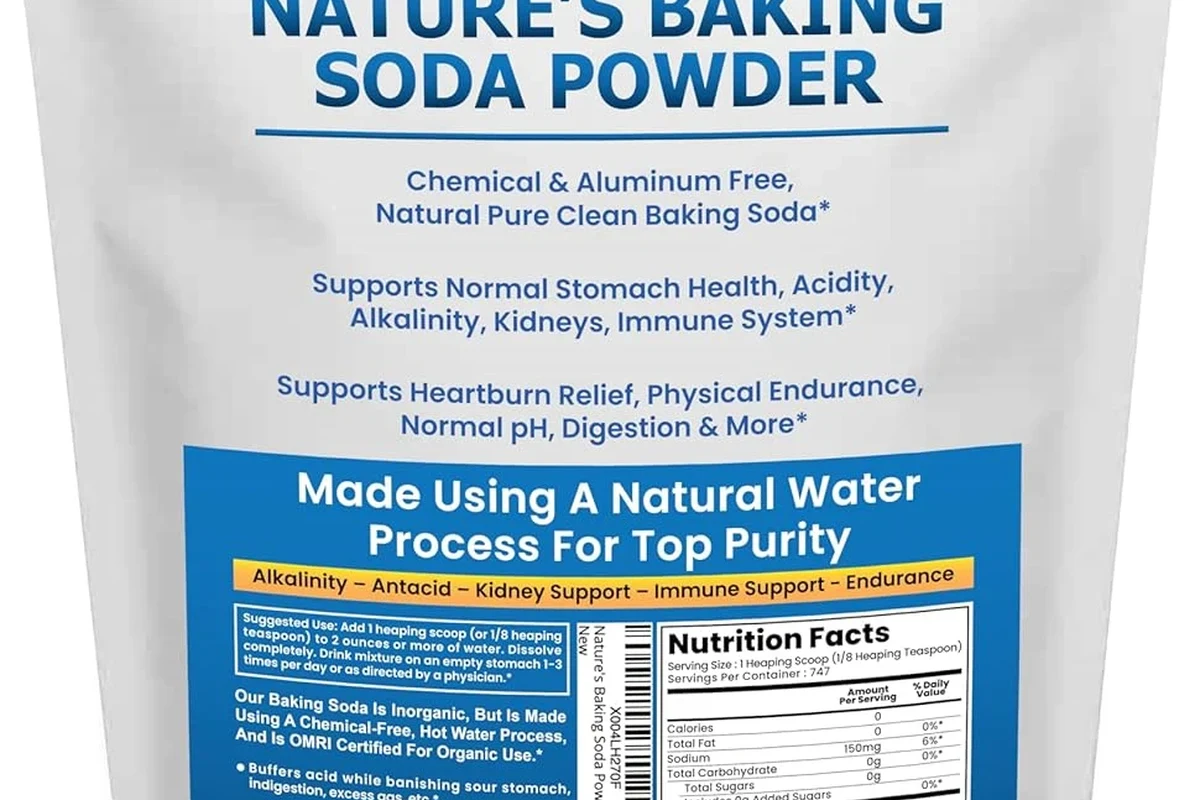
In most kitchens, “baking soda without aluminum” means a product that contains sodium bicarbonate and no added aluminum compounds. That is different from baking powder, which includes an acid and a starch, and different from specialty leaveners that are designed to react in a different way.
The phrase still appears in searches because shoppers want a simple, recognizable ingredient for baking, cleaning, and odor control. Some people also use the term because they have seen “aluminum-free” on packaging and want reassurance that the box is plain baking soda, not a blended product.
How aluminum-free baking soda differs from baking powder and other leaveners
Baking soda is a base that needs an acid to create carbon dioxide gas. That gas helps batters and doughs rise, but only if the recipe has enough acid from ingredients like buttermilk, yogurt, lemon juice, molasses, brown sugar, or natural cocoa.
Baking powder already contains both the base and the acid, so it can rise with just moisture and heat. If a recipe is written for baking powder, swapping in baking soda without adjusting the acid can leave a bitter, soapy taste and poor rise. If you want a deeper refresher on that swap, see our guide on using baking soda instead of baking powder safely.
Why the term persists in food, cleaning, and wellness searches
Many shoppers use the phrase because they want a short label that sounds clean and straightforward. In practice, the key question is not whether the box says “aluminum-free,” but whether the ingredient list shows only sodium bicarbonate and no extra additives.
The term also shows up in cleaning and personal-care searches because baking soda has a long history as a household deodorizer and gentle scrubbing powder. That does not make it a cure-all, but it does make it a useful pantry staple when used correctly.
Pure baking soda is sodium bicarbonate. If a product contains only sodium bicarbonate, it is already an aluminum-free baking soda product in the usual kitchen sense.
How to Read Labels and Verify You’re Buying Pure Sodium Bicarbonate
Label reading is the easiest way to avoid confusion. The safest habit is to check the ingredient statement first, then look for any added starches, fragrances, or cleaning boosters if you want a product for food use.
Ingredient lists, certifications, and packaging clues that signal aluminum-free products
A plain box for baking should list only sodium bicarbonate. If you are buying for a classroom pantry or a home baking station, that simple ingredient list is usually the clearest sign that the product is aluminum-free and suitable for recipe testing.
Packaging can also give clues. Boxes sold in the baking aisle often emphasize “pure,” “food grade,” or “sodium bicarbonate,” while cleaning products may mention deodorizing or household use more prominently. If you need a product for both baking and cleaning, the ingredient list still matters more than the front-of-box wording.
Common labeling mistakes and marketing claims to watch for
Do not assume “natural,” “eco,” or “fresh” means the product is pure baking soda. Those words may describe branding, scent, or packaging, not the actual ingredient list.
Also watch for baking powder products that are marketed near baking soda. They are not interchangeable. If you are comparing products for a baking school pantry, verify the exact ingredient statement on the package rather than relying on front-label claims.
For food use, choose a product labeled for baking or food use and check the ingredient list carefully. If a box is intended only for cleaning, do not assume it is suitable for recipes or internal use.
Best Uses in Baking: When Aluminum-Free Baking Soda Works and When It Does Not
In baking, aluminum-free baking soda works the same way as any pure baking soda: it reacts with acid and helps create lift, browning, and tenderness. The result depends on the recipe balance, not on the absence of aluminum alone.
How it reacts with acidic ingredients in cookies, cakes, muffins, and quick breads
When baking soda meets an acid, it starts producing gas quickly. That is why batters with buttermilk, sour cream, yogurt, vinegar, citrus juice, molasses, or natural cocoa often rise well and brown nicely.
In cookies, baking soda can encourage spread and a deeper caramel color. In cakes and muffins, it can help create a lighter crumb if the batter has enough acid to neutralize the soda. In quick breads, it often supports a tender, even rise, though the exact result depends on flour type, fat content, mixing time, and oven calibration.
Your cake tastes a little bitter or has a soapy edge.
The recipe may have too much baking soda for the available acid. Reduce the soda slightly, add an acidic ingredient if the formula allows it, or use baking powder where the recipe calls for a slower, more balanced rise.
Measurement guidance, substitution limits, and recipe balance examples
Measurement matters because baking soda is powerful. Even a small extra pinch can shift flavor, color, and texture, especially in delicate cakes and pastries.
A practical rule is to follow the formula exactly unless you understand the acid-base balance. For example, a muffin recipe with yogurt may support baking soda well, while a vanilla cake with no acidic dairy may need baking powder instead. If you are unsure, test one variable at a time so you can see whether the rise, crumb, and browning improve.
Ingredient brands, scoop size, humidity, and flour type can change results. A recipe that works in one kitchen may need a small adjustment in another, especially at higher altitude or in a very dry environment.
Common baking mistakes that cause flat, soapy, or overly browned results
One common mistake is using baking soda in a recipe that does not have enough acid. That can leave a metallic or soapy taste and a coarse crumb instead of a clean, even rise.
Another mistake is overmixing after the soda is added to a wet batter. Once the reaction starts, you want the batter in the oven promptly. Delays can let the gas escape before the structure sets, which leads to flatter baked goods and uneven browning.
If a recipe uses baking soda and an acidic ingredient, mix just until combined and bake soon after. Watch for the batter to look slightly aerated and for the finished item to spring back lightly when touched.
Cleaning and Deodorizing Uses Around the Kitchen and Home
Aluminum-free baking soda is also a practical household cleaner because it can help lift light residue, reduce odors, and loosen soft grime. It is not a heavy-duty degreaser, but it is useful for routine kitchen maintenance.
Practical examples for sinks, counters, drains, refrigerators, and bakeware
For sinks and counters, a small amount of baking soda on a damp sponge can help remove stuck-on food and dull residue. For refrigerators, an open box can help absorb odors over time, though it will not remove the source of the smell.
On bakeware, baking soda can help loosen browned bits when used with warm water and gentle scrubbing. It is also commonly used around drains and trash areas to reduce odors, and many readers pair it with vinegar in cleaning routines, such as the methods described in our article on cleaning drains with vinegar and baking soda.
Surface safety, abrasion concerns, and when not to use baking soda
Baking soda is mild, but it can still scratch soft or polished surfaces if rubbed aggressively. Be careful with aluminum pans, delicate glass, coated nonstick finishes, marble, and any surface the manufacturer warns against abrasive cleaners.
Do not use it as a fix for every stain. If a surface needs a manufacturer-approved cleaner, especially on specialty cookware or appliances, follow that guidance first. For oven cleaning, for example, some people use a baking soda paste, but the right method depends on the oven surface and the appliance manual.
Keep dry baking soda away from your eyes and do not inhale the powder cloud when scooping. If you are cleaning near food prep areas, rinse surfaces well before cooking again.
How to store opened boxes for freshness and effectiveness
Store baking soda in a cool, dry place with the box tightly closed or transferred to a sealed container. Moisture can cause clumping and make measuring less accurate, even if the product is still usable.
If you use baking soda for both baking and cleaning, it helps to keep separate containers. That way, the baking container stays dry and uncontaminated by cleaning residue. For freshness checks, many home bakers also follow replacement guidance from trusted pantry references, such as our article on when baking soda expires.
Health, Safety, and Sensitivity Considerations for Everyday Use
When people say “safer,” they usually mean a product that is simple, familiar, and appropriate for everyday kitchen use. Baking soda is generally low-risk when used as directed, but it still has limits and should be handled with normal kitchen care.
What “safer” means in context: food use, skin contact, and inhalation precautions
For food use, “safer” mainly means choosing a plain ingredient with a clear label and using the correct amount. For skin contact, baking soda may be used in some household cleaning tasks, but sensitive skin can still dry out or react to repeated exposure.
For inhalation, avoid breathing in the powder, especially when measuring large amounts or sweeping it from a dry surface. Good ventilation helps in both baking and cleaning, and food safety guidance from the FDA and USDA remains the right reference for handling ingredients, sanitation, and cross-contact concerns.
Household scenarios where choosing a plain, aluminum-free product makes sense
A plain product makes the most sense when you want one pantry item for cookies, muffins, deodorizing, and light scrubbing. It is also helpful in baking classrooms because students can learn one ingredient’s behavior without worrying about hidden additives.
If you keep a school pantry or demo station organized, a labeled container of baking soda without aluminum can reduce confusion during lessons. That is especially useful when students are comparing leaveners and learning why a recipe rises, spreads, or browns the way it does.
Limits of baking soda claims and what it cannot do
Baking soda does not sanitize surfaces, remove all stains, or replace a proper cleaner when a job calls for one. It can help with odor and light soil, but it is not a disinfectant unless a product is specifically labeled and regulated for that purpose.
It also cannot fix a poorly balanced recipe by itself. If the batter lacks acid, too much soda can hurt flavor and texture instead of helping them. For odor problems, it may reduce smell temporarily, but it will not solve leaks, mold, or spoiled food.
- Simple ingredient for baking and cleaning
- Works well with acidic recipes
- Easy to store and measure
- Can taste bitter if overused
- Not a substitute for every cleaner
- Needs the right recipe balance to perform well
Comparing Brands, Box Sizes, and Buying Options for Home Bakers
Most plain baking soda products perform similarly, but small differences in texture, packaging, and freshness can matter in a busy kitchen. For baking schools and home bakers alike, consistency is usually more important than brand hype.
Fine powder texture, freshness, and clumping differences between brands
A finer powder can dissolve more evenly in batters and cleaning pastes, while a clumpy box may be harder to measure accurately. Clumping often points to moisture exposure rather than a bad product, although very old baking soda may deserve replacement.
If you notice a stale or dusty smell, or the product no longer reacts well in a simple acid test, it may be time to replace it. For recipe work, freshness matters because weak leavening can make tests hard to interpret.
Bulk versus small-box buying for baking schools, home kitchens, and cleaning kits
Small boxes are convenient for home kitchens and for keeping one container dedicated to food use. Bulk containers can make sense for baking schools, but only if they are stored dry, labeled clearly, and rotated regularly.
For cleaning kits, a separate container helps prevent cross-use confusion. That is especially important in teaching kitchens, where students may be moving between ingredient prep, dishwashing, and sanitation tasks.
Cost-per-ounce comparison and value factors beyond price
Price per ounce is useful, but it is not the only factor. You should also compare package size, storage space, ingredient purity, and how often you actually use the product.
A lower-cost bulk box can be a poor value if it absorbs moisture before you finish it. A smaller box may cost more per ounce but stay fresher for a home baker who only uses baking soda occasionally.
How Baking Pastry Schools and Home Bakers Can Use It in Daily Practice
In a teaching kitchen, the value of baking soda without aluminum is consistency. When everyone uses the same plain ingredient, it becomes easier to compare formulas, spot errors, and understand how acid, heat, and mixing affect the final result.
Classroom prep, demo stations, and pantry organization for ingredient consistency
Label the ingredient clearly and keep it in a dry, dedicated container. That reduces mix-ups with baking powder and keeps cleaning supplies away from food ingredients.
For demo stations, set out the soda beside the acidic ingredient it will react with, so students can connect the formula to the result. A visual lesson on batter lift, crumb, and browning is often more memorable than a list of definitions.
Measure the soda accurately, check the acid in the recipe, and preheat the oven fully.
Mix just until combined and bake promptly so the reaction supports rise before the structure sets.
Cool baked goods on a rack so steam can escape and the crumb can finish setting.
Recipe testing habits that help students understand leavening performance
When testing recipes, change one variable at a time. That could mean adjusting the acid level, the soda amount, the pan size, or the oven rack position, but not all four at once.
Students should also note sensory cues: batter thickness, smell, browning speed, spring-back, and crumb texture after cooling. Those observations help explain why one batch rises cleanly while another turns dense or overly browned.
Decision criteria for choosing the right product for baking versus cleaning
Choose baking soda without aluminum for recipes when you want a plain sodium bicarbonate product with no extra additives. Choose it for cleaning when you need a gentle deodorizer or light abrasive and the surface can handle it.
If you need a stronger rise without extra acid, baking powder is usually the better choice. If you need a true cleaner, sanitizer, or stain remover, another product may be more effective and more appropriate for the surface or task.
- Read the ingredient list before buying
- Match the leavener to the recipe’s acid level
- Store baking soda dry and sealed
- Using baking soda as a one-size-fits-all cleaner
- Substituting it for baking powder without adjustments
- Assuming “aluminum-free” means any special health benefit
Final Recommendation: When to Choose Baking Soda Without Aluminum and When to Look Elsewhere
Choose baking soda without aluminum when you want plain sodium bicarbonate for baking, deodorizing, or light cleaning. It is the best fit when the recipe contains acid, when you want a simple pantry ingredient, or when you need a gentle household scrub.
Best-fit scenarios for baking, cleaning, and odor control
It works well in cookies, muffins, quick breads, and cakes that already include acidic ingredients. It also makes sense for refrigerator odor control, sink freshening, and other light cleaning jobs where a mild abrasive is enough.
Situations where baking powder, citric acid, or another cleaner is the better choice
If the recipe needs lift without an acidic ingredient, baking powder is usually the better leavener. If you need a controlled acid reaction for a formula, citric acid or another recipe-specific ingredient may be more appropriate. And if the task is heavy grease, disinfection, or deep stain removal, choose a cleaner designed for that job instead of relying on baking soda alone.
For most bakers, the best approach is simple: buy a plain box, store it well, and use it where the recipe or cleaning task truly fits. That keeps your results more consistent and helps you avoid the common mistakes that lead to flat cakes, bitter flavors, or disappointing cleanup.
Baking soda without aluminum is a practical pantry staple when you need pure sodium bicarbonate for baking or light household use. It is not a universal solution, so match it to the recipe, surface, or cleaning job before you reach for it.
Frequently Asked Questions
Yes, in most kitchen and household uses, it means plain sodium bicarbonate with no added aluminum compounds. Always check the ingredient list to confirm the product is pure.
Not usually without recipe changes. Baking soda needs an acid in the batter, while baking powder already contains the acid needed for rise.
Check for clumping from moisture and test it in a recipe or simple acid reaction if needed. If it no longer reacts well or smells stale, replace it.
It is generally safe for light cleaning on many surfaces, but it can scratch delicate finishes if rubbed hard. Always check the surface care instructions first.
Too much baking soda or too little acid is a common cause. Measure carefully and make sure the recipe has enough acidic ingredients to balance the soda.
No. It can help with odors and light soil, but it does not replace a disinfectant or a cleaner made for sanitizing.