
7 Clever Uses for Baking Soda in the Garden

Baking soda can help with a few light garden jobs like mild fungal pressure, odor control, and cleaning pots or tools. It should be used sparingly, because it is not a reliable fix for soil pH, serious pests, or advanced plant disease.
Baking soda in the garden can be useful, but only in the right situations. Used carefully, it may help with mild fungal pressure, odors, cleanup, and a few light-duty tasks around beds and tools.
- Best use: Mild, surface-level garden tasks like cleanup and odor control.
- Main limit: It is not a dependable soil pH fix or pest solution.
- Safety rule: Avoid strong mixes, hot-weather spraying, and repeated heavy use.
- Smart habit: Test soil and diagnose the real problem before treating plants.
Why Baking Soda Still Belongs in a Modern Garden
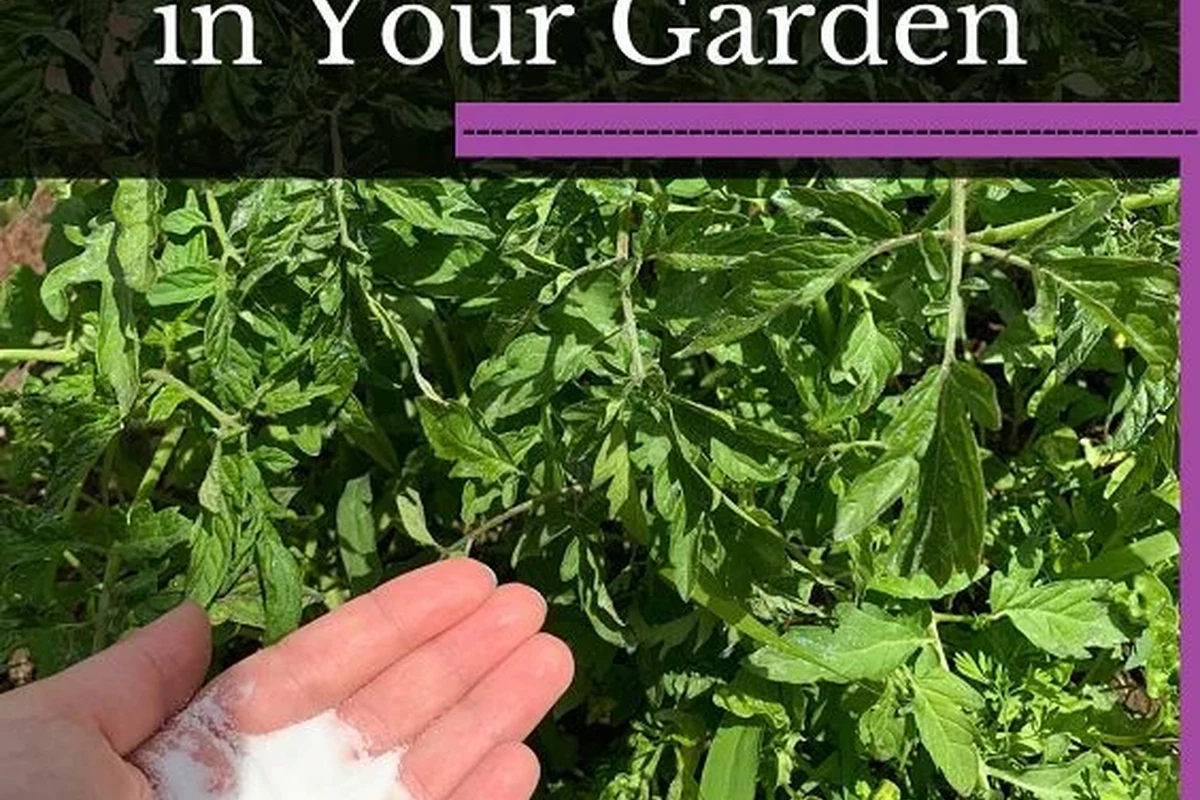
Baking soda is not a miracle fix, but it remains popular because it is inexpensive, easy to find, and simple to use in small amounts. Gardeners often reach for it when they want a low-cost option before moving to stronger products.
For home gardeners, the real value is not “solving everything.” It is having one mild tool that can help with surface problems when the cause is understood and the application is cautious.
What “baking soda in the garden” usually means in 2026
In most garden conversations, this phrase refers to using sodium bicarbonate as a light spray, deodorizer, cleaner, or occasional surface treatment. It does not usually mean changing soil chemistry in a major way.
People also use it around patios, pots, and compost areas because it is familiar from kitchen cleanup. If you are used to how baking soda behaves in cleaning, the same basic idea applies outdoors: it can help with odors and residue, but it is not a cure-all.
How it differs from commercial garden products and why people still use it
Commercial garden products are usually formulated for a specific job, such as fungicide, insect control, or soil correction. Baking soda is far less specialized, which is both its strength and its limit.
That is why people still use it. It is easy to store, easy to mix, and often good enough for small, early-stage issues. But when the problem is severe, repeated, or unclear, a more targeted product or cultural fix is usually the better choice.
Think of baking soda as a light-support tool, not a primary treatment. If the issue keeps returning, look at watering, airflow, spacing, and disease pressure first.
1. Using Baking Soda to Help Control Fungal Problems on Leaves and Stems
This is one of the most common uses for baking soda in the garden. It is often discussed as a helper for powdery mildew and similar surface fungi, especially when caught early.
For readers who want the science in plain English: baking soda can make the leaf surface less friendly to some fungal growth. It works best as a preventive or early-response option, not as a rescue plan for badly damaged plants.
Powdery mildew, black spot, and other common targets
Powdery mildew is the best-known target because it shows up as a white, dusty coating on leaves, stems, or buds. Some gardeners also try baking soda against black spot on roses and other leaf diseases, though results can vary a lot.
The key point is that baking soda may help on the surface, but it does not remove infected tissue or reverse plant stress. If leaves are already heavily spotted, curled, or yellowing, the plant may need pruning, better airflow, or a different treatment.
Safe dilution basics, spray timing, and why coverage matters
Use a mild mixture and follow a trusted garden recipe or label-style guidance rather than guessing. Too much baking soda can stress leaves, especially on tender plants.
Spray early in the day or late in the afternoon, not in strong sun. Coverage matters because the spray only works where it lands, so the tops and undersides of affected leaves need even contact without dripping heavily.
Do not spray in hot weather or on drought-stressed plants. Concentrated mixes, full sun, and repeated wetting can lead to leaf burn or a chalky residue that does more harm than good.
Common mistakes: overconcentration, hot-weather spraying, and leaf burn
One of the biggest mistakes is assuming stronger is better. A heavy mix may seem more effective, but it can leave residue, irritate foliage, and create new plant stress.
Another mistake is spraying during heat waves or just before intense sun. Leaves can dry too fast, and the combination of heat plus salt exposure can scorch delicate tissue. If you need a gentle comparison of baking soda behavior in cleaning, the same caution applies as with baking soda vinegar cleaning ovens: more product does not automatically mean better results.
2. Baking Soda as a Gentle Garden Odor Neutralizer and Cleanup Aid
Odor control is one of the safest and most practical uses for baking soda in the garden. It can help absorb or reduce smells in areas where moisture, compost, and organic residue build up.
This is less about plant care and more about keeping work areas more pleasant and manageable. It is especially useful in small outdoor spaces where compost bins, potting benches, and tools sit close together.
Odors from compost bins, bins, tools, and potting areas
Compost bins can smell sour when they are too wet or too packed. Trash bins, seed-starting trays, and muddy tools can also carry odors from old soil, plant residue, or standing moisture.
A light sprinkle of baking soda in the bottom of a bin or on a dry cleanup surface can help reduce lingering smells. It is a simple option for gardeners who want a cleaner-feeling workspace without using strong fragrances.
Where to sprinkle, where not to apply, and how much is enough
Use it sparingly in dry areas where you can sweep or rinse it later. A thin layer is usually enough for odor control, especially in bins or on nonliving surfaces.
Do not spread it directly onto active plant roots, wet soil in large amounts, or areas where you need to preserve delicate soil biology. For a broader look at odor-related uses, readers may also find baking soda for smoke odors helpful because the same absorbent idea is at work.
Storage and cleanup tips for indoor and outdoor use
Keep baking soda sealed and dry so it stays free-flowing. A damp box or open bag can clump quickly, which makes it harder to measure and easier to overapply.
After outdoor use, sweep or rinse residue off hard surfaces so it does not get tracked into pots or seed-starting mixes. If you use it near indoor potting areas, wipe down surfaces afterward to prevent dust from settling on tools and labels.
Baking soda can help with smell, but it does not fix the source of the odor. If a compost bin smells rotten, the real issue is usually too much moisture, poor airflow, or the wrong balance of materials.
3. Managing Soil pH Concerns: When Baking Soda Helps and When It Does Not
This is where many gardeners get tripped up. Baking soda is often mentioned in pH conversations, but it is not a safe shortcut for changing garden soil in any meaningful or controlled way.
Small surface applications may slightly affect the immediate area, but that is very different from correcting an entire bed. Soil pH is shaped by the soil type, organic matter, watering, fertilizers, and local conditions.
Why baking soda is not a soil-fixing shortcut
If a bed is too acidic or too alkaline, baking soda is rarely the right answer. It can add sodium, which is not something most garden soils need in repeated doses.
That is why it should not be treated like a quick fix for yellow leaves, weak growth, or poor flowering. Those symptoms can come from nutrient issues, drainage problems, root stress, or disease, not just pH.
Testing pH before treatment and reading the results correctly
Before changing anything, test the soil. A home pH kit can give a rough idea, while a lab test gives a more reliable picture if you need a serious answer.
Read the result in context. A slightly off pH number does not always explain the plant problem, and a healthy-looking bed may not need any correction at all. If you are unsure how to interpret a result, compare it with crop-specific guidance rather than reacting to a single number.
Risks of repeated use and how it can affect plants and soil life
Repeated baking soda use can raise sodium levels and create stress for plants over time. In containers, that can happen faster because salts build up more easily than in open ground.
Soil life can also be affected when salts accumulate. Beneficial microbes and fine roots are sensitive to changing conditions, which is why repeated “just to be safe” applications are not a good habit.
In gardening, a product can be useful and still be the wrong tool for soil correction. Many problems that look like pH trouble are actually watering, drainage, or nutrient imbalance issues.
4. Baking Soda for Pest-Pressure Situations: What It Can and Cannot Do
Baking soda is sometimes suggested for pests, but this is one area where expectations need to stay realistic. It may discourage some surface activity in limited situations, but it is not a broad insect control method.
For gardeners looking for a stronger pest-control framework, baking soda and vinegar reaction explained simply is useful background on why common home mixtures can be more dramatic in the bucket than in the garden.
Ant trails, soft-bodied pests, and surface-level deterrent use
Some gardeners sprinkle baking soda in places where ants travel or where moisture attracts nuisance insects. In practice, this is usually a temporary deterrent rather than a true control method.
It may have limited usefulness on dry, nonplant surfaces, but it is not a dependable solution for aphids, mites, caterpillars, or other pests living on plants. Soft-bodied pests usually need direct, targeted control to make a real difference.
Why it is not a full replacement for integrated pest management
Integrated pest management, or IPM, combines monitoring, sanitation, pruning, beneficial insects, and targeted products only when needed. That approach is more effective because it addresses the cause, not just the symptom.
Baking soda can fit into that picture as a minor support tool, but it should not replace pest ID. If you do not know what insect or disease you are dealing with, the wrong treatment can waste time and make the problem harder to solve.
Practical examples of limited-use scenarios and safer alternatives
For a few ants on a patio edge, a dry cleanup and sealing the entry point may work better than a powder spread. For aphids on tender growth, a strong water spray or insecticidal soap is often more appropriate than baking soda.
For recurring pest pressure, remove hiding spots, reduce excess moisture, and inspect plants regularly. Those steps usually do more than any single pantry ingredient.
5. Cleaning Garden Tools, Pots, and Outdoor Surfaces with Baking Soda
Cleaning is one of the most dependable uses for baking soda in the garden. It can help loosen grime, reduce odor, and remove light buildup from surfaces that are not too delicate.
This is a practical place to use it because it works in the same gentle-abrasive way people use it indoors. The goal is clean tools and containers, not a sterile finish.
Removing grime, mineral residue, and light buildup from containers
Use baking soda paste or a damp sprinkle to scrub dirt, sap, and light mineral film from pots and trays. It is especially handy on plastic containers that have dried soil stuck to the sides.
If you have ever cleaned a kitchen surface with it, the idea is similar: mild friction plus a little moisture can lift residue without harsh chemicals. For tougher stains on non-garden surfaces, readers can also compare with baking soda for yellow stains to understand how residue removal works.
Best materials for use: plastic, metal, ceramic, and coated surfaces
Baking soda is usually fine on plastic, glazed ceramic, and many coated surfaces. It is also commonly used on metal tools, but with caution because prolonged moisture can encourage rust on some finishes.
For delicate coatings, test a small area first. A soft sponge is usually better than a rough scrub pad, especially if the pot or tool has a surface layer you do not want to scratch.
Rinsing, drying, and avoiding corrosion or residue transfer to plants
After cleaning, rinse thoroughly so no powder remains in cracks or seams. Residue can transfer into potting mixes or cling to tools that later touch seedlings.
Dry metal tools well before storing them. Moisture left behind is a bigger corrosion risk than baking soda itself, especially if the tool is already older or has a worn finish.
6. Smart Ways to Use Baking Soda Around Edible Plants and Raised Beds
Edible gardens need extra care because anything sprayed or sprinkled near produce deserves a higher safety standard. Even a mild household product should be used with restraint around herbs, vegetables, and fruiting crops.
If you are managing a kitchen garden, the safest mindset is simple: use the least amount that can reasonably do the job, and avoid routine applications unless there is a clear reason.
Safety considerations for herbs, vegetables, and fruiting crops
Herbs and leafy greens can hold residue on their surfaces, so direct spraying should be limited and carefully timed. Fruit crops also need attention because spray can settle in crevices or on skin that will be eaten later.
When in doubt, choose a noncontact solution first, such as pruning for airflow, cleaning up infected leaves, or improving watering habits. Those changes often reduce the need for any spray at all.
Application limits near roots, foliage, and harvest-ready produce
Avoid heavy application near roots, especially in containers and raised beds where salts can build up. For foliage, use only a light, targeted treatment when necessary and stop if you see spotting, curling, or scorch.
Near harvest-ready produce, keep sprays off the edible portion whenever possible. If a treatment lands on food crops, rinse thoroughly and follow any crop-specific guidance from recognized agricultural or food-safety sources before harvesting.
What to avoid when children, pets, or pollinators are nearby
Keep powders and sprays away from children and pets who may touch, inhale, or track them indoors. Also avoid applying anything while pollinators are actively visiting flowers.
While baking soda is not an insecticide in the usual sense, any spray can disturb beneficial insects if it coats blossoms or nearby foliage. A careful gardener thinks about the whole space, not just the target plant.
If you are using baking soda around edible plants, label the container clearly and store it away from any food-prep ingredients. Never assume a pantry product is automatically safe for every garden use or every crop.
7. When to Skip Baking Soda and Choose a Better Garden Solution
The most useful gardening skill is knowing when not to use a shortcut. Baking soda is helpful in some low-risk jobs, but it is not the answer for every yellow leaf, spot, or pest problem.
If you keep reaching for it and the plant keeps declining, the issue is probably something else.
Signs the problem is watering, drainage, nutrient imbalance, or disease pressure
Wilting despite wet soil often points to drainage or root trouble, not a need for baking soda. Yellowing leaves can come from nutrient imbalance, compacted soil, or root stress.
If spots spread quickly, stems soften, or whole branches die back, treat it as a disease or structural plant issue. At that point, sanitation, pruning, disposal of infected material, and better airflow are usually more important than any pantry remedy.
Situations where commercial controls or cultural fixes work better
For serious fungal outbreaks, a labeled garden fungicide may be more effective than a home mix. For insects, insecticidal soap, horticultural oil, or another targeted product may fit the problem better.
Cultural fixes often matter most: water at the base, avoid overcrowding, clean up fallen leaves, and rotate crops when possible. These changes reduce pressure in a way baking soda cannot.
Final recap: the most useful, low-risk ways to use baking soda in the garden
The best uses for baking soda in the garden are modest ones: helping with light fungal pressure, reducing odors, cleaning tools and pots, and handling a few surface-level chores. It is most useful when the problem is small and the application is careful.
Skip it when the issue involves soil correction, heavy disease, or recurring pest pressure. In those cases, better results usually come from diagnosis, sanitation, airflow, and a more targeted garden product. For readers who want a simple mental rule, think of baking soda as a helper, not a hero.
- Low-cost and easy to find
- Useful for mild, surface-level garden tasks
- Can help with odor control and cleanup
- Not a reliable fix for soil pH
- Can burn leaves if overused
- Weak choice for serious pests or disease
For most home gardeners, the smartest approach is selective use. Save baking soda for the jobs it handles well, and use proper garden products or cultural fixes when the problem calls for something stronger.
Frequently Asked Questions
You can use a very mild spray on some plants, but coverage and concentration matter. Test a small area first and avoid hot, sunny conditions that can cause leaf burn.
Not in a reliable or safe way for most home gardens. Repeated use can add sodium, so soil testing and proper amendments are better choices.
It can be used carefully in small amounts, but avoid heavy spraying on edible parts. Rinse produce well and follow crop-specific guidance when possible.
It is not a dependable pest control product. At best, it may offer limited surface deterrence for some nuisance situations, but integrated pest management works better.
Yes, it works well for light grime and residue on many pots and tools. Rinse and dry thoroughly afterward to avoid leftover residue or corrosion.
Avoid it when plants are heat-stressed, when the issue is severe disease, or when you need a real soil fix. In those cases, diagnosis and targeted garden products are usually better.