
Baking Soda pH Level Explained for Better Baking

Baking soda’s pH level affects rise, browning, flavor, and texture, so it works best when matched with enough acid. Careful measuring, fast mixing, and fresh ingredients help keep baked goods balanced and consistent.
Baking soda does more than help dough rise. Its pH level affects browning, flavor, texture, and even how a recipe behaves when it hits the oven.
- pH balance matters: Baking soda needs acid to perform well and avoid off-flavors.
- Measure carefully: Small overages can change browning, spread, and crumb texture.
- Mix and bake promptly: Soda starts reacting as soon as it meets moisture and acid.
- Watch the clues: Bitterness, coarse crumb, and weak lift often signal imbalance.
- Choose the right leavener: Neutral recipes often do better with baking powder.
What the Baking Soda pH Level Means in Everyday Baking
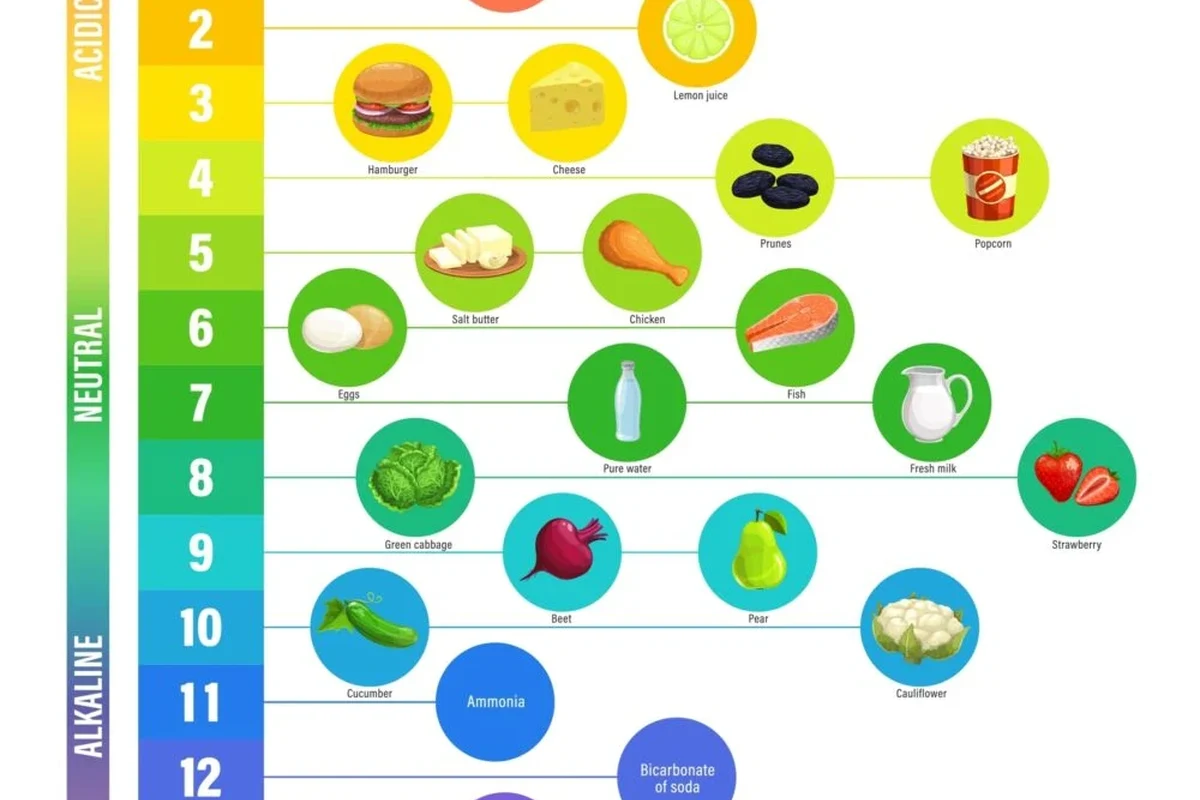
Baking soda is sodium bicarbonate, a strongly alkaline ingredient with a high pH. In practical baking terms, that means it needs acid to work as intended and it can change the look and taste of a finished bake if the balance is off.
For bakers, pH is not just chemistry vocabulary. It helps explain why one cookie spreads beautifully and another tastes bitter, why a cake browns deeply, or why a muffin rises fast and then sinks.
Why pH matters more than “just an ingredient” in chemical leavening
When baking soda meets acid and moisture, it releases carbon dioxide gas. Those bubbles expand in the oven and help lift batter or dough, which is why the ingredient is part leavener and part flavor tool.
If there is not enough acid, some baking soda can remain unreacted. That leftover alkalinity may leave a soapy, metallic, or bitter taste, especially in delicate batters.
Baking soda works immediately once it contacts moisture and acid, so the timing of mixing can matter as much as the amount used.
How baking soda’s alkalinity affects rise, browning, and flavor
Alkalinity changes how proteins, sugars, and starches behave during baking. A slightly higher pH can encourage faster browning and a deeper crust color, especially in cookies and some quick breads.
It can also soften sharp acidic flavors. That is useful in recipes with tangy ingredients, but it can flatten flavor if the formula depends on that brightness.
How the Baking Soda pH Level Interacts with Acidic Ingredients
The best baking soda formulas are balanced. Acid brings the pH down, baking soda pushes it up, and the recipe lands in a range that supports lift, color, and flavor without harsh aftertastes.
This balance is one reason many recipes use both baking soda and baking powder, or choose one leavener over the other. If you want a broader comparison, see our guide on whether baking soda and baking powder are the same and our article on using baking soda instead of baking powder safely.
Common baking acids: buttermilk, yogurt, lemon juice, vinegar, molasses, and cocoa
Buttermilk and yogurt are common dairy acids in pancakes, muffins, and cakes. Lemon juice and vinegar are stronger acids that can react quickly, though they are usually used in small amounts for flavor and balance.
Molasses is naturally acidic and often appears in gingerbread, spice cakes, and dark breads. Cocoa can also be acidic, though the effect depends on whether it is natural cocoa or Dutch-processed cocoa, since Dutch processing reduces acidity.
Ingredient brand and type matter. Two recipes that both say “cocoa” may behave differently if one uses natural cocoa and the other uses alkalized cocoa.
Practical examples of balanced formulas versus flat or soapy-tasting results
A balanced recipe with buttermilk and baking soda often tastes clean and lightly tangy, with even browning and a tender crumb. In contrast, too much soda with too little acid can leave a dull, grayish color and a flavor that lingers unpleasantly on the tongue.
On the other hand, too much acid without enough baking soda can make a batter taste sharp and may reduce browning. The result is not always a failure, but it can be flatter, denser, or less appealing than intended.
The recipe tastes bitter or soapy and the crumb looks coarse.
Check whether the recipe has enough acidic ingredients to neutralize the soda, and measure the baking soda carefully with level spoons or a scale when possible.
Measuring and Using Baking Soda Correctly in Recipes
There is no single universal amount that fits every recipe. The right quantity depends on the recipe’s acidity, flour amount, added sugars, and whether another leavener is also present.
If you are unsure about substitution, our guide to baking soda equivalents can help you think through conversions, but recipe structure still matters.
How much to use for cookies, cakes, muffins, and quick breads
Cookies often use baking soda for spread, browning, and chew, especially when brown sugar, molasses, or chocolate is present. Cakes and muffins may use smaller amounts because too much alkalinity can toughen the crumb or create off-flavors.
Quick breads such as banana bread or zucchini bread often rely on acidic fruit, dairy, or brown sugar to support baking soda. Biscuits may use baking soda in formulas that include buttermilk or sour cream, but many biscuit recipes also lean on baking powder for more dependable lift.
Why precise measurement matters more when pH balance is tight
Small measurement errors matter because baking soda is potent. A little extra can shift the pH enough to change color, flavor, and texture, especially in recipes with only moderate acidity.
That is why level measuring spoons are useful, and a scale is even better when a recipe is written by weight. This is especially important in school kitchens and professional settings, where consistency matters from batch to batch.
If a recipe already includes acidic ingredients, avoid “rounding up” the baking soda. Even a small overmeasure can create a stronger alkaline taste in the finished bake.
Mixing method, timing, and what happens if batter sits too long
Baking soda begins reacting as soon as it meets liquid and acid. If batter sits too long before baking, some of the gas escapes before the oven can set the structure, which can reduce lift.
For best results, mix wet and dry ingredients just until combined unless the recipe says otherwise, then portion and bake promptly. This matters most in pancakes, muffins, and quick breads, where the rise happens quickly.
Do not taste raw batter or dough that contains raw flour or raw egg. Follow food safety guidance from recognized public health sources such as USDA or FDA, especially for children, older adults, and anyone with a higher foodborne illness risk.
Signs the pH Balance Is Off in Baked Goods
When baking soda pH balance is wrong, the clues usually show up in flavor, color, and crumb structure. The good news is that these signs are often easy to spot once you know what to look for.
Common mistakes: too much baking soda, too little acid, or poor distribution
Too much baking soda is the most common problem. Poor distribution can also cause streaks of alkaline flavor, especially if the soda is added to one spot in the flour and not whisked evenly.
Too little acid can leave soda unneutralized, while too much acid can make the finished product taste overly sharp and still not rise the way you expected.
- Whisk dry ingredients well before combining.
- Match baking soda to naturally acidic ingredients.
- Bake batters soon after mixing when soda is the main leavener.
- Guessing at amounts in a tightly balanced formula.
- Letting soda-heavy batter sit for too long.
- Assuming all cocoa, dairy, or sweeteners behave the same.
How to recognize bitterness, excess browning, coarse crumb, or weak lift
Bitterness or a dry, chalky aftertaste often points to excess soda. Excess browning can happen when alkalinity speeds surface color faster than the interior structure sets.
A coarse crumb or weak lift may mean the gas escaped too early, the batter was overmixed, or the recipe did not have enough acid to support the soda reaction. In cakes and muffins, a sunken center can also happen if the batter rose fast and then lost structure before it baked through.
Troubleshooting by product type: cookies, pancakes, cakes, and biscuits
Cookies that spread too much may have too much soda, too little flour, or butter that was too soft. Pancakes that taste metallic often need less soda or more acid in the batter, while cakes that brown too quickly may need a gentler balance.
Biscuits can become pale and flat if the formula lacks enough acid or if the leavener is old and weak. If you are checking freshness, our article on whether baking soda expires offers practical replacement guidance.
How Baking Soda pH Level Affects Browning, Texture, and Taste
Alkalinity affects more than rise. It changes how quickly sugars and proteins brown, how tender or chewy a crumb feels, and how the flavor reads on the palate.
Why alkalinity speeds Maillard browning and changes crust color
The Maillard reaction is the browning process that creates deep flavor and attractive color in baked goods. A higher pH generally speeds that reaction, which is why soda-heavy recipes often brown faster than more neutral batters.
This can be a benefit in chocolate cookies, ginger cookies, and some quick breads. It can also be a problem if the outside looks done before the center is fully baked.
Texture differences in chewy, tender, and spread-prone bakes
In cookies, a slightly alkaline dough can encourage spread and a chewier bite. In cakes, too much alkalinity can toughen the crumb or make the texture feel dry, even when the cake still looks moist at first glance.
For pancakes and muffins, the right balance gives a light, even crumb. Too much soda can create large tunnels or a rough texture, while too little can leave the bake heavy and compact.
When a higher pH helps and when it harms the final product
A higher pH helps when you want more browning, deeper color, and a mellowed acidic edge. It can be useful in recipes built around molasses, natural cocoa, or buttermilk.
It harms the final product when the recipe is delicate, pale, or lightly flavored. In those cases, a more neutral formula or a different leavener may give a cleaner result.
Oven calibration, pan color, rack position, and humidity can all influence browning and texture, so a recipe may need small adjustments even when the pH balance is correct.
Storage, Freshness, and Safety of Baking Soda in the Home Kitchen
Baking soda stores well, but it still benefits from dry, sealed storage. Moisture and strong odors can affect how it performs and how it smells in a finished bake.
How to store baking soda to preserve performance and odor control
Keep baking soda in a tightly closed container in a cool, dry cabinet. Because it absorbs odors, store it away from onions, spices, cleaning products, and strong-smelling foods.
If you use baking soda for both baking and cleaning, keep separate containers so the kitchen supply stays food-safe and uncontaminated.
Never use a container of baking soda for food if it may have been exposed to cleaning chemicals, sink residue, or other non-food uses.
Simple freshness checks before using it in important bakes
A simple check is to stir a small amount of baking soda into an acidic liquid, such as vinegar or lemon juice, and look for a quick fizz. That reaction shows the ingredient is still reactive, though it does not prove exact baking strength.
For important recipes, freshness matters most when the formula depends on a strong, immediate reaction. If the soda has been open for a long time or stored poorly, replacing it is often the safest choice.
Food safety and practical handling notes for students and home bakers
Baking soda itself is generally safe as a pantry ingredient when used as directed in recipes. The main safety concerns are cross-contamination, improper storage, and confusing food-grade baking soda with non-food products.
Use clean tools, label containers clearly, and keep ingredients dry. If you are working in a baking school or shared kitchen, follow house sanitation rules and allergen controls carefully.
Choosing Between Baking Soda and Baking Powder Based on pH Needs
The choice between baking soda and baking powder comes down to acidity and timing. Baking soda needs acid from the recipe, while baking powder already contains both an acid and a base.
That is why the right leavener depends on the formula, not just the label. If you want a deeper comparison, our article on the baking soda and vinegar reaction explains the acid-base reaction in simple kitchen terms.
How each leavener works and when one is the better fit
Baking soda is best when the recipe already includes acidic ingredients and you want fast reaction plus browning. Baking powder is better when the recipe is neutral or only lightly acidic and needs built-in lift.
Some formulas use both. In those cases, baking soda may handle acidity and color, while baking powder provides extra lift for a more reliable rise.
Examples of formulas that rely on one or both leaveners
Buttermilk pancakes, molasses cookies, and chocolate cakes may rely heavily on baking soda because the ingredients are acidic enough to activate it. Vanilla cakes, plain biscuits, and many muffins often lean on baking powder because there is less natural acid in the batter.
Some recipes use a small amount of baking soda with baking powder to improve browning without making the batter too alkaline. That balance is one reason professional formulas often specify both the type and amount of leavener carefully.
Final recap: how to use pH knowledge to bake more consistently
Understanding baking soda pH level helps you predict rise, browning, and flavor instead of guessing. If a recipe is acidic, baking soda can give lift and color; if it is not, baking powder may be the better choice.
For the most consistent results, measure carefully, mix evenly, and bake promptly. When the formula is balanced, baking soda becomes a precise tool rather than a mystery ingredient.
When a recipe fails, do not change only one ingredient blindly. Check the acid level, the leavener type, the freshness of the soda, and the way the batter was mixed before you make the next batch.
Frequently Asked Questions
Its alkalinity helps create carbon dioxide with acid, which gives baked goods lift. It also speeds browning and can soften acidic flavors when the balance is right.
Too much can leave a bitter, soapy, or metallic taste. It may also cause excess browning, a coarse crumb, or weak structure in the finished bake.
Sometimes, but only if the recipe has enough acid to activate the soda. If the formula is neutral, baking powder is usually the safer choice for reliable lift.
Mix a little with an acidic liquid and look for quick fizzing. Strong reaction suggests it is still active, but old or poorly stored soda is often best replaced for important recipes.
Too much baking soda or a more alkaline batter can speed browning. Pan color, oven calibration, and rack position can also affect how quickly the surface colors.
Usually no, unless the recipe says to rest it. Baking soda starts reacting as soon as it meets liquid and acid, so waiting too long can reduce lift.