
Baking Soda Paste for Bug Bites Fast Relief Guide
Baking soda paste can give short-term itch relief for minor bug bites, especially when the skin is intact. It is not a good choice for broken skin, severe swelling, or signs of infection or allergy.
Baking soda paste for bug bites is a simple home remedy many people try for quick itch relief. It can help calm mild irritation, but it works best for minor bites and should not replace medical care when symptoms are more serious.
- Simple mix: Use baking soda and water to make a soft, spreadable paste.
- Best use: Works best for small, mild bites with intact skin.
- Safety first: Avoid eyes, open scratches, and worsening rashes.
- Relief is temporary: Expect short-term itch calming, not a cure.
- Know the limits: Choose medical care for spreading redness, fever, or breathing symptoms.
What Baking Soda Paste for Bug Bites Is and Why It’s Used for Fast Itch Relief
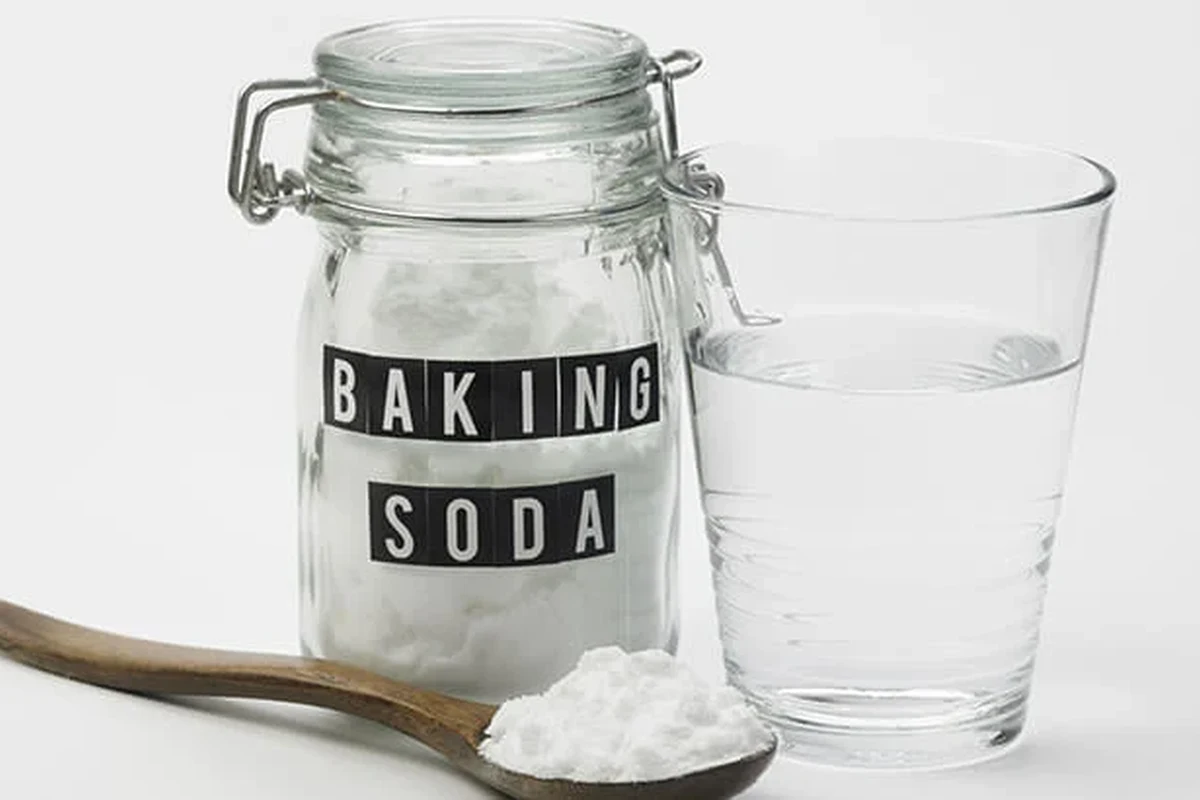
Baking soda paste for bug bites is usually just baking soda mixed with a small amount of water until it forms a soft paste. People apply it to mosquito bites, ant bites, and other small insect bites because it may help ease itching and dryness on the skin.
The idea is straightforward: baking soda is mildly alkaline, and when it sits on irritated skin it may temporarily change the surface feel of the bite. That can make the area seem less itchy for a short time, especially if the bite is fresh and the skin is not broken.
How baking soda interacts with skin irritation from mosquito, ant, and other minor bites
Bug bites often trigger itching because the body reacts to insect saliva or venom with localized inflammation. That response can cause redness, swelling, warmth, and the urge to scratch.
A baking soda paste does not remove the cause of the reaction. Instead, it may provide a drying, soothing effect that distracts from the itch and helps the area feel calmer for a while.
When a simple paste makes sense versus when it is not enough
This remedy makes the most sense for a small, mild bite that is itchy but otherwise uncomplicated. If the area is only slightly swollen and the skin is intact, a paste can be a reasonable first step at home.
It is not enough if the bite is rapidly worsening, very painful, blistered, oozing, or followed by widespread hives or breathing trouble. In those cases, home care is not the right answer.
For any insect bite that seems unusual, keeps spreading, or looks infected, official medical guidance from trusted health sources is more important than home remedies.
How to Make Baking Soda Paste Safely at Home
Keep the mixture simple. The fewer ingredients you add, the lower the chance of irritating already sensitive skin.
Basic ratio: baking soda to water for a spreadable paste
A practical starting point is about 3 parts baking soda to 1 part water, then adjust slowly until the paste is spreadable. You want something thicker than lotion but softer than dough.
If it looks runny, it will slide off. If it is too stiff, it can feel gritty and uncomfortable on a bite.
Texture cues: thick enough to stay on the bite without cracking
The best texture is smooth and creamy, with no dry clumps. It should spread in a thin layer and stay in place without cracking immediately as it dries.
If the paste dries into a hard crust, it is usually too thick. Add a few drops of water and mix again.
Optional additions and why most should be avoided on irritated skin
It is tempting to add vinegar, essential oils, toothpaste, or scented lotions, but those extras can make irritated skin worse. Freshly bitten skin is often sensitive, and fragrance or acids can sting.
If you want a gentler option, plain baking soda and water is usually the safer choice. For a broader comparison of how baking soda behaves in home care, see our guide to baking soda and vinegar reaction explained simply.
Do not mix insect-bite paste with harsh ingredients or use it on skin that is already cracked, bleeding, or actively inflamed. Irritated skin can react strongly even to products that seem mild.
Step-by-Step Application Method for Best Results
Good application matters as much as the mixture itself. A clean, thin layer is usually more comfortable than a thick glob.
Cleaning the bite area before applying the paste
Wash the bite gently with mild soap and cool water, then pat it dry. This removes dirt, sweat, and anything that might interfere with the paste sticking evenly.
A clean surface also helps you see whether the skin is broken. If there is a scratch or open spot, skip the paste and choose a different approach.
Use cool water and gentle soap, then pat dry with a clean towel.
Spread the paste over the bite only, not over large areas of healthy skin.
Leave it on until it dries or until the itch eases, then rinse it off gently.
How long to leave it on and how to remove it
There is no single perfect timer because skin sensitivity varies. In general, leave the paste on only long enough to dry lightly and provide relief, then rinse it off with cool water if it becomes uncomfortable.
If the area stings, tightens, or looks more red after application, remove it sooner. The goal is relief, not a long treatment session.
How often to reapply during the day
You can reapply a fresh thin layer a few times a day if the bite remains itchy and the skin tolerates it. If repeated use makes the skin feel dry or irritated, stop and switch to another option.
As with other home care routines, more is not always better. Overapplying can leave the skin parched and more likely to itch again.
What Relief to Expect and How Long It Usually Lasts
Most people who find baking soda paste helpful notice only temporary relief. Think of it as a short-term comfort measure, not a cure.
Typical response time for itching and mild swelling
If it helps, the calming effect may start within minutes, mainly by reducing the feeling of itch. Mild swelling may look a little less noticeable after the skin dries, though that is not guaranteed.
The result is often subtle. You may notice that the urge to scratch drops before the bite itself looks dramatically different.
Examples of bites that may respond well and cases that may not
Small mosquito bites and minor ant bites are the most common situations where people try this remedy. These bites are usually localized and short-lived.
It may work less well for bites that are very inflamed, painful, or part of a stronger allergic reaction. If the skin is already hot, blistered, or extremely swollen, another approach is usually more appropriate.
Why relief can vary by bite type, skin sensitivity, and scratching
Relief changes from person to person because insect bites are not all the same. Different insects trigger different reactions, and some people naturally have more sensitive skin.
Scratching also changes the outcome. Once the skin is broken or inflamed from scratching, even a mild paste can sting and may no longer feel soothing.
The most helpful part of a home remedy for bites is often not the ingredient itself, but how gently it is applied and whether the skin is kept clean and unbroken.
Common Mistakes That Reduce Effectiveness or Irritate Skin
Most problems with baking soda paste come from using too much, leaving it on too long, or applying it to the wrong kind of skin.
Using too much baking soda or making the paste too dry
A paste that is heavy on baking soda can feel harsh and chalky. The drier the mixture, the more likely it is to crack and rub uncomfortably as it sets.
Start small and adjust slowly. A smooth, thin paste is usually easier on the skin than a thick layer packed with powder.
Applying on broken skin, open scratches, or near the eyes
Never put the paste on open scratches, raw skin, or any bite that has been picked at until it is broken. That can sting and may delay healing.
Keep it away from the eyes, eyelids, lips, and mucous membranes. Those areas are much more sensitive and should not be treated with a DIY paste.
Use a clean spoon or cotton swab instead of dipping dirty fingers into the container if you plan to reuse the mixture. That helps avoid contamination and keeps the paste cleaner.
Overusing home remedies instead of monitoring the bite
Home remedies are easy to repeat, but repeated use can hide a problem if the bite is getting worse. Watch the area closely for spreading redness, pus, fever, or increasing pain.
If you are unsure whether the reaction is normal, compare the bite’s behavior over time rather than relying only on how it feels in the moment.
Safety, Skin Sensitivity, and When to Avoid Baking Soda Paste
Most mild bug bites do not need anything complicated, but skin safety still matters. Even a simple ingredient can cause trouble for some people.
Signs of irritation, rash, or allergic reaction after use
Stop using the paste if the skin becomes more red, burns, itches worse, or develops a rash after application. Those are signs the remedy may not suit your skin.
If you notice hives, swelling beyond the bite itself, or trouble breathing, seek urgent medical help right away. That is no longer a simple home-care situation.
Children, sensitive skin, and special caution cases
Children and people with sensitive skin may react more strongly to even mild remedies. Use extra caution, apply only a tiny amount, and watch closely for irritation.
If you are treating a child, it is wise to be conservative and avoid any product that could be accidentally rubbed into the eyes or mouth. When in doubt, choose a cooler, gentler option first.
- Make sure the bite is minor and the skin is unbroken.
- Check that no one has known sensitivity to the remedy.
- Keep the paste away from eyes, mouth, and open scratches.
- Watch for worsening redness, swelling, or pain.
When swelling, pain, fever, or spreading redness needs medical attention
Seek medical advice if the bite becomes increasingly painful, the redness spreads, the area turns very warm, or you develop fever. Those symptoms can point to infection or a stronger reaction.
You should also get help if there is facial swelling, dizziness, or any breathing problem. Recognized medical guidance from the FDA or other official health sources is the right place to turn for serious symptoms.
Better-Than-Expected Use Cases and Smart Alternatives to Compare
Baking soda paste is only one tool in a basic bite-care routine. Depending on the symptom, another simple option may work better.
When cold compresses, calamine, or antihistamine creams may work better
A cold compress is often a strong first choice because it can reduce both itch and swelling without adding anything to the skin. Calamine lotion may help dry out oozing irritation, while some antihistamine creams are used for itching when the skin is intact.
For a broader home-care mindset, it helps to think of the symptom first. If the main issue is swelling, cold may be better; if the main issue is itch, a topical anti-itch product may be more effective.
Choosing the right option for itching, swelling, or discomfort
If the bite is mostly itchy, a mild paste or calamine may be reasonable. If it is puffy, cold is often the simpler and more comfortable choice.
If the skin is sensitive or already scratched, the least irritating option is usually best. That may mean skipping the paste entirely and using a cool compress instead.
What to keep in a basic home first-aid kit for insect bites
A practical insect-bite kit can include baking soda, clean gauze or cotton pads, a cold pack, mild soap, and a gentle anti-itch product if appropriate. Keep the items easy to reach so you are not improvising while the bite is getting itchier.
If you also keep baking soda for other household uses, it helps to store it in a dry, sealed container. Our article on whether baking soda expires and when to replace it can help you decide if an older box is still worth keeping around.
- Easy to mix with items already in many kitchens.
- May give quick, temporary itch relief for minor bites.
- Simple enough for a basic first-aid routine.
- Not strong enough for serious swelling or allergic reactions.
- Can irritate broken or very sensitive skin.
- Relief is often short-lived and may vary a lot.
Final Verdict: Is Baking Soda Paste Worth Trying for Bug Bite Relief?
For a mild, itchy bug bite, baking soda paste can be worth trying as a quick at-home fix. It is inexpensive, easy to make, and may calm the urge to scratch for a short time.
Use it only on minor bites with intact skin, and stop if it stings or makes the area look worse. If swelling, redness, pain, fever, or breathing symptoms appear, move on from home care and seek professional advice promptly.
Baking soda paste for bug bites is best viewed as a gentle, temporary comfort remedy for small bites, not a universal solution. When symptoms are more than mild, a cold compress, a pharmacy option, or medical guidance is the better next step.
For readers who like simple, practical household fixes, the key is to keep the remedy gentle and the expectations realistic. The same careful approach that helps in baking—small adjustments, clean tools, and watching for the right result—also helps when you are caring for irritated skin at home.
Frequently Asked Questions
Mix about 3 parts baking soda with 1 part water until it forms a smooth, spreadable paste. Adjust slowly so it is thick enough to stay on the bite but not so dry that it cracks.
Leave it on only long enough to dry lightly or until the itch eases, then rinse it off with cool water. If it stings or makes the skin more red, remove it sooner.
It may help with the itch from mild mosquito bites, especially when the skin is intact and the reaction is small. It is less useful for large swelling, broken skin, or stronger allergic reactions.
It can be used with extra caution on minor bites, but children’s skin may be more sensitive. Avoid the eyes, mouth, and broken skin, and stop if irritation appears.
A cold compress is often a better first option for swelling, and pharmacy anti-itch products may help with itching. If pain, redness, fever, or swelling is increasing, seek medical advice.
Do not use it on broken skin, open scratches, near the eyes, or if the area is getting worse after application. Get medical help for spreading redness, pus, fever, hives, or breathing problems.
