
How to Clean Jewelry with Baking Soda Safely and Easily
Baking soda can safely clean some jewelry, especially sturdy metals like sterling silver, gold, and stainless steel. It should not be used on pearls, opals, emeralds, plated pieces, or anything with loose stones or delicate finishes.
If you want to know how to clean jewelry with baking soda, the short answer is yes, but only for the right metals and finishes. Used carefully, baking soda can help lift tarnish and grime without harsh chemicals, but it is not safe for every stone or setting.
- Best use: Gentle tarnish removal on durable metal jewelry.
- Main limit: Avoid soft stones, plating, glue, and antique finishes.
- Technique matters: Use a soft cloth, light pressure, and thorough rinsing.
- Safer for routine care: Dish soap and warm water are often enough for everyday dirt.
- When in doubt: Choose professional cleaning or inspection for valuable pieces.
Why Baking Soda Works for Jewelry Cleaning in 2026
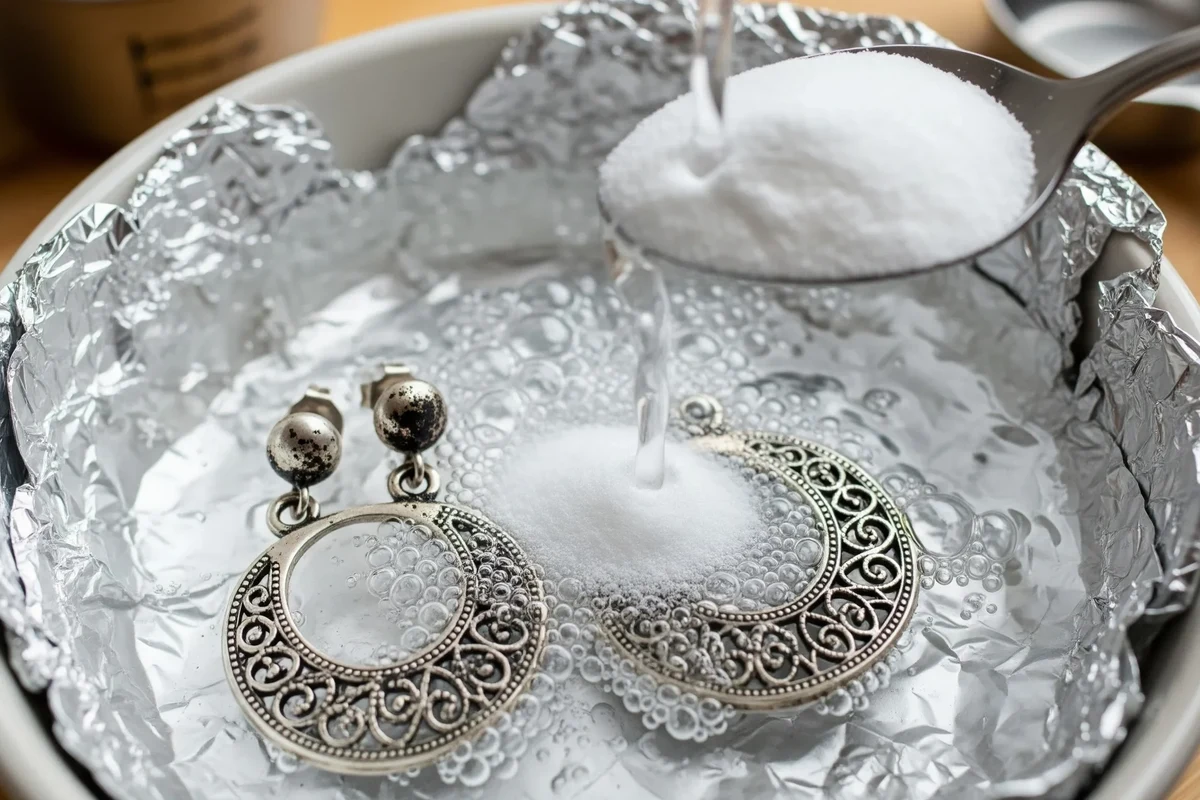
Baking soda is a mild alkaline powder with a very fine texture. That makes it useful for loosening surface dirt and tarnish, especially on sturdy metals, without the stronger chemical action of many commercial cleaners.
The mild abrasive action and why it helps remove tarnish
The cleaning power comes from two things: gentle abrasion and a bit of chemical help. When you make a paste, the tiny particles can lift dull buildup from metal surfaces, while the alkaline nature helps break down some oily residue and grime.
That is also why it works best on surface tarnish rather than deep corrosion. If a piece is heavily oxidized, scratched, or damaged, baking soda may improve the look but will not fully restore it.
Which jewelry metals and finishes respond best to baking soda
Baking soda is usually a better match for solid gold, sterling silver, and stainless steel than for delicate or coated jewelry. These metals can tolerate light rubbing as long as you use a soft cloth or soft toothbrush and stop before you press hard.
It is especially useful when a piece looks cloudy after regular wear. Everyday oils, lotion, and soap residue can make jewelry look dull, and baking soda can help remove that film.
When baking soda is the wrong choice: soft stones, coatings, and delicate settings
Skip baking soda on pearls, opals, emeralds, turquoise, and other soft or porous stones. Avoid it on plated jewelry, antique pieces, glued settings, matte finishes, enamel, and anything with a protective coating.
If you are unsure about a stone or finish, the safest move is to use plain dish soap and warm water first or follow the manufacturer’s care guidance. For mixed-material jewelry, one safe surface does not mean the whole piece is safe.
Never use baking soda on jewelry unless you have checked the metal, stone, and finish. A method that is safe for sterling silver may damage pearls, plating, glue, or soft gemstones.
Jewelry Types You Can Clean Safely with Baking Soda
Not all jewelry needs the same care. The safest baking soda cleaning method depends on whether the piece is solid metal, has stones, or includes fragile decorative details.
Gold, sterling silver, and stainless steel pieces
Solid gold and sterling silver can usually handle a gentle baking soda paste for light tarnish. Stainless steel is also a good candidate because it is durable and less likely to scratch from mild hand cleaning.
If the piece has a brushed, satin, or matte finish, test a small hidden area first. Even a gentle cleaner can change the look of a specialty finish if you rub too hard.
Rings, chains, bracelets, earrings, and pendants
Rings and pendants are often the easiest to clean because they have fewer hidden links and fewer places for residue to hide. Chains and bracelets can also be cleaned with baking soda, but they need extra rinsing because paste can get trapped between links.
Earrings are usually safe if they are simple metal styles, though posts, backs, and clasps should be checked carefully. Small parts are where residue tends to stay behind.
Pieces that need extra caution: pearls, opals, emeralds, costume jewelry, and plated items
Pearls and opals are especially sensitive because they can absorb moisture and scratch easily. Emeralds often have natural inclusions or treatments that make them less tolerant of scrubbing and soaking.
Costume jewelry and plated items are risky because the top layer can wear away. Once the finish is thin, even a gentle paste may expose the base metal underneath.
Many jewelry problems start in tiny spaces, not on the visible surface. Clasps, prongs, and chain links can hold soap, lotion, and paste residue even after the piece looks clean.
What You Need Before You Start: Supplies, Ratios, and Setup
A simple setup helps prevent scratches, lost stones, and leftover residue. Before you begin, clear a flat workspace and gather only the items you need.
Basic supplies: baking soda, soft cloth, bowl, warm water, and a soft toothbrush
Use a clean microfiber cloth or another lint-free soft cloth. A soft toothbrush is helpful for textured areas, but it should be used lightly, almost like sweeping rather than scrubbing.
Recommended paste and soak ratios for light tarnish versus stubborn buildup
For light tarnish, mix baking soda with just enough water to form a spreadable paste. A thicker paste stays in place for spot cleaning, while a thinner mix is easier to rinse from chains and links.
For a soak-and-rinse method, dissolve a small amount of baking soda in warm water rather than making a heavy slurry. If the mixture looks gritty, it can leave residue in crevices, so keep the solution light and easy to rinse away.
Workstation prep to avoid scratching, losing stones, or mixing pieces
Work over a towel or soft mat so pieces do not bounce if you drop them. Keep each item separate, especially if you are cleaning multiple rings or earrings at once.
If a stone seems loose, stop before cleaning. It is better to set the piece aside than to push residue into a weakened prong or setting.
- Confirm the jewelry is safe for baking soda
- Set out a soft cloth and a separate rinse bowl
- Remove loose stones or fragile pieces from the batch
- Choose a clean, padded work surface
How to Clean Jewelry with Baking Soda Safely and Easily
There are two basic methods: a paste method for targeted cleaning and a soak method for simple everyday pieces. Both should be gentle, short, and followed by a thorough rinse.
Step-by-step paste method for spot cleaning and tarnish removal
Mix a small spoonful of baking soda with a few drops of water until it looks like toothpaste. You want it spreadable, not dry and sandy.
Use your finger or a soft cloth to place the paste on the metal surface. Focus on tarnished areas and avoid pressing into stones, seams, or glued parts.
Move in small circles with almost no pressure. If the surface feels gritty or the cloth drags, add a little water and reduce friction.
Rinse under lukewarm water if the piece is safe to wet, or wipe carefully with a damp cloth if it is not. Make sure no white residue stays in crevices.
This method works best when the tarnish is visible but not extreme. If the jewelry still looks dull after one pass, repeat once rather than scrubbing harder.
Step-by-step soak-and-rinse method for chains and everyday pieces
Stir a small amount of baking soda into warm water until mostly dissolved. The goal is a gentle cleaning bath, not a thick paste.
Place the jewelry in the solution for a short time, then check progress. Short soaks are safer than long ones, especially for pieces with stones or mixed materials.
Use a soft toothbrush to loosen dirt around links, clasps, and settings. Keep the pressure light so you do not bend prongs or scratch polished metal.
Rinse thoroughly and look closely at joints and under-stone areas. If you still see residue, rinse again rather than adding more paste.
For many daily-wear items, this method is enough to restore shine without much effort. It is also a good option when you want to freshen jewelry before storing it.
How to dry and buff jewelry without leaving residue or water spots
Pat the piece dry with a clean soft cloth, then let it air-dry completely before wearing or storing. Water left in clasps and links can leave spots or make a piece feel sticky.
After drying, buff the metal gently with a dry cloth to bring back shine. If you notice a white film, that usually means some baking soda is still trapped in a seam or textured area.
If a piece has many small links or engraved details, rinse it twice. The second rinse often removes the fine baking soda dust that the first rinse misses.
Common Mistakes That Can Damage Jewelry
Baking soda is useful, but the wrong technique can cause more harm than good. Most problems come from using too much pressure or cleaning the wrong type of jewelry.
Scrubbing too hard or using abrasive tools
Do not use stiff brushes, scouring pads, or abrasive cloths. Even if the jewelry looks tough, hard scrubbing can leave tiny scratches that dull the finish over time.
Think of the cleaning motion as polishing, not sanding. If grime does not lift easily, stop and reassess the material instead of forcing it.
Cleaning glued stones, plated finishes, or antique pieces with baking soda
Glued stones can loosen if moisture gets into the adhesive. Plated jewelry can also lose its top layer if you rub it repeatedly with a paste.
Antique pieces deserve extra caution because age can weaken prongs, solder joints, and finishes. If a piece has collector value or sentimental value, a gentle professional clean may be the safer choice.
Leaving residue in clasps, prongs, or textured settings
Baking soda can dry into a white powder if it is not rinsed out fully. This is common around clasps, filigree, pavé settings, and engraved surfaces.
If residue remains, use a damp cloth or a second rinse rather than more paste. Adding more cleaner usually makes the problem worse.
Using baking soda on mixed-material jewelry without checking compatibility
Mixed-material pieces can combine safe and unsafe surfaces in one item. A silver chain with pearl drops, for example, should not be treated the same way as a plain silver bracelet.
When in doubt, clean only the metal portion and keep moisture away from the delicate part. That small adjustment can prevent damage that is hard to reverse.
Keep jewelry cleaning materials away from food prep surfaces. Use a separate bowl and cloth, and wash your hands before returning to cooking or baking tasks.
How Baking Soda Compares with Other At-Home Jewelry Cleaning Methods
Baking soda is not the only home option, and it is not always the best one. The right method depends on whether you need routine cleaning, tarnish removal, or a quick refresh.
Baking soda versus dish soap and warm water for routine maintenance
Dish soap and warm water are usually the gentlest choice for regular cleaning. They are often enough to remove skin oils, lotion, and everyday dirt without the mild abrasion that baking soda adds.
If your jewelry is only lightly dirty, start with soap and water. Save baking soda for pieces that need more help with tarnish or stuck-on film.
Baking soda versus vinegar, toothpaste, and commercial jewelry cleaners
Vinegar can be too acidic for some stones and metals, especially if left on too long. Toothpaste is often a poor substitute because many formulas contain stronger abrasives or whitening agents that can scratch metal.
Commercial jewelry cleaners can work well, but the label matters. Always check whether the product is intended for your metal and stone type, and follow the manufacturer’s instructions closely.
- Easy to find in most kitchens
- Useful for light tarnish and grime
- Can be gentle when mixed correctly
- Not safe for all stones and finishes
- Can leave residue in small spaces
- May scratch if used too aggressively
Best use cases: quick refresh, tarnish removal, and deep-clean touch-ups
Baking soda is best when you need a quick refresh before wearing a piece, light tarnish removal on sturdy metal, or a touch-up after routine cleaning. It is less useful for fragile, valuable, or heavily damaged jewelry.
For broader home-care advice, the same principle applies in other cleaning tasks too: choose the mildest method that gets the job done. That is why readers who like simple household cleaning often also look at guides such as baking soda vinegar cleaning ovens and baking soda in laundry benefits for other practical uses of the ingredient.
Special Care Tips for Different Jewelry Situations
Some jewelry needs more than a basic cleaning method. The piece’s age, setting style, and wear pattern can change how carefully you should work.
Cleaning engagement rings and stone settings without loosening prongs
Engagement rings often collect lotion and soap around the setting, especially under the stone. Use the lightest touch possible, and brush only the outside edges and underside if the setting is secure.
If a prong looks bent, the stone wobbles, or the setting catches on fabric, stop cleaning and have it inspected. Cleaning should never be used to push a weak setting further out of alignment.
Refreshing silver chains, bracelets, and heavily worn everyday pieces
Silver chains and bracelets are good candidates for baking soda because they often show tarnish in multiple small spots. A brief soak followed by a soft brush usually works better than repeated rubbing on each link.
Heavily worn pieces may need more than one gentle round, especially if they have been exposed to sweat, perfume, or storage humidity. Let the piece dry fully between rounds so you can judge the result accurately.
Handling vintage, heirloom, or engraved jewelry with a gentler approach
Vintage and heirloom jewelry can have delicate solder joints, worn plating, or soft patina that should not be removed aggressively. Engraving and filigree also trap cleaner more easily, so they need careful rinsing.
When the finish itself is part of the piece’s character, over-cleaning can reduce its value or appearance. A mild soap wash is often better than a baking soda paste for these items.
Jewelry care is a lot like ingredient handling in baking: the method matters as much as the material. A gentle approach often preserves the final result better than a stronger one.
Final Recommendation: When to Use Baking Soda and When to Choose a Professional Clean
Baking soda is a practical home option when you are cleaning sturdy metal jewelry with light tarnish or everyday buildup. It is not the right choice for every piece, and safety should come before shine.
Choosing the safest method based on metal, stone, and finish
If the piece is solid gold, sterling silver, or stainless steel and has no fragile stones or coatings, baking soda can be a reasonable cleaning tool. If the item includes pearls, opals, emeralds, plating, glue, or an antique finish, choose a gentler method or skip DIY cleaning entirely.
Signs your jewelry needs professional inspection instead of DIY cleaning
Get professional help if a stone is loose, a prong is bent, a clasp is weak, or the piece has deep tarnish that does not improve with careful cleaning. Also pause if the jewelry has sentimental or financial value and you are not sure about the materials.
Professional jewelers can inspect settings, check for wear, and clean pieces with methods suited to the specific metal and stones. That is especially important for rings and heirlooms worn every day.
Practical recap for keeping jewelry bright, safe, and long-lasting
The safest way to use baking soda is to start small, use a soft touch, and rinse thoroughly. If a piece seems fragile, coated, or hard to identify, choose soap and water first or ask a jeweler for guidance.
Used the right way, baking soda can be a simple and affordable cleaning aid. Used the wrong way, it can dull, scratch, or damage jewelry that should have been handled more carefully.
Use baking soda for sturdy metal jewelry with light tarnish, and keep the method gentle with short contact time and thorough rinsing. For soft stones, plated pieces, antiques, or loose settings, choose a safer cleaner or professional inspection instead.
Frequently Asked Questions
No. Baking soda is best for sturdy metals like gold, sterling silver, and stainless steel. Avoid it on pearls, opals, emeralds, plated pieces, glued stones, and antique jewelry.
Yes, sterling silver usually responds well to a gentle baking soda paste or mild soak. Use a soft cloth, rinse thoroughly, and stop if the piece has delicate stones or a special finish.
Use water, not vinegar, for jewelry cleaning. Vinegar can be too harsh for some stones and finishes, while a simple baking soda paste or mild solution is easier to control.
Rinse the piece well with lukewarm water if it is safe to wet, then wipe and dry it with a soft cloth. If residue remains in links or clasps, use a second rinse and gentle buffing.
It can if you scrub too hard or use the wrong tools. Baking soda is mild, but pressure, stiff brushes, and abrasive cloths can still leave scratches.
Take it in if a stone is loose, the setting looks damaged, the piece is antique, or you are unsure about the materials. Professional inspection is also wise for valuable or sentimental jewelry.
