
Baking Soda and Vinegar Rocket Fun Science Experiment

The baking soda and vinegar rocket is a simple pressure experiment that creates a dramatic launch from common kitchen ingredients. It is most useful when done outdoors with careful measuring, a good seal, and adult supervision.
The baking soda and vinegar rocket is one of the simplest science experiments that still feels exciting in 2026. It is easy to set up, fast to launch, and useful for teaching how a gas-producing reaction can create pressure and motion.
- Reaction first: Carbon dioxide gas builds pressure until the seal releases.
- Safety matters: Use plastic, wear eye protection, and launch outdoors.
- Small changes count: Container size, temperature, and seal fit can change the result.
- Good teaching tool: The experiment connects science class to baking chemistry.
- Best approach: Measure carefully and change one variable at a time.
What a Baking Soda and Vinegar Rocket Is and Why It Still Wins in 2026
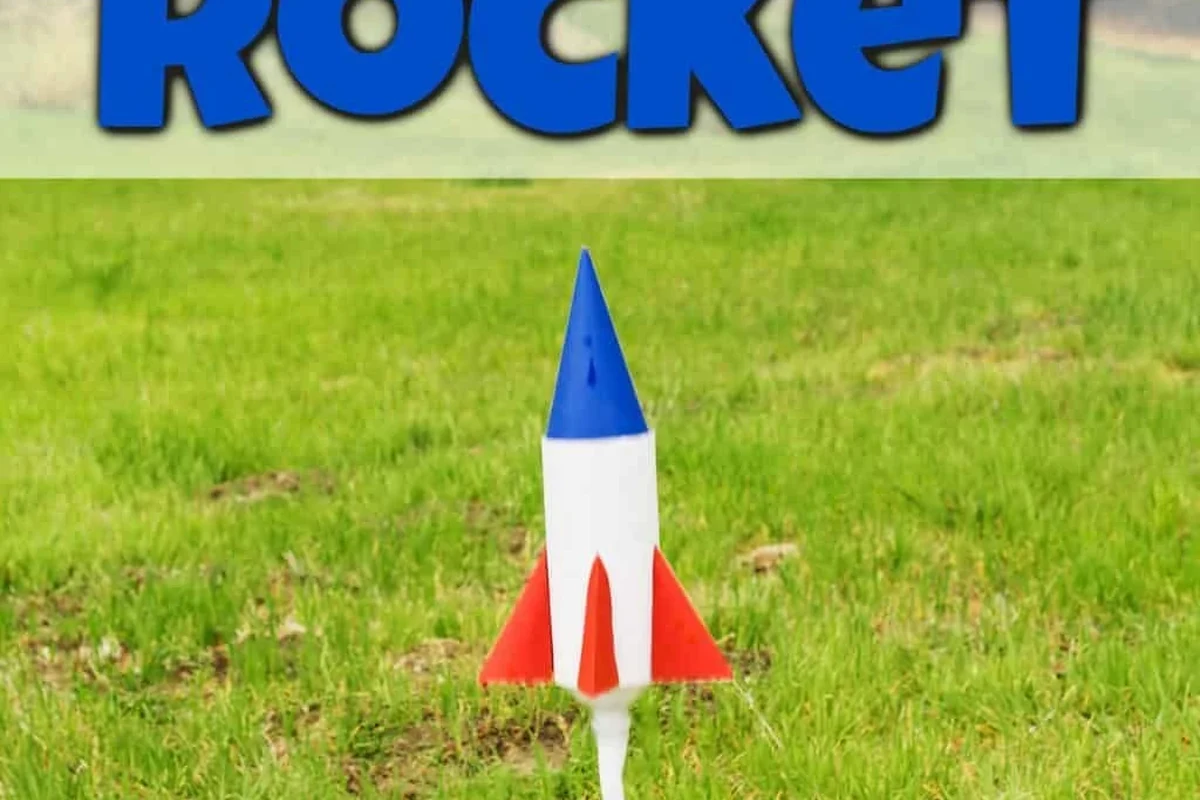
A baking soda and vinegar rocket is a small container launch experiment that uses an acid-base reaction to build pressure until the container pops free and shoots upward. The setup is usually simple enough for a classroom, homeschool lesson, or backyard STEM activity, but it still needs careful handling because pressure can build quickly.
The same basic reaction that makes this rocket launch is also the reason many people look up a baking soda and vinegar reaction explained simply when they want a clear kitchen-science explanation.
How the reaction creates thrust in a simple classroom-style launch
When baking soda meets vinegar, the mixture produces carbon dioxide gas. If that gas is trapped inside a closed container, pressure rises until the seal gives way and the container moves in the opposite direction.
That movement is the basic idea behind thrust. It is not a real fuel rocket, but the launch is still a good visual example of force, pressure, and reaction speed.
Why this experiment fits Baking Pastry Schools’ science-and-kitchen learning angle
This experiment belongs on a baking-focused site because baking is full of controlled chemical reactions. Baking soda is a leavening ingredient in cookies, cakes, and quick breads, and the same ingredient behaves very differently depending on what acid it meets and how quickly gas is released.
For readers who enjoy kitchen chemistry, this is a natural bridge between science class and pastry technique. It also helps explain why a batter can rise, why a dough can spread, and why ingredient balance matters in the oven.
Materials, Setup, and Safety Rules Before You Launch
Use a simple, controlled setup and keep the experiment outdoors. The goal is a small launch, not a powerful blast, so the container and ingredients should be chosen with restraint.
Choosing the right bottle, cork, or launch container for a controlled blast
A lightweight plastic bottle is usually safer than glass because it is less likely to shatter if pressure builds too fast. Some versions use a cork or tight stopper, but the seal must fit securely without being so rigid that it creates an unpredictable burst.
Choose a container that is small enough to launch cleanly but not so flimsy that it collapses. Avoid any container that could crack, split, or send sharp pieces outward.
Measuring baking soda and vinegar for repeatable results
Exact amounts depend on the container size, seal, and vinegar strength, so there is no single universal ratio. For repeatable classroom-style testing, start with small measured amounts and keep the same quantities for each trial.
Use measuring spoons rather than guessing. If you change one variable at a time, it becomes much easier to see what improved the launch.
Protective gear, outdoor space, and adult supervision requirements
Wear safety glasses and launch only in an open outdoor area away from faces, windows, pets, and fragile objects. Adult supervision is strongly recommended for children because a sealed reaction can pop suddenly.
Do not use glass containers, do not aim at people or animals, and do not seal the reaction indoors. If vinegar gets in the eyes, rinse with clean water and follow standard first-aid guidance.
How the Chemical Reaction Works in Plain English
Vinegar contains acetic acid, and baking soda is sodium bicarbonate. When they combine, they react and release carbon dioxide gas, which is what creates the pressure inside the rocket container.
Carbon dioxide buildup, pressure, and the moment of launch
At first, the reaction may look like fizzing or foaming. As gas continues to form in a closed space, pressure rises because the gas has nowhere to go.
Once the seal loosens, the built-up pressure pushes the container away from the launch point. That is why the launch can happen suddenly after a short delay.
What changes when you adjust vinegar strength or baking soda amount
More acid or more baking soda does not always mean a better rocket. If the mixture is unbalanced, extra ingredient can remain unused, or the reaction can happen too fast and waste pressure before the seal is ready.
Different vinegar brands can vary slightly in strength, and measuring methods can vary too. For that reason, treat results as comparable only when the setup stays consistent.
Why temperature and container seal affect performance
Warmer liquids generally react faster than cold ones, which can change the timing of the launch. A seal that is too loose may leak gas before pressure builds, while a seal that is too tight may delay launch and make the burst less predictable.
This is one reason the experiment can be useful for teaching cause and effect. Small changes in temperature, seal quality, and container fit often show up immediately in the result.
If you want a deeper kitchen comparison, the same ingredient is also discussed in everyday household uses like using baking soda instead of baking powder safely and in other baking soda versus baking powder questions.
Step-by-Step Rocket Build and Launch Method
The safest approach is to prepare everything first, then combine the ingredients only when you are ready to launch. Once the reaction starts, you do not have much time to adjust the setup.
- Work outside on a flat surface
- Put on safety glasses
- Measure ingredients before mixing
- Keep faces and hands back during launch
Preparing the rocket body and loading the ingredients correctly
Place the baking soda in a small packet made from tissue or thin paper so it can be dropped into the vinegar without spilling immediately. Pour the vinegar into the container first, then prepare the packet so the reaction starts only after assembly.
Keep the packet small enough to fit easily through the opening. If it is too large, it may stick before the reaction begins.
Timing the seal, shake, and placement for the best launch
Once the packet is inside, seal the container quickly and place it upright in the launch area. Some versions need a brief shake to help the packet break open, but too much shaking can start the reaction before you are ready.
Stand back immediately after sealing. If the container begins to bulge, hiss, or tip, do not hold it in your hand.
What a successful launch looks like and how to record results
A good launch usually has a short wait, a clear pop or release, and upward movement rather than a sideways burst. The container should travel cleanly without spilling a large amount of liquid at the start.
Record the container type, ingredient amounts, weather, and how long it took to launch. Simple notes make it easier to compare results from one run to the next.
Common Mistakes That Cause Weak Launches or Messy Failures
Most weak launches come from one of three problems: poor sealing, poor measuring, or the wrong container choice. The experiment is simple, but it is still sensitive to setup details.
Using too much liquid, too little powder, or the wrong container size
Too much vinegar can leave the mixture watery and reduce the pressure buildup you need. Too little baking soda can make the reaction weak, while an oversized container may give the gas too much room to spread out before launch.
The rocket fizzles but barely moves.
Check the measuring amounts, reduce excess liquid, and keep the same container size for comparison. Small changes matter more than many beginners expect.
Seal problems, leaks, and premature reaction before liftoff
If the packet opens too early or the seal leaks, the gas escapes before enough pressure builds. That usually leads to a spill, a weak pop, or no launch at all.
Work efficiently, but do not rush the setup so much that the ingredients mix before the container is closed. Timing is part of the experiment.
Why indoor testing and unsafe aiming should be avoided
Indoor testing can damage surfaces, create cleanup problems, and send liquid where it does not belong. It also raises the risk of hitting someone or something if the container launches unpredictably.
Never aim the rocket at a face, a window, or another person. A small experiment is still a pressure experiment, and pressure deserves respect.
Ways to Improve the Experiment for Classrooms, Homeschool, or Science Fair Use
This experiment becomes more educational when students test one variable at a time. That turns a fun launch into a real observation exercise instead of a one-off trick.
Testing different ratios, rocket shapes, or launch surfaces
Try changing only one factor, such as the amount of vinegar, the size of the packet, or the width of the container opening. You can also compare launch surfaces, since a flat stable base often performs better than a soft or sloped one.
Good for comparing how ingredient balance changes pressure and launch timing.
Useful for showing how shape and seal fit affect gas buildup.
Tracking distance, height, and reaction time with simple measurements
You do not need advanced equipment. A stopwatch, ruler, or tape measure is enough to compare how long the rocket takes to launch and how far it travels.
Keep notes on each trial in the same format. That makes patterns easier to spot and helps students see that science depends on careful observation.
Turning the experiment into a mini lesson on gas production and pressure
Use the launch to explain that gas takes up space, and trapped gas creates pressure. From there, it is easy to connect the experiment to real kitchen chemistry, where gas bubbles can help batter rise or affect texture.
How This Experiment Connects to Baking Science and Kitchen Chemistry
In pastry work, baking soda is not used to launch containers, but it does rely on the same idea: gas production. In cakes, muffins, and quick breads, that gas helps create lift and a lighter crumb when the formula is balanced correctly.
Comparing baking soda reactions in rockets, batters, and doughs
In a rocket, the goal is pressure. In baking, the goal is structure and rise without a harsh taste or uneven texture. That is why the same ingredient can be helpful in one setting and disappointing in another if the formula is off.
If you want to understand why some recipes call for baking soda and others call for baking powder, the difference comes down to how much acid is present and when the gas is released.
What students can learn about leavening, acid balance, and controlled reactions
The experiment shows that leavening is not magic; it is chemistry with timing. Too much acid, too little base, or poor mixing can change the result, just as in a batter that rises unevenly or tastes too alkaline.
That lesson is valuable in pastry education because consistency matters. A measured, repeatable reaction is usually more useful than a dramatic but uncontrolled one.
Why this is a useful bridge between science class and pastry education
Students who understand the rocket often understand baking soda in recipes more quickly. The experiment gives a visible example of gas, pressure, and timing, which are all important when mixing batters or adjusting a formula.
For readers interested in ingredient behavior, it also pairs well with practical kitchen uses like how to tell when baking soda expires and why freshness matters in real recipes.
Final Verdict: Is the Baking Soda and Vinegar Rocket Worth Trying?
Yes, the baking soda and vinegar rocket is worth trying if you want a low-cost, high-visibility science activity that also teaches kitchen chemistry. It works best when you treat it as a controlled experiment, not a toy, and when you keep the setup small and safe.
For home learning, classroom demonstrations, and simple STEM projects, this experiment is a strong choice because it is easy to understand and easy to repeat. Its biggest strengths are the clear reaction, the fast payoff, and the direct link between science and baking technique.
Best use cases for home learning, school demonstrations, and STEM activities
Use it when you want a short lesson with a memorable result. It is especially useful for younger students, mixed-age homeschool groups, and pastry learners who benefit from seeing ingredient chemistry in action.
Recap of what makes the experiment fun, safe, and educational
The experiment is fun because it launches quickly, educational because it shows gas pressure clearly, and safe when done outdoors with supervision and sensible container choices. If you want a simple activity that connects science class to baking fundamentals, this one still earns its place.
- Easy to set up with common kitchen ingredients
- Clear visual lesson on gas and pressure
- Useful for classroom, homeschool, or science fair demos
- Results vary with seal quality, temperature, and container size
- Can be messy if measured poorly
- Requires outdoor space and close supervision
Frequently Asked Questions
There is no single best ratio because the container, seal, and vinegar strength all affect the result. Start small, keep the same measurements for each trial, and change one variable at a time.
No, glass is not recommended because it can break if pressure builds quickly. A lightweight plastic container is the safer choice for a simple launch.
Weak launches often come from leaks, too much liquid, too little baking soda, or a container that is too large. Temperature and seal quality can also change the result.
It is better to do this experiment outdoors. Indoor testing can create mess, damage, and safety risks if the container launches unpredictably.
It shows the same kind of gas-producing reaction that helps some batters and doughs rise. The difference is that baking focuses on texture and structure, while the rocket focuses on pressure and movement.
Rinse the eye with clean water right away and follow standard first-aid guidance. If irritation continues, seek medical advice.