Baking soda is a gentle way to lift stuck-on food, reduce odors, and help dishes look cleaner. It works best for light to medium messes and should be paired with dish soap for heavy grease.
Baking soda for cleaning dishes is a simple, low-cost option for loosening stuck-on food, reducing odors, and giving cookware a gentler scrub. It is not a full replacement for dish soap in every situation, but it can make everyday cleanup faster and easier when you use it the right way.
- Best use: Use baking soda for residue, odors, and light scrubbing on common dish surfaces.
- Most effective method: Soak first for dried-on food, then scrub gently and rinse well.
- Main limit: It is not a full replacement for dish soap on greasy loads.
- Surface caution: Be careful with nonstick, cast iron, aluminum, and delicate finishes.
Why Baking Soda Works So Well on Dirty Dishes
Baking soda helps because it does two useful jobs at once: it adds a mild scrubbing action and it helps neutralize many unwanted smells. In a busy kitchen, that makes it especially handy for dishes that look clean but still feel greasy, dull, or a little sour after sitting in the sink.
How its mild abrasiveness lifts stuck-on food without scratching most surfaces
Baking soda is mildly abrasive, which means the fine powder can help lift dried egg, sauce, cheese, and baked-on bits without the harsh scrape you might get from a stronger scrubber. Used with a damp sponge or cloth, it can remove residue from many common dish surfaces while staying gentler than coarse cleansers.
That said, “mild” does not mean scratch-free on every material. The finish, age, and condition of the dish still matter, so a quick spot test is smart if you are cleaning something delicate or expensive.
Why baking soda helps with grease, odors, and cloudy residue
Baking soda is especially useful when dishes have an odor problem more than a heavy soil problem. It can help cut through the stale smell left by milk, fish, onions, coffee, or plastic containers, and it can also reduce the cloudy look that sometimes remains after food dries on glass or ceramic.
If you are also dealing with stubborn kitchen odors elsewhere, our guide on baking soda for smoke odors explains the same odor-control principle in another setting. For greasy cleanup, though, remember that baking soda helps most as a support cleaner, not as the main degreaser.
Baking soda is alkaline, which helps it handle some acidic odors and food films more effectively than plain water alone.
Best Ways to Use Baking Soda for Everyday Dish Cleaning
The best method depends on how dirty the dish is. For light residue, a quick paste is often enough. For dried-on messes, soaking first usually saves more time than scrubbing harder.
Making a simple paste for plates, bowls, and baking dishes
For routine cleanup, mix a small amount of baking soda with just enough water to form a spreadable paste. Use a soft sponge, cloth, or non-scratch scrub pad to apply it to plates, bowls, casserole dishes, and baking pans with stuck-on spots.
Let it sit briefly on the problem area, then wipe and rinse well. If you are cleaning a dish that also needs a standard wash, follow with dish soap and warm water so you remove both residue and any powder left behind.
Soaking pans and utensils to loosen dried-on food
For dried oatmeal, cheese, sauce, or crusted batter, a soak is often more effective than dry scrubbing. Sprinkle baking soda into the pan or bowl, add warm water, and let the item sit long enough for the stuck-on food to soften.
Utensils, spatulas, and whisks with tiny food pockets often clean up better after soaking because the water can reach into the crevices. If the item still feels gritty after soaking, repeat the soak instead of pressing harder with the scrubber.
Warm water usually works better than cold water for loosening food residue, but very hot water is not necessary for most jobs and can make some cookware harder to handle safely.
Using baking soda in the sink for a gentle scrub step
You can also use baking soda as a middle step in the sink after the first rinse. This works well when a dish is mostly clean but still has a few dull patches or a lingering smell.
Lightly sprinkle the soda into the damp sink basin or onto the dish, scrub gently, and rinse thoroughly. This approach is especially useful after you have already removed the worst of the food with soap and water, similar to how some people use a mild cleaner after a bigger mess in the kitchen.
What Dishes, Cookware, and Materials It Works Best On
Baking soda is versatile, but it is not equally ideal for every kitchen surface. The safest approach is to match the cleaner to the material and the type of mess.
Glass, ceramic, stainless steel, and enamel-safe use cases
Glass baking dishes, ceramic bowls, stainless steel utensils, and many enamel-coated pieces usually respond well to baking soda when cleaned with a gentle touch. These materials can often handle a mild paste or soak, especially when the food is dried on rather than burned into the surface.
For cloudy glass or dull stainless steel, baking soda can help restore a cleaner look without the strong smell that some commercial cleaners leave behind. If you are cleaning a piece with a manufacturer’s care label, follow that guidance first.
When to be cautious with nonstick, cast iron, aluminum, and delicate finishes
Be careful with nonstick cookware, because even a mild abrasive can wear on a coating if you scrub too often or too aggressively. Cast iron also needs special care, since too much soaking or repeated abrasion can interfere with seasoning.
Aluminum can discolor, and decorative or hand-finished surfaces may lose their shine if you rub them hard. When in doubt, use a softer cloth, shorten the contact time, and test a small hidden area first.
Check the care instructions for any specialty cookware before using baking soda. Manufacturer guidance should come first for nonstick coatings, cast iron, and any item with a delicate finish.
Examples of common kitchen messes baking soda handles well
Baking soda is a good match for dried pancake batter, baked-on casserole edges, tea stains on mugs, and faint food smells inside lunch containers. It can also help with the gray film that sometimes appears after tomato sauce or egg dishes dry on a plate.
If you are comparing it with other home-cleaning methods, our article on baking soda vinegar cleaning ovens shows where a paste-style cleaner works best on baked-on residue. For dishes, the same idea applies: let the cleaner sit long enough to soften the mess before you scrub.
Step-by-Step Cleaning Methods That Actually Save Time
The fastest method is usually the one that matches the mess level. Start with the least aggressive option that can still do the job, then repeat if needed.
Use a small sprinkle of baking soda on a damp sponge for light residue, then wipe the dish and rinse well. This is best for fresh splatters, light odors, and dishes that only need a little extra help after washing.
Mix baking soda with a little water until it forms a paste, spread it over the stuck-on area, and let it sit briefly. Scrub with a non-scratch pad, then rinse and wash with soap if needed.
For crusted or dried-on food, fill the dish with warm water and add baking soda before scrubbing. Soaking softens the buildup so you do less work later and are less likely to damage the surface.
How much baking soda to use for light, medium, and heavy messes
For a light mess, a small sprinkle is usually enough. For medium messes, use enough baking soda to coat the problem area in a thin paste. For heavy messes, use a generous layer in a soak so the residue can soften before you scrub.
Exact amounts vary by dish size, how long the food has been sitting, and how hard the residue has dried. If the first round barely changes the texture, add more contact time rather than immediately adding more powder.
Scrubbing technique, contact time, and rinsing method
Use small circles and light pressure. If the residue is stubborn, pause and let the paste sit a little longer instead of pressing harder, because force is more likely to scratch than time is.
Rinse until the surface no longer feels chalky or gritty. A final rinse with warm water usually helps remove the last film, and a quick towel dry can make glass and stainless steel look clearer.
Never scrub so hard that you lose control of the dish or cut yourself on a chipped edge. If a pan is hot, let it cool before cleaning so steam, splashes, and sudden temperature changes do not cause burns or warping.
When to repeat the process instead of scrubbing harder
If a stain or crust is still there after one gentle pass, repeat the soak or paste step. That is often faster and safer than trying to muscle through it in one round.
This is especially true for baked-on sugar, dairy residue, and sauce spots, which often soften gradually. Repeating the process also helps preserve delicate finishes and keeps your hands from doing unnecessary work.
Common Mistakes People Make When Cleaning Dishes with Baking Soda
Baking soda is easy to use, but a few common mistakes can reduce its usefulness. Most problems come from using too much, expecting it to do everything, or scrubbing too aggressively.
Using too much product and leaving a gritty residue
More powder does not always mean better cleaning. If you use too much baking soda, it can leave a chalky film that takes extra rinsing and may make the dish look dull.
A thin layer is usually enough for most jobs. If the dish still feels gritty after rinsing, rinse again rather than adding more cleaner right away.
Expecting it to replace dish soap for greasy loads
Baking soda can help with greasy dishes, but it is not a full substitute for dish soap when the load is heavily oily. Dish soap is designed to break up grease more directly, which is why it is still the better first choice for pans with heavy fat or oil.
Think of baking soda as a support step for odor, residue, and stuck-on bits. For a greasy skillet, soap usually does the main work and baking soda can help afterward if a smell or film remains.
Rubbing too aggressively on sensitive cookware
Strong pressure can damage coatings, dull polished surfaces, and wear down seasoning on cast iron. If you find yourself pressing hard, the cleaner may need more time instead of more force.
For cookware care basics, it helps to know the difference between cleaners and leaveners too. If you ever need a refresher on ingredient roles, our article on using baking soda instead of baking powder safely explains why baking soda behaves differently from other pantry ingredients.
Baking Soda vs. Other Dish-Cleaning Options
Different cleaners solve different problems. Baking soda is best when you want a gentle scrub, odor control, or help with residue that has already started to dry.
- Gentle on many common dish surfaces
- Helps with odors and light residue
- Easy to keep in the kitchen
- Less effective on heavy grease than dish soap
- Can leave residue if not rinsed well
- Not ideal for every coating or finish
How it compares with dish soap, vinegar, and commercial scrub powders
Dish soap is usually better for cutting grease and washing a full sink of dishes. Vinegar can help with some mineral film and odors, but it is not a universal cleaner and should not be mixed casually with other products unless the label says it is safe.
Commercial scrub powders may clean faster on certain jobs, but they can also be more abrasive or more strongly scented. Baking soda sits in the middle: gentle, familiar, and useful for many everyday tasks.
When baking soda is the better choice for odor control and gentle cleaning
Choose baking soda when the main problem is smell, light discoloration, or a thin layer of dried residue. It is also a smart choice when you want a low-odor cleaner for items like lunch containers, mugs, or serving bowls.
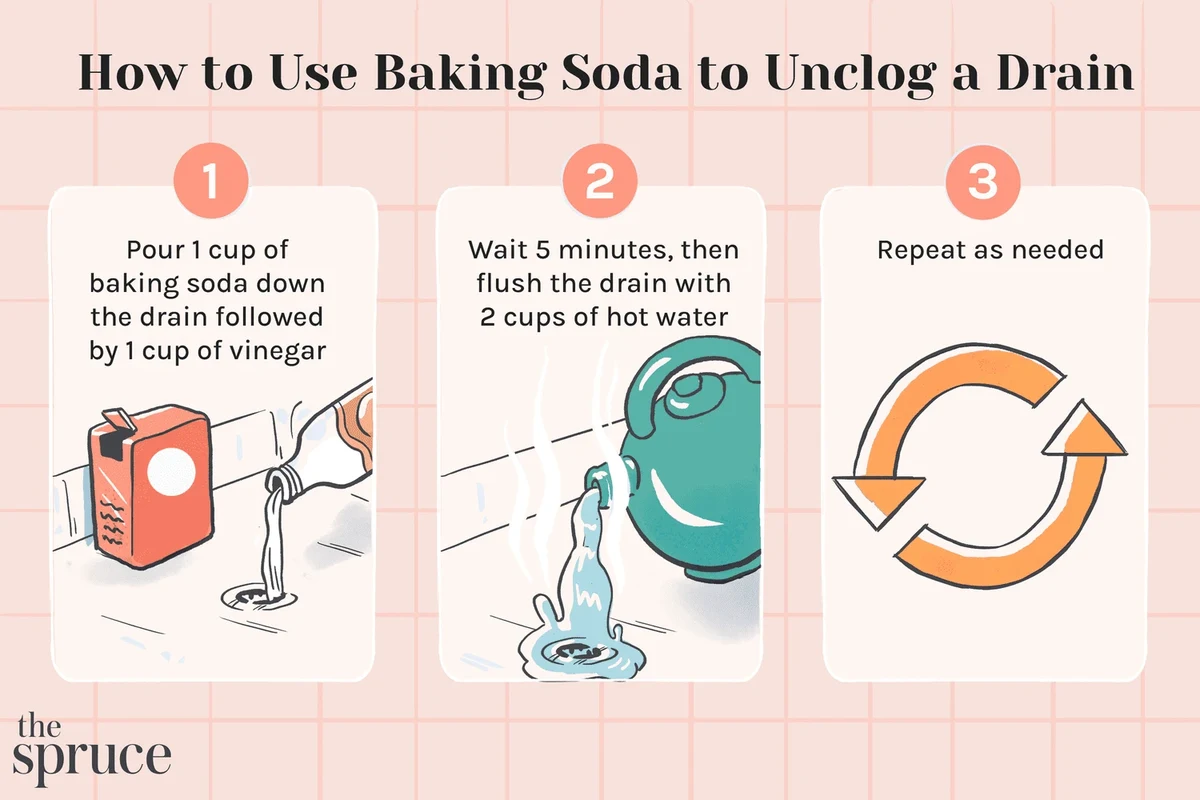
If you are also interested in how baking soda works in other cleaning projects, our guide to cleaning drains with vinegar and baking soda shows another common household use where odor control matters.
When another cleaner is more effective for heavy grease or sanitizing
For a pan coated in heavy oil, start with dish soap and hot water if the material allows it. For sanitizing food-contact surfaces, follow recognized food-safety guidance and use the right product for the job rather than assuming baking soda alone is enough.
In home kitchens, cleaning and sanitizing are not the same thing. Baking soda is a cleaner and deodorizer, but it is not a stand-alone sanitizer for every situation.
Safety, Storage, and Best Practices for a Cleaner Kitchen
A little care makes baking soda more effective and keeps cleanup safe. The main goals are proper rinsing, dry storage, and matching the cleaner to the right surface.
Safe handling around food-contact surfaces and rinse requirements
Baking soda is commonly used in kitchens, but any cleaner used on food-contact surfaces should be rinsed thoroughly. If a dish still feels powdery after cleaning, rinse again before using it for food.
For cutting boards, serving dishes, and utensils, use common-sense food safety habits and follow official guidance when needed. If a surface was in contact with raw meat, eggs, or another high-risk food, cleaning steps should be especially careful.
How to store baking soda so it stays dry and usable
Keep baking soda sealed in a dry container or its original box if the package closes well. Moisture can make it clump, which makes it harder to measure and less pleasant to use for scrubbing.
If the box has picked up strong odors from the pantry or fridge, it may still be usable for cleaning, but fresh baking soda is usually best when you want the cleanest result. If you are unsure whether a box is still good for kitchen use, our article on when baking soda expires can help you judge whether it should be replaced.
Simple habits to prevent buildup, stains, and lingering smells
Rinse dishes soon after use when possible, especially after eggs, dairy, tomato sauce, and oily foods. The longer food dries, the more likely it is to cling and stain.
Soaking a dirty pan right away usually saves more time than attacking it later with extra force. That habit also helps keep your sponges, sink, and drain from carrying strong food smells through the kitchen.
Final Verdict: When Baking Soda Is the Right Choice for Dish Cleaning
Baking soda is a smart choice for busy home kitchens in 2026 when you want a gentle cleaner that helps with odors, light stains, and stuck-on food. It works best as a support tool: use it for soaking, deodorizing, and soft scrubbing, then rely on dish soap when grease is the main problem.
Best use cases for busy home kitchens in 2026
Use baking soda for casserole dishes, mugs, glass containers, stainless steel utensils, and pans with dried-on residue that has not fully bonded to the surface. It is especially helpful when you want a simple option that does not add a strong scent or a harsh feel to your cleanup routine.
When to skip it and choose a stronger or specialized cleaner instead
Skip baking soda when you need heavy-duty grease removal, specialty care for nonstick or cast iron, or a product designed for sanitizing. If a cookware manufacturer gives specific cleaning instructions, follow those first.
Used with good judgment, baking soda is one of the easiest kitchen helpers to keep on hand. It will not solve every mess, but for many everyday dishes, it is a practical, affordable, and reliable place to start.
Frequently Asked Questions
It can help with light grease and residue, but dish soap usually works better for heavy oily loads. Baking soda is best as a gentle scrub or soak step.
Make a paste with a little water or soak the dish in warm water with baking soda first. Let it sit so the residue softens before you scrub.
It is mild, but it can still dull delicate finishes if you scrub too hard. Test a small area first on nonstick, cast iron, aluminum, or decorative surfaces.
Yes. Rinse well until no powdery or gritty feel remains, especially on food-contact surfaces.
You can use them for some cleaning tasks, but the fizzing reaction does not make them stronger as a combined cleaner. For dishes, baking soda alone or dish soap is usually more useful.
No. Use caution with nonstick, cast iron, aluminum, and delicate finishes, and always check the manufacturer’s care instructions first.
