
Baking Soda Face Mask Benefits and DIY Tips for Glowing Skin
A baking soda face mask may give a temporary clean feeling, but it can also irritate the skin and disrupt the barrier. If you try it, keep it very mild, patch test first, and stop at the first sign of burning or redness.
A baking soda face mask is one of those DIY beauty ideas that keeps coming back because it is simple, cheap, and easy to find in almost any kitchen. But “easy to make” does not always mean “safe for every face,” so it helps to understand what it can and cannot do before you try it.
- Temporary effect: It may reduce surface oil for a short time, but results usually do not.
- Barrier risk: Baking soda is alkaline and can be too harsh for sensitive or dry skin.
- Safer approach: Use a thin paste, patch test first, and keep contact time brief.
- Common mistake: Frequent use or mixing with acids can increase irritation.
- Better alternatives: Gentle exfoliants and hydrating masks are often more effective for regular care.
What a Baking Soda Face Mask Is and Why It Became a Search Trend
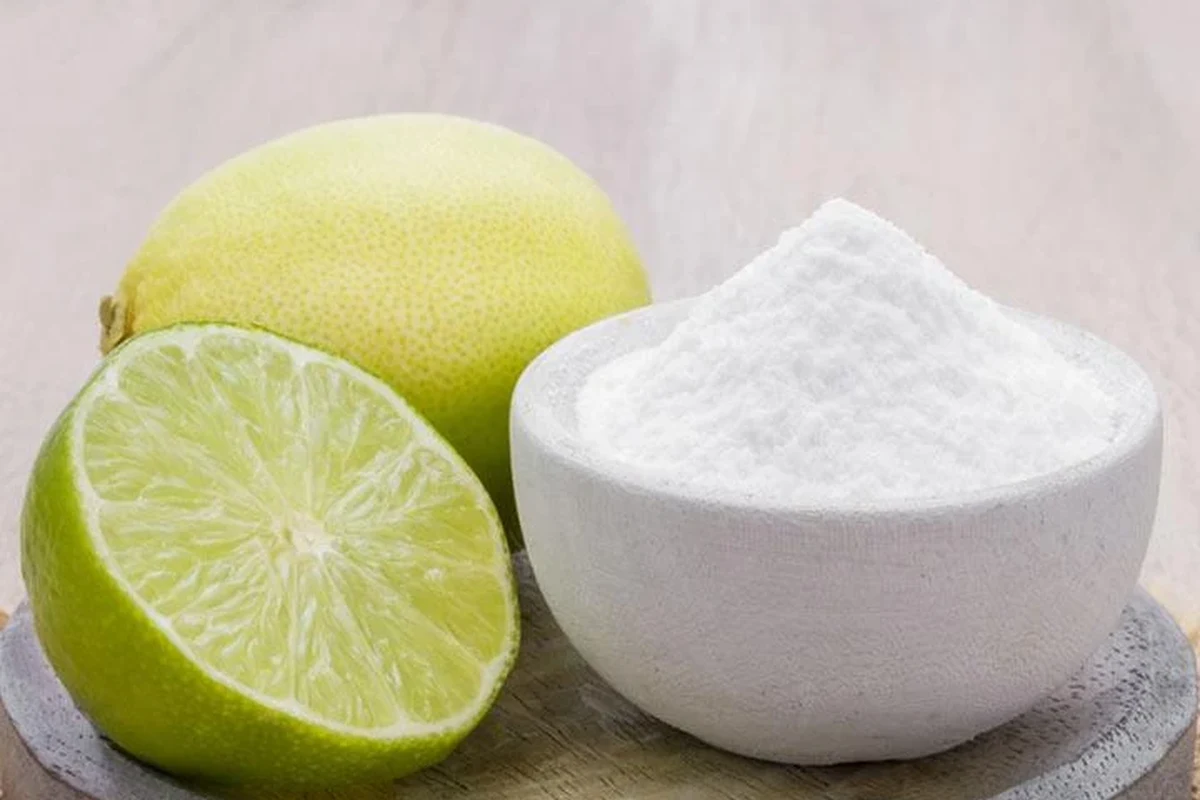
A baking soda face mask is a homemade skincare mix that usually combines sodium bicarbonate with water or another mild ingredient, then applies it briefly to the skin. People often try it as a quick fix for oiliness, rough texture, or that freshly cleansed feeling.
How baking soda works on skin in simple terms
Baking soda is alkaline, which means it sits on the higher end of the pH scale. Skin is naturally slightly acidic, so baking soda can temporarily change the skin’s surface environment and loosen some oily buildup or residue.
That is also why it can feel “squeaky clean” after use. In skincare, though, that clean feeling is not always the same thing as healthy skin barrier support.
Skin barrier health depends partly on maintaining a slightly acidic surface, which helps support moisture balance and normal defense against irritation.
Why people search for it in 2026: DIY skincare, affordability, and viral beauty advice
Search interest keeps rising because DIY skincare still appeals to people who want low-cost options they can make at home. Viral clips also make baking soda look like a fast answer for shine, clogged pores, or dullness, even when the result is mostly temporary.
That is why it is worth comparing the trend with more practical guidance, like how you would compare baking ingredients before using them in a recipe. If you want to understand ingredient behavior in a simple kitchen context, our guide on using baking soda instead of baking powder safely shows how easily one ingredient can behave very differently depending on the job.
Potential Benefits People Hope to Get from a Baking Soda Face Mask
The main appeal of a baking soda face mask is not long-term skincare repair. It is the short-lived effect people may notice right after rinsing, especially if their skin feels oily or coated.
Temporary oil control and the “clean skin” feeling
Baking soda may absorb or lift some surface oil, which can make the skin look less shiny for a short time. That can be satisfying, especially before an event or after a long day.
Still, this is a cosmetic effect, not a treatment for the underlying cause of excess oil. If skin gets stripped too far, it can sometimes respond by feeling tight, irritated, or even producing more oil later.
Exfoliation claims and why the texture matters
Some people use baking soda as a physical exfoliant because the powder is fine and slightly gritty. That texture can remove loose surface flakes, but it can also become too abrasive if rubbed in hard or left on too long.
Think of it like using too much force when scrubbing a delicate pan: you may remove buildup, but you can also damage the surface. The skin barrier is not meant to be scrubbed aggressively.
Do not assume a gritty DIY mask is automatically a good exfoliant. If it stings, burns, or leaves skin red for more than a short period, it is too harsh and should be stopped.
When people try it for spot treatment, dullness, or clogged-feeling skin
Some users reach for baking soda when a pimple is forming, when skin looks dull, or when pores feel congested. In practice, it may only help with the surface feel, not with the deeper causes of acne or uneven tone.
If your goal is removing residue or buildup, a gentle cleanser or a mild exfoliating product is often a better fit. For non-skin uses of baking soda, such as household cleaning, our article on the baking soda and vinegar reaction explained simply covers why the ingredient behaves so differently outside skincare.
- May reduce surface oil temporarily
- Can create a short-lived clean feeling
- Easy to mix with basic ingredients
- Can be abrasive on delicate skin
- Does not solve root skin concerns
- May disrupt the skin barrier if overused
What Skin Types Should Be Cautious Before Trying It
Not every face mask should be treated like a universal kitchen staple. Skin type matters a lot, and some people are more likely to react badly to baking soda than others.
Why sensitive, dry, or acne-inflamed skin can react badly
Sensitive skin can sting quickly because it already has a lower tolerance for harsh or alkaline ingredients. Dry skin can become tighter and more flaky, while inflamed acne may feel more irritated after contact.
If your skin is already compromised, a DIY mask can turn a small issue into a bigger one. That is especially true if the skin is actively peeling, over-exfoliated, sunburned, or freshly shaved.
How pH imbalance can affect the skin barrier
The skin barrier helps keep moisture in and irritants out. When a product is too alkaline, it can interfere with that surface balance and leave the skin feeling stripped.
That does not mean one brief use will ruin your skin, but repeated use can make the barrier less comfortable and more reactive. In skincare terms, the problem is often not the ingredient alone, but the combination of pH, friction, and frequency.
Signs a DIY mask is too harsh and should be stopped immediately
Stop right away if you feel burning, strong stinging, itching, or a hot sensation that does not fade quickly. Redness, peeling, swelling, or tiny raw patches are also warning signs.
If the area feels tender after rinsing, do not “push through” and try again later the same day. Rinse well, moisturize with a gentle product, and avoid adding more exfoliation.
Never apply a baking soda mask to broken skin, active rashes, or areas that already feel irritated. If you have a skin condition or frequent reactions, check with a dermatologist before trying home remedies.
How to Make a Baking Soda Face Mask More Safely
If someone still wants to try a baking soda face mask, the safest approach is to keep it mild, brief, and infrequent. Less product, less rubbing, and less time on the skin are usually better.
Common DIY ingredient pairings and the role each one plays
Water is the simplest pairing because it keeps the mask minimal. Some people add honey for a more cushioning feel, or plain yogurt for a creamier texture, but those additions do not automatically make the mask safe for everyone.
Avoid turning the mask into a strong “treatment cocktail” by adding acids, scrubs, or essential oils. When skincare ingredients are layered without care, irritation risk rises quickly.
If you are comparing baking soda with other household ingredients, remember that a kitchen ingredient can behave very differently depending on what it is mixed with. That is why simple formulas are usually easier to control than trendy multi-ingredient DIY blends.
Suggested measurement ranges and why less is usually better
A gentle starting point is a small amount of baking soda mixed with enough water to form a thin paste, not a thick scrub. Exact amounts vary, but the goal is a light, spreadable consistency rather than a grainy paste that needs pressure to move.
If you use too much powder, the mask becomes harder to spread evenly and more likely to feel abrasive. In skincare, as in baking, the smallest effective amount is often the smartest place to start.
- Test a small patch first
- Use a clean bowl and clean hands
- Keep the mixture thin and simple
- Stop if the skin feels hot or tight
Patch testing, timing, and frequency guidelines
Patch test on a small area first and wait long enough to see whether redness or irritation develops. If the skin reacts, do not use the mask on your face.
When used at all, keep contact time short and do not make it a daily habit. A once-in-a-while experiment is very different from repeated use, which is where many problems start.
Application Method, Timing, and Common Mistakes
Application matters as much as the ingredients. A gentle mask can become harsh if it is rubbed in aggressively or left on until it dries completely.
How to mix, apply, and rinse without over-scrubbing
Mix the ingredients just until they form a smooth paste. Apply a thin layer with clean fingers, using light pressure and avoiding the eye area, nostrils, and lips.
When rinsing, use lukewarm water and soft fingertips. Do not scrub the mask off, because the combination of moisture and friction can make irritation worse.
Combine a little baking soda with water until you get a thin paste that spreads easily.
Spread a very thin layer on clean skin and avoid rubbing or massaging it in.
Remove with lukewarm water before the skin feels tight, then pat dry and moisturize.
How long to leave it on and when to remove it early
Short contact is safer than long contact. If the mask begins to sting, dry down uncomfortably, or make the skin feel tight, rinse it off early instead of waiting for a set time to pass.
There is no benefit in making the skin “tough it out.” The goal is to test tolerance, not to challenge the barrier.
Frequent mistakes: using it too often, combining with acids, or applying on broken skin
One of the biggest mistakes is using baking soda too often because the skin looks oily for a day or two. That can create a cycle of stripping and rebound irritation.
Another common problem is mixing it with acids like lemon juice or strong exfoliants. That does not create a smarter mask; it often creates a more irritating one. For a broader look at ingredient behavior, our guide on whether baking soda and baking powder are the same helps explain why similar-looking ingredients do not always work the same way.
- Keep the paste thin and simple
- Patch test before full-face use
- Rinse early if irritation starts
- Scrubbing while applying or rinsing
- Mixing with acids or harsh add-ins
- Using it on broken or inflamed skin
Real-World Results: What to Expect and What Not to Expect
The biggest mistake with a baking soda face mask is expecting it to work like a full skincare plan. It may give a quick cosmetic improvement, but that is not the same as healing the skin long term.
Short-term cosmetic effects versus long-term skin improvement
Short-term effects may include less shine, a smoother feel, or the impression that pores look cleaner. These changes often fade quickly once the skin rebalances.
Long-term improvement usually comes from consistent, skin-appropriate care: gentle cleansing, moisturizing, sun protection, and targeted products chosen for your concern.
Why it is not a treatment for acne, hyperpigmentation, or eczema
Baking soda is not a reliable treatment for acne, dark marks, or eczema. Those concerns have different causes and often need different ingredients, routines, or medical guidance.
Using a harsh DIY mask on acne-prone or eczema-prone skin can make the problem feel worse, not better. If symptoms are persistent, painful, or spreading, a professional evaluation is the safer route.
Examples of better alternatives for different skin concerns
For clogged-feeling skin, a gentle salicylic acid cleanser or a mild clay mask may be a better fit, depending on tolerance. For dryness, look for glycerin, ceramides, or hyaluronic acid in a simple moisturizer.
For dullness, a soft exfoliant used at the right frequency is usually more effective than a harsh scrub. If you want a household ingredient comparison in another context, our article on baking soda for shoes cleaning shows how well it can work for odor and residue outside the skin.
Safer DIY Alternatives and When to Choose Them Instead
If your skin is sensitive, dry, or easily irritated, a gentler option is usually the better choice. DIY does not have to mean rough.
Gentler exfoliating options for dry or sensitive skin
Soft washcloth exfoliation, enzyme-based products, or mild lactic acid formulas may be easier on the skin than baking soda. The key is low friction and gradual use.
Choose one gentle method at a time so you can tell what your skin actually tolerates. Too many active ingredients at once make troubleshooting difficult.
Hydrating mask ingredients for barrier support
Simple hydrating ingredients like plain aloe-based products, colloidal oatmeal, honey, or fragrance-free moisturizing masks can support comfort better than an alkaline scrub. These options are especially useful when the skin feels dry or tight.
Hydration and barrier support often help the skin look healthier than aggressive cleansing ever will. That is a useful reminder in both baking and skincare: stability usually beats force.
Best when skin feels dry or tight and needs comfort more than exfoliation.
Best when you want smoother texture without the harsh feel of baking soda.
When to consider dermatologist-recommended products instead of home remedies
If you have persistent acne, recurring redness, eczema, or unexplained irritation, a dermatologist-recommended routine is usually the better investment. Home remedies are not designed to diagnose or treat skin conditions.
That is the same practical mindset we use when comparing kitchen tools: choose the method that fits the job, not the one that simply sounds easiest. For a lighter alternative perspective on ingredient use, you may also find our guide on Bobs Red Mill baking soda review helpful when evaluating product quality for everyday use.
Final Verdict: Is a Baking Soda Face Mask Worth Trying?
A baking soda face mask may be worth a very cautious try only if your skin is resilient, you want a short-term clean feeling, and you are willing to patch test first. Even then, it should be used sparingly and gently.
Best-use scenarios, biggest limitations, and safety-first recap
The best-case scenario is temporary oil reduction and a smoother surface feel. The biggest limitation is that baking soda can be too harsh for many skin types and does not offer lasting correction for common concerns.
If you do try it, keep the formula simple, the contact time short, and the pressure light. Stop at the first sign of discomfort.
How to decide whether to skip it, test it carefully, or choose a gentler option
Skip it if your skin is sensitive, dry, inflamed, or already irritated. Test it carefully only if you have no history of reactions and you are comfortable patch testing first.
Choose a gentler option if your main goal is hydration, barrier support, or long-term skin improvement. In most cases, that is the more reliable path to calmer, healthier-looking skin.
A baking soda face mask is a high-caution DIY idea: useful for a brief surface-clean feeling, but limited and often too harsh for regular skincare. If you want the safest result, start with gentler exfoliation or hydrating masks instead.
Frequently Asked Questions
Use it very rarely, if at all, because repeated use can irritate the skin barrier. If you try it, keep it occasional and stop if your skin feels tight or burned.
Some people do, but honey does not remove the risk of irritation from baking soda. A patch test is still important, and the mask should stay brief and gentle.
It is not a reliable acne treatment. It may temporarily reduce surface oil, but it can also irritate inflamed skin and make acne feel worse.
Rinse it off right away with lukewarm water and stop using it. If redness, swelling, or pain continues, seek professional medical advice.
No, it is not a dependable treatment for dark spots. Safer and more targeted skincare ingredients are usually a better choice for uneven tone.
A hydrating mask, enzyme exfoliant, or fragrance-free moisturizer is usually gentler. These options are often better for dry, sensitive, or reactive skin.
