
How Much Baking Soda in Bath for Best Results

For most standard baths, start with 1/2 cup of baking soda and adjust based on tub size and skin sensitivity. Use warm water, dissolve it well, and stop using it if it leaves your skin dry or irritated.
If you are wondering how much baking soda in bath is actually useful, the short answer is usually a small, measured amount rather than a big scoop. The right amount depends on tub size, your skin sensitivity, and what you want the bath to do.
- Best starting point: About 1/2 cup works for many standard tubs.
- Mixing matters: Add it during filling and stir to prevent grit.
- Skin first: Use less for sensitive or dry skin.
- Know the limits: Baking soda can soothe, but it does not treat infections or skin disease.
How Much Baking Soda in Bath: What the Right Amount Actually Does
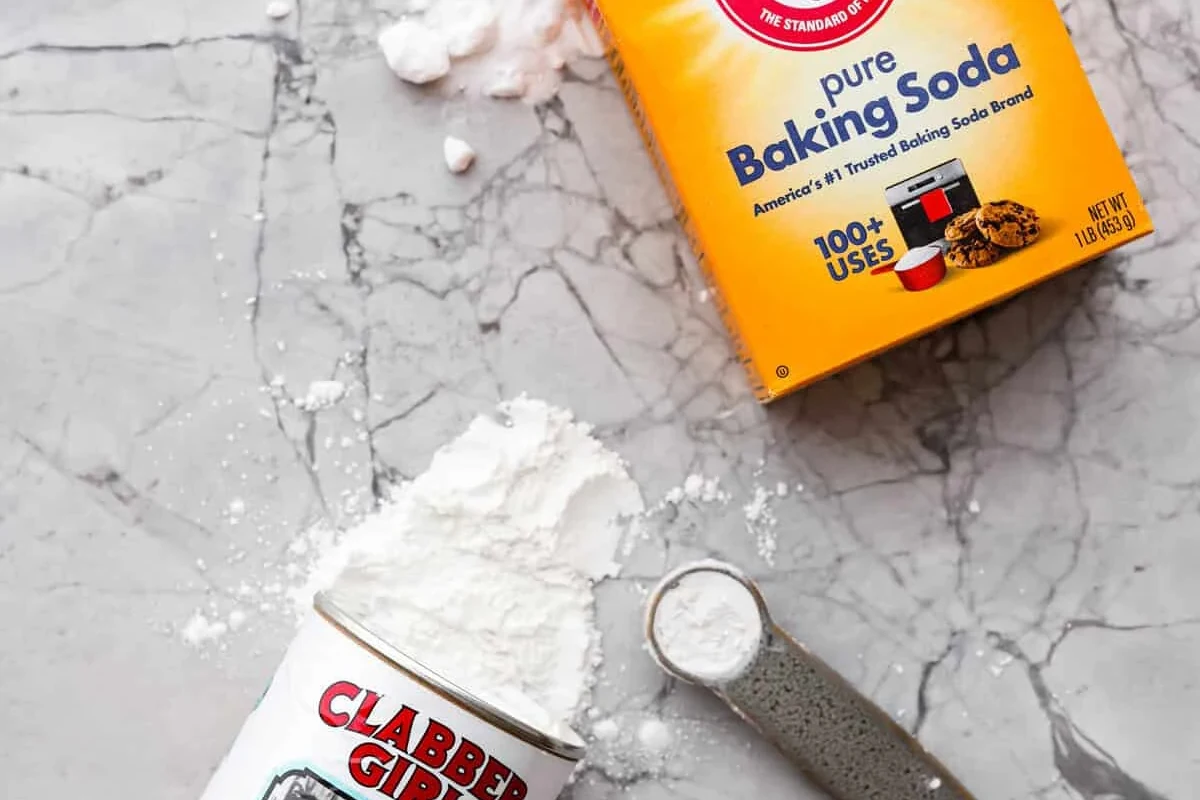
Baking soda is sodium bicarbonate, a mild alkaline powder that changes the feel of bathwater when it dissolves evenly. In a bath, it is usually used for a softer water feel, light odor control, and temporary skin comfort rather than dramatic treatment.
Why people add baking soda to bathwater
People often add baking soda to a bath because they want the water to feel less harsh on the skin. It can also help with mild odor issues after sweating, yard work, or a long day in warm weather.
In kitchen terms, baking soda works best when it is used in a controlled amount. Too little may not change much, while too much can leave the water feeling slippery or leave powder behind.
How the amount changes the feel of the bath
The amount you use affects both the water and your skin. A small amount may make the bath feel slightly smoother, while a larger amount can make the water feel more alkaline and may increase the chance of dryness or irritation for some people.
That is why the goal is not to overload the tub. You want enough to dissolve well and do its job without leaving a gritty layer on the bottom or a chalky film on the skin.
Baking soda dissolves more evenly in warm water than in cool water, which helps reduce residue and improves the overall bath feel.
When “more” stops being better
More baking soda is not automatically better in a bath. Once the water reaches a certain point, extra powder mostly increases the chance of residue, dryness, and an overly alkaline feel without adding much benefit.
If your skin is already dry, sensitive, or freshly shaved, a heavy dose is more likely to feel uncomfortable. In those cases, a plain bath or a very light baking soda bath is often the smarter choice.
Recommended Baking Soda Amounts for Different Bath Sizes
A practical starting point for most standard tubs is about 1/2 cup to 1 cup of baking soda. That is a common beginner range, but the best amount depends on how much water your tub holds and how strong you want the effect to be.
Standard bathtub measurements and a simple starting range
For a typical full-size bathtub, starting with 1/2 cup is a cautious choice, and 1 cup is a common upper end for a normal soak. If you are unsure, begin with less rather than more, especially if the bath is for sensitive skin.
Because tubs vary in shape and fill level, exact measurements are not universal. A deeper fill needs more water treatment to feel noticeable, while a shallow soak may need less.
The same scoop can feel stronger in a smaller tub or when the bath is only half full. Water volume matters more than the tub’s label alone.
Small tubs, soaking tubs, and oversized baths
Small tubs usually need less baking soda, often closer to 1/4 cup to 1/2 cup. Oversized soaking tubs may take more, but it is still wise to increase gradually instead of jumping to a large amount at once.
If you have a deep soaking tub, think in terms of concentration rather than just total volume. A large tub filled high may need more than a standard tub, but the right amount should still dissolve cleanly without leaving a chalky ring.
| Option | Best For | Key Consideration |
|---|---|---|
| 1/4 cup | Small tubs or sensitive skin | Light effect, lower residue risk |
| 1/2 cup | Most standard baths | Good starting point for beginners |
| 1 cup | Full-size tubs and stronger odor control | Watch for dryness or leftover powder |
How to adjust for adults, kids, and sensitive skin
Adults can usually start with the standard range and adjust based on comfort. For children, it is safer to use less and to confirm with a pediatrician if the bath is being used for a skin concern.
For sensitive skin, the best approach is usually the smallest effective amount. If you already know that your skin reacts to fragranced products or long soaks, keep the baking soda light and shorten the bath time.
Do not use baking soda baths as a substitute for medical care for rashes, infections, burns, or severe irritation. If skin symptoms are persistent or worsening, check with a qualified health professional.
How to Mix Baking Soda Into a Bath the Right Way
Good mixing matters because baking soda works best when it dissolves evenly. If it clumps, you are more likely to get gritty residue on the tub floor or a powdery feel on the skin.
Best water temperature for dissolving it evenly
Warm water is usually the best choice because it helps the powder dissolve faster. Very hot water is not necessary and can make the bath uncomfortable, while cool water may leave more undissolved particles behind.
You do not need boiling or near-boiling water. In a bath setting, comfortable warm water is enough to help the baking soda disperse well.
Step-by-step method to avoid gritty residue
A simple method works best: measure the baking soda, add it gradually, and stir the water with your hand before getting in. This helps the powder spread through the bath instead of settling in one area.
Use a measuring cup so you know exactly how much you are adding. Guessing often leads to using too much.
Sprinkle it in as the water runs so the moving water helps it dissolve. This is usually easier than dumping it in at the end.
Swirl the water by hand to break up any remaining clumps. Check the bottom of the tub for powder before you sit down.
When to add it: before filling, during fill, or after
Adding baking soda during the fill is often the easiest method because the incoming water helps it dissolve. Adding it before the tub fills can work too, but it may sit in one spot and clump if the water pressure is low.
Adding it after the tub is full is possible, but it usually requires more stirring. If you choose that method, take a moment to mix thoroughly so the powder does not settle on the tub floor.
Keep the tub floor clean and fully dissolved before stepping in. Undissolved powder can make the surface slippery and increase the risk of a fall.
What Baking Soda Can and Cannot Do in a Bath
Baking soda baths can be useful, but they have limits. They are best thought of as a gentle bath additive, not a cure-all.
Skin comfort, odor control, and temporary relief uses
For some people, a baking soda bath can make the water feel less irritating and help reduce odor after sweating. It may also provide temporary comfort when skin feels mildly itchy or irritated from everyday exposure.
If your goal is simple cleansing, odor control, or a lighter-feeling soak, baking soda can be a practical option. It can be especially useful after a workout, a hot day, or a messy cleanup task.
- Simple and inexpensive
- Can soften the bath feel
- May help with mild odor control
- Can dry or irritate some skin types
- May leave residue if overused
- Not a treatment for medical skin problems
Why it is not a cure for skin conditions or infection
Baking soda may help with comfort, but it does not treat infections, eczema flares, fungal problems, or unexplained rashes. If symptoms are severe, spreading, painful, or not improving, official medical guidance should come first.
That matters because a soothing bath can sometimes delay proper care. If a condition needs diagnosis or prescription treatment, a bath additive will not replace that.
Situations where a plain bath may be the better choice
A plain bath is often better if your skin is very dry, cracked, freshly shaved, or already irritated. It is also the safer option if you are unsure how your skin will respond to alkaline additives.
If you are bathing a child with sensitive skin or using the tub after a skin reaction, simpler is usually safer. When in doubt, start with plain warm water and see how your skin feels after the soak.
Common Mistakes People Make With Baking Soda Baths
Most problems come from using too much, mixing poorly, or expecting the bath to do more than it can. A careful approach is usually enough to avoid those issues.
Using too much and irritating the skin
One of the most common mistakes is assuming that a larger amount will work faster. In reality, too much baking soda can leave skin feeling tight, dry, or slightly itchy after the bath.
If you notice that your skin feels less comfortable after the soak than before it, scale back next time. A smaller amount often gives a better result than a heavy dose.
Confusing baking soda with bath bombs or Epsom salt
Baking soda is not the same as bath bombs, which often contain fragrance, oils, colorants, and other ingredients. It is also different from Epsom salt, which behaves differently in water and is used for different bath goals.
If you are comparing bath additives, read the label carefully. For a deeper ingredient breakdown, it can also help to review our guide on baking soda and vinegar reaction explained simply to understand how baking soda behaves in different mixtures.
Leaving residue on the tub, skin, or hair
Residue usually means the powder did not dissolve fully or the amount was too high for the water volume. It can leave the tub looking cloudy and may make skin feel dusty after drying off.
If you use baking soda near your hairline or in a full-body soak, rinse well afterward. That extra rinse helps remove any leftover film and reduces the chance of dryness.
Ignoring product labels and skin sensitivity warnings
Not all baking soda products are packaged the same way, and some bath products include added ingredients. Always read the label if the product is not plain sodium bicarbonate.
If you have known sensitivities, patch-test style caution is wise even with simple ingredients. For a separate household use case, our article on baking soda in laundry benefits shows how the same ingredient can behave very differently outside the bath.
Safety Considerations Before You Soak
Bath safety is about more than temperature. It also includes skin condition, ingredient choice, and how often you use the bath.
When to avoid baking soda baths completely
Avoid baking soda baths if you have open wounds, severe skin irritation, or a medical condition that your clinician has told you to protect from soaking. If the bath stings when you enter, stop and switch to plain water.
You should also avoid using it if you are unsure whether your skin issue is caused by an allergy, infection, or something else that needs treatment. A bath additive should never delay proper care.
How often to use them without overdoing it
There is no universal frequency that fits everyone, because skin type and bath purpose vary. If you use baking soda baths often enough to notice dryness, scaling, or tightness, cut back.
As a general comfort rule, occasional use is easier on the skin than daily use. When you are experimenting, start with fewer baths and see how your skin responds over the next day or two.
Special caution for children, pregnancy, and broken skin
Children generally need a gentler approach and a smaller amount, and parents should be cautious about long soaking times. For pregnancy, broken skin, or any ongoing health concern, it is smart to ask a clinician before making baking soda baths a routine.
These are situations where risk tolerance is lower. A mild bath may still be fine, but the safest choice depends on the person and the reason for bathing.
- Use plain baking soda, not a scented bath product
- Measure the amount instead of guessing
- Dissolve it fully in warm water
- Stop if your skin feels stingy or overly dry
- Rinse after soaking if residue remains
Best Use Cases and Practical Examples for Everyday Bathing
Baking soda baths make the most sense when you want a simple, low-cost add-in for comfort or odor control. They are less useful when you need a targeted treatment or a heavily scented spa-style bath.
Post-workout baths, odor-prone days, and gentle cleansing
After exercise, a baking soda bath can be a practical way to freshen up without using a strongly fragranced product. It may also be helpful after a long shift, outdoor work, or any day when sweat and odor are the main concern.
If your skin tolerates it well, the bath can feel like a mild reset rather than a deep treatment. That makes it a good everyday option for some people, especially when the goal is simple cleanliness.
Example amounts for a quick soak versus a full soak
For a quick soak in a standard tub, 1/4 cup to 1/2 cup is often enough to test how your skin responds. For a full soak in a standard tub, 1/2 cup to 1 cup is the usual practical range.
If the tub is larger or deeper than average, increase slowly and stop once the water feels comfortable rather than chalky. The best result is a clean, smooth soak, not a heavily treated bath.
The bath feels gritty or leaves white film on the tub.
Use less baking soda, add it during filling, and stir until fully dissolved before soaking.
How to pair baking soda with other bath additives safely
Keep combinations simple. If you add other bath ingredients, make sure you know what each one does and whether it changes the water feel or skin response.
Do not mix baking soda with strong cleaning products or anything not intended for bath use. If you are curious about ingredient reactions in the home, our guide to using baking soda instead of baking powder safely explains why ingredient purpose matters so much.
Final Verdict: Choosing the Right Amount for the Best Results
For most people, the best answer to how much baking soda in bath is a measured starting point: about 1/2 cup for a standard tub, then adjust up or down based on comfort. Smaller tubs and sensitive skin usually need less, while larger tubs may need a little more.
Simple recommendation based on bath size and goal
If your goal is gentle cleansing or light odor control, start low and dissolve the powder fully in warm water. If your goal is stronger comfort support, move up gradually, but stay within a range that leaves no residue and does not dry the skin.
The best baking soda bath is usually the simplest one: measured, well-dissolved, and matched to your tub size and skin sensitivity. Start with less than you think you need, then adjust only if the bath feels comfortable and leaves your skin calm afterward.
When to scale up, scale down, or skip baking soda entirely
Scale up only if a smaller amount is not giving you the effect you want and your skin still feels good. Scale down if you notice dryness, film, or a slippery-feeling bath.
Skip baking soda entirely if your skin is broken, highly irritated, or reacting badly. A plain bath is often the better choice when comfort and safety matter more than any added ingredient.
Frequently Asked Questions
A common starting range is 1/2 cup to 1 cup for a standard tub. Start with less if you have sensitive skin or if the bath is only partially filled.
Daily use may be too much for some people because baking soda can dry the skin. Occasional use is usually a safer starting point, especially if you are testing how your skin responds.
Adding it during the fill is often easiest because the moving water helps it dissolve. If you add it after the tub is full, stir well so it does not settle on the bottom.
No, they are different ingredients and they behave differently in water. Baking soda is sodium bicarbonate, while Epsom salt is magnesium sulfate.
They may offer temporary comfort for mild irritation or odor control, but they do not treat infections or ongoing skin conditions. If symptoms are severe or persistent, seek medical guidance.
Use less baking soda next time and add it while the tub is filling so it dissolves better. Warm water and a quick stir usually help reduce residue.