
Baking Soda Fridge Deodorizer for a Fresher Kitchen
A baking soda fridge deodorizer can help reduce mild odors in a clean refrigerator, but it works best after spills and spoiled food are removed. Replace it regularly and use other solutions if the smell is strong or comes from an appliance problem.
A baking soda fridge deodorizer is one of the simplest ways to help a refrigerator smell cleaner between deep cleans. It works best on mild, everyday odors, and it is most effective when you pair it with good food storage and regular cleaning.
- Works best on mild odors: It helps with everyday fridge smells, not major contamination or mechanical issues.
- Cleaning comes first: Remove spoiled food, spills, and moisture before setting out baking soda.
- Placement matters: Use an open, exposed container where air can circulate freely.
- Replace on schedule: A fresh box is more useful than an old one left in place too.
- Watch for hidden problems: Persistent sour smells can point to leaks, mold, or drainage trouble.
Baking Soda Fridge Deodorizer: How It Works in a Real Kitchen
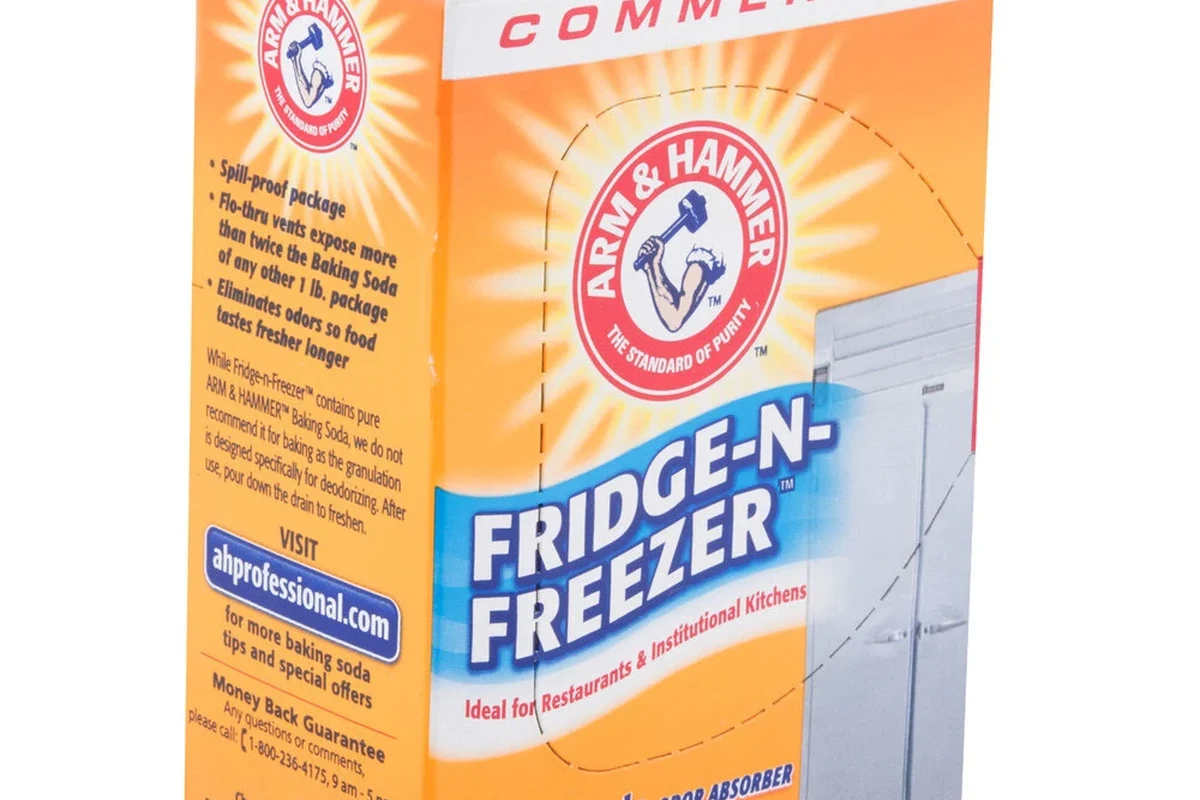
Baking soda helps reduce odors by interacting with acidic and strongly scented compounds in the air, rather than just covering them up. In a busy kitchen, that makes it useful for the mixed smells that build up from leftovers, produce drawers, dairy, and frequent door openings.
It is also a low-cost habit that fits well with other home care routines, like using baking soda in laundry or for small odor jobs around the house. If you want a broader look at odor control, our guide to baking soda for smoke odors shows the same basic principle at work in another setting.
Why baking soda absorbs odors instead of masking them
Baking soda, or sodium bicarbonate, is mildly alkaline. That matters because many unpleasant smells come from acidic compounds or from volatile particles that can be reduced when they contact the powder’s surface.
It does not perfume the refrigerator. Instead, it helps lower the intensity of some odors in the air, which is why a fridge can smell fresher without adding a stronger scent on top.
Odor control works better when the source is removed first. Baking soda is a support tool, not a substitute for cleaning up spills or spoiled food.
What kinds of fridge smells it can and cannot handle
Baking soda is usually helpful for light sourness, leftover food odors, onion or garlic traces, and general “closed fridge” smells. It can also help when the refrigerator has a faint stale odor from being shut for a while.
It is less effective against very strong smells, active mold growth, rotten-food leaks, or odors coming from a clogged drain pan or failing gasket. If the smell is sharp, persistent, or getting worse, the problem is probably larger than a deodorizer can solve.
- Simple and inexpensive
- No added fragrance
- Helpful for mild everyday odors
- Does not remove the odor source
- Limited effect on strong or hidden smells
- Needs regular replacement
Choosing the Right Baking Soda Setup for Your Refrigerator
The setup matters because airflow affects how much odor reaches the baking soda. A small open container can work well in a compact fridge, while a larger refrigerator may need a wider surface area or more than one placement point.
Open box, shallow dish, or dedicated deodorizer container
An open box is the most common choice because it is easy and affordable. A shallow dish can expose more surface area, which may help in some refrigerators, but it also needs to be stable so it does not tip.
Dedicated deodorizer containers are useful when you want a neater look or less risk of spills. Whatever you choose, the key is to leave enough surface exposed for air movement.
Where to place it for the best airflow and odor control
Place the deodorizer where air can circulate around it, not wedged behind a tall milk jug or crowded into a corner with no movement. A middle shelf often gives better general coverage than a tightly packed door bin.
If your refrigerator has strong odors coming from one drawer or shelf, putting a second small container closer to that area can help. Just keep it away from spills, dripping containers, and foods that may block airflow.
How fridge size and layout affect performance
Fridge layout changes how odors travel. French-door models, compact dorm fridges, and side-by-side units all move air differently, so a single box may be enough in one kitchen and too little in another.
More shelves, deeper drawers, and heavy food storage can reduce circulation. In those cases, cleaning and placement matter as much as the amount of baking soda itself.
Manufacturer instructions should always come first if your refrigerator has a built-in odor filter or special air system. Some models are designed to work best with a specific filter, not a homemade deodorizer setup.
How to Use Baking Soda as a Fridge Deodorizer Correctly
Using baking soda correctly is mostly about consistency. Put it in place after cleaning, keep it exposed to air, and replace it before it becomes stale or dusty.
Step-by-step placement and replacement routine
Remove spoiled items, wipe spills, and dry the interior so the deodorizer is not fighting the source of the smell.
Use an open box or shallow container and place it where air can move around it.
Label the container so you know when it was opened and when to replace it.
Swap it out regularly, especially if the fridge is opened often or stores strong-smelling foods.
Recommended amount for standard, compact, and large refrigerators
There is no universal measurement that fits every refrigerator, because size, airflow, and food load all change the result. A standard household fridge often does fine with one open box, while compact fridges may need less and larger units may benefit from more than one exposed container.
As a practical rule, start with one open box for a typical fridge and add a second only if odors linger after cleaning and food organization. For very small refrigerators, too much baking soda can take up needed space without improving performance much.
How long a box stays effective in 2026 household conditions
In normal household use, many people replace baking soda about every three months, but that is still a guideline rather than a guarantee. Heavy use, warm room temperatures, frequent door opening, and strong foods can shorten its useful life.
If the box looks damp, clumpy, or contaminated by spills, replace it sooner. If your refrigerator has persistent odor problems, replacing the box alone will not solve them.
Do not use a deodorizer as a way to ignore food-safety problems. If food smells spoiled, looks abnormal, or has been held too long, follow USDA-style food safety guidance and discard it rather than trying to cover the odor.
Common Mistakes That Make a Fridge Smell Worse
Most deodorizer failures happen because the smell source is still active. Baking soda can help, but it cannot outwork spoiled food, hidden leaks, or a dirty refrigerator interior.
Using baking soda without cleaning spills or spoiled food first
This is the biggest mistake. If a spill has seeped under a drawer or a container has leaked, the odor will keep returning until the area is cleaned and dried.
Old produce, forgotten leftovers, and milky spills are common culprits. Remove them first, then use baking soda to help with the remaining background smell.
Storing baking soda near strong-smelling foods
If you place the deodorizer right next to onions, cut garlic, or uncovered leftovers, it may pick up those odors quickly and lose effectiveness sooner. It can also make it harder to tell whether the fridge itself is clean.
Keep strong-smelling items sealed when possible. Good food storage is part of odor control, not separate from it.
Forgetting to replace it on schedule
An old box may still look fine, but its odor-reducing surface is no longer as active. That can lead people to think baking soda “does not work,” when the real issue is simply age.
If you are already tracking pantry ingredients or baking staples, add the fridge deodorizer to the same habit. Our article on when baking soda expires and when to replace it can help you understand freshness and storage more clearly.
Expecting it to fix mechanical or drainage problems
A persistent sour odor can come from a blocked drain, standing water, a dirty drip pan, worn door seals, or poor temperature control. Those issues need inspection and sometimes appliance service.
If the fridge smells musty even after cleaning, or if the odor returns quickly after every wash, look beyond the deodorizer. In that case, baking soda is only a temporary aid.
The fridge still smells bad after you add baking soda.
Check for spills, spoiled food, blocked drains, and hidden leaks first. Replace the deodorizer only after the source has been removed and the interior is fully dry.
Cleaning First: The Prep Work That Improves Odor Removal
Good cleaning makes a bigger difference than most people expect. A fresh box of baking soda works best in a fridge that is already clean, dry, and organized.
Safe cleaning order for shelves, drawers, and door bins
Start by removing food and checking dates. Put perishables into a cooler if the cleaning will take more than a few minutes, then wash removable parts with warm water and mild dish soap.
Wipe shelves, drawer tracks, and door bins from top to bottom so debris does not fall onto already cleaned areas. Dry everything before returning food, because moisture can hold odors and encourage mold.
Unplug the refrigerator only if the manufacturer recommends it or if you need to clean around electrical components. Never spray cleaner directly into vents, lights, or controls.
When to remove food, unplug, or avoid harsh cleaners
Remove food whenever you can do so safely and quickly. If you are cleaning a heavy spill, a leak, or the back interior of the unit, unplugging may be appropriate, but check the appliance manual first.
Avoid harsh cleaners that leave strong fumes or residue, especially inside a food-storage appliance. Mild soap and water are often enough for routine cleaning, with a food-safe disinfecting step only when needed and used according to label directions.
How to deal with leaks, mold, and lingering sour smells
For leaks, find the source before cleaning the visible mess. If the smell is sour or damp, check under drawers, along seals, and near the bottom of the compartment where liquid can collect.
If you see mold, clean carefully and discard contaminated food. If the odor persists after a thorough cleaning and drying, the issue may be deeper in the appliance or drainage system.
When Baking Soda Is Enough and When You Need Another Solution
Baking soda is best for routine maintenance, not rescue work. The more intense or unusual the smell, the more likely you need a stronger cleaning method or an appliance check.
Best use cases for mild, everyday refrigerator odors
This method works well for households that keep the fridge reasonably clean, store food in sealed containers, and want a simple freshness helper. It is especially useful after a weekly cleanout or when the refrigerator has picked up a faint stale smell.
It can also be a good fit for renters, students, and busy families who want a low-effort solution between deeper cleanings.
Situations that call for charcoal, deep cleaning, or appliance service
Activated charcoal may be more helpful when odors are stronger or more persistent, because it has a larger surface area and is often used for heavier odor control. Deep cleaning is the first step whenever the smell comes from food residue, spills, or damp areas.
If the refrigerator is noisy, not cooling evenly, or has water where it should not, service may be needed. A deodorizer cannot correct cooling failure or drainage trouble.
Open Box vs. Dedicated Deodorizer Container
An open box is simple, inexpensive, and easy to replace. A dedicated container looks tidier and may be less messy, but it still depends on the same basic principle: exposed baking soda and good airflow.
Signs the odor is coming from a hidden appliance issue
If the smell returns soon after cleaning, check the drain pan, drip areas, and door gasket. A musty odor that gets worse in warm weather can also point to moisture buildup or poor drainage.
When in doubt, consult the refrigerator manual or a qualified appliance technician. That is the most reliable way to separate a normal odor problem from a mechanical one.
Storage, Safety, and Freshness Tips for Ongoing Kitchen Use
Baking soda is useful in both the pantry and the fridge, but storage matters. Keep unopened boxes dry and sealed, and avoid confusing kitchen-use boxes with the one you set out for odor control.
How to store unopened and opened baking soda in the pantry
Store unopened boxes in a cool, dry pantry away from moisture and strong odors. Once opened for cooking, keep the rest in a tightly closed container so it stays fresh longer.
If you use baking soda for both baking and cleaning, label each container clearly. That helps prevent accidental mix-ups, especially in busy kitchens.
Food-safety considerations around open containers in the fridge
An open baking soda box should stay upright and away from spills, raw meat juices, and uncovered foods. It is there to absorb odors, not to touch food directly.
If the box becomes wet or contaminated, discard it and replace it. Do not reuse a box that has absorbed liquids from the refrigerator interior.
How to label replacement dates and avoid confusion with cooking soda
Write the opening date on the box or container with a marker. That small step makes replacement easier and keeps you from using an old box far past its useful life.
Also keep “fridge deodorizer” and “baking ingredient” boxes separate. A clearly labeled container is a simple way to avoid confusion when you reach for ingredients during baking.
- Label the opening date
- Keep the box exposed to air
- Replace it after cleaning the fridge
- Using it over spoiled food residue
- Blocking it with crowded containers
- Leaving it in place indefinitely
Final Decision: Is a Baking Soda Fridge Deodorizer Worth Using?
For most homes, yes. A baking soda fridge deodorizer is worth using if you want a low-cost, low-fragrance way to keep mild refrigerator odors under control.
It works best for households that clean regularly, store food properly, and replace the box on schedule. If the smell is strong, recurring, or tied to moisture or cooling problems, the deodorizer should be only one part of the solution.
Best households, budgets, and kitchen habits for this method
This method fits budget-conscious kitchens, small apartments, family fridges, and anyone who prefers simple maintenance over scented products. It is also a good match for cooks who already pay attention to storage, freshness, and cleanup routines.
If your kitchen habits already support freshness, baking soda can be a useful finishing touch rather than a rescue product.
Practical recap for keeping the fridge fresher longer
Clean first, dry thoroughly, then place a fresh open box where air can reach it. Replace it regularly, keep food sealed, and do not ignore leaks or spoiled items.
Used this way, baking soda is a practical fridge helper, not a miracle fix. That is exactly why it remains a dependable part of everyday kitchen care.
A baking soda fridge deodorizer is a smart, simple choice for mild odors and routine maintenance. For strong smells, hidden leaks, or appliance problems, pair it with cleaning and troubleshooting instead of relying on it alone.
Frequently Asked Questions
A typical refrigerator often does well with one open box or a similar shallow container. Larger or odor-prone fridges may need more than one placement point, depending on airflow and layout.
A common replacement schedule is about every three months, but that can vary with fridge size, odor level, and how often the door opens. Replace it sooner if it gets wet, dirty, or contaminated by spills.
It can help with mild, everyday odors, but it usually will not fix strong smells from spoiled food, mold, or leaks. In those cases, clean the fridge first and look for the odor source.
Yes. Baking soda works best after spills, spoiled food, and moisture are removed because it reduces leftover odors rather than replacing cleaning.
It is better to keep them separate and label them clearly. A fridge deodorizer can pick up odors and moisture, so it should not be treated as a cooking ingredient.
Check for hidden spills, clogged drains, mold, or a failing door seal. If the smell keeps returning, the appliance may need deeper cleaning or service.
