
Is Baking Soda and Bi Carb Soda the Same Explained

Yes, baking soda and bi carb soda are usually the same ingredient: sodium bicarbonate. The name changes by region, but the baking function is the same when the recipe is balanced correctly.
Yes—most of the time, baking soda and bi carb soda are the same ingredient. The name changes by country and label style, but the baking science is usually identical.
- Same ingredient: Both names usually mean sodium bicarbonate.
- Label check: Confirm the package ingredient list, especially across countries.
- Recipe balance: Baking soda needs acid to work well and avoid off flavors.
- Measure carefully: Small overages can change taste, browning, and texture.
- Not interchangeable with powder: Baking powder and baking soda are different leaveners.
What “Baking Soda” and “Bi Carb Soda” Mean in Everyday Baking
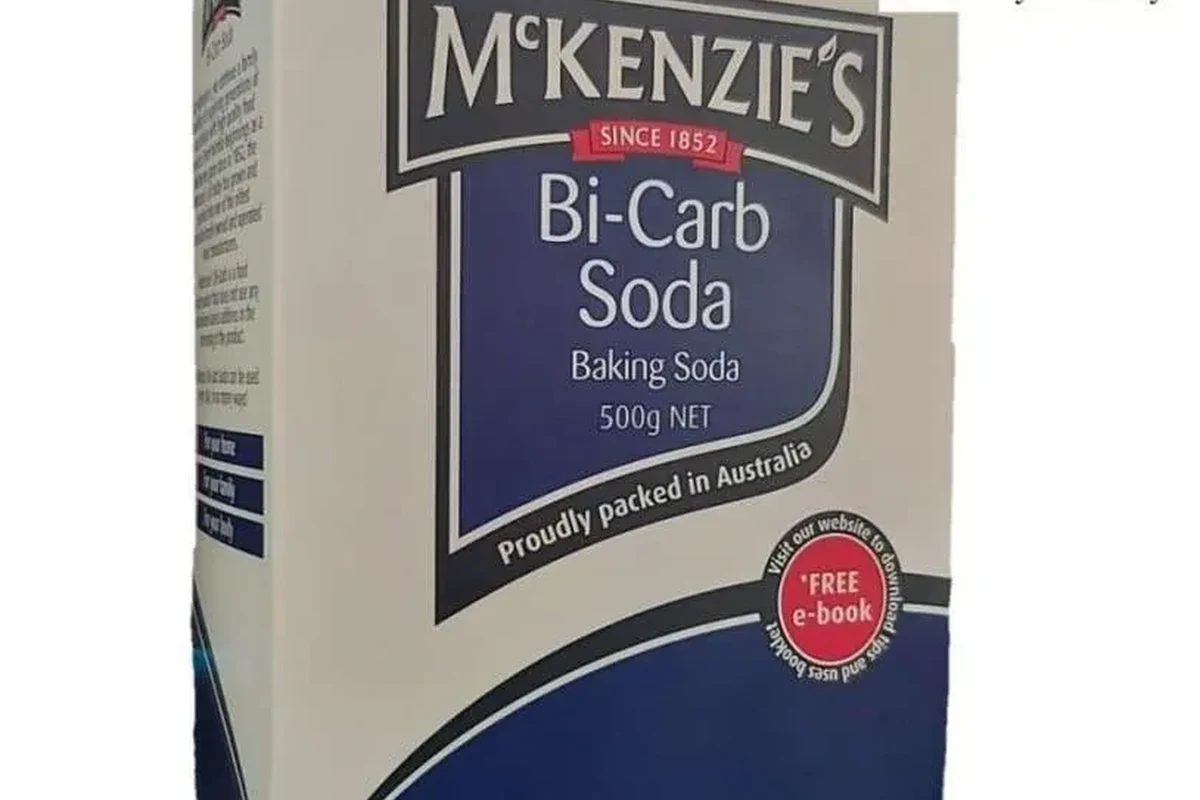
In everyday baking, both names usually point to the same white, fine powder used to help batters and doughs rise. In some kitchens, the shorter name “baking soda” is common, while “bi carb soda” or “bicarbonate of soda” is more familiar in other regions.
The ingredient itself matters more than the local wording. If you are comparing labels for a recipe, the key is to confirm that the package says sodium bicarbonate.
Why the two names are used in different regions
Language habits often decide which term people use. In the United States, “baking soda” is the standard name, while in the UK, Australia, New Zealand, and some other places, “bicarbonate of soda” or “bi carb soda” is more common in shops and recipes.
This can be confusing when you read an older cookbook, a family recipe, or a blog from another country. The good news is that the name usually changes, not the ingredient.
How the label can change by country, brand, or store
Brands may print different wording depending on the market they sell in. One store may list “baking soda,” another may use “sodium bicarbonate,” and another may say “bicarbonate of soda” on the front with the chemical name on the back.
If you are unsure, check the ingredient list rather than relying only on the front label. That habit helps when you shop for baking staples, especially if you are comparing products for a class or following a recipe from another country.
Sodium bicarbonate is an alkaline ingredient, which means it needs acid in many recipes to create the gas that helps baked goods rise.
Is Baking Soda and Bi Carb Soda the Same Ingredient?
In practical baking terms, yes. Both names refer to sodium bicarbonate, the same chemical leavening ingredient used in cakes, cookies, muffins, quick breads, and some pastry formulas.
The main difference is naming, not performance. If a recipe asks for one and your pantry has the other, you can usually use it as written unless the recipe also depends on a very specific regional product blend.
The chemical identity: sodium bicarbonate
Sodium bicarbonate is the full chemical name for baking soda. It reacts when it meets moisture and an acid, producing carbon dioxide gas, which helps batter expand and become lighter.
That reaction is why bakers treat it as a precise ingredient rather than a casual add-in. Too little can leave a bake dense, while too much can create a harsh taste and odd color.
What is identical and what can vary in packaging or wording
The ingredient is the same, but the packaging may differ in size, measuring units, and language. Some products list teaspoons, others list grams, and some baking school kitchens prefer to measure by weight for consistency.
Also, “bi carb soda” is not the same as baking powder. If you want a deeper comparison of those two ingredients, see our guide on baking soda versus baking powder.
Recipe success depends on more than the ingredient name. Oven calibration, pan size, humidity, and how the flour was measured can all change the final texture.
How This Ingredient Works in Baking and Pastry
Baking soda is a fast-acting chemical leavener when it has enough acid to react with. In the bowl, it can start working as soon as it is mixed with wet ingredients, so many recipes move quickly once the batter is combined.
That makes it useful for batters that need immediate lift and for baked goods where a slightly crisp, browned edge is welcome.
How it reacts with acids to create lift
When sodium bicarbonate meets acidic ingredients, it releases carbon dioxide bubbles. Those bubbles expand in the heat of the oven, helping the structure rise before it sets.
Common acidic partners include buttermilk, yogurt, sour cream, lemon juice, vinegar, molasses, brown sugar in some formulas, cocoa in certain recipes, and cream of tartar when a recipe is designed that way. For a simple explanation of this reaction, you can also read how baking soda and vinegar react.
Why it matters in cakes, cookies, muffins, and pastries
In cakes and muffins, baking soda helps create a lighter crumb and can improve browning. In cookies, it can encourage spread, a more open texture, and a slightly chewier bite depending on the rest of the formula.
In pastries, it is used more carefully because structure matters. Delicate doughs often rely on other methods of lift, so the amount of baking soda has to match the recipe’s acidity and desired texture.
Best when the recipe includes acid and needs immediate lift, such as muffins or simple cakes.
Best when spread, browning, and a slightly crisper edge are part of the target texture.
Best when the ingredient is used in small amounts and the rest of the dough is carefully measured.
How overuse affects flavor, color, and texture
Too much baking soda can leave a soapy, metallic, or bitter taste. It can also darken the crumb too quickly and create a coarse or uneven texture.
In some bakes, excess alkalinity weakens the balance of flavors and can make the finished product look too brown before the inside is fully baked. That is one reason precise measuring matters in both home kitchens and pastry classrooms.
Do not add extra baking soda to “help” a recipe rise. If the formula does not contain enough acid, more soda can damage flavor and structure instead of improving the bake.
How to Read Labels and Measure It Correctly in 2026
For 2026 and beyond, the safest approach is still the simplest one: read the ingredient name, then measure carefully. Whether the box says baking soda, bi carb soda, or sodium bicarbonate, the same measuring rules usually apply.
If you are baking in a school kitchen, standardize on one measuring method for the class so students are not guessing between spoons, scoops, and weight.
Common label names to look for on supermarket shelves
Look for baking soda, bicarbonate of soda, bi carb soda, or sodium bicarbonate. Some brands use one term on the front and the chemical name on the back panel.
If you are comparing brands, the ingredient list and net weight matter more than the wording on the front. That is especially helpful when shopping in different countries or translating a recipe.
Measuring by teaspoons, grams, and recipe conventions
Most home recipes use teaspoons, but some professional and school kitchens prefer grams for accuracy. Weight measurements reduce variation caused by how tightly a spoon is packed or how humid the kitchen feels.
Always follow the recipe’s system if it gives one. If a recipe was written in cups and spoons, do not silently convert unless you are confident the conversion is correct and the formula is forgiving.
Practical examples of substitutions in older and newer recipes
In many older recipes, “bicarb” or “bicarbonate of soda” is simply the regional name for baking soda. If the recipe also includes an acidic ingredient, substitution is usually straightforward.
In newer recipes, ingredient lists may be more exact, especially in pastry programs and test kitchens. If a recipe uses baking soda to control browning or spread, changing the amount can change the result even if the ingredient name stays the same.
- Confirm the label says sodium bicarbonate or baking soda equivalent
- Check whether the recipe includes an acidic ingredient
- Use the measuring method stated in the recipe
- Make sure your baking soda is fresh
Common Mistakes Bakers Make When Using Baking Soda
Most problems come from confusing ingredients or using the right ingredient in the wrong formula. Baking soda is useful, but it is not interchangeable with every leavener in every recipe.
When something goes wrong, the clue is often in the texture: flat centers, odd browning, a bitter note, or a crumb that feels too coarse.
Confusing baking soda with baking powder
Baking soda needs acid to work well, while baking powder already contains an acid component. That means baking powder can work in recipes that do not have enough acidic ingredients for soda to react properly.
If you swap one for the other without adjusting the formula, the result may be disappointing. Our guide on using baking soda instead of baking powder safely explains why that swap is risky in many recipes.
Using it without enough acidic ingredients
If a recipe has little or no acid, baking soda may not fully react. That can leave a soapy aftertaste or an overly dark color without enough lift to justify its use.
In practice, this is why some recipes call for buttermilk, yogurt, molasses, citrus juice, or another acid source. The soda is not just there for lift; it is part of the chemistry of the whole formula.
Storing it too long or in the wrong container
Baking soda can lose effectiveness over time, especially if it absorbs odors or moisture from the air. A loose lid, a warm shelf, or storage near strong-smelling ingredients can affect quality.
Keep it sealed, dry, and away from heat. If a box has been open for a long time, test it before relying on it for an important bake.
Your muffins rise weakly and taste slightly bitter.
Check whether the recipe has enough acid, confirm the soda is fresh, and measure accurately by spoon or weight.
When Baking Soda and Bi Carb Soda Are Not the Best Fit
Even though the ingredient is the same, it is not always the right choice. Some recipes need a slower, more balanced rise, while others need a leavener that works without added acid.
Choosing the wrong leavener can affect not only height but also crumb tenderness, flavor, and color.
Recipes that need baking powder instead
Recipes with little acid often do better with baking powder. That is common in plain cakes, some biscuits, and certain batters where the formula is designed around a built-in acid source.
If you are unsure, compare the recipe’s wet ingredients. When there is no clear acid partner, baking powder is often the safer choice.
Situations where too much alkalinity harms taste or structure
Too much baking soda can raise pH too far, which changes browning and flavor balance. In sensitive recipes, that can create a rough crumb or an off taste that is hard to fix after baking.
This matters especially in recipes where chocolate flavor, delicate vanilla notes, or a pale pastry color should stay clean and balanced.
Specialty pastry cases where precision matters most
In laminated doughs, pâte à choux, and other specialty pastries, leavening is often controlled by technique, steam, eggs, or layering rather than by baking soda alone. In those formulas, even a small change can alter rise and structure.
That is why pastry students are often taught to follow the written formula closely before making adjustments. Precision becomes more important as the recipe gets more technical.
- Fast lift when paired with acid
- Good browning in the right formula
- Simple pantry ingredient
- Can taste bitter if overused
- Needs the right recipe balance
- Not a direct substitute for baking powder in every case
Safety, Storage, and Best Use in a Baking School Kitchen
In a baking school kitchen, baking soda is a basic ingredient, but it still deserves organized handling. Clear labeling, dry storage, and clean measuring habits reduce mistakes and help students learn good production habits.
Food safety also matters around shared prep areas, where cross-contact and contamination can happen if ingredients are handled carelessly. For broader food safety guidance, follow recognized public health and food labeling advice from official sources such as the FDA or USDA.
Safe handling around students, children, and food prep areas
Keep ingredient containers closed when not in use and measure away from splashing water or flour dust. Young learners should be supervised so they do not confuse baking soda with cleaning products or non-food powders.
In mixed-use kitchens, clearly separate food ingredients from cleaning supplies. That helps prevent accidental misuse and supports a safer teaching environment.
Never use a container that previously held cleaning chemicals for food ingredients unless it has been fully cleaned and verified as food-safe. Keep all dry goods clearly labeled.
Storage conditions that preserve freshness and effectiveness
Store baking soda in a cool, dry place with the lid tightly closed. Moisture and odor absorption are the main storage problems, so a pantry shelf away from the stove is usually better than a warm, damp area.
If you are keeping it in a school pantry, use a clear rotation system so older stock gets used first. That simple habit helps prevent stale ingredients from sitting too long.
How instructors test freshness before a class bake
A common freshness check is to combine a small amount of baking soda with an acidic liquid and look for an immediate fizz. If the reaction is weak or delayed, the soda may not perform well in class.
This test does not measure every quality issue, but it is a practical screen before a lesson or demonstration. It is especially useful when the ingredient has been open for a long time or stored in a busy classroom.
Read the recipe, check the ingredient label, and measure baking soda accurately before mixing.
Bake promptly after mixing if the recipe depends on soda reacting with acid for lift.
Cool fully before judging texture, since some crumb structure sets as the bake cools.
Final Verdict: Should You Treat Baking Soda and Bi Carb Soda as the Same?
Yes, you should generally treat baking soda and bi carb soda as the same ingredient. Both names usually mean sodium bicarbonate, so the real job is to match the ingredient to the recipe and measure it correctly.
The important limits are simple: baking soda needs the right acid balance, it is not the same as baking powder, and freshness matters. If you keep those three points in mind, you can use either name with confidence in home baking or in a pastry school kitchen.
Before your next bake, check the label, confirm the recipe’s acid sources, and follow the measuring method written in the formula. That small routine can prevent flat cakes, bitter cookies, and avoidable waste.
Frequently Asked Questions
Yes. They are usually the same ingredient: sodium bicarbonate. The name changes by country and label style.
Usually, yes, because they are the same ingredient. Just make sure the recipe also has enough acid for the soda to react properly.
Test a small amount with an acidic liquid and look for a quick fizz. If the reaction is weak, replace it before baking.
Too much can cause a bitter or soapy taste, extra browning, and a rough texture. It can also throw off the recipe’s balance.
Use baking powder when a recipe does not contain enough acid for baking soda to work well. Baking powder already includes an acid component.
Keep it sealed, dry, and away from strong odors and heat. Good storage helps preserve freshness and baking performance.